A Tyrolean address in Lana's Via S. Martino quarter, Pfefferlechner sits within a dining tradition shaped by Alpine geography and the cultural crossroads of South Tyrol. The area's table culture draws on both Italian and Austrian inheritances, producing a kitchen register that belongs to neither country entirely and to this particular mountain valley specifically. Visitors planning ahead will find the surrounding scene worthwhile beyond a single table.
Pearl is the En Primeur Club membership app — saves, bookings, and concierge access live there. Same editors, same standards.
- Address
- Via S. Martino, 4, 39011 Lana BZ, Italy
- Phone
- +39473562521
- Website
- pfefferlechner.it
- Directions
- Get directions
 Saves & bookings on Pearl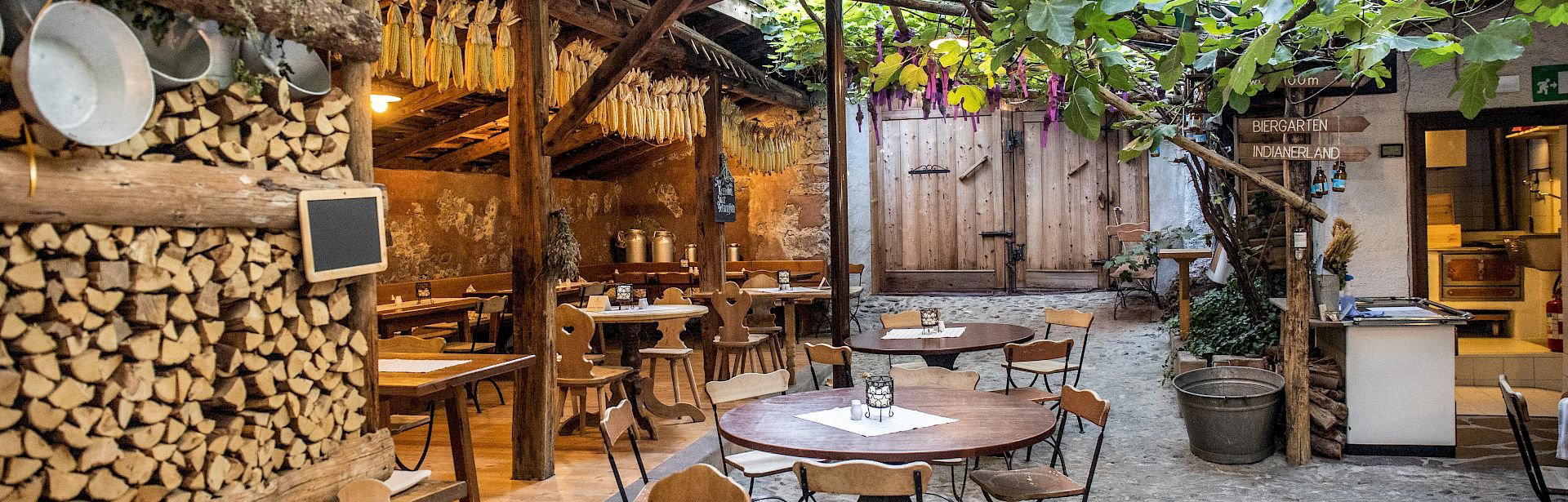
Where Two Culinary Traditions Share a Table
South Tyrol occupies a position in European food culture that few regions can match for sheer complexity of influence. The province passed from Habsburg Austria to Italy after the First World War, and its kitchen culture never fully resolved the handover. What emerged instead is a hybrid that operates on its own terms: rye bread and speck alongside pasta and polenta, wine lists that shift between Alto Adige whites and Austrian Grüner Veltliner, and a general approach to the table that treats Alpine thrift and Italian sensory pleasure as complementary rather than competing. Pfefferlechner is a traditional South Tyrolean restaurant at Via S. Martino, 4, 39011 Lana BZ, Italy.
Lana itself is a small market town roughly midway through the Adige valley between Bolzano and Merano, and the dining scene here reflects the town's character: grounded in agricultural routine, oriented toward local producers, and less performative than the resort-facing restaurants that line the Merano thermal strip. Tables in this part of the valley tend to be occupied by people who know what they are eating and why, which sets a useful floor for quality across the area's establishments.
The South Tyrolean Table: Context Before Dish
To understand what a restaurant like Pfefferlechner represents in the local hierarchy, it helps to understand what South Tyrolean dining actually looks like at different tiers. At the apex, the region has produced some of Italy's most discussed kitchens. Atelier Moessmer Norbert Niederkofler in Brunico has become a reference point for Alpine ingredient discipline applied at the highest technical level. Further afield, Osteria Francescana in Modena and Le Calandre in Rubano define what Italian fine dining looks like when ambition and technique converge at the national level. These are not peer comparisons for Pfefferlechner; they are directional markers that help locate where the Lana table fits on a broader map.
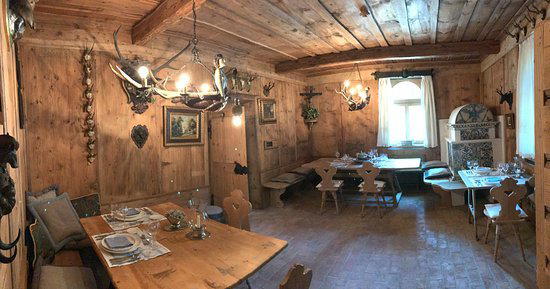
What defines the mid-tier and local-specialist bracket in South Tyrol is something different: proximity to product, continuity of tradition, and a certain resistance to trend-chasing. The Stube format, a warm wood-panelled dining room derived from the farmhouse sitting room, is not a design choice in this part of the world, it is a structural inheritance. Restaurants that maintain it are making a statement about where their loyalties lie. The same applies to the sourcing logic: valley-raised pork, local dairy, orchard fruit from the apple-growing slopes that define Lana's agricultural identity.
Lana's Table in Its Neighbourhood
Within Lana, the dining options cluster around a consistent set of values. Brandiskeller and Gasthaus Rafflerhof represent the area's commitment to the Gasthof tradition, where the line between tavern and restaurant is deliberately blurred and the emphasis falls on hospitality over spectacle. Gutshof and Stadele occupy the farmstead end of the spectrum, connecting the table directly to working agricultural land. Stube Ida brings a slightly more considered approach to the Stube format while retaining its essential character.
Pfefferlechner on Via S. Martino enters this conversation as part of a neighbourhood with genuine culinary coherence, not as an outlier. The address places it in accessible proximity to Lana's centre, making it reachable on foot for visitors based in the town rather than requiring a car or a transfer. In a region where many of particularly interesting tables sit at the end of a steep vineyard road or up a mountain track, that accessibility carries practical weight.
The Cultural Weight of the Tyrolean Kitchen
Italian dining, in the national imagination, tends to be understood through its southern and central touchstones: the Neapolitan pizza tradition, the Emilian pasta canon, the Tuscan approach to grilled meat and aged oil. South Tyrolean cooking sits outside that framework almost entirely. Its reference points are Alpine: cured meats that owe more to Germanic tradition than to Italian salumeria, dumplings in the Knödel family that share more with Bohemian cuisine than with anything from Puglia, and a wine culture built around varieties most Italian sommeliers learn about as a regional footnote.
This makes the region's table genuinely interesting to the kind of traveller who has already covered the main Italian routes. Enoteca Pinchiorri in Florence, Piazza Duomo in Alba, and Enrico Bartolini in Milan represent Italy's fine dining conversation at national scale. South Tyrol's contribution to that conversation is distinct and, generally, still underread by visitors whose Italian itineraries default to the centre and south. Lana, Bolzano, and Merano reward a different kind of attention.
The same argument applies when comparing across Italy's coastline kitchens. Uliassi in Senigallia, Quattro Passi in Marina del Cantone, and Dal Pescatore in Runate work within an entirely different ingredient logic from the mountain kitchens of the North. Neither is superior; they are simply expressions of different geographies and different historical accumulations. Reale in Castel di Sangro demonstrates how inland Italian kitchens can develop their own distinct vocabulary even within the peninsula's culinary mainstream. South Tyrol takes that divergence further by operating partly outside the Italian mainstream altogether.
Planning a Table in Lana
Visitors approaching Lana from Bolzano typically arrive via the SS38 or by regional train to Merano and onward connection, with Lana sitting approximately between the two cities along the valley floor. The town's dining options are concentrated enough to walk between, which makes it practical to treat an evening here as a genuinely local experience rather than a destination event requiring transport logistics on both ends.
Pfefferlechner is recommended for reservations. It is open Monday and Thursday to Friday from 4 to 11 PM, Saturday from 12 to 11 PM, and Sunday from 12 to 9 PM; it is closed Tuesday and Wednesday.
Price and Positioning
Comparable venues nearby, for context on price, style, and recognition.
| Venue | Cuisine | Price | Notes |
|---|---|---|---|
| PfefferlechnerThis venue — the venue you are viewing | Lana, Traditional South Tyrolean | $$ | Not listed |
| Stube Ida | Lana, Modern South Tyrolean | $$ | Not listed |
| Stadele | Not listed | $$$ | Lana, South Tyrolean Fusion with Mediterranean Influences |
| Gasthaus Rafflerhof | Lana, Traditional South Tyrolean Italian | $$ | Not listed |
| Brandiskeller | Not listed | $$ | Lana di Sotto, Traditional South Tyrolean Grill & Wine Cellar |
| Gutshof | Lana, Italian Pizza and Sushi | $$ | Not listed |
Continue exploring
More in Lana
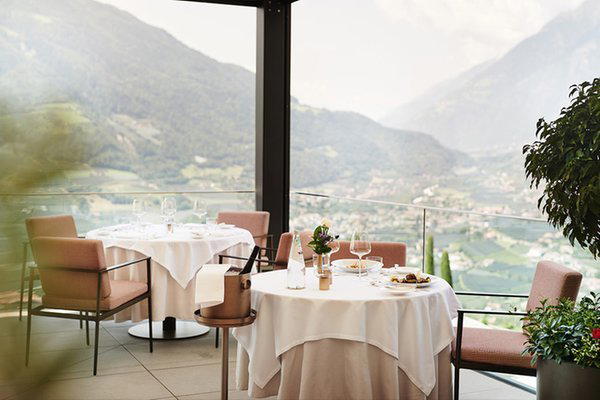
Restaurants in Lana
Browse all →
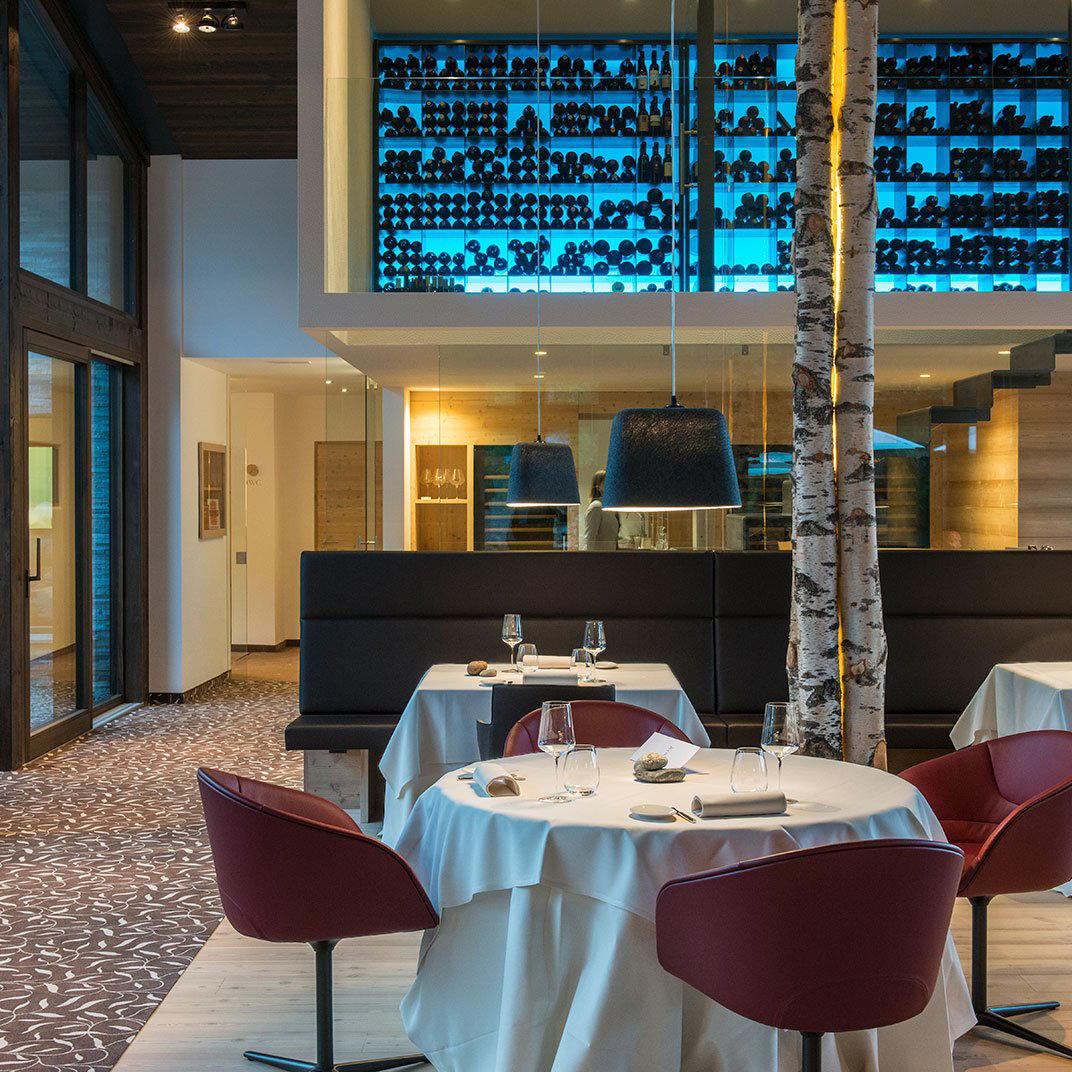
Bars in Lana
Browse all →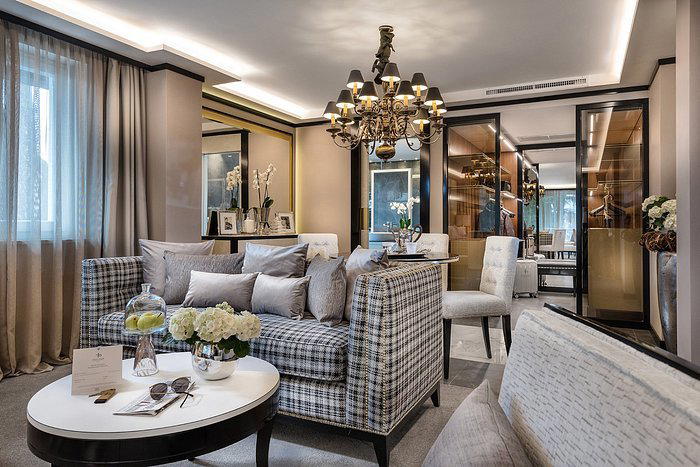
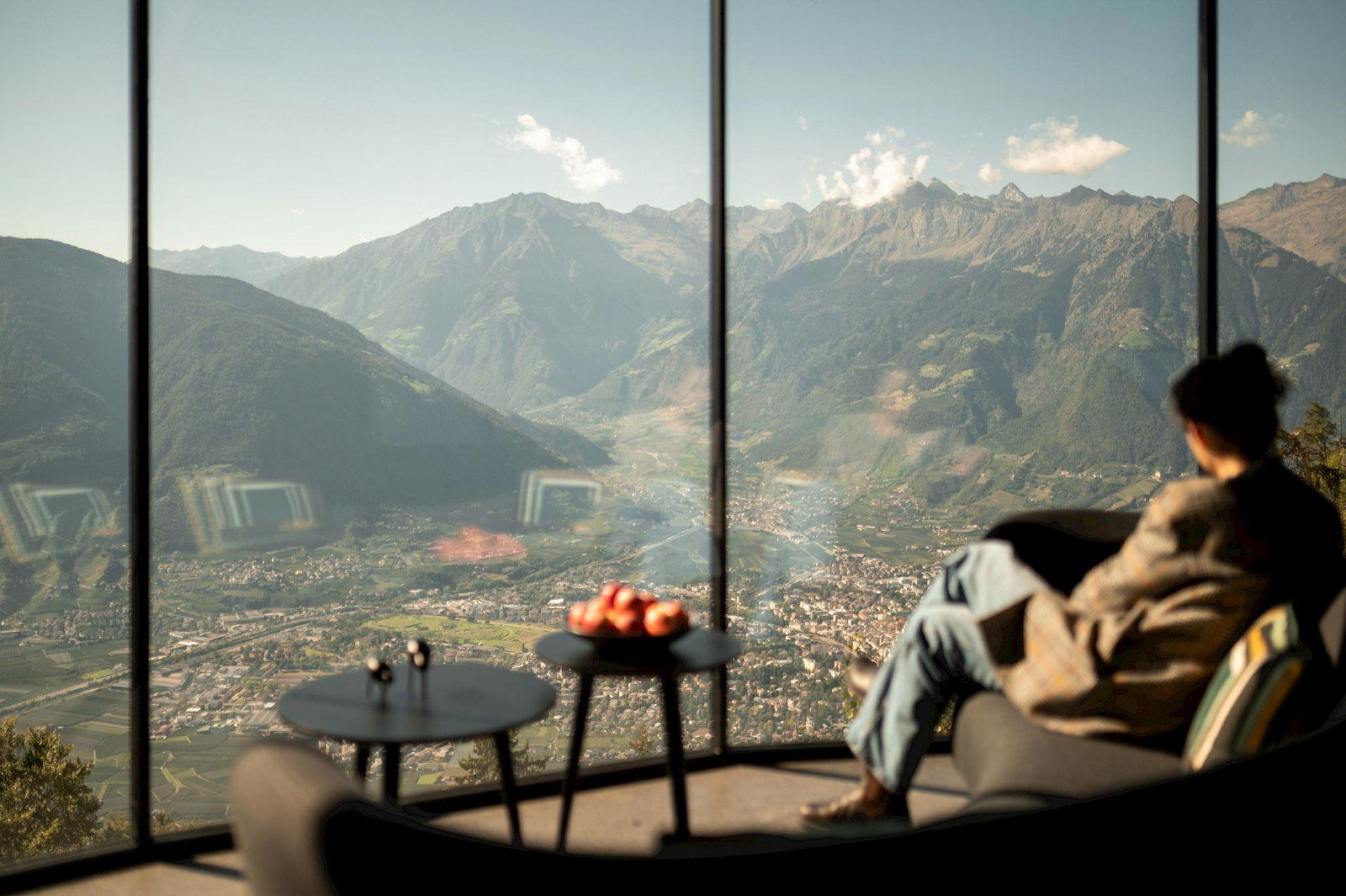
Hotels in Lana
Browse all →
At a Glance
- Rustic
- Cozy
- Lively
- Family
- Group Dining
- Celebration
- Casual Hangout
- Open Kitchen
- Beer Garden
- Beer Program
- Local Sourcing
Current opening hours
- Monday
- 4–11 PM
- Tuesday
- Closed
- Wednesday
- Closed
- Thursday
- 4–11 PM
- Friday
- 4–11 PM
- Saturday
- 12–11 PM
- Sunday
- 12–9 PM
Hours can change for holidays and private events. Last verified .
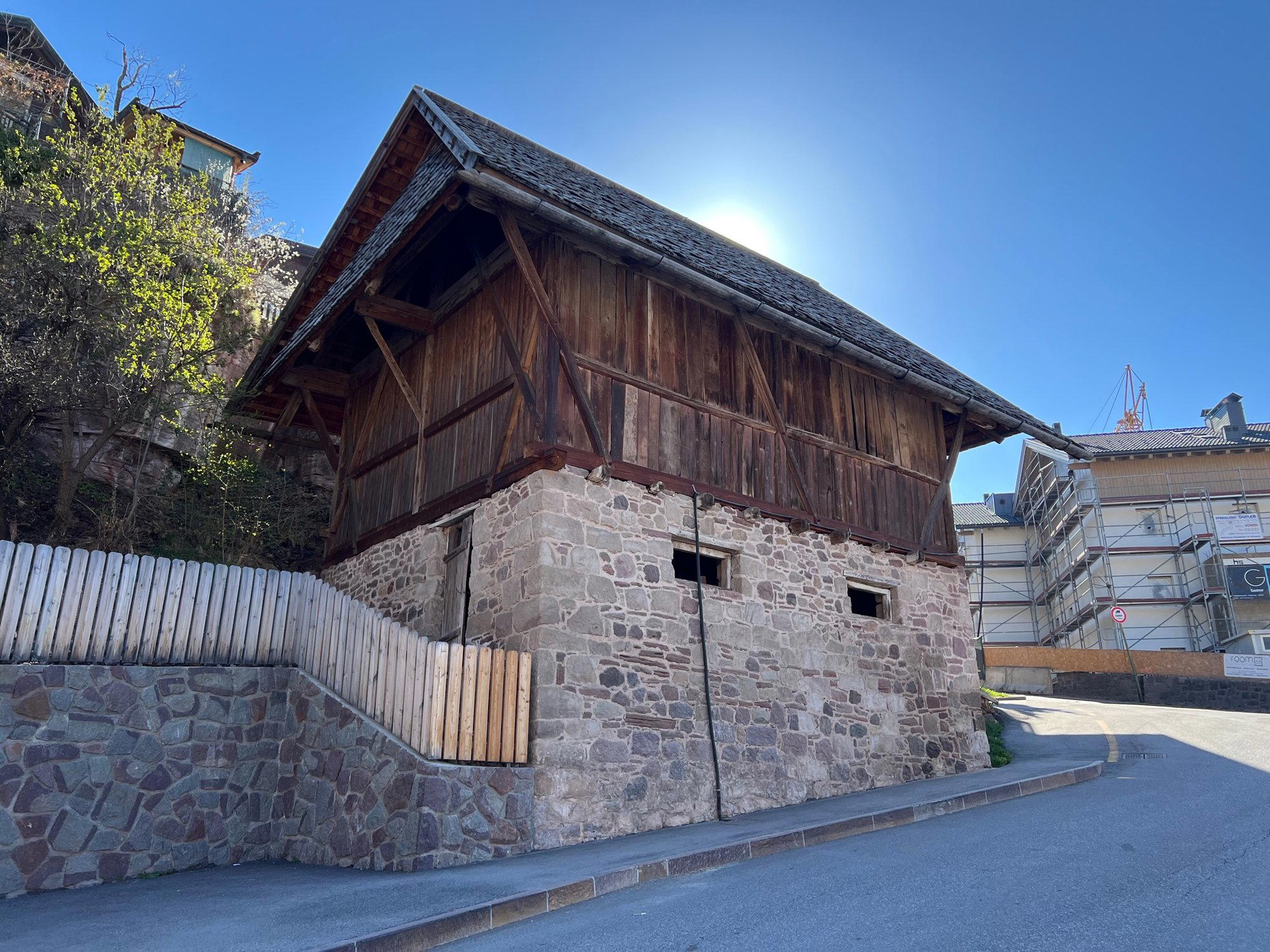
Rustic and familiar atmosphere with traditional parlours, convivial beer garden, and farm-life feeling.