A stone-vaulted keller on Via Brandis in Lana, Brandiskeller sits at the intersection of South Tyrolean agricultural tradition and the kind of unhurried hospitality the region has practiced for centuries. The Alto Adige's larder, cured meats, aged cheeses, orchard fruit, mountain herbs, shapes whatever arrives at the table. It belongs to a small tier of Lana addresses where the food is inseparable from the valley that produced it.
Pearl is the En Primeur Club membership app — saves, bookings, and concierge access live there. Same editors, same standards.
- Address
- Via Brandis, 24, 39011 Lana BZ, Italy
- Phone
- +39473561303
- Website
- brandiskeller.it
- Directions
- Get directions
 Saves & bookings on Pearl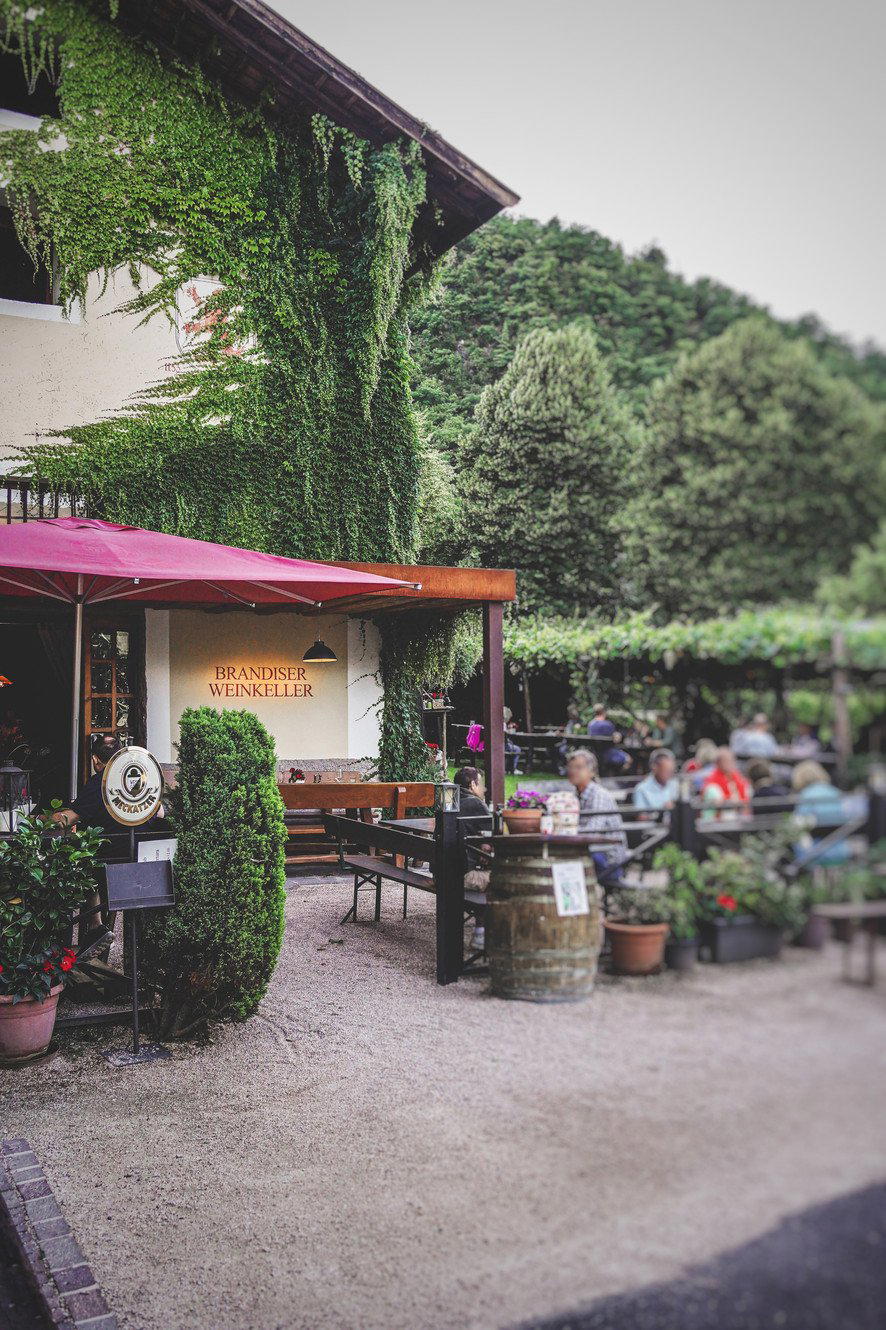
Stone, Cellar, and the Alto Adige Larder
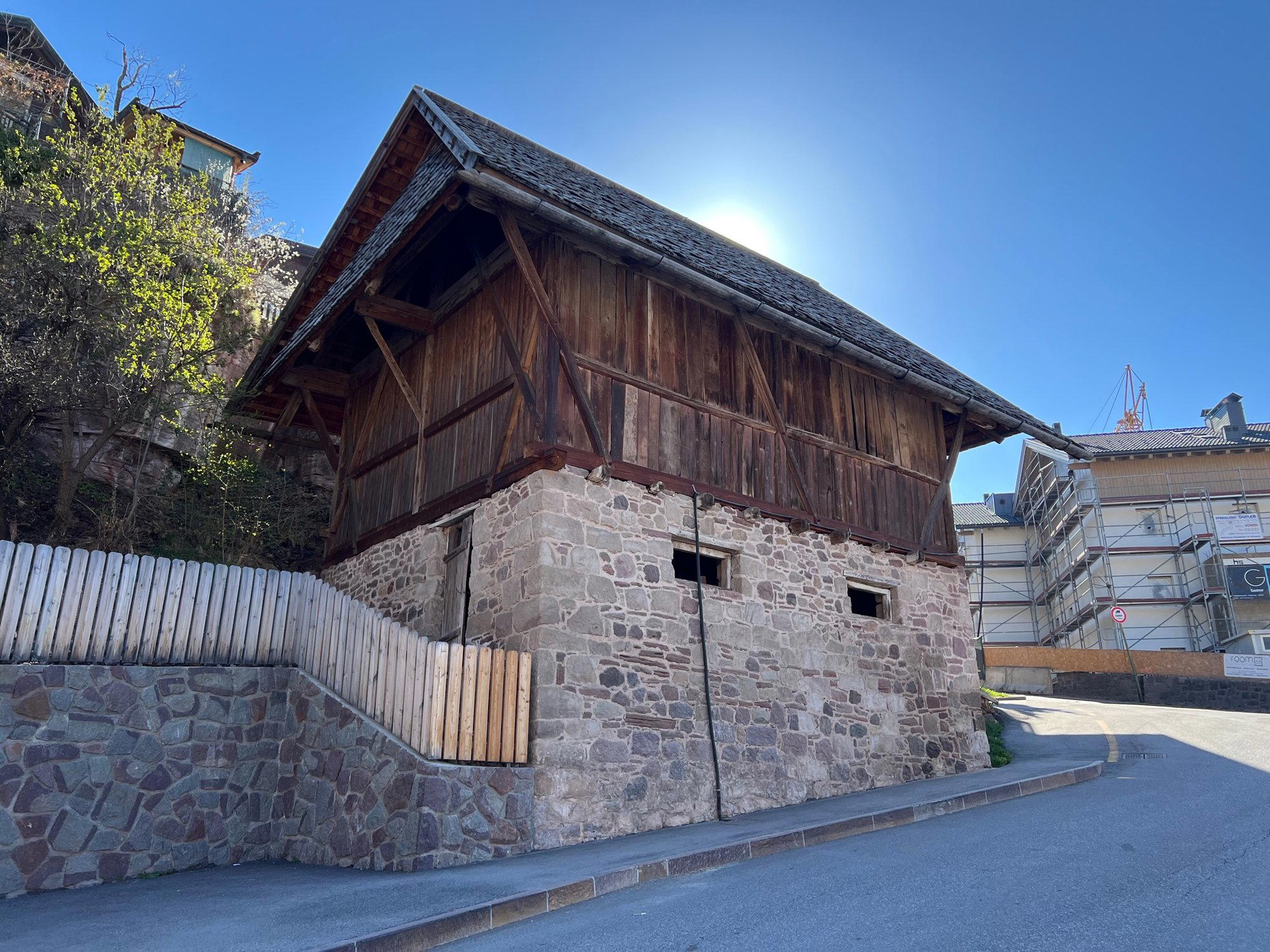
Approach Via Brandis from the centre of Lana and the architecture does most of the contextual work before you reach the door. South Tyrol's Etschtal valley has been producing wine, grain, and cured provisions since at least the medieval period, and the keller format, thick-walled, vaulted, built into or partially below the terrain, is how that produce was stored, shared, and eventually served. Brandiskeller, at number 24 on Via Brandis, occupies precisely that tradition: a physical structure whose design is itself an argument for the locality of what it offers.
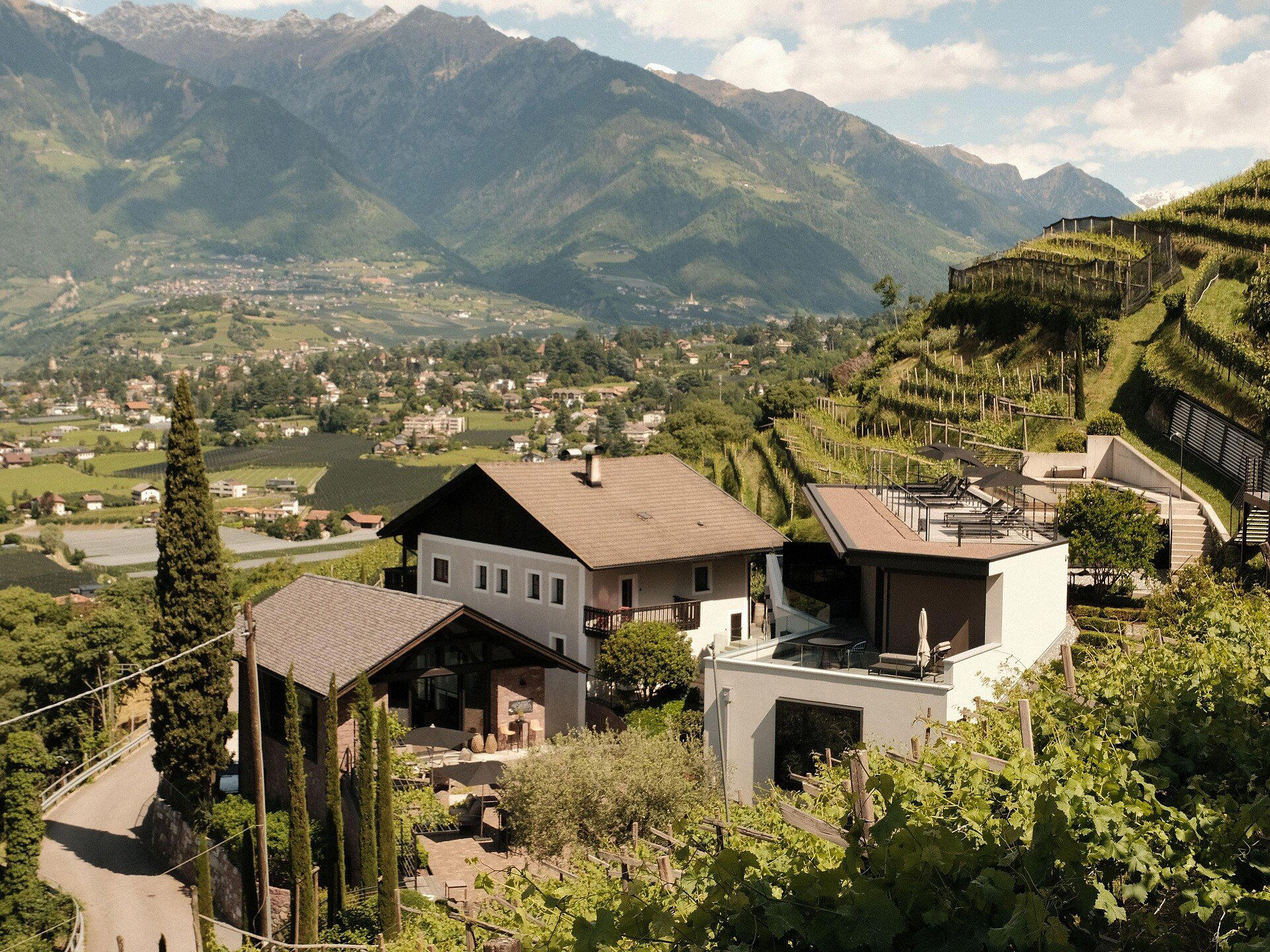
Lana sits between Merano and Bolzano in the lower Vinschgau approach, at an elevation and latitude that produces particularly agricultural variety in northern Italy. Apple orchards dominate the valley floor (the region accounts for roughly half of Italy's apple output), while the slopes above carry vines, Vernatsch, Lagrein, Gewürztraminer, alongside small-scale dairy and livestock operations. Any serious keller in this town is drawing on a supply chain measured in kilometres, not countries, and that proximity is what separates the Alto Adige table from most of the peninsula.
What the Region Puts on the Table
South Tyrolean food culture is built around preservation as much as preparation. Speck, the juniper-and-altitude-cured ham that carries IGP status, is one exported example of a wider philosophy: that the mountain environment imposes a discipline on ingredients that coastal or lowland cuisines rarely require. Meats are cured, aged, and smoked according to elevation and season. Dairy becomes hard cheese or fresh Topfen depending on the time of year. Bread arrives dense with rye or spelt, grains better suited to the shorter growing window at altitude. The keller format amplifies this: the cool, stable environment that once made these spaces ideal for storage now makes them ideal for serving the same products in their least-adulterated form.
Compared to the formal tasting-menu restaurants of the broader region, Atelier Moessmer Norbert Niederkofler in Brunico operates at the far end of that register, reworking Alpine ingredients through a rigorous fine-dining lens, the keller tradition in towns like Lana occupies the opposite pole. The editorial interest here is not innovation or transformation but fidelity: how faithfully does the table express the valley behind it? That question is what positions Brandiskeller within Lana's dining picture rather than in competition with the region's Michelin-decorated addresses.
Lana's Dining Tier and Where This Fits
Lana is a town of around twelve thousand residents with a restaurant culture that leans toward the functional and the traditional rather than the aspirational. The addresses that draw visitors from Merano or Bolzano tend to be those that do something specific well over a long period rather than those chasing recognition. Gasthaus Rafflerhof and Gutshof represent the gasthaus register, hearty, generous, rooted in the same agricultural supply chain. Pfefferlechner, Stadele, and Stube Ida each occupy a slightly different niche within the town's mid-range. The keller format at Brandiskeller sits adjacent to all of them but answers a different question: what does this place taste like at its most architectural and elemental?
For readers calibrating against Italy's broader fine-dining circuit, Osteria Francescana in Modena, Piazza Duomo in Alba, Dal Pescatore in Runate, Brandiskeller operates in an entirely different register. The comparison is useful precisely because it clarifies what the keller format is not trying to do. Where Le Calandre in Rubano or Reale in Castel di Sangro approach their regional ingredients through technical reinvention, the keller tradition derives its authority from the absence of transformation. The produce is the argument. See also our full Lana restaurants guide for a broader map of where each address fits.
Planning a Visit to Brandiskeller
Brandiskeller is located at Via Brandis, 24, in 39011 Lana BZ. The address places it within walkable distance of the town centre, accessible from Merano (roughly 10 kilometres to the northwest) by local bus or car via the SS38. Brandiskeller is open Mon, Wed-Sat from 4:30 to 11:30 PM, Tue closed, and Sun 12 to 11:30 PM. The restaurant is walk-in friendly and priced around $25 per person.
The Broader Context of Alpine Sourcing
The ingredient-sourcing argument that defines Brandiskeller's position is not distinctive to this address, it is the defining logic of the entire South Tyrolean table. What distinguishes the Alto Adige from comparable Alpine regions in Austria or Switzerland is the layering of Germanic food culture onto an Italian agricultural base, producing a table that draws from two distinct preservation traditions simultaneously. The speck and the bresaola, the Graukäse and the Asiago, the rye bread and the polenta, this is a region where the larder itself is the attraction, and where any address that sources honestly is, by definition, offering something the valley has been perfecting for centuries. In that sense, Brandiskeller's address on Via Brandis is not incidental: the street, the stone, and the supply chain are the same story told three different ways.
For readers who have traced Italy's more ambitious kitchens, Enrico Bartolini in Milan, Quattro Passi in Marina del Cantone, or further afield at Le Bernardin in New York City and Lazy Bear in San Francisco, the keller register offers a deliberately different measure of quality. The question is not execution at a technical frontier but honesty at the source. Brandiskeller offers traditional South Tyrolean grill and wine cellar dining in Lana at an accessible price point.
Comparable Venues
Comparable venues nearby, for context on price, style, and recognition.
| Venue | Cuisine | Price | Notes |
|---|---|---|---|
| BrandiskellerThis venue — the venue you are viewing | Traditional South Tyrolean Grill & Wine Cellar | $$ | Not listed |
| Gasthaus Rafflerhof | Traditional South Tyrolean Italian | $$ | Lana |
| Pfefferlechner | Traditional South Tyrolean | $$ | Lana |
| Stube Ida | Modern South Tyrolean | $$ | Lana |
| Gutshof | Italian Pizza and Sushi | $$ | Lana |
| Stadele | South Tyrolean Fusion with Mediterranean Influences | $$$ | Lana |
Continue exploring
More in Lana
Restaurants in Lana
Browse all →
Bars in Lana
Browse all →
Hotels in Lana
Browse all →
At a Glance
- Rustic
- Cozy
- Classic
- Quiet
- Group Dining
- Casual Hangout
- After Work
- Wine Cellar
- Beer Garden
- Standalone
- Beer Program
- Extensive Wine List
- Local Sourcing
Current opening hours
- Monday
- 4:30–11:30 PM
- Tuesday
- Closed
- Wednesday
- 4:30–11:30 PM
- Thursday
- 4:30–11:30 PM
- Friday
- 4:30–11:30 PM
- Saturday
- 4:30–11:30 PM
- Sunday
- 12–11:30 PM
Hours can change for holidays and private events. Last verified .
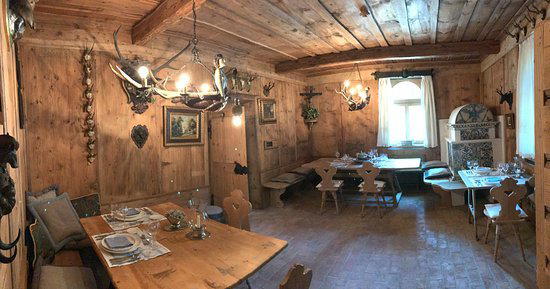
Cozy, down-to-earth atmosphere with quiet, traditional tavern ambiance. Warm lighting and rustic decor create an inviting, authentic South Tyrolean dining experience.