SpoonFood occupies an address in Vienna's 2nd district that places it at a different angle from the city's Innere Stadt fine-dining corridor. Set against a broader Austrian dining scene where the Walcherstraße area is still finding its fine-dining footing, the restaurant enters a competitive conversation that includes Michelin-recognised peers across the city and the wider Alpine region.
Pearl is the En Primeur Club membership app — saves, bookings, and concierge access live there. Same editors, same standards.
- Address
- Walcherstraße 1a, 1020 Wien, Austria
- Phone
- +436767302616
- Website
- spoonfood.at
- Directions
- Get directions
 Saves & bookings on Pearl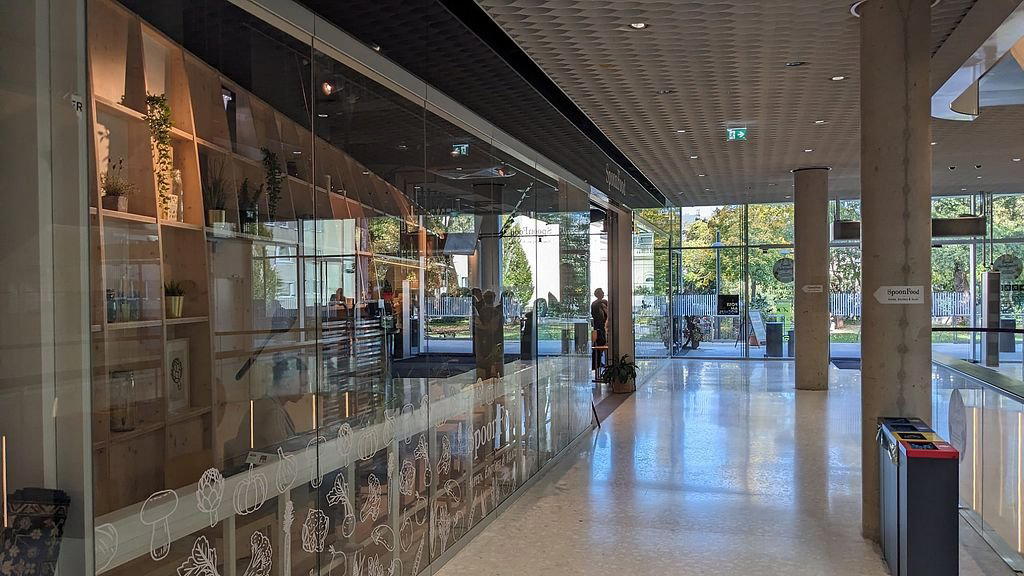
Vienna's 2nd District and the Dining Geography That Shapes It
Vienna's serious restaurant culture has historically concentrated along a corridor anchored by the 1st district and its immediate neighbours, where venues like Steirereck im Stadtpark and Konstantin Filippou operate at the upper tier of European fine dining. The 2nd district, Leopoldstadt, sits across the Donaukanal from that centre of gravity, and its dining identity has been in motion for some years now, pulled between neighbourhood accessibility and the ambitions of incoming operators who see space, relative affordability, and a younger residential population as the right conditions for something more serious than a bistro. SpoonFood is a restaurant in Vienna's Leopoldstadt, at Walcherstraße 1a, serving soups, stews, and salads at a casual, walk-in-friendly counter.
The address itself communicates something. Walcherstraße runs through a part of Leopoldstadt that is neither the postcard canal-side strip nor the deeper residential grid. It is the kind of location that signals a deliberate departure from the obvious, the sort of address that a restaurant chooses when the room and the concept, rather than inherited footfall, are meant to do the work. In European dining cities from Copenhagen to Lisbon, the pattern is familiar: meaningful restaurants often appear a district or two removed from where you would expect them, and the distance becomes part of the story.
The Sensory Register of a Room in Leopoldstadt
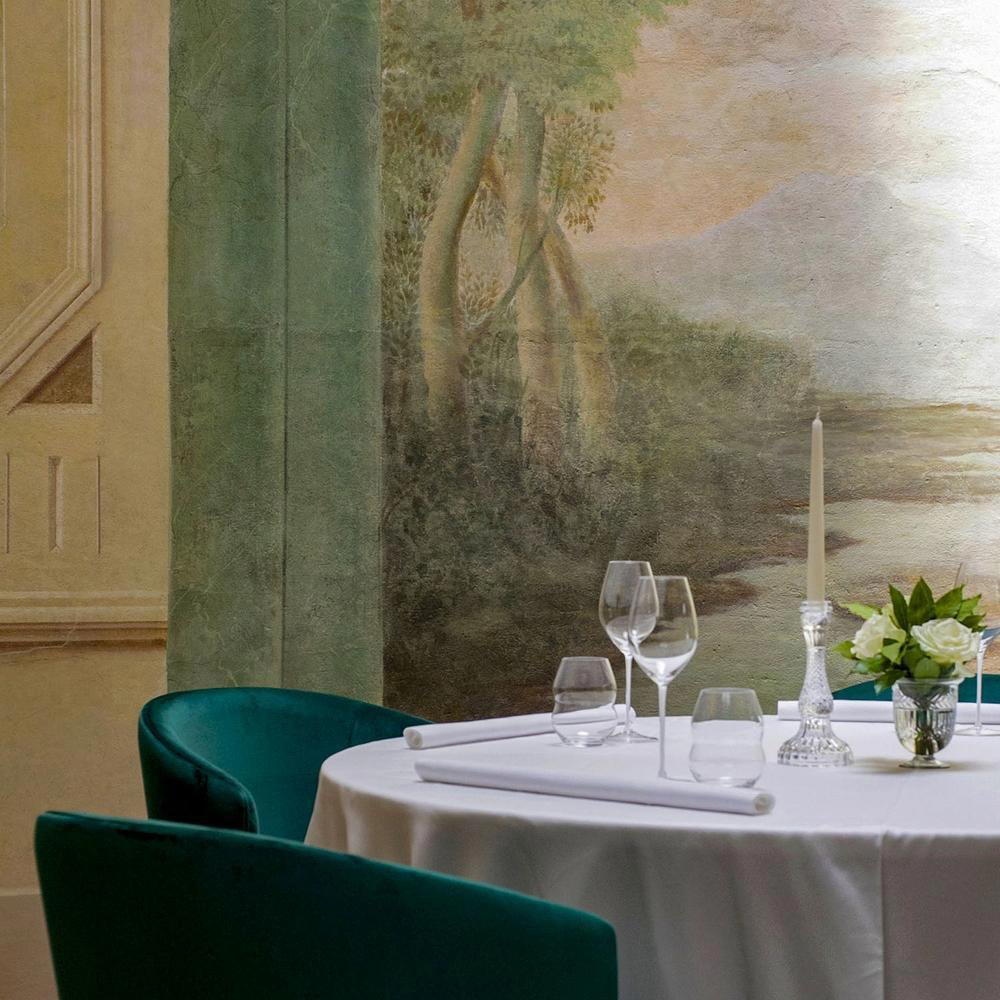
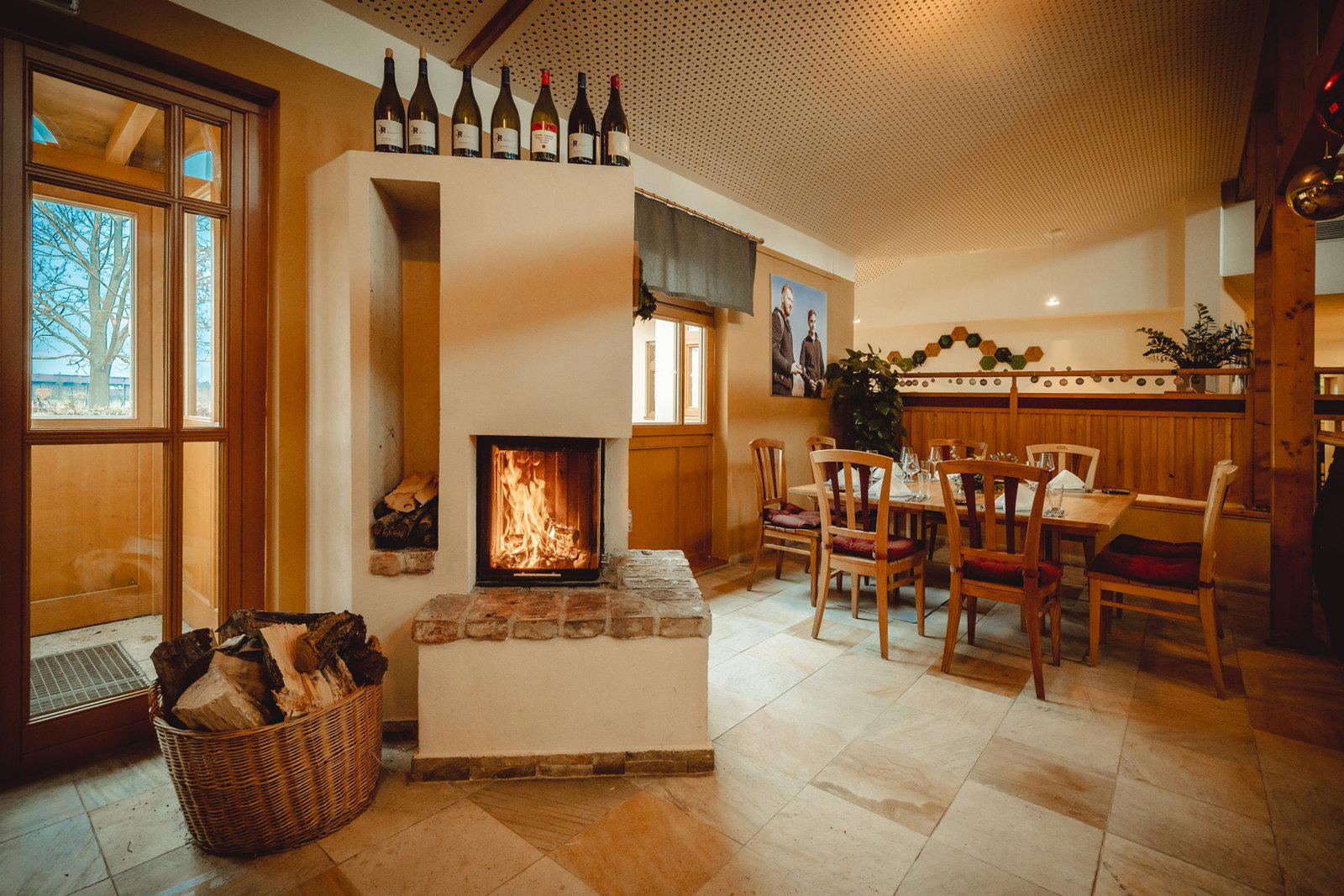
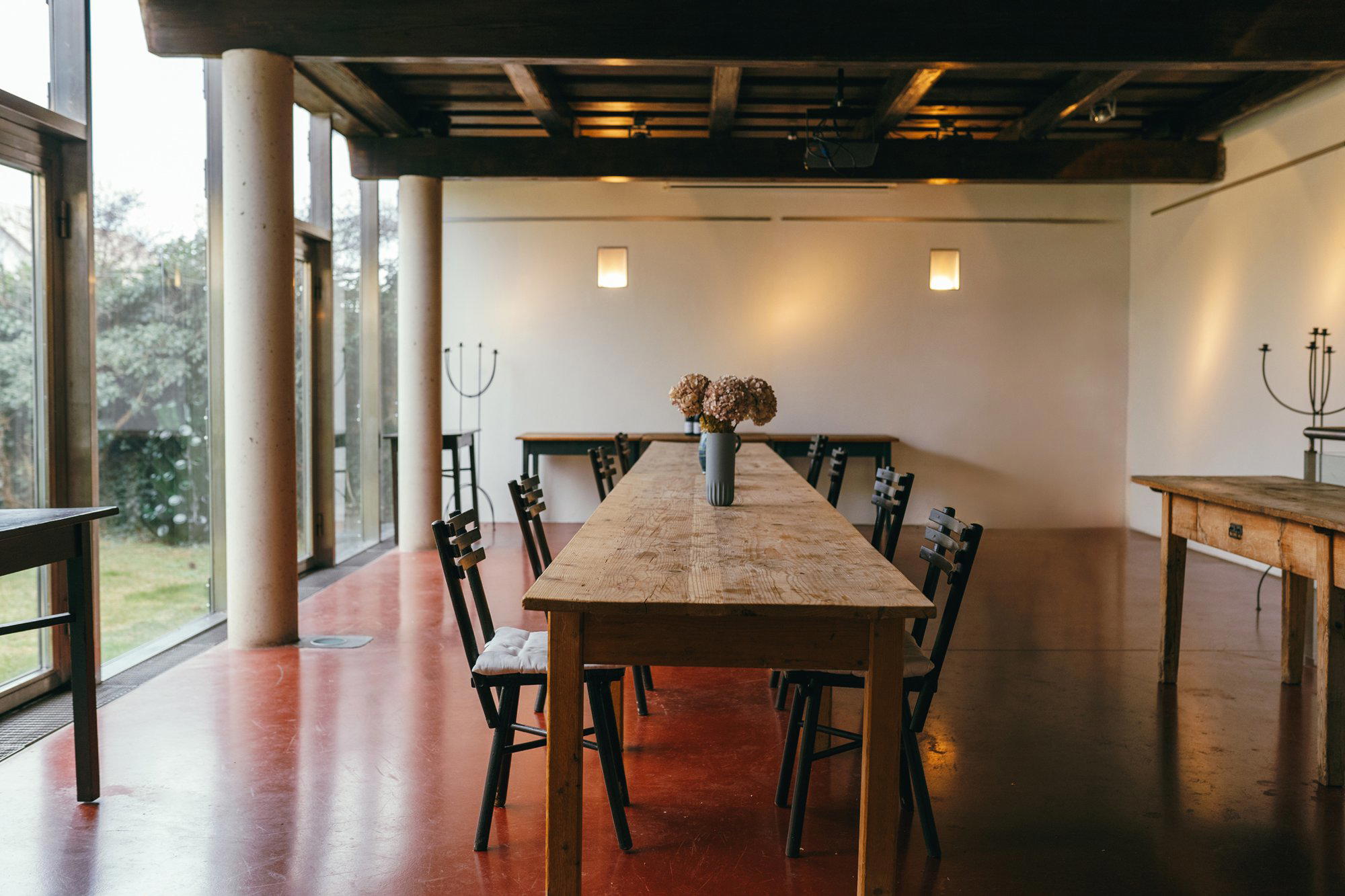
At this Vienna address, the room likely follows the practical, daytime rhythm of a casual neighborhood restaurant. The 2nd district's building stock runs toward late-19th-century Gründerzeit facades and interwar infill, with occasional post-reunification commercial insertions. A ground-floor restaurant in that context typically inherits either tall original windows that admit long afternoon light in the northern European manner, or a more compressed commercial unit that demands deliberate lighting design to create warmth. Either condition shapes the dinner experience before a plate arrives.
Vienna's better dining rooms have moved, over the past decade, away from the heavy formality that once defined Austrian fine dining, toward something quieter and more material-led. Exposed stone, natural textiles, and the kind of ambient sound level that allows conversation without effort are the markers of that shift. Mraz and Sohn in the 20th district represents one version of how a Vienna restaurant can operate at Michelin level while rejecting the traditional trappings of that tier. Amador occupies a different register entirely. SpoonFood's positioning within or against those poles remains, at this stage, a matter for the room to declare on its own terms.
Where SpoonFood Sits in Vienna's Competitive Set
The restaurants that define Vienna's upper dining tier in 2024 and into 2025 share certain structural characteristics: multi-course tasting formats, sourcing narratives rooted in Austrian regionalism or a deliberate departure from it, and price points that position them against peer cities rather than against local bistro culture. Doubek and the creative ambitions of Amador each represent a different answer to the question of how a Vienna restaurant builds its identity in an era when Austrian cuisine is no longer simply Viennese cuisine. The conversation has expanded to include Alpine sourcing, Central European fermentation traditions, and the influence of chefs trained across multiple European kitchens.
SpoonFood enters that conversation from a Leopoldstadt address. The restaurants that have drawn sustained critical attention in the past decade have frequently been those willing to operate outside the established geography of their city's dining map. That dynamic has played out in London, in Paris, and repeatedly in cities across the German-speaking world, where the willingness to work in an unexpected neighbourhood often correlates with a seriousness about the food itself.
For comparison across Austria's broader fine-dining geography, the pattern holds in different formats. Obauer in Werfen built its reputation in a small Salzburg province town. Landhaus Bacher in Mautern an der Donau operates along the Wachau wine road at a remove from any urban centre. Döllerer in Golling an der Salzach has made a mountain village address into a destination. Location, in Austrian serious dining, has rarely been the limiting factor it might appear to be.
The Wider Austrian Fine-Dining Frame
Austria's serious restaurant scene is more geographically distributed than its neighbour Germany's, which clusters heavily in Munich and a handful of other urban centres. Beyond Vienna, committed cooking appears in the Alpine resort corridor, from Griggeler Stuba in Lech and Gourmetrestaurant Tannenhof in Sankt Anton am Arlberg to Kräuterreich by Vitus Winkler in Sankt Veit im Pongau, and in smaller towns that operate as pilgrimage destinations for serious eaters. Schwarzer Adler in Hall in Tirol and Ois in Neufelden extend the map further. Ikarus in Salzburg operates on a rotating guest-chef model that places it in a category of its own. Restaurant 141 by Joachim Jaud in Mieming represents the Tyrolean contribution to that wider conversation.
Vienna's own position within that distributed landscape is that of a city with deep culinary infrastructure, trained service culture, and a tradition of all-day hospitality that runs from coffee house to late dinner. The city's Michelin-starred tier, while smaller than Paris or London, is coherent and competitive with comparable Central European capitals. A new entrant in Leopoldstadt operates against that backdrop and, by the same logic, benefits from Vienna's existing reputation as a dining destination for international visitors who arrive with calibrated expectations.
For those planning a broader Austrian dining trip, Vienna offers a wide range of restaurants to compare. Le Bernardin in New York and Atomix in New York City represent the kind of sustained critical and commercial success that sets the benchmark for what serious restaurants can achieve when concept and execution align over time.
Know Before You Go
- Address: Walcherstraße 1a, 1020 Wien, Austria
- District: Leopoldstadt (2nd district), east of the Donaukanal
- Price range: about €12 per person
- Getting there: The 2nd district is served by U-Bahn lines U1 and U2, with Praterstern as the primary hub for the Walcherstraße area
- Timing: Open Monday through Friday from 11 AM to 3 PM; closed Saturday and Sunday
Just the Basics
Comparable venues nearby, for context on price, style, and recognition.
| Venue | Cuisine | Price | Notes |
|---|---|---|---|
| SpoonFoodThis venue — the venue you are viewing | Not listed | $$ | Not listed |
| Topf & Deckel | Stephansdom, Healthy Seasonal Cantina | $$ | Not listed |
| Pepper & Ginny | Innere Stadt, Vegan Deli | $$ | Not listed |
| Café Schwarzenberg | Staatsoper, Traditional Viennese Café | $$ | Not listed |
| Der schöne Ernst | Not listed | $$ | Praterstern Wien Nord, Viennese Café & Aperitivo Bar |
| Grüner Kakadu | Not listed | $$ | Stephansdom, International Cocktail Bar with Tapas |
Continue exploring
More in Vienna
Restaurants in Vienna
Browse all →
Bars in Vienna
Browse all →

Hotels in Vienna
Browse all →
At a Glance
- Cozy
- Lunch
- Local Sourcing
Current opening hours
- Monday
- 11 AM–3 PM
- Tuesday
- 11 AM–3 PM
- Wednesday
- 11 AM–3 PM
- Thursday
- 11 AM–3 PM
- Friday
- 11 AM–3 PM
- Saturday
- Closed
- Sunday
- Closed
Hours can change for holidays and private events. Last verified .
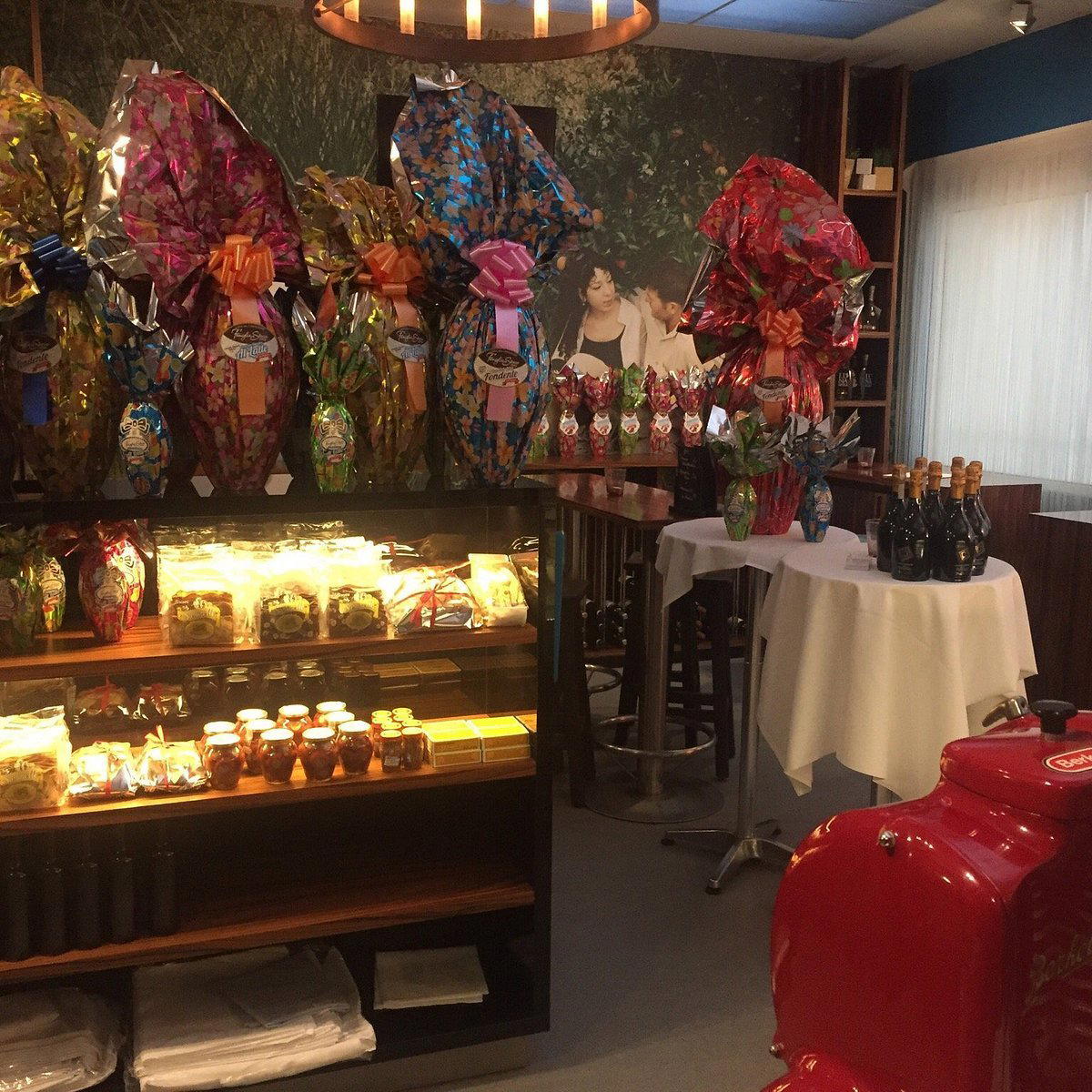
Cozy and efficient cafeteria-style atmosphere, busy during lunch hours.