
Tokyo’s Spanish dining tier is not built only on formal tasting rooms; its sharper value often sits in compact counters and bar-style rooms where seafood, wine and paella carry the argument. Spanish Ryouri Pablo in Nakameguro enters that conversation with Tabelog 100 Spanish cuisine selections in 2024 and 2026, a 23-seat format, and a paella-led identity that gives the meal a clear center of gravity.
Pearl is the En Primeur Club membership app — saves, bookings, and concierge access live there. Same editors, same standards.
- Address
- 東京都目黒区東山1-6-13 リテーラ中目黒102
- Phone
- +81364127286
- Website
- tabelog.com
 Saves & bookings on Pearl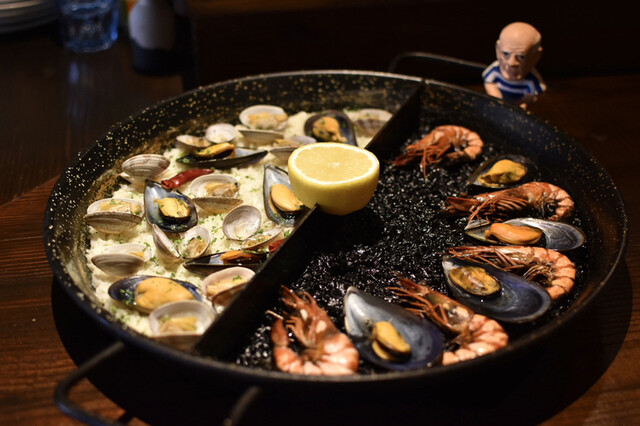
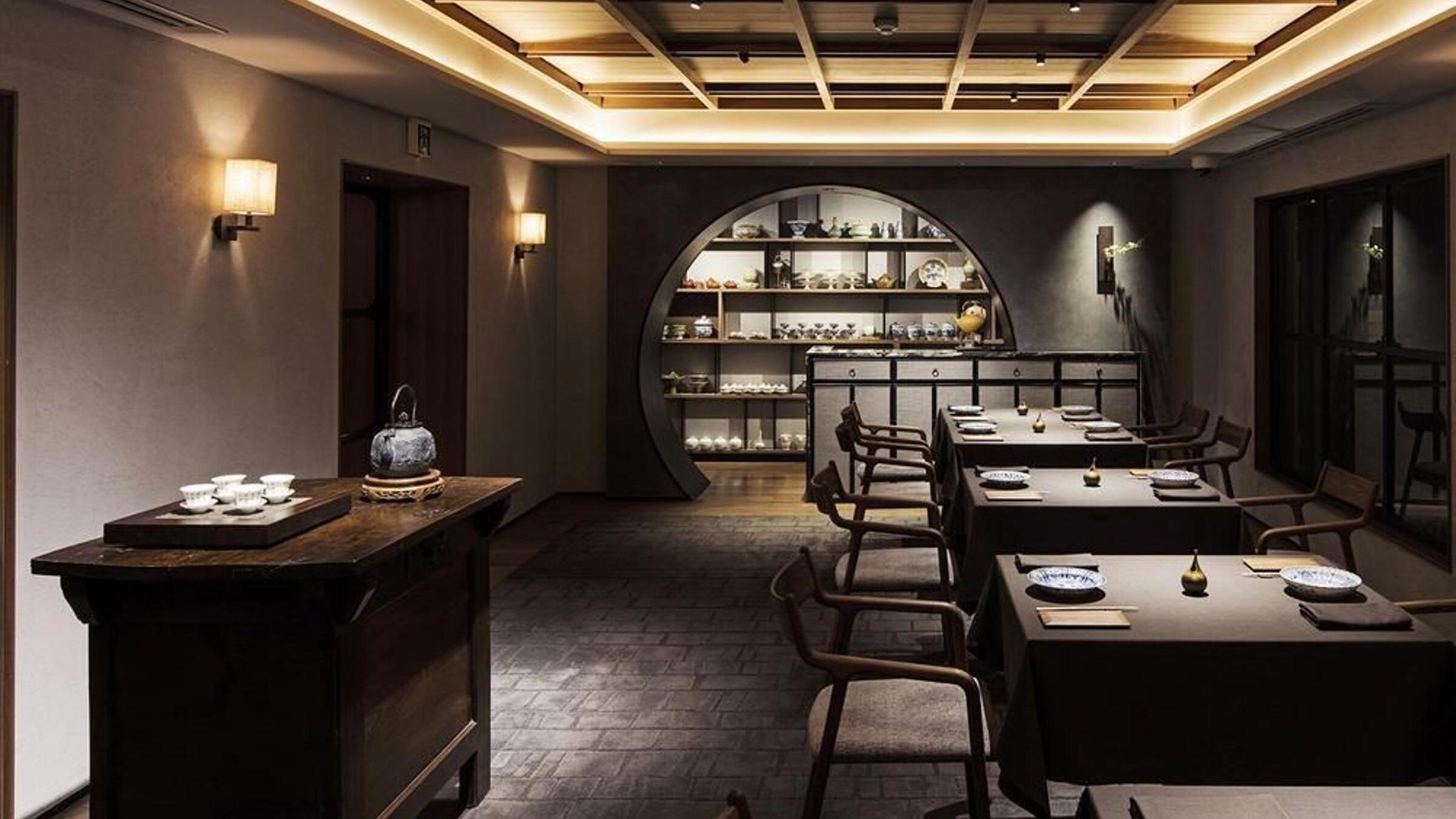
Approaching the quieter side of Nakameguro, the restaurant scale changes quickly: fewer grand entrances, more small rooms operating on confidence rather than ceremony. Spanish Ryouri Pablo belongs to that Tokyo category where the room does not need to announce luxury for the cooking to be taken seriously. The physical cues are compact and urban, with counter seating and an open-terrace element, which places the experience closer to a Spanish bar filtered through Tokyo’s precision than to a formal European dining room.
That distinction matters because Spanish food in Tokyo has often split into two camps: polished Iberian fine dining on one side, casual tapas-and-wine rooms on the other. The value at this address comes from sitting between those poles. The categories are Spanish, Spanish-style bar and seafood, but the stronger editorial point is the meal’s organizing idea: paella as a serious craft rather than a table-filler. In a city where omakase counters and kappo rooms have trained diners to read technique in small gestures, rice cookery gives Spanish dining a comparable grammar.
Paella gives the meal its structure, not just its finale
Tokyo diners are used to specialization. Sushi, tempura, yakitori and soba all reward rooms that commit to a narrow craft. Spanish Ryouri Pablo applies that logic to Spanish cooking through a paella-led format, backed by a chef credential that has public weight: representation for Japan in the World Paella Championship in 2016 and 2017, plus domestic tapas competition recognition in 2018 and 2019. Those facts are not decorative biography; they explain why the restaurant’s Spanish identity reads as skill-based rather than theme-based.
Paella is often misunderstood outside Spain as abundance first and technique second. The better Tokyo versions treat rice as the test: grain integrity, stock absorption, heat control and timing. That makes the format unusually compatible with the city’s dining culture. It is not necessary to turn the meal into a luxury tasting menu for the cooking to register. The point is focus, and the restaurant’s Tabelog 100 Spanish cuisine selections in 2024 and 2026 suggest that local diners have recognized the same distinction.
The seafood component also places the restaurant in a useful Tokyo context. Spanish coastal cooking has an obvious affinity with Japan’s fish culture, but the crossover works only when the kitchen avoids turning every plate into a fusion argument. Here, the public positioning is more disciplined: Spanish, bar-style, seafood, wine and paella. That is enough information to understand the appeal. The room is small enough to keep the meal intimate, but the concept is not so rarefied that it excludes weeknight dining.
Tokyo value is increasingly found below the trophy-counter tier
For visitors building a Tokyo dining schedule, the city’s headline restaurants can distort the price conversation. The trophy counters set expectations around scarcity, ceremony and high fixed-menu spending. Spanish Ryouri Pablo belongs to a more practical middle tier, where recognition, specialization and a small room can coexist without the financial weight of a prestige omakase. That is the main value proposition: a focused Spanish meal with award-list visibility, without behaving like a temple of fine dining.
The comparison is clearest against other Tokyo formats. Tori Go and TEN-MASA represent Japanese traditions with different price logic and diner expectations; Steak Dining Vitis occupies a steakhouse lane; unito sits in a higher-spend bracket; Mahakala reflects another side of Tokyo’s neighborhood dining fabric. None is a direct substitute for a paella-centered Spanish bar, which is precisely why this category is useful for a second or third Tokyo dinner after the expected sushi, yakitori or kaiseki reservations are already in place.
Nakameguro helps the argument. The area has long been good at absorbing international formats without turning them into hotel-dining theater. Independent rooms can feel local even when the cuisine is imported, and Spanish food benefits from that looseness: wine, rice, seafood and shared plates make more sense in a neighborhood with after-work energy than in a sealed dining room built only for anniversaries. The restaurant’s non-smoking policy and compact seat count sharpen the experience further, because bar-style dining in Tokyo can otherwise vary widely in comfort.
How it fits into a Tokyo itinerary
This is a smart choice when the evening calls for specificity rather than spectacle. The ideal reader is not looking for a long parade of rare ingredients or a chef’s personal manifesto. The better reason to come is to see how Tokyo handles a Spanish staple when the kitchen’s identity is anchored in competition-level paella credentials and the meal is supported by wine, seafood and tapas-style cooking.
It also works as a counterweight in a broader itinerary. Nearby or citywide restaurant alternatives on EP Club range from. 鮪と炭火焼き うお炭 秋葉原店, 12/10 Shinjuku ten, 124. KAGURAZAKA (Yakitori), 2D Cafe and 3 Chome no Curry Ya San to broader Japan and overseas references such as -Grilled beef Sukiyaki- KAMAKURA TANUKIAN 鎌倉 たぬき庵 in Kamakura.cafe in Osaka.know in Kumamoto, (Shoku) Vietnam in Kawasaki, [Curry Senmon Ten] Maruyama Kyoju. in Sapporo, [ki:] in Kyoto, Jōdo Saké Bar in Los Angeles and Onigiri Time in Pasadena.
The editorial verdict is simple: the restaurant is strongest as a value play for diners who care about craft signals more than room grandeur. The Tabelog 100 Spanish cuisine recognition supplies a credible external marker, the paella credentials explain the restaurant’s center, and the Nakameguro setting keeps the meal grounded in Tokyo’s neighborhood dining culture.
Peers Worth Knowing
Side-by-side context: comparable cuisine and price.
| Venue | Cuisine | Price | Notes |
|---|---|---|---|
| Spanish Ryouri PabloThis venue — the venue you are viewing | Spanish tapas & paella bar | $$$ | Not listed |
| Fonda Sant Jordi | Authentic Catalan Spanish Restaurant & Wine Bar | $$$ | Shibuya |
| Bar Porteno | Spanish & South American Wine Bar | $$$ | Sumida |
| GinaGina | Modern Spanish Fusion | $$$ | Minato |
| オガサワラ レストラン | Modern Spanish Fine Dining | $$$$ | Shinjuku |
| El Pescador | Traditional Spanish (Basque‑influenced) restaurant | $$$ | Meguro |
Recognition history
Dated appearances from independent guides and award organizations, with the underlying list record or original source where available.
Tabelog 100 #68 · No. 68
Tabelog · Tabelog 100 - Spanish cuisine - 2026














At a Glance
- Cozy
- Lively
- Trendy
- Intimate
- Date Night
- After Work
- Group Dining
- Casual Hangout
- Celebration
- Special Occasion
- Chefs Counter
- Terrace
- Standalone
- Extensive Wine List
A stylish, compact Spanish-style bar with counter seats and a bit of open-terrace space, creating a cozy yet lively atmosphere that suits dates, small groups, and after-work dinners over tapas and paella.