spaetrot
Our verdict
Spaetrot sits at the edge of Gumpoldskirchen, a wine-growing village south of Vienna where the Thermenlinie's chalky soils have shaped Austrian viticulture for centuries. The address alone, Wr. Str. 1, places it at the town's main artery, where the vineyards begin their climb toward the Anninger hills. For visitors tracing Austria's regional dining scene beyond the capital, Gumpoldskirchen offers a quieter, terroir-rooted alternative worth the short journey south.

Pearl is the En Primeur Club membership app, where members save venues, book tables and use the concierge.
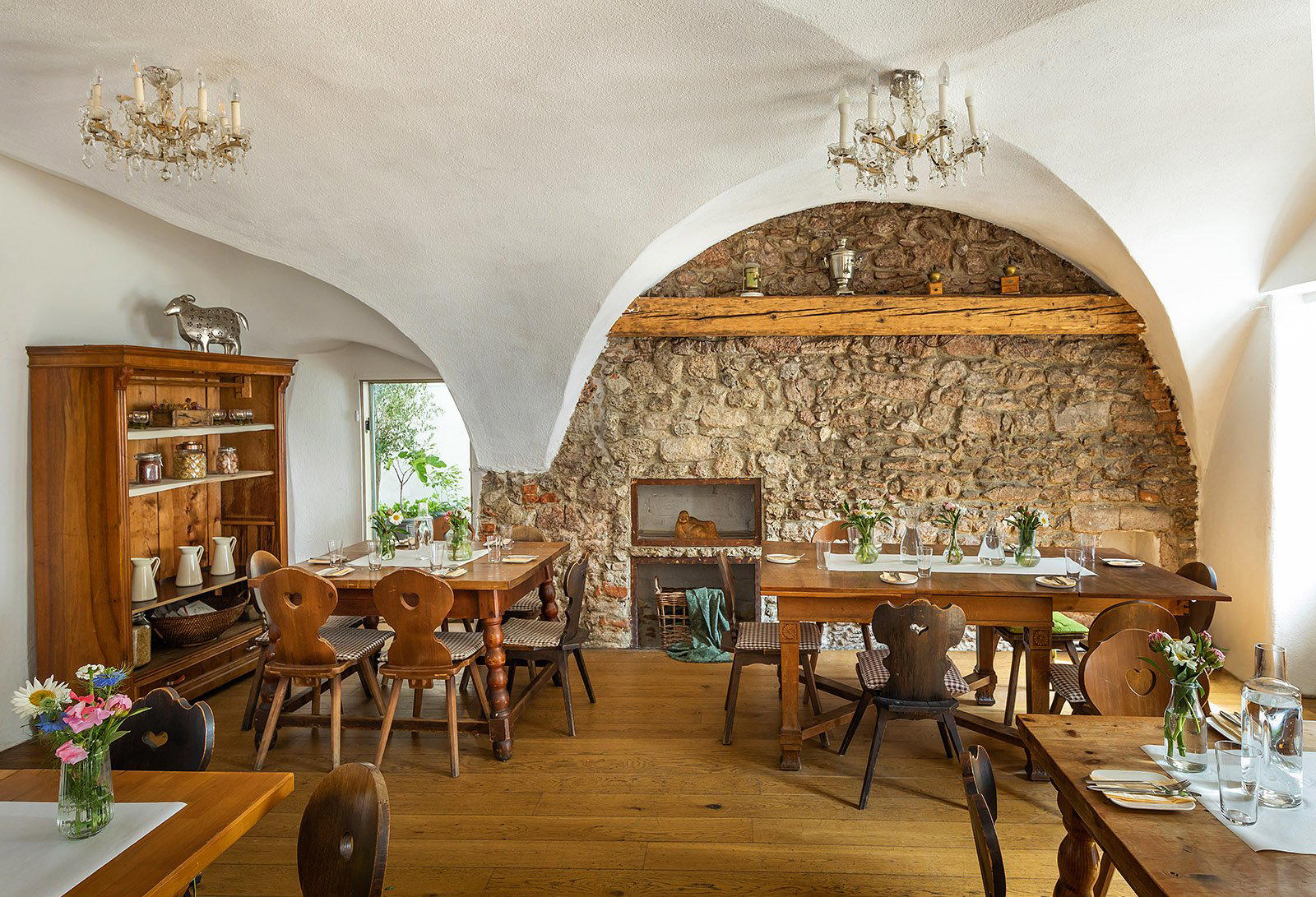
Where the Vineyards Meet the Table: Gumpoldskirchen's Dining Position
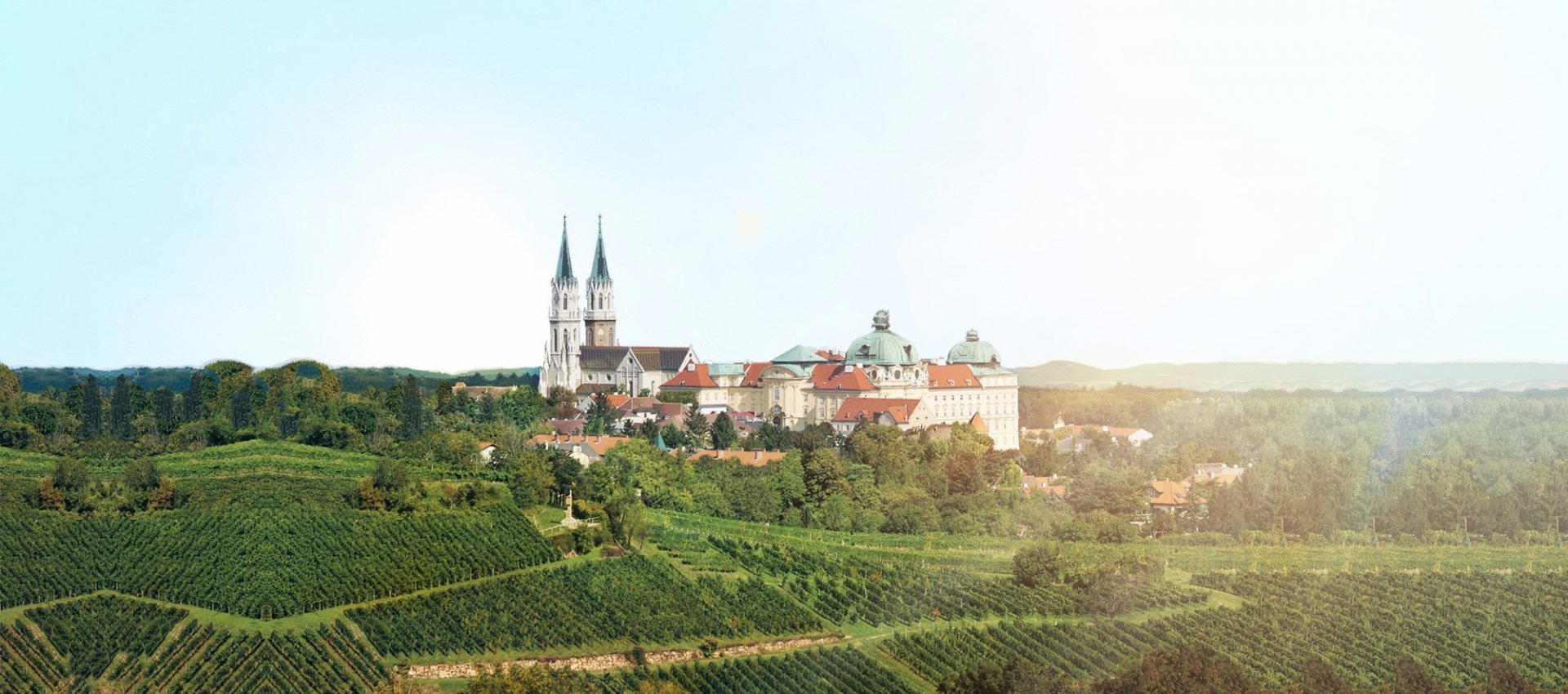
The Thermenlinie, the narrow wine corridor running south of Vienna along the eastern edge of the Vienna Woods, produces some of Austria's most distinctive white wines, Zierfandler and Rotgipfler in particular, grape varieties so site-specific they are grown almost nowhere else on earth. Gumpoldskirchen sits at the heart of this corridor, a small market town whose main street, the Wiener Strasse, doubles as the boundary between the built village and the vine-covered slopes above it. Arriving on foot or by car, the transition from suburban Vienna to working wine country happens quickly: the architecture shifts to low, cream-coloured Biedermeier facades, and the air carries the particular dryness of chalky hillside soils. Spaetrot is addressed at Wr. Str. 1, the opening number of that main street, which places it at the precise threshold between town and vineyard.
That geography is not incidental. In Austria's regional dining tradition, proximity to agricultural source material carries real weight. The Heuriger culture that defines much of Lower Austria's food and wine scene is built on the idea that what grows nearby is what arrives on the table, a philosophy that long predates the modern farm-to-fork language that global restaurant marketing now deploys so freely. Gumpoldskirchen's restaurants and wine taverns have operated within that logic for generations, drawing on the village's own grape harvests and on the market gardens and small producers of the surrounding Mödling district.
Ingredient Sourcing and the Thermenlinie Tradition
Austria's most celebrated regional restaurants share a common editorial thread: sourcing is not a branding exercise but a structural decision that shapes the menu from season to season. At Landhaus Bacher in Mautern an der Donau, the Wachau's particular agricultural character, apricots, pike-perch, local dairy, defines the kitchen's rhythm as much as any individual chef decision. At Döllerer in Golling an der Salzach, Alpine sourcing from the surrounding Salzach valley is the explicit premise of the cooking. The Thermenlinie presents its own sourcing logic: wine-country vegetables, game from the hills above the village, and fish from the nearby rivers, all framed by the white wines the region produces with a confidence matched by few Austrian sub-appellations.
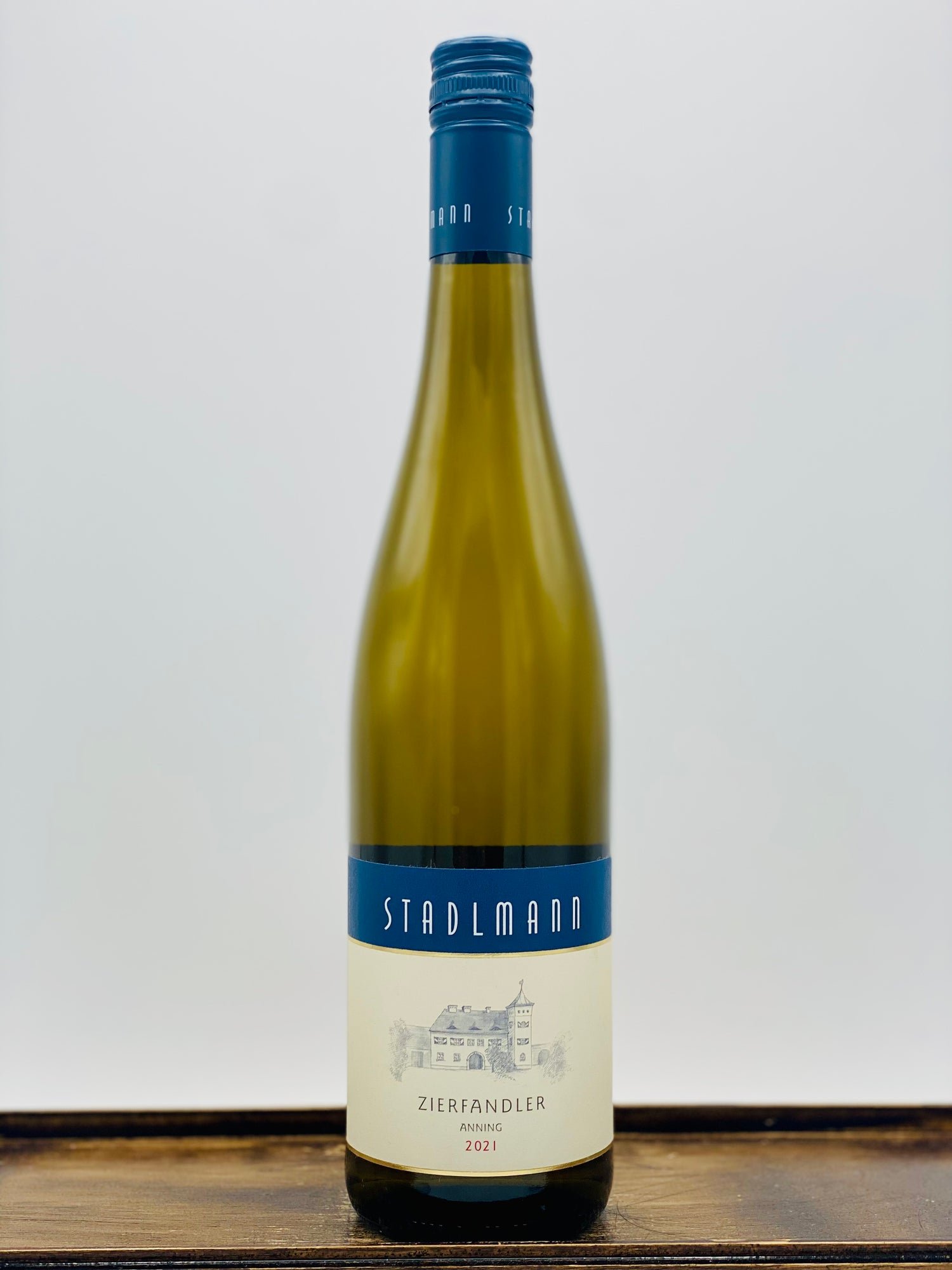
Gumpoldskirchen's position on the wine map also means that any serious dining address in the village operates within a wine-pairing context that most Austrian towns cannot match. The local Zierfandler and Rotgipfler grapes produce wines of considerable body and age-worthiness, capable of matching the richer preparations that Austrian autumn and winter cooking tends toward. For a restaurant on Wr. Str. 1, the cellar is as much a reflection of place as the kitchen. This is the kind of setting where the wine list and the food menu are not parallel documents but a single argument about what this particular stretch of Austrian countryside produces.
The Austrian Regional Dining Scene: Context for Gumpoldskirchen
Austria's fine dining conversation tends to centre on Vienna and on a handful of prestige addresses in the Alpine west, Steirereck im Stadtpark in Vienna, Ikarus in Salzburg, Griggeler Stuba in Lech, and Gourmetrestaurant Tannenhof in Sankt Anton am Arlberg. But Lower Austria's wine country villages, including Gumpoldskirchen, represent a separate and in some ways older dining tradition, one grounded in the Heuriger model, in seasonal agricultural cycles, and in a regional wine culture that has shaped what ends up on the plate for far longer than any contemporary tasting-menu trend.
The contrast is worth stating plainly. In Vienna, restaurants like Steirereck operate in an urban creative register that draws on Austrian ingredients but transforms them through a sophisticated technical lens. In the Thermenlinie villages south of the city, the register is different, closer to the land, less mediated by technique, and more legible as a direct expression of local agricultural character. Neither approach is more valid; they represent different answers to the question of what Austrian cuisine is and what it should be doing. For visitors who have already covered the Vienna fine-dining circuit, the wine villages of Lower Austria offer a genuinely different perspective on the country's food culture.
Comparable regional addresses in the Austrian countryside, Taubenkobel in Schützen am Gebirge, Obauer in Werfen, or Ois in Neufelden, each demonstrate how a strong regional identity, when it anchors a kitchen's ingredient sourcing, produces food that reads as genuinely specific rather than generically European. Gumpoldskirchen sits within that tradition.
Planning a Visit
Gumpoldskirchen is accessible from Vienna by S-Bahn on the S2 line, a journey of roughly thirty minutes from the city centre to Gumpoldskirchen station, from which the main street and Wr. Str. 1 are a short walk. The town is also within easy driving distance for visitors based in central Vienna, and the surrounding area rewards a half-day or full-day visit combining a meal with a walk through the vineyard paths above the village. For specific booking arrangements, hours of operation, and current menu details for Spaetrot, contacting the venue directly via its address at Wr. Str. 1, 2352 Gumpoldskirchen is advisable, as phone and online booking details are not currently listed. The broader Gumpoldskirchen dining and wine scene is covered in our full Gumpoldskirchen restaurants guide.
For those building a wider Austrian itinerary, the Thermenlinie positions naturally as a southern extension of a Vienna trip rather than a standalone destination. Pairing a visit to Gumpoldskirchen with dinner at Artis in Graz or lunch at Atelier Fischer in Sankt Gilgen on a longer Austrian circuit makes geographic and culinary sense, covering the country's distinct regional registers without unnecessary doubling back. For those interested in how Austria's wine-country dining compares to similarly sourcing-led restaurants at the international level, the contrast with places like Le Bernardin in New York City or Atomix in New York City illustrates how radically different the relationship between kitchen and terroir can be across different dining cultures.
Frequently asked questions
Would spaetrot be comfortable with kids?
Gumpoldskirchen's dining culture skews toward unhurried, adult-oriented meals shaped by the surrounding wine tradition, and Spaetrot at Wr. Str. 1 sits squarely in that register. Families with older children who are comfortable at a table-service pace will likely find it easier going than those with very young children. Specific family facilities are not documented so contacting Spaetrot directly before visiting with young children is advisable.
What's the overall feel of spaetrot?
Spaetrot occupies the main Wienerstrasse artery of Gumpoldskirchen, a compact village whose identity is built around the Thermenlinie wine corridor running south of Vienna. The setting suggests a grounded, regional character rather than an urban fine-dining formality. Expect a pace and atmosphere shaped by the vineyard village around it, where the wine list and the provenance of ingredients tend to do more of the talking than the room itself.
Is Spaetrot a good base for exploring Gumpoldskirchen's wine scene?
Spaetrot's address at Wr. Str. 1 places it directly on Gumpoldskirchen's main street, which serves as the spine of one of Austria's most historically documented wine villages in the Thermenlinie corridor. The village is reachable in roughly thirty minutes from central Vienna via the S2 S-Bahn line, making a combined meal-and-wine-tasting itinerary across the village entirely practical in a half-day. Gumpoldskirchen's producers, including those working the indigenous Rotgipfler and Zierfandler varieties, are within walking distance of the address.
What's the must-try dish at spaetrot?
What is clear is that restaurants in Gumpoldskirchen draw on the Thermenlinie's distinctive produce tradition, where Rotgipfler and Zierfandler grapes dominate the local wine identity and regional sourcing shapes the kitchen's output. Visiting with an appetite guided by the seasonal menu on arrival is the most reliable approach.
Where is spaetrot in Gumpoldskirchen?
spaetrot is located at Wr. Str. 1, 2352 Gumpoldskirchen, Austria, Gumpoldskirchen.
Can I walk in to spaetrot?
Booking policies for Spaetrot have not been publicly documented. In Gumpoldskirchen, a village that draws day-trippers from Vienna along the S2 S-Bahn line, demand at well-regarded addresses can outpace walk-in availability, particularly on weekends. Reserving in advance through direct contact with the venue at Wr. Str. 1, 2352 Gumpoldskirchen, is the lower-risk approach.
What's spaetrot best at?
Without documented menu specifics or published critic assessments, the strongest signal comes from context: Spaetrot is positioned on the main street of Gumpoldskirchen, a village whose culinary identity is inseparable from the Thermenlinie wine corridor. Restaurants that endure in this setting tend to do so by anchoring their offer to local wine pairings and regional Austrian produce. That structural logic points toward wine-led, regionally sourced cooking as the venue's likely core strength.
In Context: Similar Options
Comparable venues nearby, for context on price, style, and recognition.
| Venue | Cuisine | Price | Awards | Notes |
|---|---|---|---|---|
| spaetrotThis venue (the venue you are viewing) | Modern Austrian Heuriger | $20–30 | Not listed | Not listed |
| Café Anzengruber | Traditional Austrian with Croatian influences | $20–30 | Not listed | Wieden |
| Görg | Seasonal Austrian Fine Dining | Not listed | Michelin Plate | Eichbüchl |
| Futterboden | Viennese-Mediterranean Fusion | $20–30 | Not listed | Rudolfsheim |
| Silberwirt | Traditional Viennese Beisl | $20–30 | Not listed | Margareten |
| Schwabl | Traditional Austrian Wirtshaus | $20–30 | Not listed | Prater |
Continue exploring
More in Gumpoldskirchen
Restaurants in Gumpoldskirchen
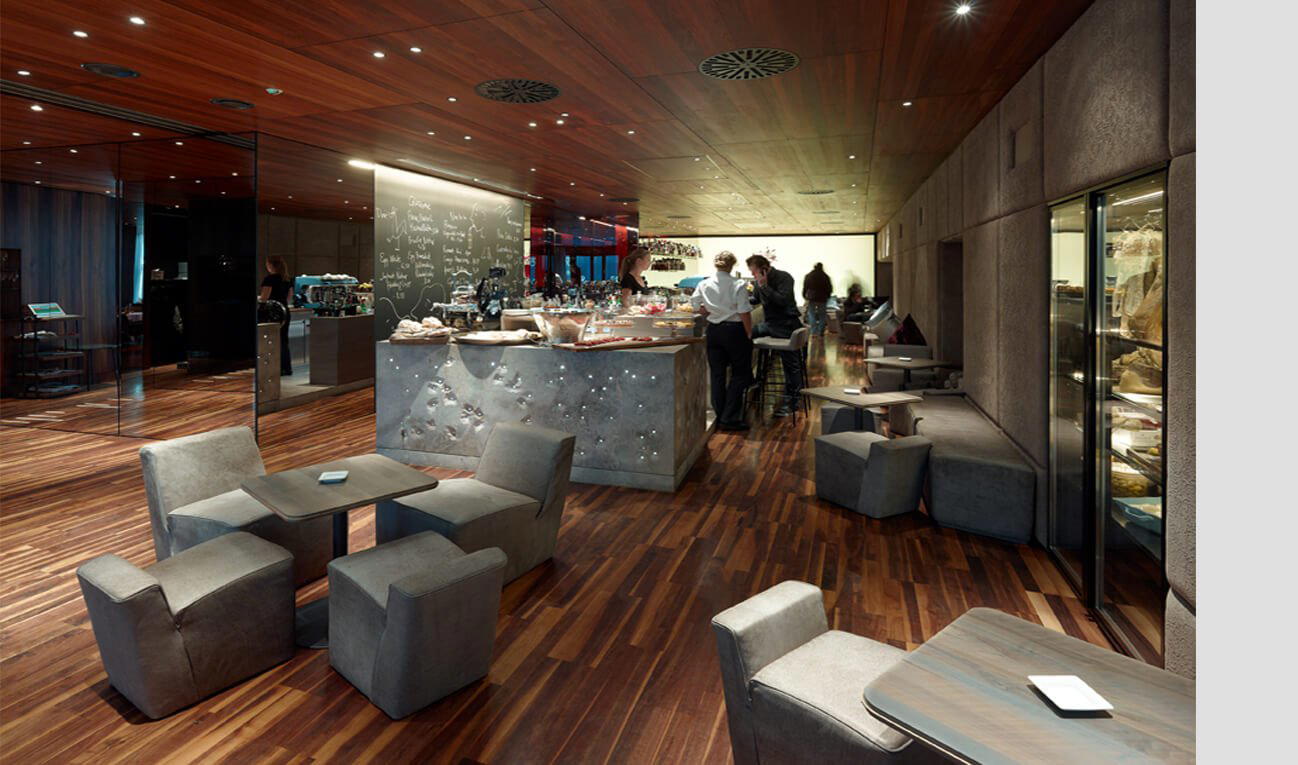
All restaurants in Gumpoldskirchen →![[aend] restaurant in Vienna](https://cdn.enprimeurclub.com/storage/v1/object/public/images/locations/recsVyRkMfzCxPmp0/hero2.jpg?width=3840&quality=75)
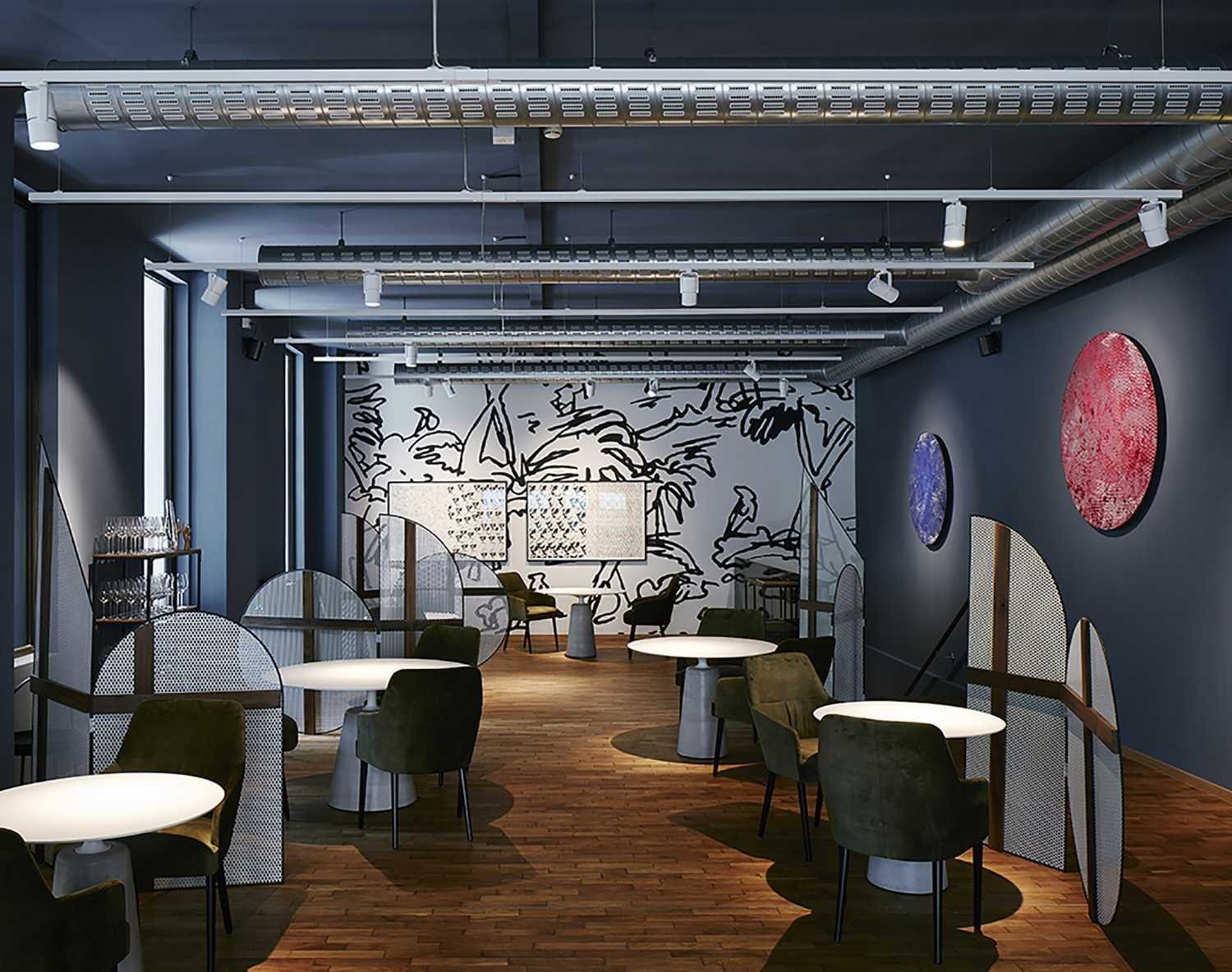
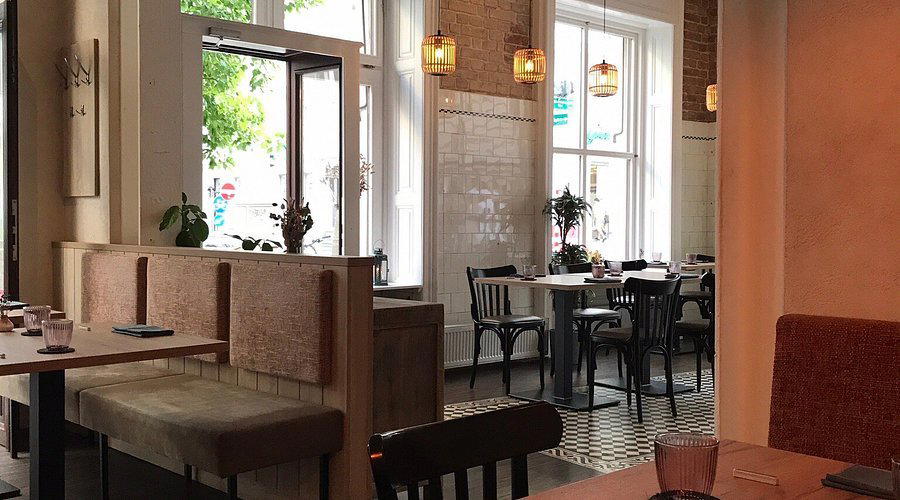
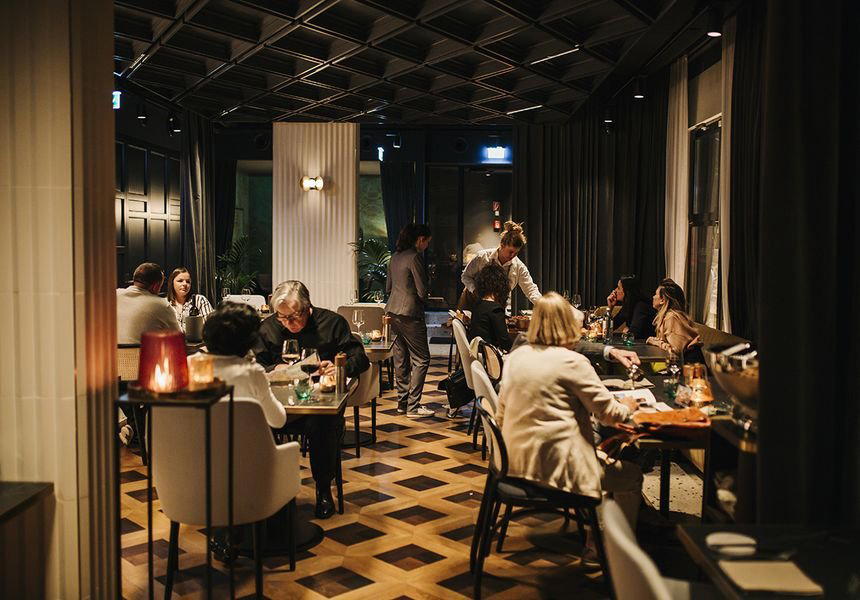
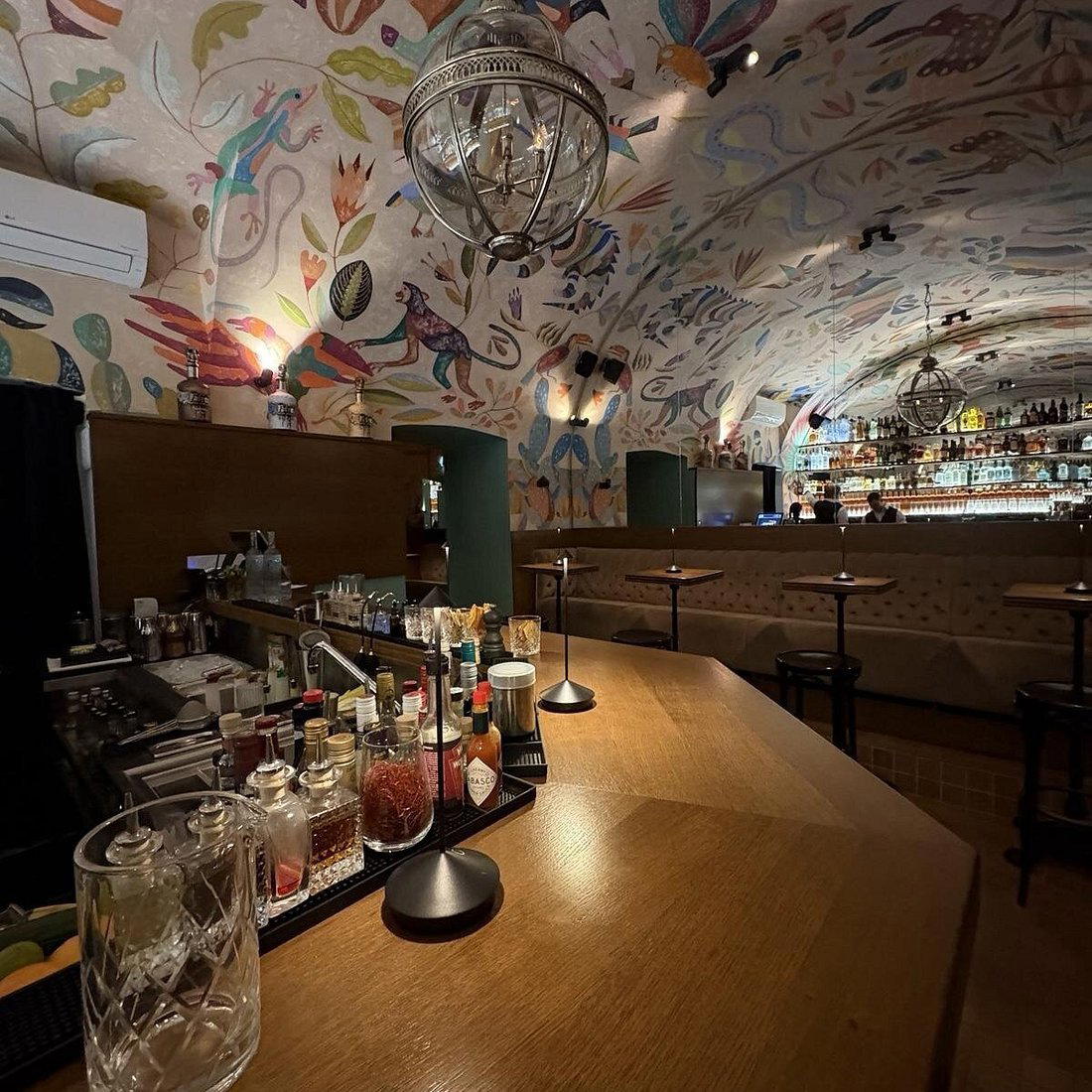
Bars in Gumpoldskirchen
Browse all →
Hotels in Gumpoldskirchen
Browse all →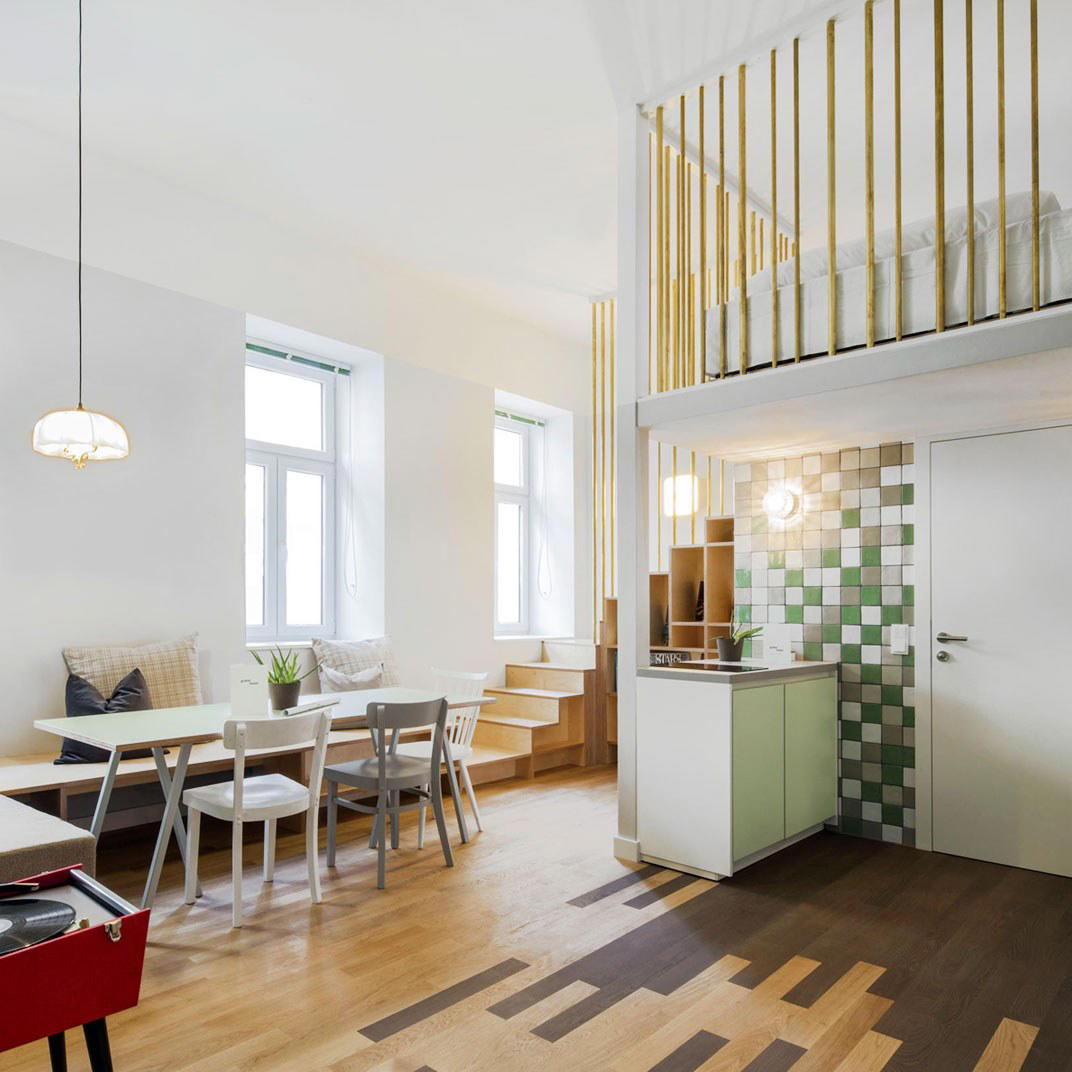

Details
- Rustic
- Cozy
- Classic
- Date Night
- Casual Hangout
- Courtyard
- Extensive Wine List
- Farm To Table
- Organic
- Local Sourcing
- A La Carte
- Vegetarian Friendly
Current opening hours
- Monday
- 12–11 PM
- Tuesday
- Closed
- Wednesday
- Closed
- Thursday
- 12–11 PM
- Friday
- 12–11 PM
- Saturday
- 12–11 PM
- Sunday
- 12–11 PM
Hours can change for holidays and private events. Hours as of .
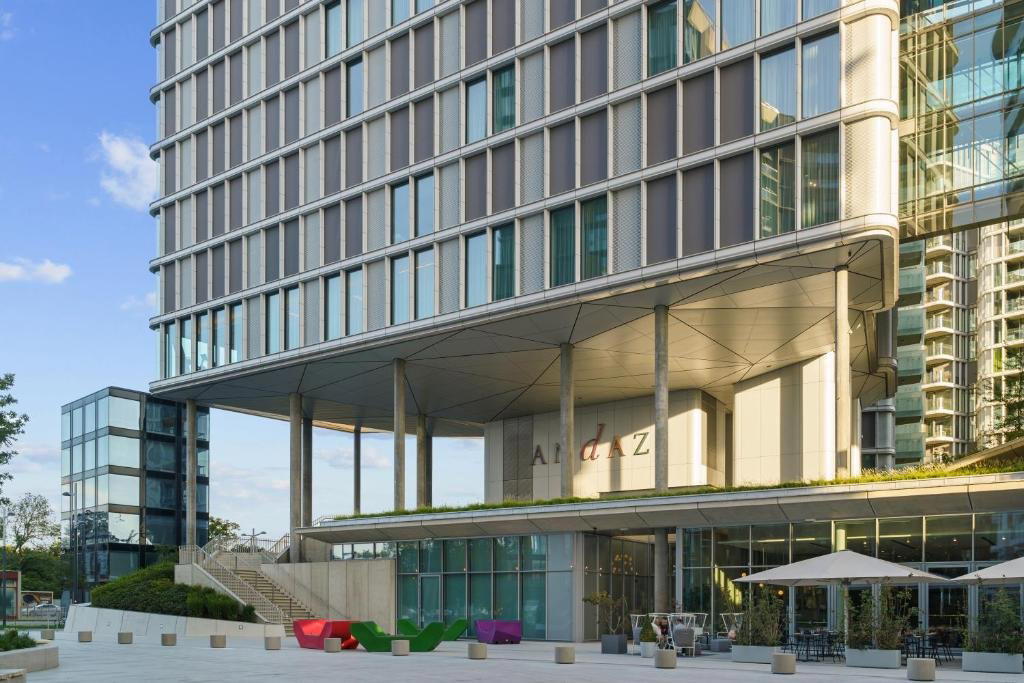
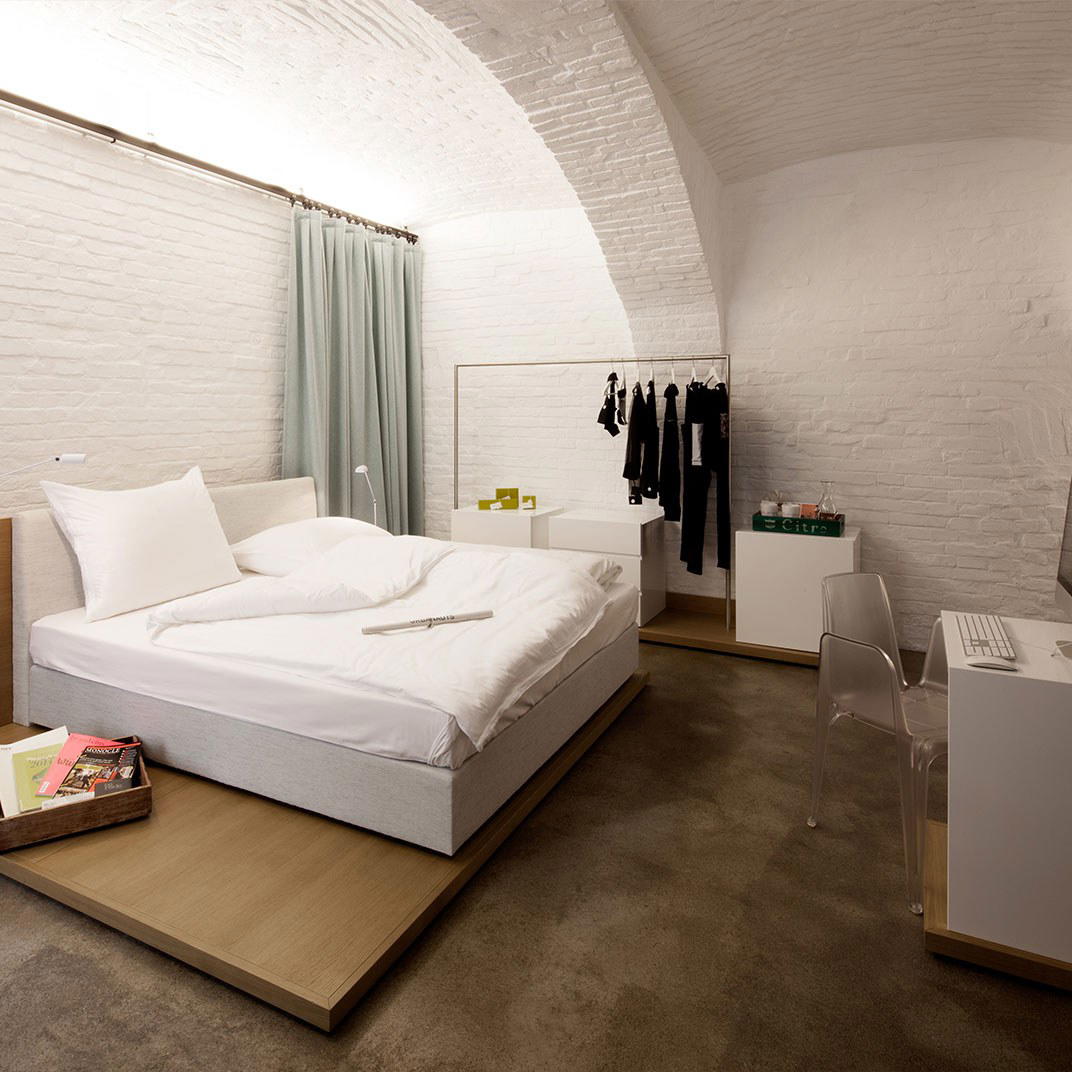
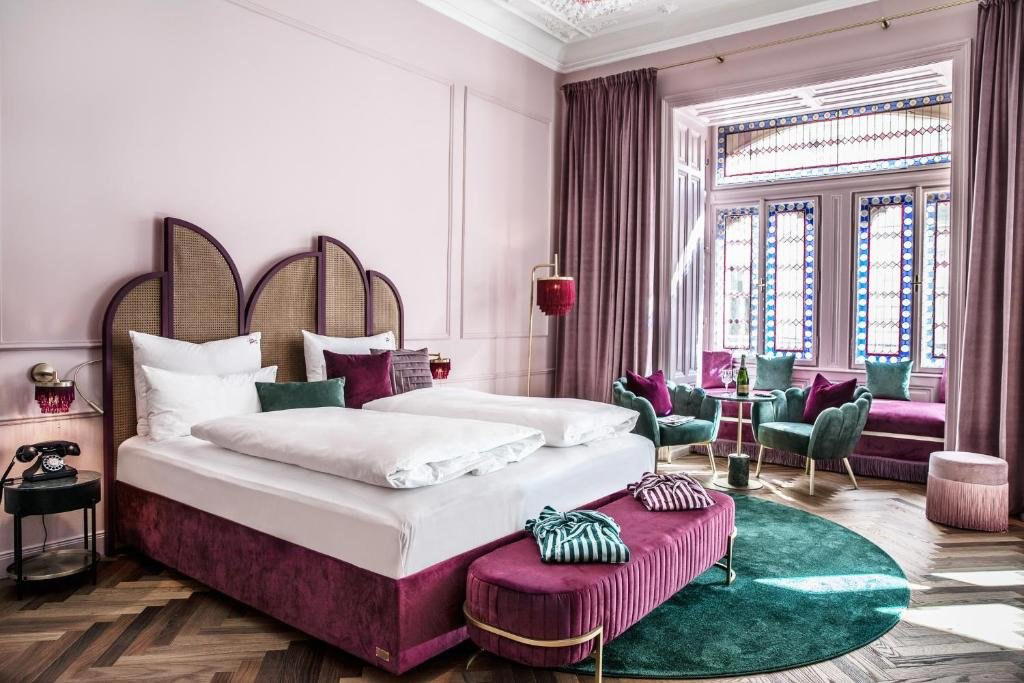
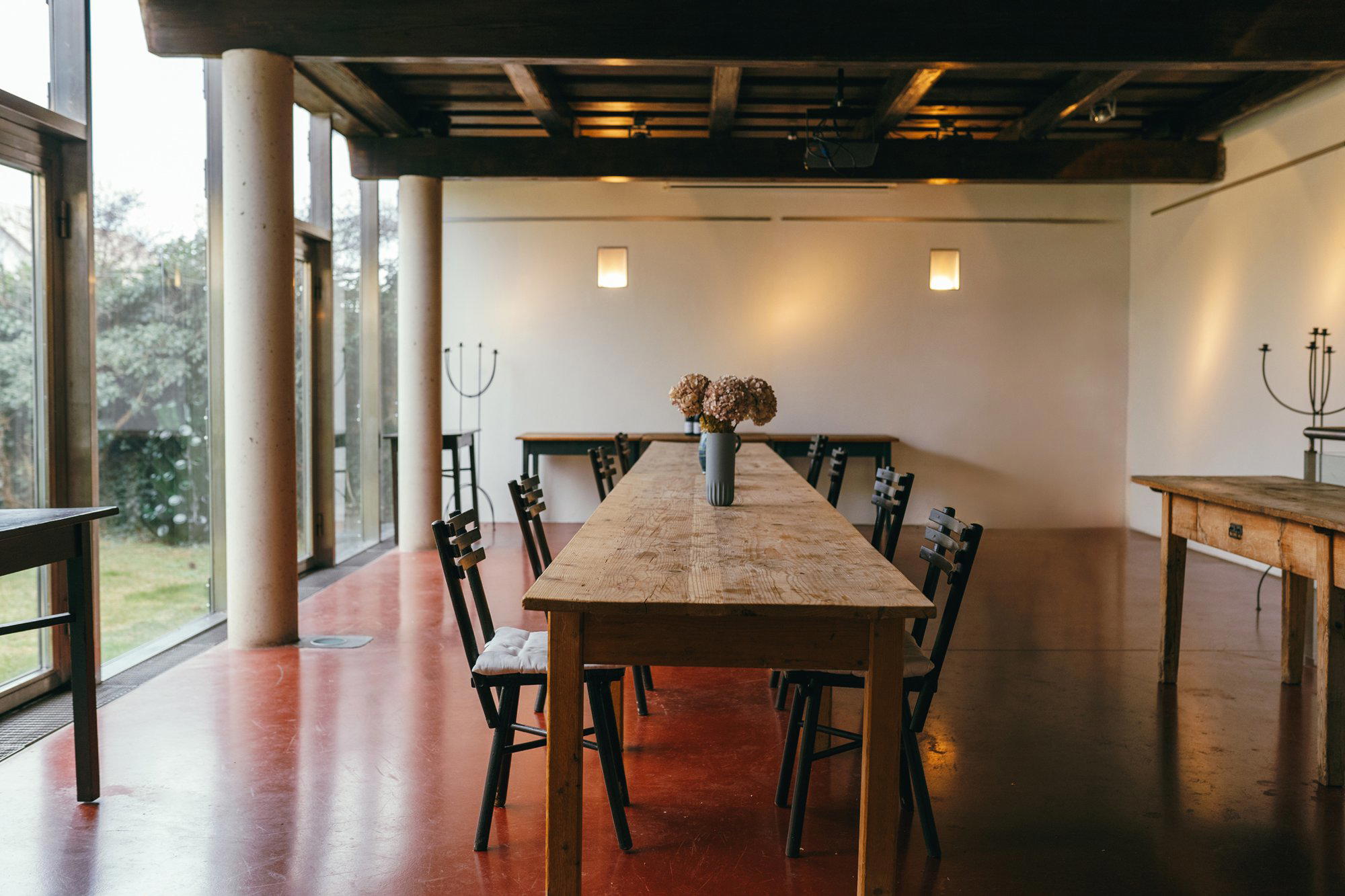
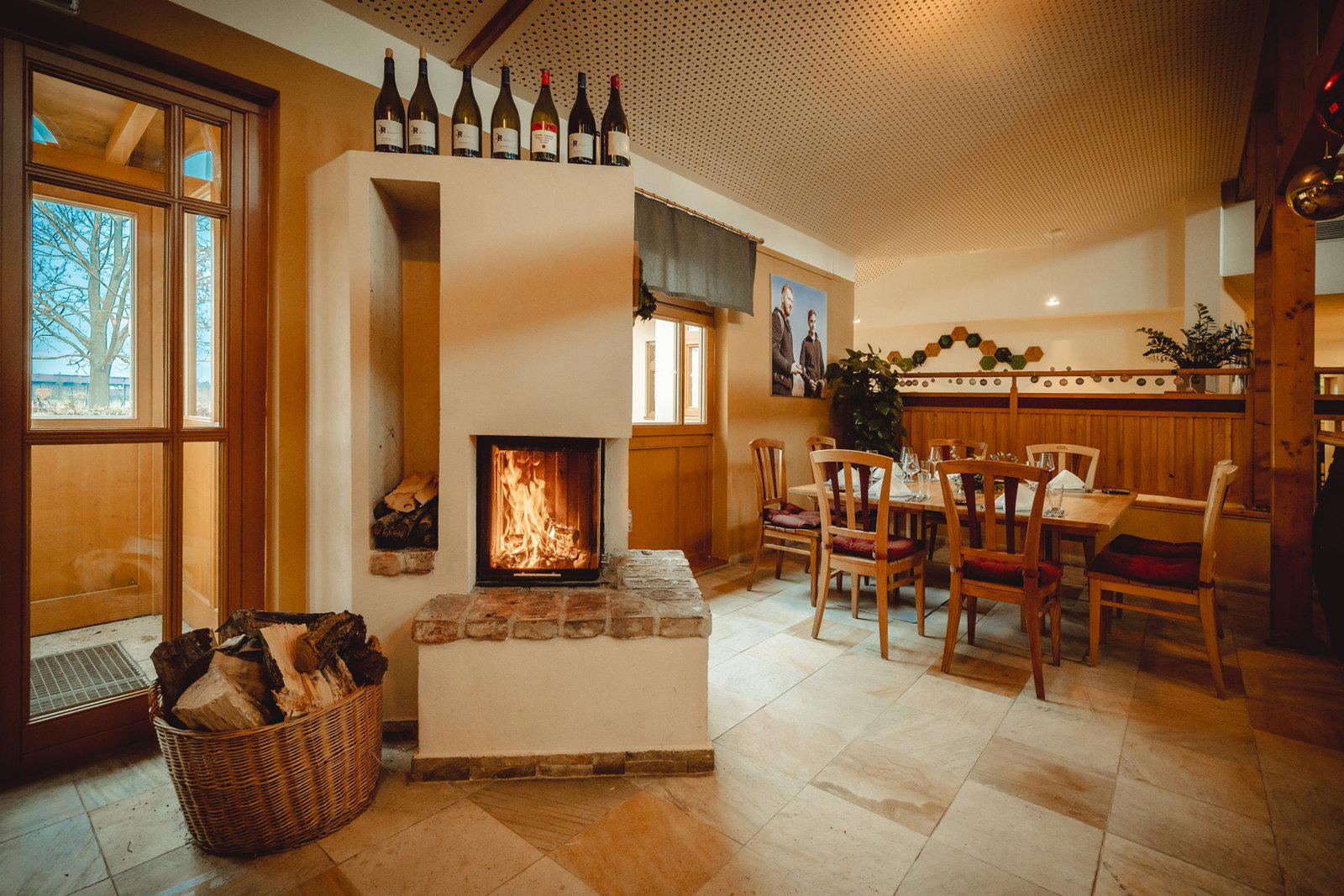
Cozy and pleasant with airy courtyard seating, modern ambiance in historic rooms, and a welcoming traditional atmosphere.