Schwabl occupies a specific position in Vienna's dining spectrum: a traditional Viennese address on Erdbergstraße in the third district, sitting at a different register from the city's €€€€ creative tasting-menu tier. Where Steirereck and Mraz & Sohn push Austrian cooking into contemporary form, Schwabl holds to the conventions of the Beisl tradition, making it a reference point for anyone tracking how classical Viennese hospitality endures alongside the city's modernist wave.
Pearl is the En Primeur Club membership app — saves, bookings, and concierge access live there. Same editors, same standards.
- Address
- Erdbergstraße 111, 1030 Wien, Austria
- Phone
- +434317135229
- Website
- schwabl.at
- Directions
- Get directions
 Saves & bookings on Pearl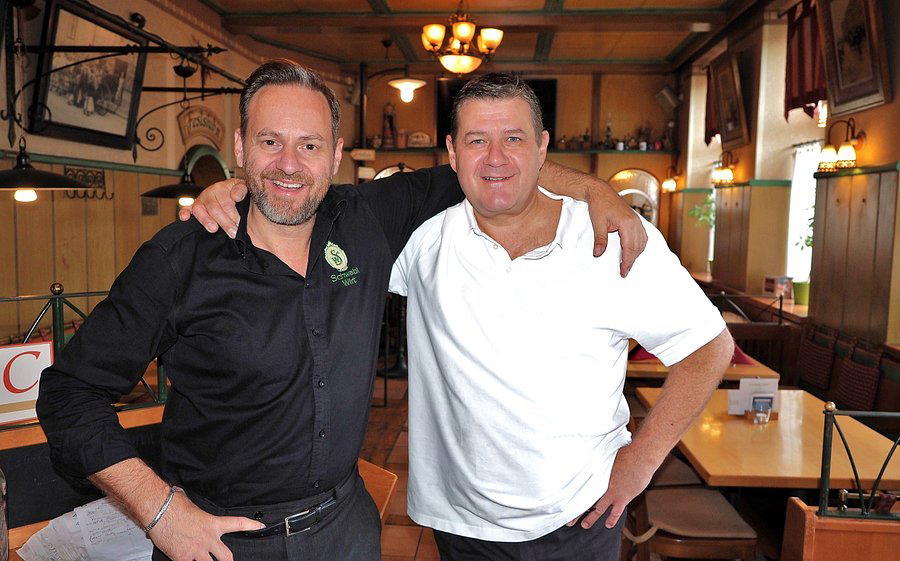
The Third District's Beisl Logic
Vienna's restaurant conversation tends to concentrate on two poles: the grand hotel dining rooms of the first district and the tasting-menu operators who have repositioned Austrian cuisine for an international critical audience. Between those poles sits a quieter tradition, one that Erdbergstraße in the third district carries with less fanfare than the Ringstrasse or the Naschmarkt corridor. Schwabl, at Erdbergstraße 111, belongs to that middle register, a traditional Austrian Wirtshaus in Vienna's third district where the architecture is functional rather than ornamental and the clientele skews local.
The Beisl as a category is worth understanding on its own terms before arriving with expectations shaped by Vienna's dining tiers. It is not a gastropub translation, not a casual offshoot of a starred kitchen, and not a concept designed around a chef's public profile. It is a room built for regulars, structured around dishes that have remained essentially unchanged across generations, and priced to function as weekday infrastructure rather than occasion dining. The physical space tends to reinforce that identity: wooden surfaces, modest ceiling heights, closely spaced tables, and service that reads as matter-of-fact rather than choreographed.
Space and Interior: What the Room Communicates
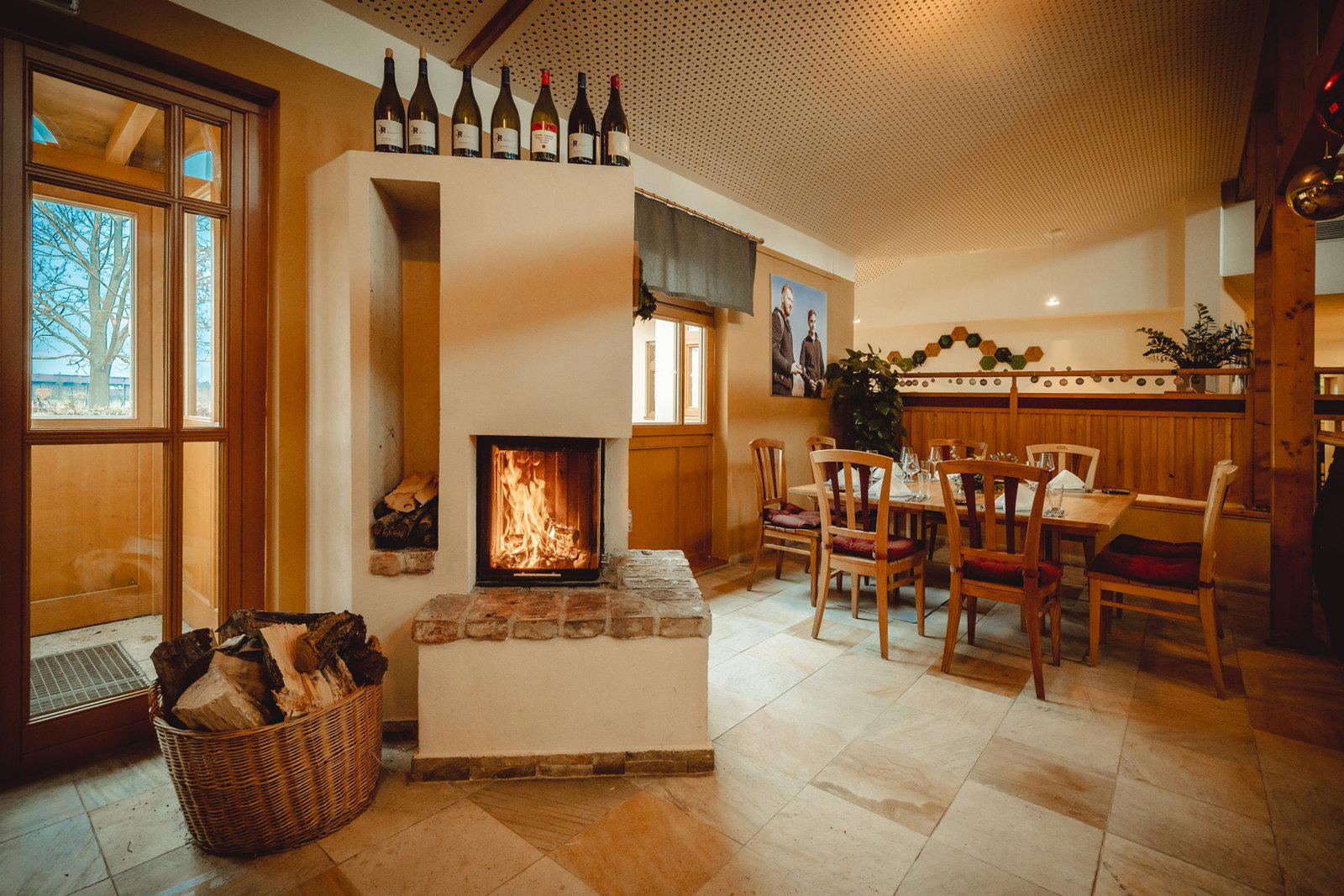
In a city where interior architecture often signals competitive positioning, the vaulted cellars of first-district wine bars, the open kitchens of creative tasting rooms, the double-height glass of Steirereck im Stadtpark, a Beisl interior communicates something different. The absence of design theatrics is itself a signal. Worn wood panelling, tiled floors, and a bar counter positioned for standing drinkers rather than photogenic cocktail service all indicate a room that has not been reconfigured for contemporary hospitality trends. That stability is functional: it tells the regular that the place has not changed its priorities.
At Schwabl on Erdbergstraße, the physical container matches the culinary register. This is not a space designed to be discovered. It is a space designed to be returned to. The distinction matters because it shapes everything from the noise level to the pacing of service. In rooms built for occasion dining, like those at Amador or Konstantin Filippou, silence and deliberate spacing signal reverence. In a Beisl, a full room at lunchtime signals that the place is working as intended.
Where Schwabl Sits in Vienna's Dining Map
Vienna's current restaurant tier breaks down with reasonable clarity. At the summit of the creative and technical register sit operators like Mraz & Sohn and Doubek, both working within a modern Austrian idiom with tasting formats and price points that reflect Michelin-adjacent positioning. Below that sits a mid-tier of neighbourhood restaurants attempting to blend classical Austrian cooking with contemporary presentation. Below that, and operating by entirely different logic, are the traditional Beisl addresses, of which Vienna has a diminishing but still meaningful number.
Schwabl occupies the third tier by choice, not by default. The address in Erdberg, a district that does not appear in most Vienna dining itineraries, reinforces that positioning. It is not trying to compete with the creative tasting rooms of the inner districts or with the celebrated country-house kitchens that define Austrian fine dining in the provinces, from Landhaus Bacher in Mautern an der Donau to Obauer in Werfen. Its comparable set is narrower and more local: the surviving traditional Viennese houses that continue to serve Tafelspitz, Wiener Schnitzel, and Zwiebelrostbraten to the same neighbourhoods they always have.
The Culinary Tradition at Work
Classical Viennese cooking is structurally conservative. Its canon was established in the Habsburg kitchens and codified through decades of repetition in the city's Gasthäuser and Beisln. The dishes that define it, boiled beef served with accompaniments, breaded veal cutlet fried in lard or clarified butter, braised beef with roasted onions, are not amenable to significant reinterpretation without ceasing to be what they are. This creates a different critical framework than applies to creative tasting menus. The question is not whether the dish is innovative; it is whether it is correctly executed and whether the materials are sound.
That standard applies equally to the Austrian cooking tradition at its most ambitious. Ikarus in Salzburg and Kräuterreich by Vitus Winkler in Sankt Veit im Pongau operate in entirely different registers, but all Austrian restaurant cooking at any level is anchored in some relationship with the classical canon. For Beisl-format addresses, the relationship is direct and unmediated. There is no reinterpretation layer. The dish is the dish.
Planning a Visit: What to Expect
The third district is accessible from the city centre but sits outside the tourist corridor that concentrates around the first and sixth districts. Erdbergstraße is a working street rather than a dining destination, which means the audience at any given table is more likely to be local than visiting. For travellers oriented toward the Viennese experience rather than toward international fine dining, that context is relevant. Addresses like Schwabl function as proof that the Beisl tradition has not entirely dissolved into the hospitality economy that surrounds it.
Know Before You Go
- Address: Erdbergstraße 111, 1030 Wien, Austria
- District: Third district (Erdberg), outside the main tourist corridor
- Format: Traditional Viennese Beisl
- Booking: Reservations are recommended.
- Price tier: €€
- Leading for: Readers seeking classical Viennese cooking in a non-tourism-facing context
At a Glance
Comparable venues nearby, for context on price, style, and recognition.
| Venue | Cuisine | Price | Notes |
|---|---|---|---|
| SchwablThis venue — the venue you are viewing | Prater, Traditional Austrian Wirtshaus | $$ | Not listed |
| Tauber Gastronomie GmbH | Not listed | $$ | Schwarzlacken Ausiedlung, Traditional Austrian Café |
| Futterboden | Not listed | $$ | Rudolfsheim, Viennese-Mediterranean Fusion |
| Café Anzengruber | Not listed | $$ | Wieden, Traditional Austrian with Croatian influences |
| Leitenbauer Delikatessen | Neubau, Austrian Sausage Deli | $$ | Not listed |
| NIGLS Gastwirtschaft | Not listed | $$ | Breitensee, Traditional Viennese Gastwirtschaft |
Continue exploring
More in Vienna
Restaurants in Vienna
Browse all →
Bars in Vienna
Browse all →
Hotels in Vienna
Browse all →
At a Glance
- Cozy
- Classic
- Rustic
- Casual Hangout
- Family
- Historic Building
- Local Sourcing
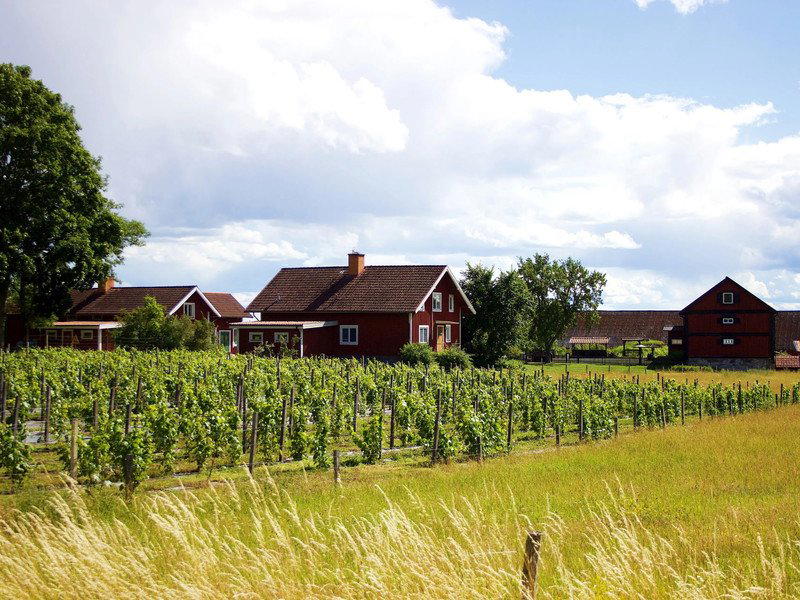
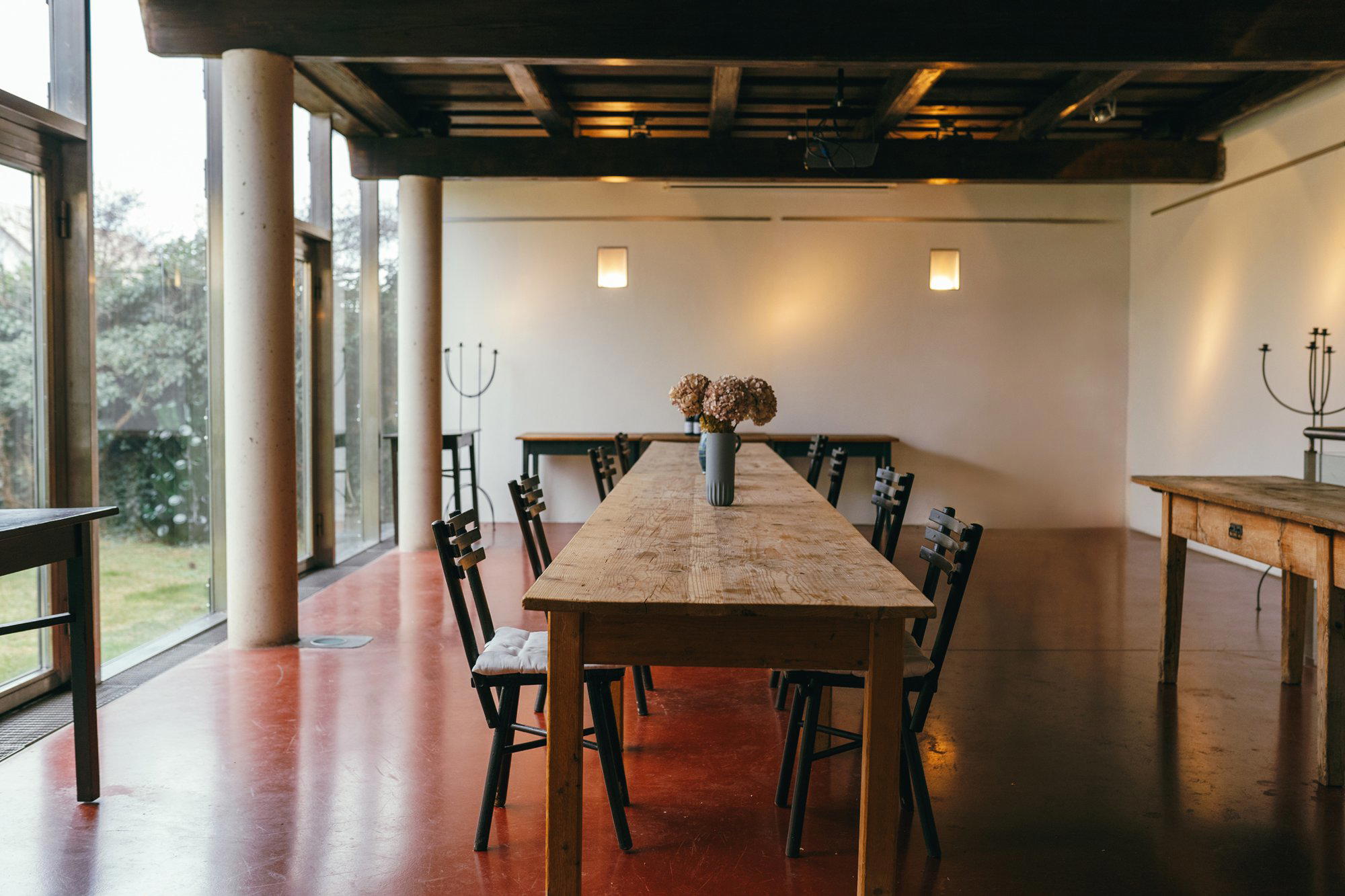
Warm, inviting, and cozy classic tavern atmosphere with a focus on Austrian hospitality.