Görg

Michelin Plate
Our verdict
Görg operates from a rural address in Katzelsdorf, Lower Austria, placing it within a regional tradition where proximity to agricultural land shapes what appears on the plate. The Lower Austrian countryside around Katzelsdorf feeds a broader dining culture that prizes direct-source ingredients over supply-chain abstraction. Visitors making the drive from Vienna will find a destination that rewards the detour.

Pearl is the En Primeur Club membership app, where members save venues, book tables and use the concierge.
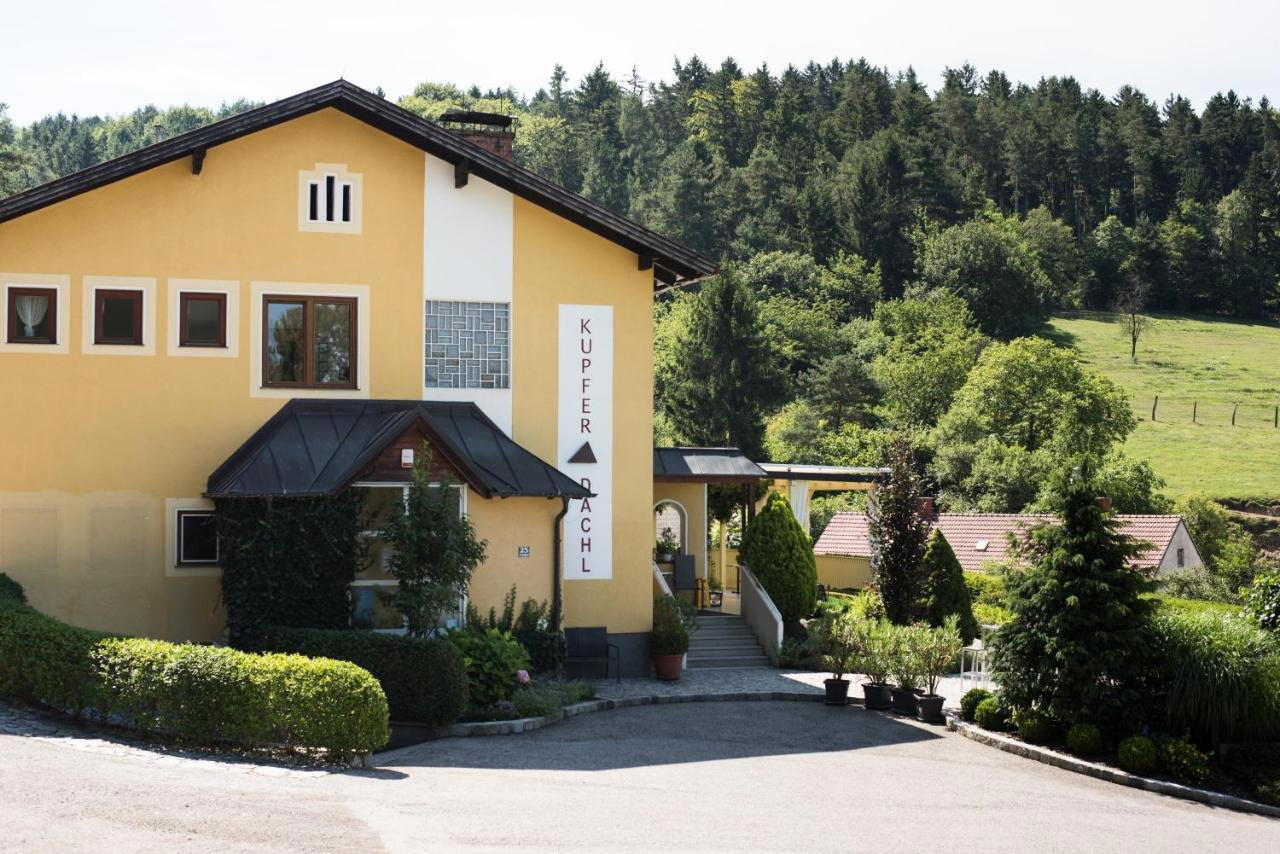
Rural Lower Austria and the Logic of Short Supply Chains
The drive south from Vienna into Lower Austria's Bucklige Welt region is a gradual unwinding: the motorway gives way to two-lane roads, and the Wienerwald softens into a gentler, more agricultural terrain. Katzelsdorf sits in this transitional zone, close enough to the capital to draw a well-travelled dining public, far enough removed that the surrounding farmland remains the dominant fact of the place. It is precisely this positioning that makes a restaurant like Görg legible within a wider Austrian dining argument. The country's most compelling rural tables have long operated on the premise that geography is not a handicap but a specification: the kitchen's range is defined by what grows, grazes, and ferments within reach of the address. Görg, at Eichbüchl 23 on the edge of Katzelsdorf, belongs to that tradition.
This is a pattern visible across Austrian destination dining. Taubenkobel in Schützen am Gebirge built its reputation on Burgenland's larder; Landhaus Bacher in Mautern an der Donau has anchored itself to the Wachau's produce and wine culture for decades. The argument in each case is the same: rural placement is a sourcing decision first, an aesthetic one second. Görg occupies this same conceptual territory in the lower reaches of Lower Austria, with Katzelsdorf as its geographic anchor.
What the Address Implies About the Plate
Lower Austria's agricultural belt is one of the more diverse growing regions in Central Europe. The Bucklige Welt's gentle hills support mixed farming: cereal crops, vegetables, small orchards, and livestock are all part of the productive landscape surrounding Katzelsdorf. For any kitchen serious about ingredient provenance, this creates a meaningful radius of supply. The region's producers operate at a scale that allows for direct relationships between grower and chef, the kind of arrangement that is logistically difficult from within a city and almost automatic from a rural address with working land nearby.
Across Austria, the restaurants that have built sustained reputations on this model share several observable characteristics. Obauer in Werfen has long cited Salzburg province's alpine producers as foundational to its menu logic. Kräuterreich by Vitus Winkler in Sankt Veit im Pongau takes the sourcing argument to a literal extreme, with herb cultivation as a central program element. Döllerer in Golling an der Salzach frames its contemporary Austrian cooking explicitly through alpine provenance. The cumulative picture is of a national dining culture in which ingredient sourcing is not incidental but structural. Görg sits within this context, shaped by the particular productive character of the Bucklige Welt and its surroundings.
The Atmosphere of a Rural Austrian Table
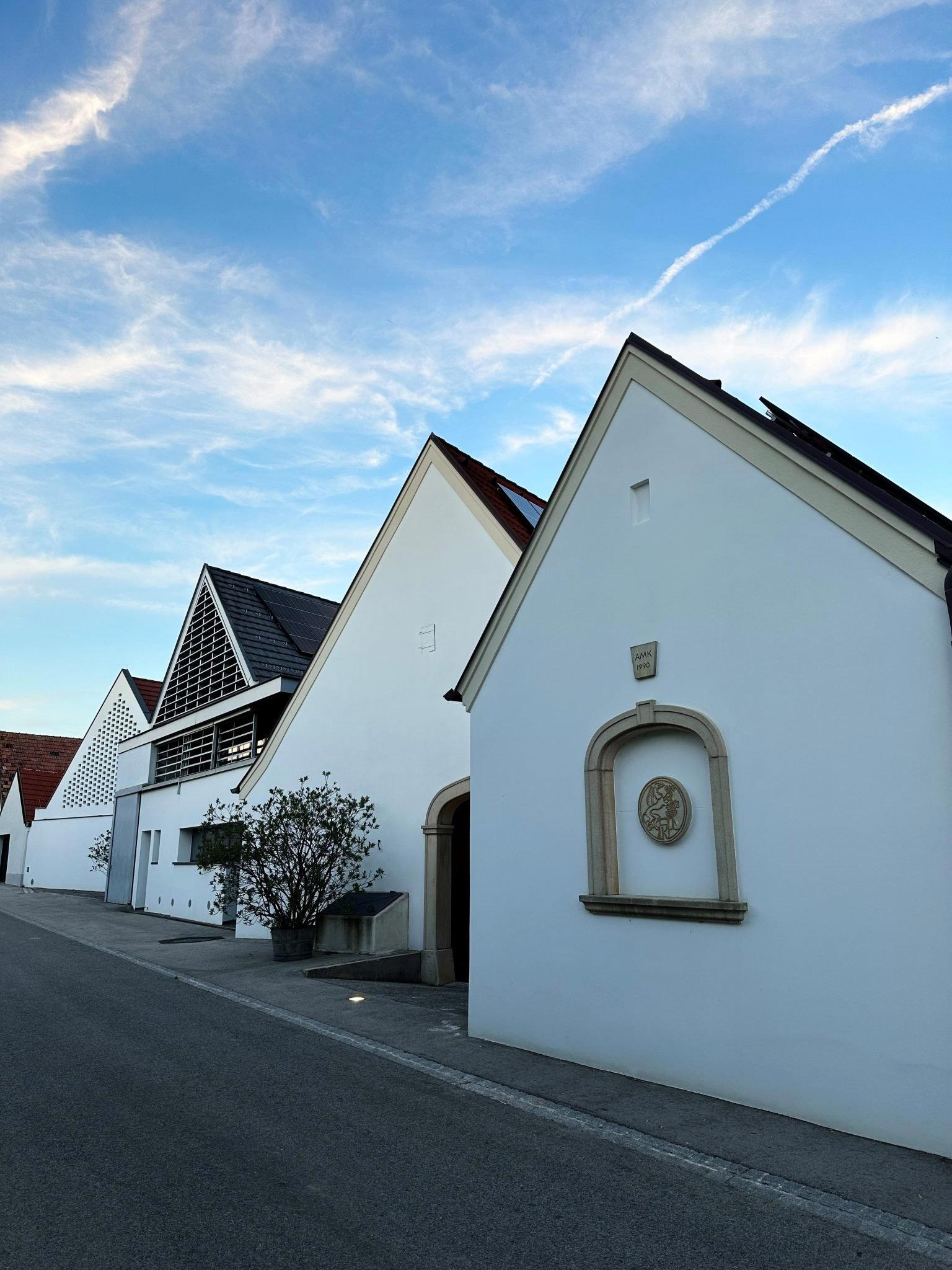
Rural Austrian dining rooms tend to share a certain material logic: stone or rendered facades, pitched roofs, and interiors that use local timber without apology. The surrounding countryside arrives at the threshold in the form of light, quiet, and the smell of working land in adjacent seasons. These are not design choices in the urban sense; they are consequences of building in a place where agriculture and settlement have always coexisted. Görg's address in Katzelsdorf places it within this typology. Approaching the restaurant, the village scale and the Lower Austrian countryside frame the visit before the door opens, setting expectations that differ substantially from an urban dining room.
This kind of setting does specific work for the dining experience. The absence of urban noise and visual distraction concentrates attention, and the awareness that the surrounding land is productive, rather than merely decorative, lends the food a geographic specificity that is difficult to manufacture elsewhere. Comparable dynamics operate at Atelier Fischer in Sankt Gilgen and at Ois in Neufelden, where the setting is inseparable from the culinary proposition.
Görg in the Austrian Dining Tier
Austria's destination dining operates across a clear spectrum. At the upper end, city restaurants like Steirereck im Stadtpark in Vienna and Ikarus in Salzburg carry international recognition and price points to match. The rural tier is more varied: it includes Michelin-recognised tables, established regional institutions, and newer operations that are building reputations through consistency rather than awards. This tier is also where sourcing narratives are most credible, because the distance between ingredient origin and plate is measurably shorter.
Görg sits within this rural tier. The restaurant's Katzelsdorf address places it in a regional category that has comparators across Lower Austria and the broader Austrian countryside. For diners based in Vienna, it represents a sub-hour drive to a dining context that is structurally different from the city, not just geographically. The pattern of driving out of the capital for a serious rural meal is well-established in Austrian dining culture, supported by the density of destination restaurants in the surrounding provinces. Artis in Graz shows the same dynamic operating from a different regional centre. Our full Katzelsdorf restaurants guide maps the broader options in the area.
For diners who measure a table against international benchmarks, it is worth noting that the Austrian rural format has direct equivalents at destination-level establishments elsewhere. Le Bernardin in New York City and Atomix in New York City represent a different price and recognition tier entirely, but they participate in the same broad argument about ingredient sourcing and provenance that Görg's rural positioning implies. The difference is scale and urban context, not the underlying logic. The mountain-format Austrian peers, including Gourmetrestaurant Tannenhof in Sankt Anton am Arlberg, Griggeler Stuba in Lech, Stüva in Ischgl, Schwarzer Adler in Hall in Tirol, and Restaurant 141 by Joachim Jaud in Mieming, operate with alpine sourcing as the primary geographic frame. Görg's frame is the agricultural lowlands of Lower Austria, a different register but a comparable underlying commitment.
Planning a Visit
Görg is located at Eichbüchl 23, 2801 Katzelsdorf, Austria. The address is most practically reached by car from Vienna, with the drive placing it within the range of a comfortable half-day or evening excursion from the capital. Katzelsdorf itself is a small municipality, and visitors should confirm reservation details and current opening arrangements directly with the restaurant before travelling, as rural Austrian tables frequently operate on schedules that differ from urban dining norms. Booking ahead is advisable; rural destination restaurants in Lower Austria tend to operate at limited capacity, and walk-in availability cannot be assumed.
Frequently asked questions
Would Görg be comfortable with kids?
Görg's address in rural Katzelsdorf, a working agricultural area in Lower Austria's Bucklige Welt, points toward the kind of informal, unhurried setting that typically suits families. The surrounding countryside and low-density surroundings reduce the formality pressure common in city restaurants.
What's the overall feel of Görg?
Görg sits at Eichbüchl 23 in Katzelsdorf, a rural Lower Austrian address well south of Vienna in the Bucklige Welt hills. The region's agricultural character and village-scale settlement pattern shape the dining context here: expect the material plainness and unhurried pace that define this part of Austria rather than urban polish. It reads as a place grounded in local rhythm rather than destination spectacle.
Is Görg worth the drive from Vienna for a meal?
Görg is located at Eichbüchl 23, 2801 Katzelsdorf, roughly 50 kilometres south of central Vienna, making it a plausible half-day or full-day excursion. The Bucklige Welt region draws visitors specifically for its slower agricultural pace and rural Austrian table culture, which differentiates the experience from anything available inside the city. Whether the drive is warranted depends on what you are after: city restaurants from Steirereck downward offer polish and documentation; Görg offers geographic authenticity in Lower Austria's least-toured rolling hills.
What do people recommend at Görg?
What the Katzelsdorf location does signal is proximity to Lower Austria's mixed farming belt, which typically means seasonal, regionally sourced produce drives the menu. Guests visiting the Bucklige Welt area frequently report that kitchens here lean on what the surrounding land produces rather than imported ingredients.
Side-by-Side Snapshot
Comparable venues nearby, for context on price, style, and recognition.
| Venue | Cuisine | Price | Awards | Notes |
|---|---|---|---|---|
| GörgThis venue (the venue you are viewing) | Seasonal Austrian Fine Dining | Not listed | Michelin Plate | Not listed |
| Gasthaus zur singenden Wirtin | Traditional Viennese Gasthaus | $10–20 | Not listed | Gaudenzdorf |
| Landstein | Traditional Austrian & Viennese | $20–30 | Not listed | Wien-Mitte |
| Silberwirt | Traditional Viennese Beisl | $20–30 | Not listed | Margareten |
| Zum Lercherl von Hernals | Traditional Viennese Wirtshaus | $20–30 | Not listed | Hernals |
| Amterl | Austrian Fusion Grill | $20–30 | Not listed | Baden city center |
Recognition history
Dated appearances from independent guides and award organizations, with the underlying list record or original source where available.
Michelin Plate
Michelin
Full recognition history (3 entries)
Michelin Plate
Michelin
Michelin Plate
Michelin
Continue exploring
More in Katzelsdorf
Restaurants in Katzelsdorf
All restaurants in Katzelsdorf →
![[aend] restaurant in Vienna](https://cdn.enprimeurclub.com/storage/v1/object/public/images/locations/recsVyRkMfzCxPmp0/hero2.jpg?width=3840&quality=75)
Bars in Katzelsdorf
Browse all →
Hotels in Katzelsdorf
Browse all →

Details
- Modern
- Cozy
- Elegant
- Special Occasion
- Date Night
- Local Sourcing
- Mountain
- A La Carte
- Set Menu
- Vegetarian Friendly
Current opening hours
- Monday
- Closed
- Tuesday
- Closed
- Wednesday
- 4–11 PM
- Thursday
- 4–11 PM
- Friday
- 4–11 PM
- Saturday
- 11 AM–11 PM
- Sunday
- 11 AM–3 PM
Hours can change for holidays and private events. Hours as of .
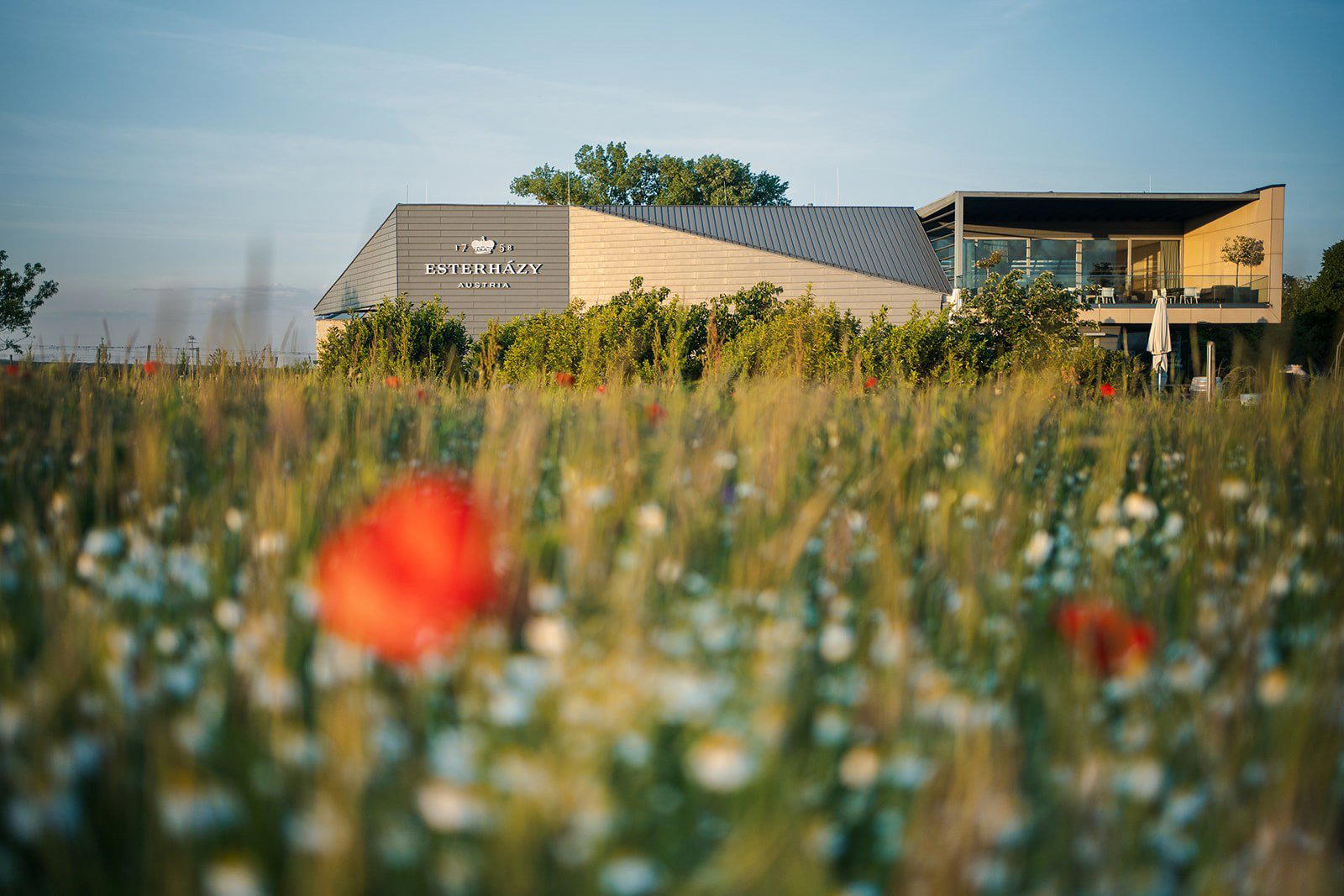
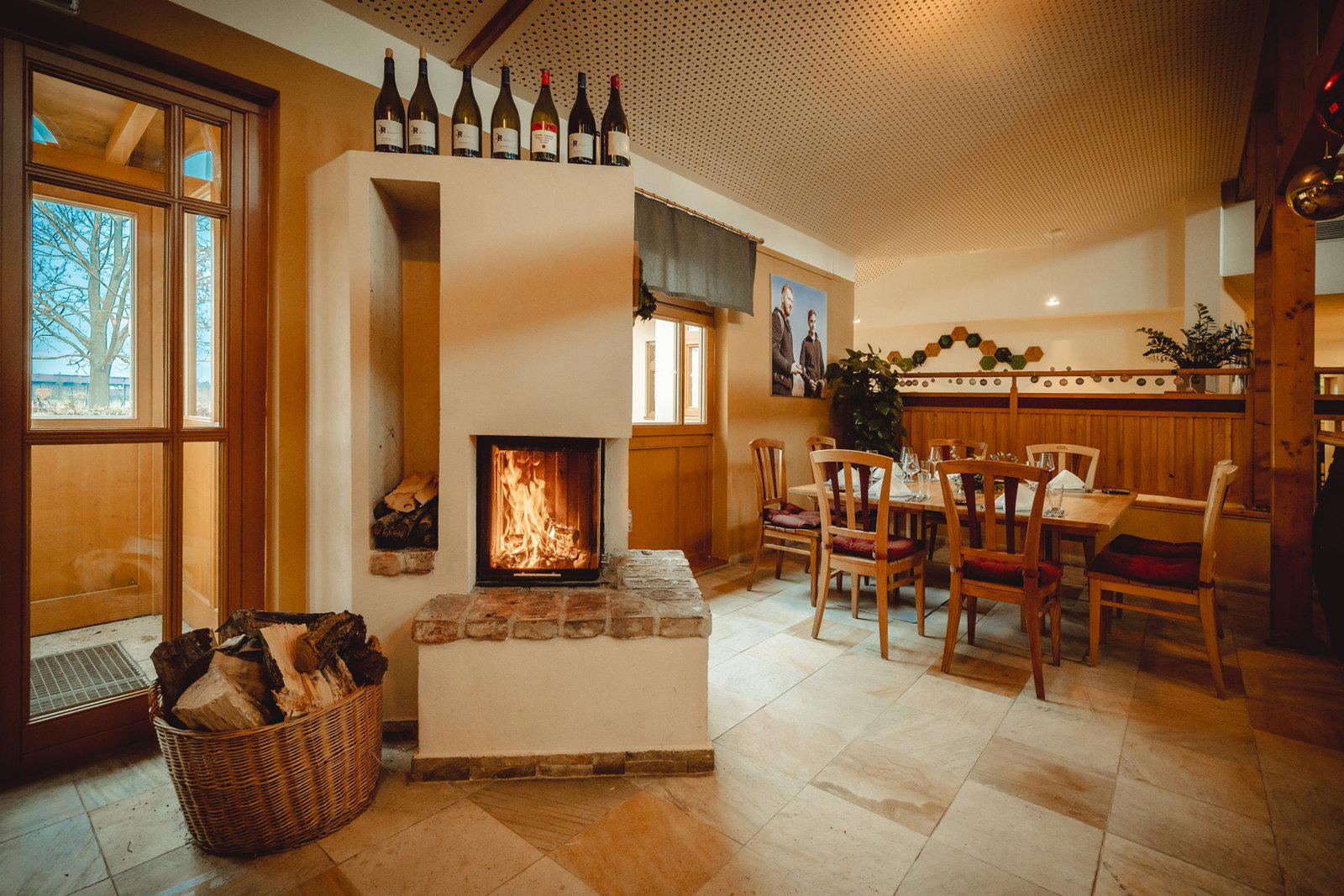
Inviting contemporary space with clean shapes, warm natural colors, and floor-to-ceiling windows that open in summer for scenic views.