
Tabelog 100 #64
Our verdict
Soujoan occupies a rural address in Tomi, Nagano Prefecture, a region where agricultural heritage shapes what ends up on the table. The surrounding Chikuma River basin and mountain terrain have long supplied restaurants in this corridor with produce that urban kitchens pay premiums to import. Soujoan draws on that same geography, placing it within a tradition of Shinshu dining that treats local sourcing as baseline, not selling point.

Pearl is the En Primeur Club membership app, where members save venues, book tables and use the concierge.
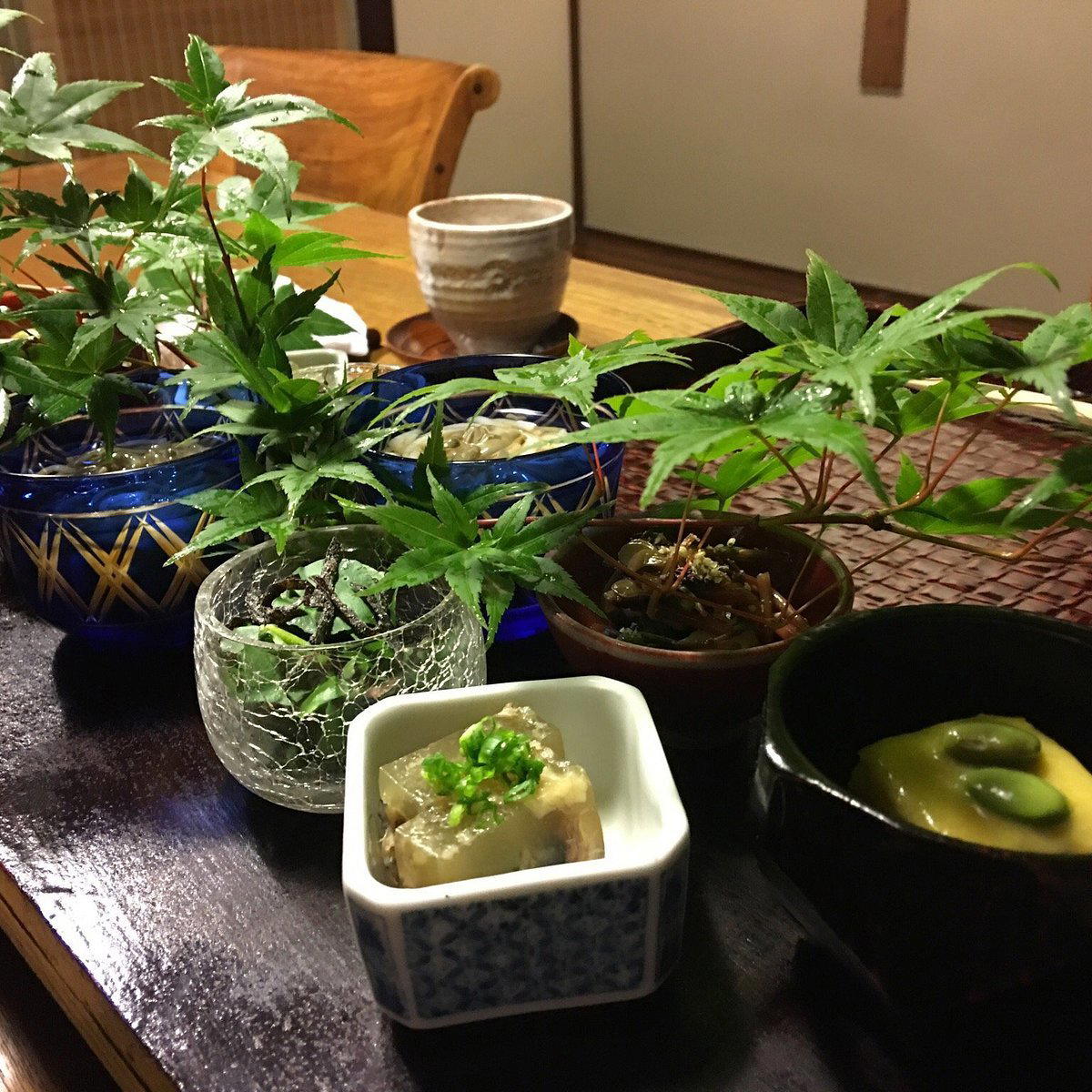
Where Nagano's Ingredient Culture Takes Physical Form
Tomi sits in the Chikuma River corridor of Nagano Prefecture, a stretch of central Honshu that has supplied Japanese kitchens with mountain vegetables, freshwater fish, and buckwheat for centuries. The terrain rises quickly from the valley floor, and the altitude differential across a short drive produces microclimates that experienced foragers and farmers read like a calendar. Restaurants operating in this environment do not need to source from far afield; the harder editorial question is how they read what the land is offering in any given season.
Soujoan's address at 165 Nunoshita places it away from Tomi's administrative centre, in the quieter agricultural fringe where the boundary between kitchen and field becomes genuinely blurred. Approaching that kind of address in rural Nagano, you are already inside the sourcing logic before you cross the threshold. The physical environment frames the meal: the same elevation that chills the air in early spring produces the bitter mountain greens that define the region's pre-summer cooking, and the same autumn cold that turns the slopes amber concentrates the sugars in local root vegetables.
Shinshu Dining and the Ingredient-First Tradition
Nagano Prefecture, historically known as Shinshu, occupies an unusual position in Japanese regional cuisine. Without coastal access, the prefecture built its food culture around what the mountains, rivers, and high-altitude farmland could reliably produce: soba from buckwheat grown at elevation, freshwater species from the Chikuma and its tributaries, mountain vegetables gathered through the warmer months, and preserved foods, particularly miso and pickled vegetables, that carry the larder through winter. The miso produced here, typically from locally grown soybeans and fermented over long periods, differs noticeably from Kyoto's sweeter white varieties or the saltier styles common in Tokyo blends.
That ingredient vocabulary has created a regional dining tradition that reads as restrained to outside visitors but is, on closer examination, precisely calibrated. Chefs working within Shinshu's constraints are making decisions about which variety of a vegetable to use, at what point in its seasonal arc, and how little preparation is needed to communicate what the ingredient is doing at that moment. The result is a cuisine that can appear simple and reads as sophisticated once you understand the sourcing infrastructure underneath it. Venues like Gion Sasaki in Kyoto or Harutaka in Tokyo operate inside mature urban ingredient networks with decades of supplier relationships; rural Nagano addresses like Soujoan's operate differently, with the supply chain measured in shorter distances and closer seasonal rhythms.
The Regional Peer Context
Positioning a Tomi address within Japan's broader restaurant hierarchy requires some calibration. The country's premium dining recognition has historically concentrated in Tokyo, Kyoto, and Osaka, where venues like HAJIME in Osaka and akordu in Nara operate with institutional recognition and the visibility that urban foot traffic provides. Rural prefectural venues work with a different set of signals: regional reputation, local-knowledge word of mouth, and the category of traveller who actively leaves the Shinkansen corridor to find ingredient-specific cooking in its geographic context.
That category of traveller is growing. Nagano's profile rose considerably after the 1998 Winter Olympics, and the prefecture has since built a tourism infrastructure that points visitors toward outdoor activity and onsen resorts. Food-focused visitors are a smaller but increasingly organised subset, and the Chikuma River valley has accumulated enough dining options that a dedicated food trip through the region is architecturally possible. In that context, Soujoan's rural address is a positioning statement rather than a limitation: it signals that the kitchen is close enough to its supply chain to make sourcing decisions that urban restaurants can only approximate.
For comparative scale, consider how Japan's regional kaiseki and ingredient-focused dining scenes have developed in prefectural centres less prominent than Kyoto or Tokyo. Goh in Fukuoka demonstrates that Michelin-level recognition can anchor itself outside the capital triangle; venues in the Hokuriku corridor, including those in Nanao, have built reputations around seafood sourcing that the regions' coastal geography makes possible. Nagano's landlocked position shifts the sourcing story inland, but the editorial logic is identical: proximity to the source determines what the kitchen can honestly offer.
Planning a Visit to Tomi
Tomi is accessible from Nagano City via local rail and road. The city sits along the Shinano Railway line, making day-trip and overnight itineraries from Nagano Station viable for travellers already in the prefecture. Nagano itself connects to Tokyo via the Hokuriku Shinkansen in roughly 90 minutes, placing Tomi within reach of a two-day regional circuit without requiring a domestic flight.
Seasonal timing matters considerably for any Nagano dining itinerary. Late spring, when mountain vegetables are at peak harvest, and autumn, when the valley's agricultural output is at its most concentrated before winter preservation begins, represent the periods when ingredient-led menus in this region operate closest to their source material. Winter brings its own character, particularly for miso-based preparations and preserved foods, but spring and autumn offer the fullest expression of fresh Shinshu produce. Visitors planning around specific seasonal ingredients should factor in that Nagano's altitude means spring arrives two to three weeks later than in Tokyo, and the autumn harvest window closes earlier.
Our full Tomi restaurants guide provides additional context for planning a broader visit to the area.
For travellers building a Japan food itinerary that extends beyond Nagano, the regional network connects logically to venues across central and western Honshu. Dining options in Takashima, on Lake Biwa's western shore, and those in Nishikawa Machi in Yamagata Prefecture represent comparable regional traditions where geography defines the ingredient vocabulary. Further afield, Denko Sekka in Hiroshima and bodai in Nachikatsuura each demonstrate how Japan's regional kitchens build distinct identities from localised sourcing traditions. International reference points, including Atomix in New York City and Le Bernardin, operate within entirely different supply-chain structures, which underlines how much of Soujoan's editorial interest comes from its specific geographic positioning within Nagano's agricultural landscape.
Frequently asked questions
Is Soujoan okay with children?
Soujoan is located in Tomi, a small Nagano city where dining settings tend toward quieter, considered environments oriented around the meal itself.
What makes dining in Tomi, Nagano different from eating in Tokyo or Kyoto?
Tomi sits in the Chikuma River corridor of landlocked Nagano Prefecture, meaning kitchens here source from mountain terrain rather than coastal suppliers, an ingredient constraint that has historically produced a distinct culinary identity around wild vegetables, river fish, and fermented staples. That regional specificity, absent from most metropolitan menus, is the draw for visitors making the trip via the Shinano Railway line from Nagano City. Soujoan, addressed at 165 Nunoshita in Tomi, sits inside that tradition rather than apart from it.
What's the signature dish at Soujoan?
The broader context of Tomi's position in the Chikuma River corridor points toward mountain vegetables, freshwater ingredients, and Shinshu-specific produce as the likely core of the kitchen's sourcing, which typically shapes what any given course leads with.
Comparison Snapshot
Comparable venues nearby, for context on price, style, and recognition.
| Venue | Cuisine | Price | Awards | Notes |
|---|---|---|---|---|
| SoujoanThis venue (the venue you are viewing) | Traditional Japanese Cuisine | $50–100 | Tabelog 100 #64 | Not listed |
| Wagyu Sukiyaki Soshiji Karuizawa | Wagyu Sukiyaki | Not listed | Not listed | Old Karuizawa Ginza |
| Tachigui Sushi Yusho | Standing Sushi | $20–30 | Not listed | Kanazawa Port |
| 李朝苑 | Premium Wagyu Yakiniku | Not listed | Not listed | 安比高原 |
| Unagi Honda | Traditional Japanese Unagi (Eel) Kabayaki | $30–50 | Tabelog 100 #60 | Iiyama |
| Takano Fruit Parlour | Japanese Fruit Parlor | $30–50 | Not listed | Shinjuku |
Recognition history
Dated appearances from independent guides and award organizations, with the underlying list record or original source where available.
Tabelog 100 #64 · No. 64
Tabelog · Tabelog 100 - Japanese cuisine - EAST - 2025
Continue exploring
More in Tomi
Restaurants in Tomi
All restaurants in Tomi →
Hotels in Tomi
Browse all →
Wineries in Tomi
Browse all →
Details
- Rustic
- Cozy
- Intimate
- Special Occasion
- Historic Building
- Sake Program
- A La Carte
Current opening hours
- Monday
- 11:30 AM–8:30 PM
- Tuesday
- Closed
- Wednesday
- 11:30 AM–8:30 PM
- Thursday
- 11:30 AM–8:30 PM
- Friday
- 11:30 AM–8:30 PM
- Saturday
- 11:30 AM–8:30 PM
- Sunday
- 11:30 AM–8:30 PM
Hours can change for holidays and private events. Hours as of .
Relaxing space in a spacious tatami room farmhouse with a quiet, traditional atmosphere.