Sons of Mana & Friends Q205 operates in the heart of Mitte, inside the Q205 development on Friedrichstraße, where Berlin's commercial centre and its evolving dining culture intersect. The format positions itself within a city scene that has shifted decisively toward conceptually driven, collaborative programming. For visitors working through Berlin's serious restaurant tier, it offers a distinct entry point into that conversation.
Pearl is the En Primeur Club membership app — saves, bookings, and concierge access live there. Same editors, same standards.
- Address
- Friedrichstraße 67-70/Q, Charlottenstraße 205, 10117 Berlin, Germany
- Phone
- +493030873792
- Website
- sonsofmana-berlin.de
- Directions
- Get directions
 Saves & bookings on Pearl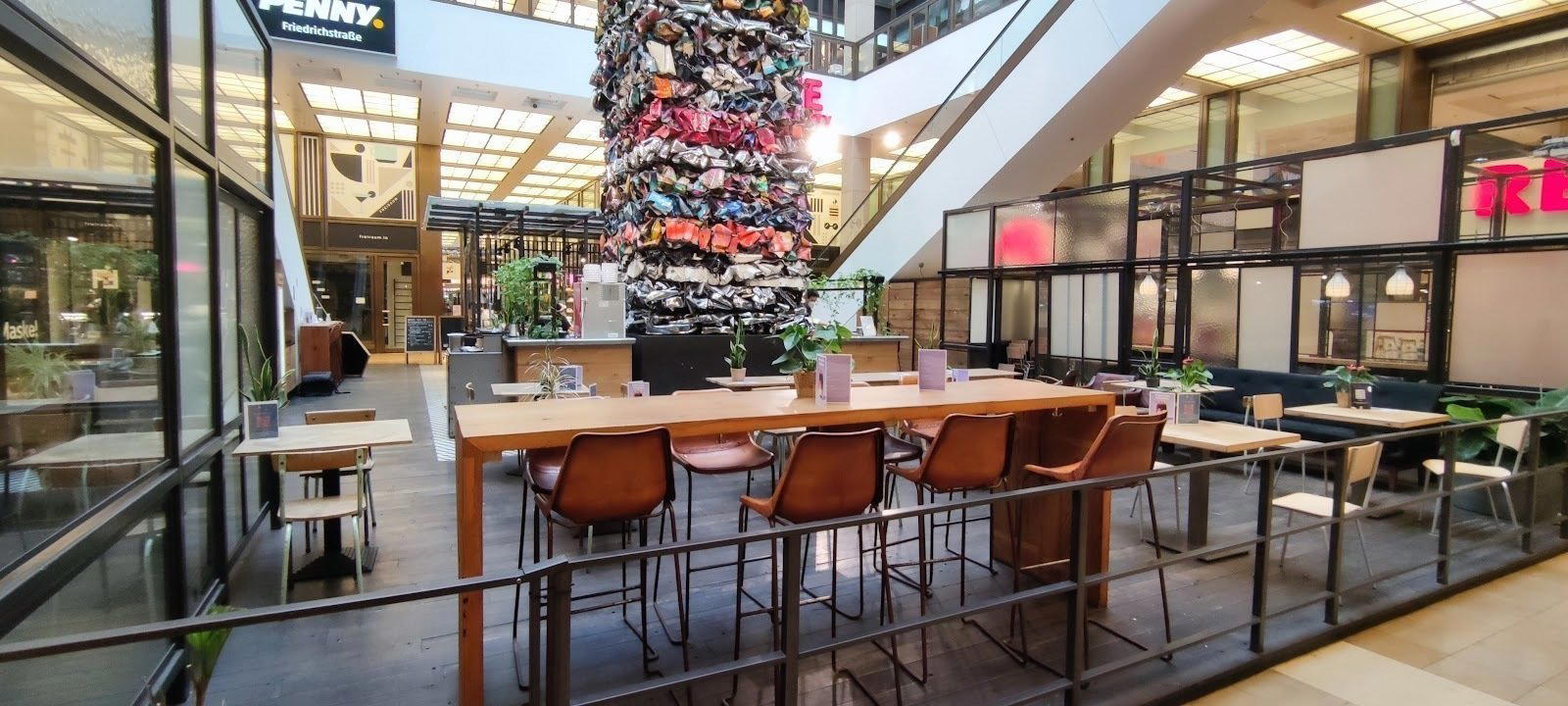
Where Friedrichstraße Meets Collaborative Dining
It moves between the old commercial gravity of Q205 and the quieter formality of Charlottenstraße, a corridor where the city's post-reunification ambitions left behind a built environment that still feels slightly over-scaled for its current use. That tension, monumental architecture, human-scale ambition, is precisely the kind of backdrop that Berlin's more conceptually minded dining operators have learned to work with. Sons of Mana & Friends Q205 is a casual Asian fusion restaurant in Berlin's Mitte, at Friedrichstraße 67-70/Q, Charlottenstraße 205.
On one side, the institutionalised fine dining rooms, places like Rutz, FACIL, and Nobelhart & Schmutzig, which hold Michelin recognition and operate within established formats. On the other, a looser and more restless category of collaborative, concept-led operations that draw on guest talent, shifting menus, and programming logic borrowed as much from the city's arts infrastructure as from the restaurant world. Sons of Mana & Friends positions itself in that second category, with the "Friends" framing signalling an explicitly collaborative intent.
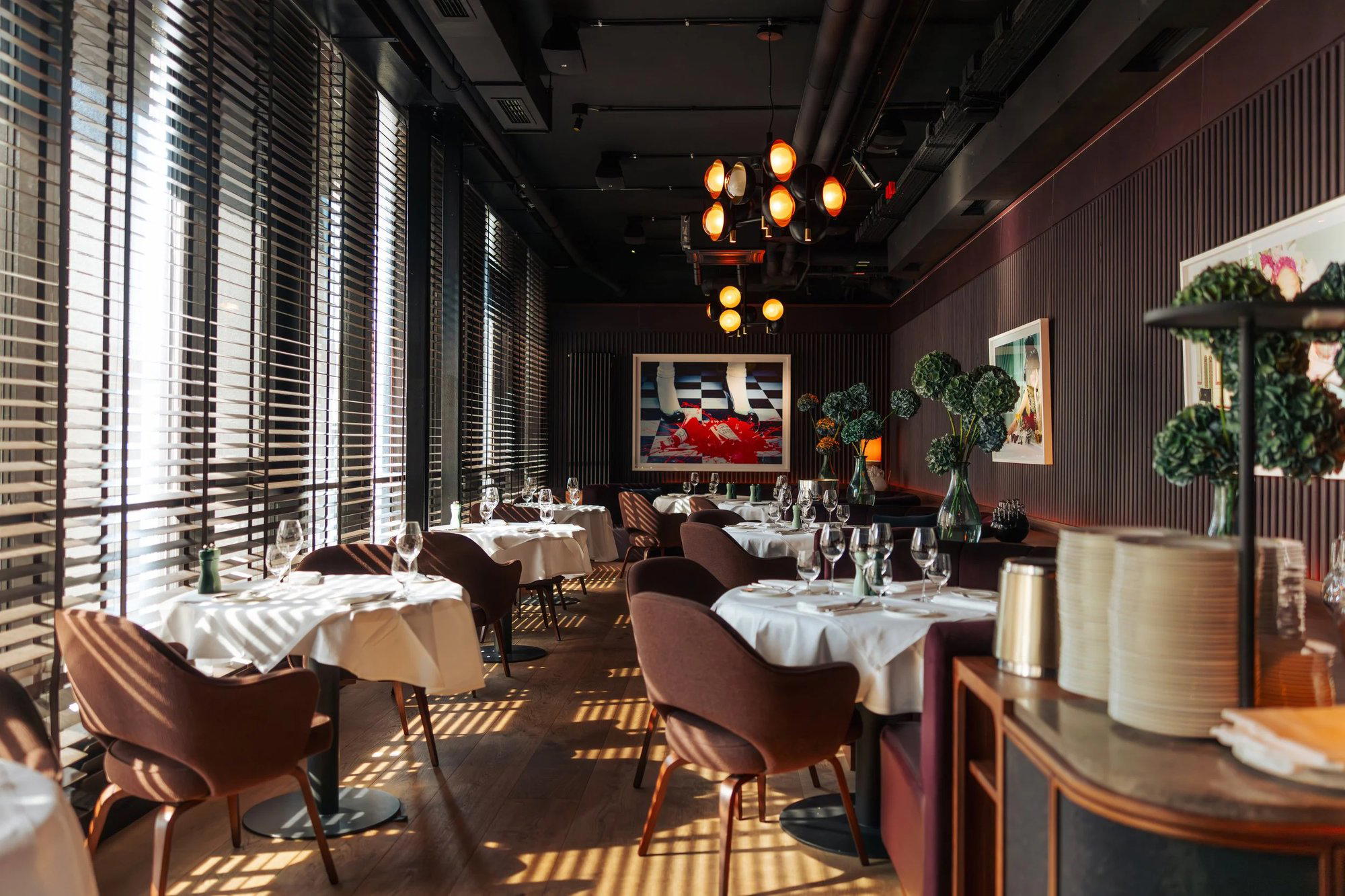
The Atmosphere and the Room
Dining operations inside developments of this kind typically face a specific atmospheric challenge: the architecture was not designed around the rhythms of a meal.
The approach along Friedrichstraße is urban, broad, and purposeful, a street built for transit rather than lingering. The shift into a dining room context, with its different acoustic register and pace, carries its own effect. Berlin's better collaborative dining formats tend to reward attention to this kind of transition, and the "Friends" programming model at Sons of Mana suggests an operation oriented toward experience as a considered sequence rather than a single static setting.
Collaborative Programming in Context
The city's relatively low cost base, compared with London or Paris, has historically allowed operators to take on higher-risk programming with less financial exposure. Guest appearances, rotating chef partnerships, and multi-operator concepts all require a tolerance for variability that cities with higher fixed costs tend to punish. Berlin absorbs that variability more readily, and the dining calendar reflects it.
Sons of Mana & Friends sits in a comparable set that includes some of the city's more concept-forward addresses. CODA Dessert Dining operates with a similarly unconventional format logic, building an entire progression around a category that most restaurants relegate to a closing gesture. Restaurant Tim Raue represents the other pole, a singular culinary voice with a fixed aesthetic.
Across Germany, the restaurants that have earned the deepest recognition tend to be single-voice operations with a coherent, sustained point of view, places like Aqua in Wolfsburg, Schwarzwaldstube in Baiersbronn, or Victor's Fine Dining by Christian Bau in Perl. The collaborative model pursued at Sons of Mana accepts a different trade-off: variability in exchange for range, the possibility of surprise in place of a guaranteed signature experience. For some visitors, that trade is exactly the point. For others, the consistency offered by a JAN in Munich or a Vendôme in Bergisch Gladbach will remain the more legible choice.
Mitte as a Dining District
Mitte's dining character is more layered than its central geography suggests. The area draws the city's broadest cross-section of visitors, tourists, business travellers, diplomats, and the particular class of Berlin professional who works in the district but eats across the city. The restaurant mix reflects that heterogeneity: everything from hotel dining rooms serving international comfort to operators running tight, idiosyncratic concepts that would be equally at home in Neukölln or Prenzlauer Berg.
For visitors building a serious Berlin itinerary, Mitte functions as a logistical anchor rather than a culinary destination in its own right. The genuine concentration of ambitious cooking sits further east and south. But operations like Sons of Mana, collaborative in format, commercially positioned in Mitte, complicate that geography in useful ways. They bring the energy of the city's more experimental dining culture into the commercial centre, meeting a visitor demographic that might not otherwise find its way to the neighbourhood addresses where that culture is more densely concentrated.
Comparisons Worth Making
Anyone spending time in Germany's serious dining circuit will encounter the contrast between the country's destination restaurant model, concentrated outside major cities, at addresses like ES:SENZ in Grassau, Waldhotel Sonnora in Dreis, Schanz in Piesport, or Bagatelle in Trier, and the urban collaborative format that Berlin does better than anywhere else in the country. Internationally, the closest analogues to what Berlin's collaborative dining scene is attempting sit in New York's more inventive rooms: the precision-meets-concept approach of Atomix or the sustained technical rigour of Le Bernardin represent what collaborative ambition looks like when it crystallises into a fixed and acclaimed identity. Sons of Mana is at an earlier, more fluid point in that arc. And Restaurant Haerlin in Hamburg demonstrates how a classically oriented room in a German city can hold its position across decades, a different kind of durability than the one the collaborative format is chasing.
Planning Your Visit
The address is Friedrichstraße 67-70/Q, Charlottenstraße 205, 10117 Berlin, in the Q205 complex in central Mitte, directly accessible from Stadtmitte U-Bahn station. Open Monday to Saturday from 11:30 AM to 8 PM and closed on Sunday. The dress code is casual, and the restaurant is walk-in friendly. At about $15 per person, it sits in the affordable end of Berlin dining.
Fast Comparison
Comparable venues nearby, for context on price, style, and recognition.
| Venue | Cuisine | Price | Notes |
|---|---|---|---|
| Sons of Mana & Friends Q205This venue — the venue you are viewing | Asian Fusion with Poke Bowls and Vietnamese | $$ | Not listed |
| Shiso Burger | Asian Fusion Burgers | $$ | Mitte |
| Allan's ABC | Australian-French Fusion Brunch | $$ | Prenzlauer Berg |
| BaliBowls | Superfood Bowls | $$ | Tegel |
| Moon Exquisite | Southeast Asian-European Fusion | $$$ | Mitte |
| Humble | Thai-Vietnamese Fusion Bowls | $ | Tiergarten |
Continue exploring
More in Berlin
Restaurants in Berlin
Browse all →
Bars in Berlin
Browse all →
Hotels in Berlin
Browse all →

At a Glance
- Modern
- Trendy
- Casual Hangout
- Open Kitchen
Current opening hours
- Monday
- 11:30 AM–8 PM
- Tuesday
- 11:30 AM–8 PM
- Wednesday
- 11:30 AM–8 PM
- Thursday
- 11:30 AM–8 PM
- Friday
- 11:30 AM–8 PM
- Saturday
- 11:30 AM–8 PM
- Sunday
- Closed
Hours can change for holidays and private events. Last verified .
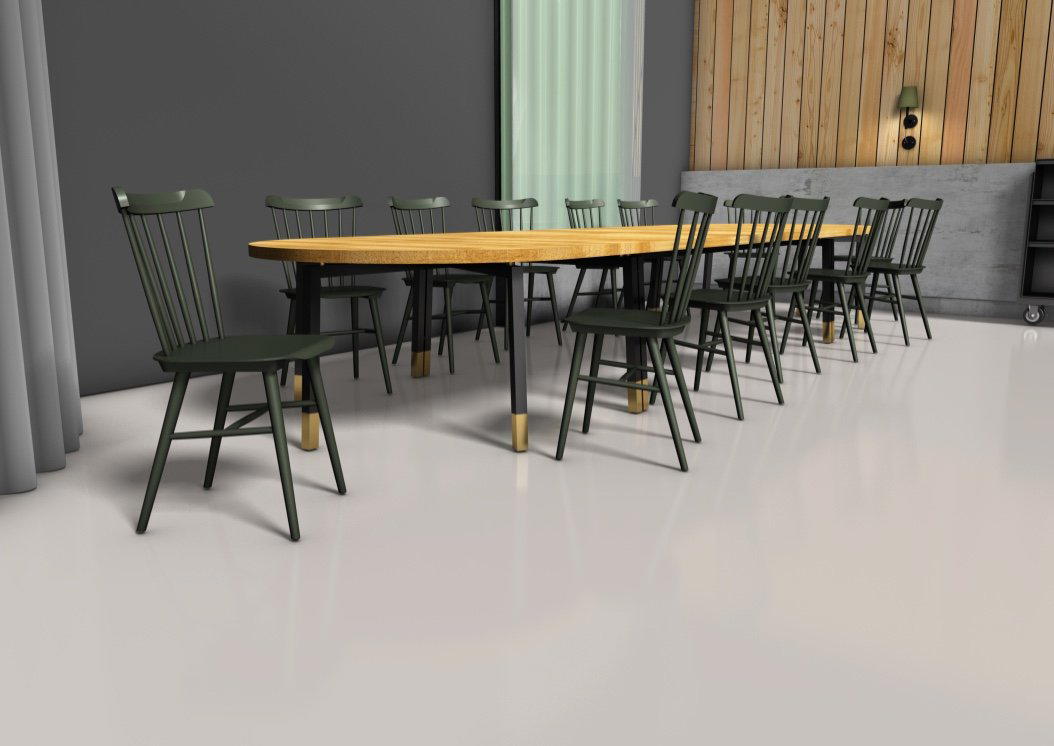
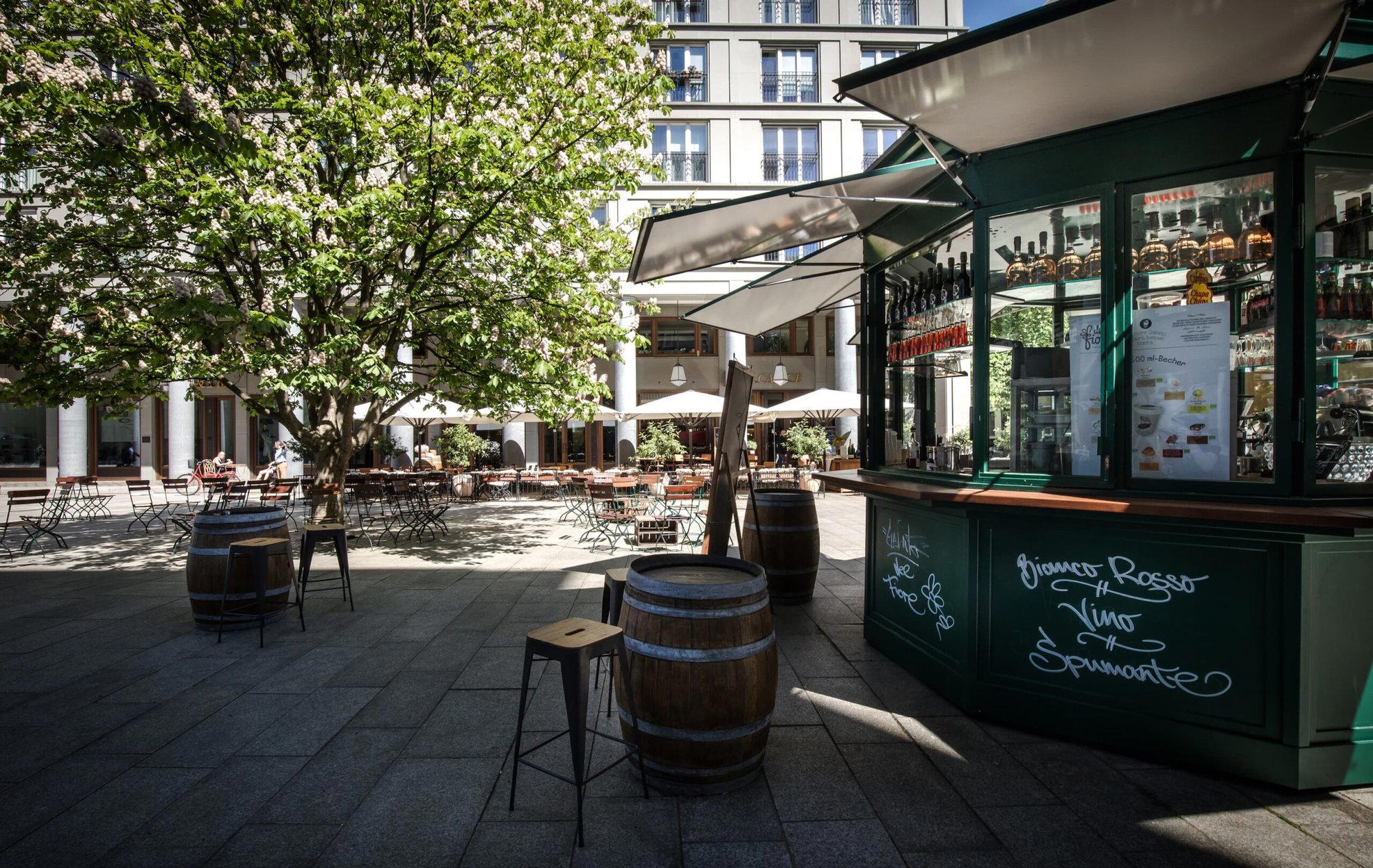
Bright and beautifully designed space with varied seating in a modern mall setting.