Sly Granny sits in Khan Market, one of Delhi's most consequential dining addresses, where the city's appetite for thoughtful, sustainability-conscious eating has found a foothold. Positioned alongside a competitive tier of restaurants rethinking how Indian ingredients reach the plate, it represents a strand of Delhi dining that prioritises provenance and restraint over spectacle.
Pearl is the En Primeur Club membership app — saves, bookings, and concierge access live there. Same editors, same standards.
- Address
- 4, Khan Market, Rabindra Nagar, New Delhi, Delhi 110003, India
- Phone
- +91 95999 65603
- Website
- slygranny.in
- Directions
- Get directions
 Saves & bookings on Pearl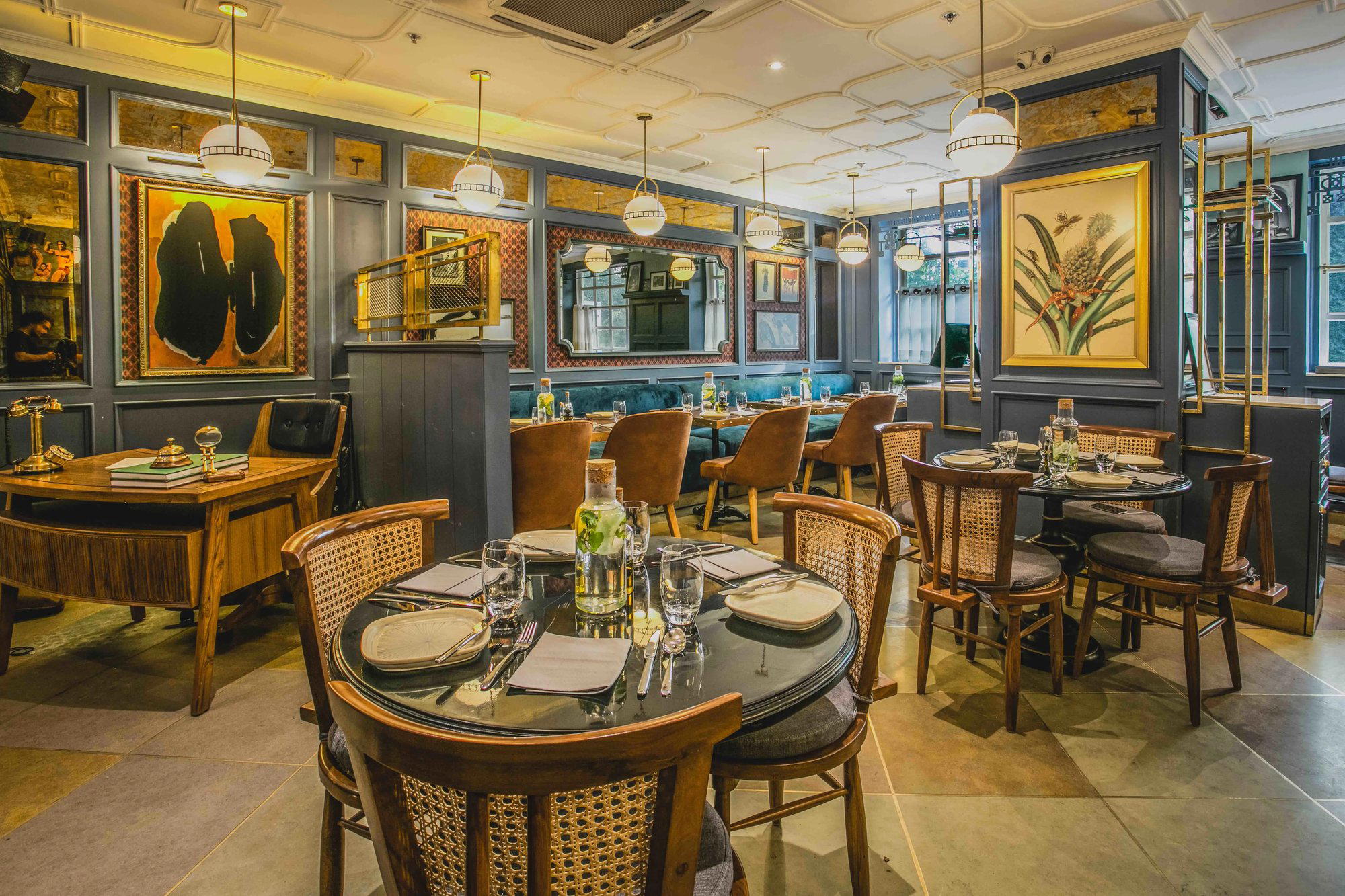
Khan Market and the Ethics of the Plate
Khan Market has long operated as a barometer for where Delhi's dining sensibility is heading. The enclave in Rabindra Nagar draws a crowd that splits between old-money regulars and a younger professional set with sharper opinions about sourcing, seasonality, and what ends up in the bin. In that context, Sly Granny occupies a meaningful address: 4, Khan Market, Rabindra Nagar, New Delhi, India, where foot traffic is high but tolerance for generic food is low. The neighbourhood has seen a visible turn toward restaurants that treat ingredient provenance as a starting point rather than a selling point, and that shift has reshaped what Khan Market regulars expect from a plate.
Across Indian cities, a specific tier of restaurants has emerged that positions itself against the volume-driven mainstream by making environmental consciousness a structural part of the kitchen operation, not an afterthought on the menu description. Farmlore in Bangalore built its entire format around direct farmer relationships and zero-waste prep cycles. Naar in Kasauli works with mountain forage and hyper-local produce in ways that the plains cities rarely replicate. Sly Granny in Delhi belongs to a conversation with venues like these: restaurants that understand sustainability not as a certification to display but as a discipline that runs through purchasing, preparation, and plate composition.
Delhi's Sustainability Turn, Slow but Serious
Delhi's dining culture has historically centred on abundance: the dal makhani that simmers overnight, the tandoor that never goes cold, the thali formats at places like Andhra Pradesh Bhavan where volume is the point. That tradition is not going anywhere, and it shouldn't. But running parallel to it is a smaller, more considered movement of restaurants asking harder questions about where protein comes from, what vegetable trimmings become, and whether the supply chain connecting kitchen to farm can be shortened without sacrificing quality.
This is not distinctive to Delhi. Kappa Chakka Kandhari in Chennai built its identity around Kerala produce handled with minimal intervention. Inja in New Delhi approaches Indo-Korean crossover with a precision that implies careful sourcing decisions rather than commodity purchasing. Even at the international level, the restaurants that have most consistently made the case for ethical sourcing, Le Bernardin in New York City, for instance, with its decades-long commitment to sustainable seafood, demonstrate that restraint and rigour are not in conflict with serious cooking. Sly Granny sits within that broader argument, applied to a Delhi context where the produce supply chains are both richer and more complex than in many comparable cities.
What the Khan Market Address Signals
Choosing Khan Market as a location says something specific about positioning. This is not Chandni Chowk, where places like Bikanervala and Chache Di Hatti operate in a tradition of democratic, high-volume feeding that has little patience for sourcing narratives. Khan Market commands higher rents and draws a different kind of diner: one who reads labels, asks where things come from, and has often eaten at enough restaurants across enough cities to have developed a point of view. A restaurant here that builds around sustainability principles is speaking to an audience that will hold it to that claim.
The competitive set within that immediate geography is demanding. Bukhara has held its position for decades on the strength of a singular, unreconstructed Northwest Frontier format. Curry Kitchen operates in a different register entirely. In between those poles, restaurants that make environmentally conscious cooking their primary identity are carving a niche that the Khan Market crowd is, increasingly, willing to support with their spending.
Indian Ethical Dining in a Wider Frame
The sustainability conversation in Indian restaurant dining is still developing its own vocabulary. Western frameworks around farm-to-table certification and carbon accounting translate awkwardly into a context where small farmers, wet markets, and informal supply chains have always operated with a lower ecological footprint than industrial food systems. What thoughtful Indian restaurants are doing instead is recovering and celebrating that informality: working with specific farmers by name, preserving heirloom grain and vegetable varieties that industrialised agriculture edged out, and treating waste reduction as an extension of the frugality already embedded in regional cooking traditions.
In Goa, Bomras in Anjuna has demonstrated that a small operation with tight ingredient discipline can sustain serious critical attention over time. In Hyderabad, Adaa at Falaknuma Palace shows that institutional cooking at scale can still honour regional ingredient traditions. In Rajasthan, Dining Tent in Jaisalmer operates in conditions that make waste reduction a practical necessity, not a philosophical position. Each of these cases reinforces the same conclusion: sustainability in Indian dining is most credible when it connects to place, season, and the specific ecology of the region rather than importing a generic green-restaurant template.
For a complete picture of how Delhi's restaurant scene distributes across styles, price points, and traditions, the EP Club Delhi restaurants guide maps the full range. Comparisons further afield are also instructive: Lazy Bear in San Francisco built its format around a communal, producer-focused ethos that still draws serious attention, and Americano in Mumbai shows how a metropolitan Indian audience responds to a cleaner, more restrained aesthetic. Leela Kerala Terrace in Trivandrum and Neel in Patiala round out the picture of how regional Indian kitchens are finding their own terms for ethical, place-rooted cooking.
Planning Your Visit
The restaurant is located at 4, Khan Market, Rabindra Nagar, New Delhi, a five-minute walk from Khan Market Metro Station on the Violet Line, making it direct to reach from most central Delhi hotels without relying on road traffic. Khan Market itself operates across lunch and dinner, with the mid-afternoon slot typically offering one relaxed pace. The restaurant is open daily from 12 to 11:30 PM, and reservations are recommended.
The Short List
Comparable venues nearby, for context on price, style, and recognition.
| Venue | Cuisine | Price | Notes |
|---|---|---|---|
| Sly GrannyThis venue — the venue you are viewing | Khan Market, European Fusion Gastropub | $$ | Not listed |
| Bikanervala | Chandni Chowk Delhi | Chandni Chowk, Indian Sweets and Snacks | $$ | Not listed |
| Curry Kitchen | Aerocity, Traditional Indian Curry House | $$ | Not listed |
| Lodi Slow Dining | Not listed | $$$ | Lodhi Estate, Modern European with Mediterranean influences |
| Farzi Cafe | Connaught Place, Modern Indian Fusion | $$$ | Not listed |
| La Piazza | Not listed | $$$ | Bhikaji Cama Place, Authentic Italian Trattoria |







At a Glance
- Whimsical
- Cozy
- Trendy
- Casual Hangout
- Date Night
- Craft Cocktails
Current opening hours
- Monday
- 12–11:30 PM
- Tuesday
- 12–11:30 PM
- Wednesday
- 12–11:30 PM
- Thursday
- 12–11:30 PM
- Friday
- 12–11:30 PM
- Saturday
- 12–11:30 PM
- Sunday
- 12–11:30 PM
Hours can change for holidays and private events. Last verified .
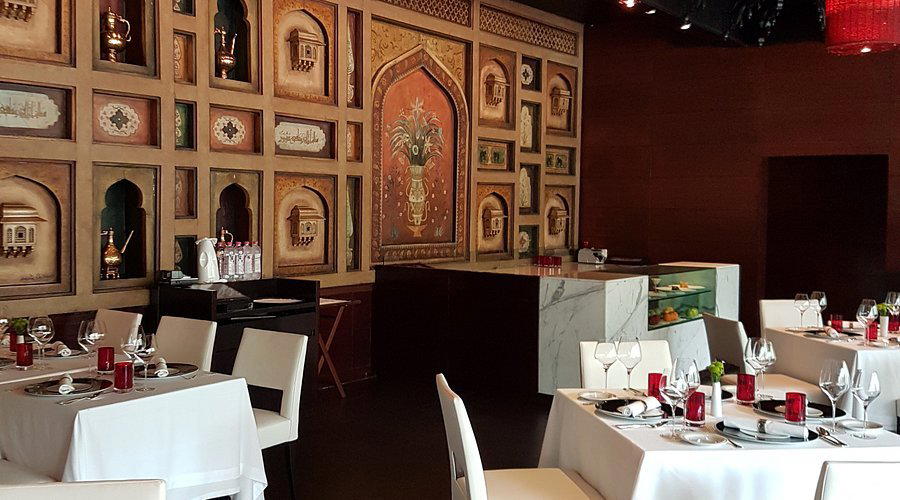
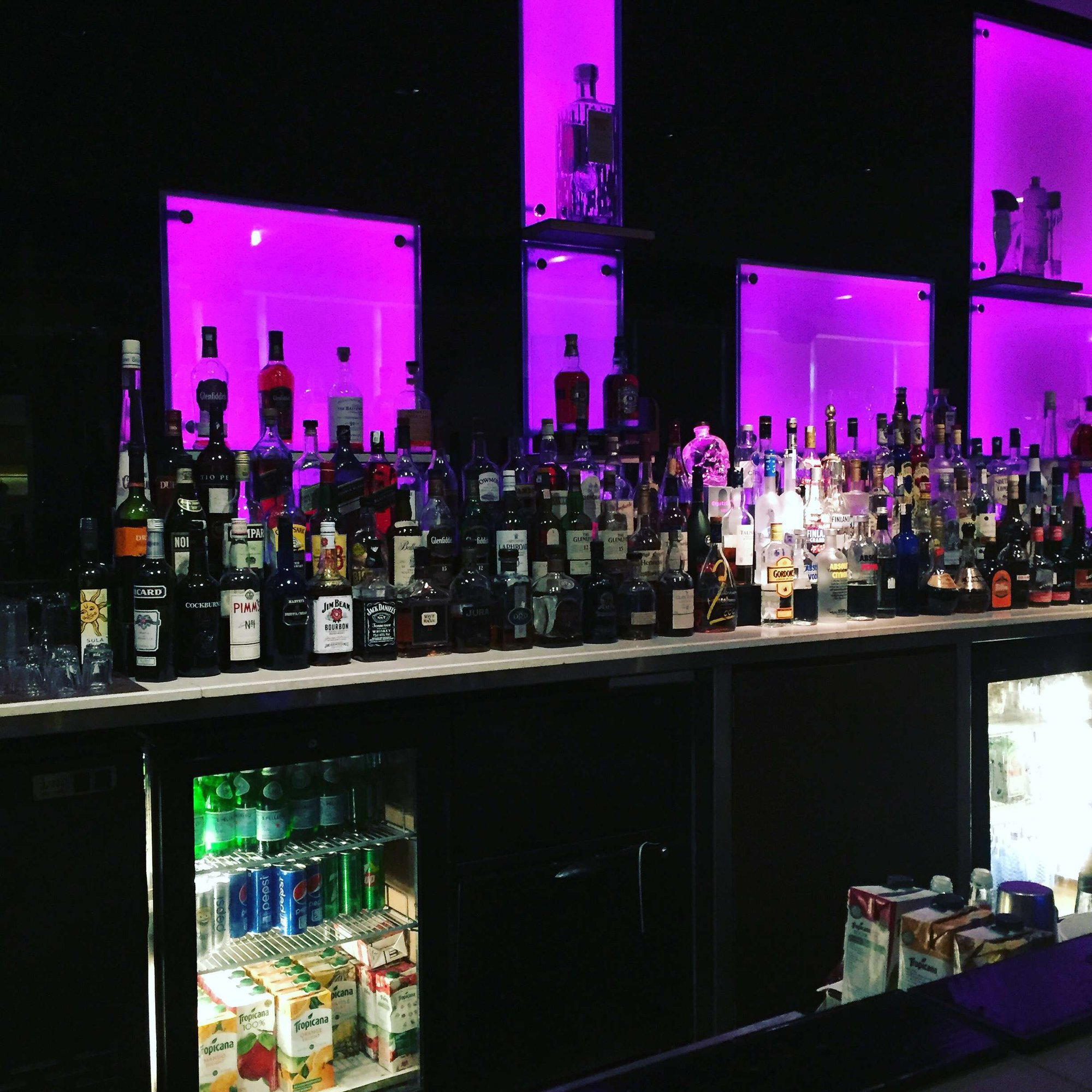
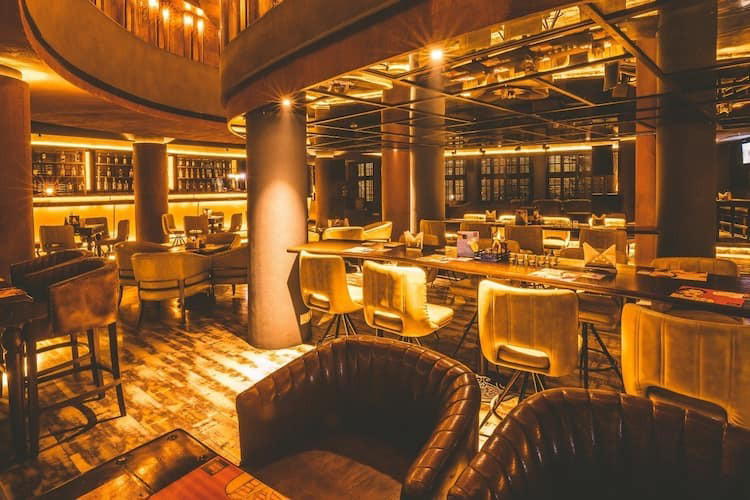
Quirky and fun decor in a cramped, cozy space well-suited for chilling with excellent drinks.