SLON occupies a spot on Venac Petrove Gore in central Sombor, a city whose wide, tree-lined boulevards set a slower, more deliberate pace than Serbia's larger urban centres. The name itself connects the venue to a longer local story, STARI SLON (Old Elephant) is a separate address nearby, giving the two a shared civic identity. For visitors working through Sombor's dining options, SLON sits within a compact scene worth understanding before you book.
Pearl is the En Primeur Club membership app — saves, bookings, and concierge access live there. Same editors, same standards.
- Address
- Venac Petrove Gore bb, Sombor 25000, Serbia
- Phone
- +38125480444
- Website
- restoranslon.com
- Directions
- Get directions
 Saves & bookings on Pearl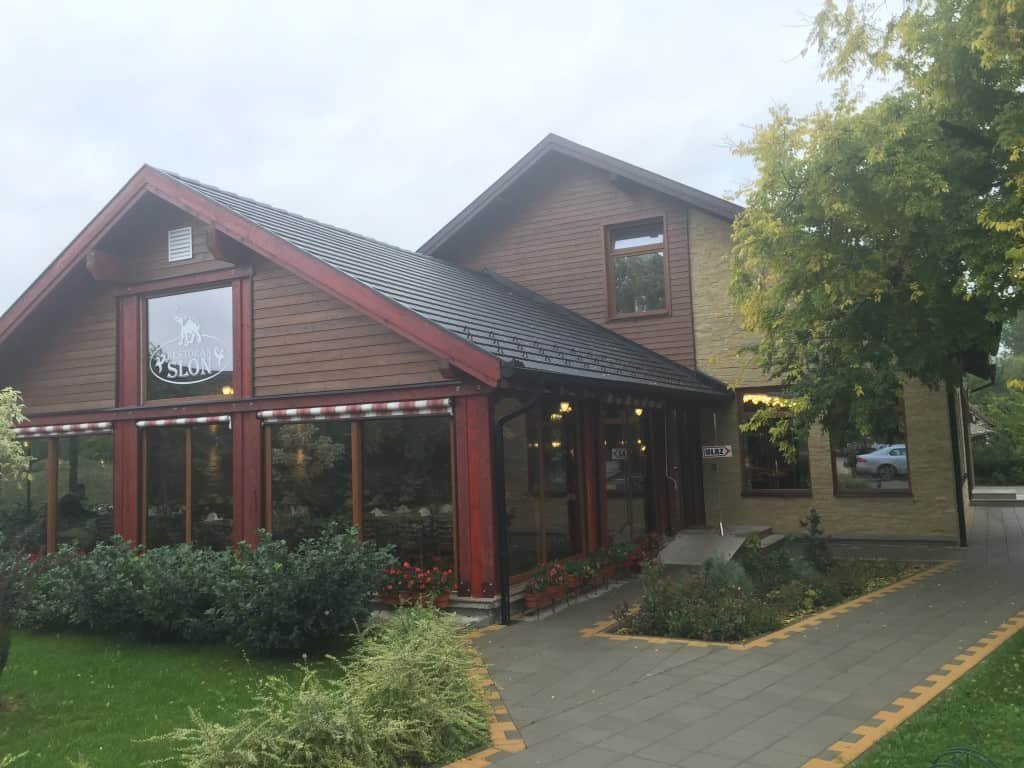
The Pace of a Sombor Table
Sombor does not rush. The Vojvodina capital's Habsburg-era centre, with its generous street widths and canopied promenades, shapes how its residents eat and drink: unhurriedly, in company, across extended hours. Venac Petrove Gore, the address where SLON is located, sits within that civic core, and the rhythm of the street outside tends to set the tempo of the meal inside. In towns built at this scale, dining is less a transaction and more a structured pause in the day, and venues that understand that pacing tend to hold their tables longer and earn repeat business from locals ahead of passing visitors.
That dynamic is worth keeping in mind for anyone arriving from Belgrade or Novi Sad, where the dining clock runs faster and the expectation of a brisk turnover is baked into many restaurant formats. Sombor's better addresses, SLON among them, operate closer to the kafana tradition: the table is yours, the order arrives without theatre, and the expectation on both sides is that you will stay.
Where SLON Sits in Sombor's Dining Scene
Sombor's restaurant offer is narrower than its size might suggest, which means each address carries more weight in the local hierarchy. The scene divides broadly into traditional Serbian cooking built around grilled meats and hearty Vojvodina staples, fish restaurants drawing on Danube and canal produce, and more casual formats serving pizza and grill. SLON occupies Venac Petrove Gore bb, positioning it centrally rather than on the periphery, which in a compact city like this means it competes for the same local midday and evening trade as places like Etno Restoran Fijaker and STARI SLON, the latter sharing a name etymology that signals some historical or ownership connection worth noting.
The presence of Riblja čarda Andrić in the local offer is a reminder that freshwater fish cooking remains one of Vojvodina's genuine regional strengths, with carp, catfish, and pike-perch (the Danube region's ubiquitous smoked and stewed fish stew, riblja čorba) representing a culinary tradition that predates the modern restaurant format by centuries. Whether SLON leans into that regional specificity or operates across a broader Serbian menu is information that currently sits outside the available record, but the geographic and cultural context puts those ingredients on the table as a plausible reference point. For the pizza and lighter-format end of the market, PIZZA ART occupies a different tier of the same local scene.
The Ritual of the Serbian Meal
Understanding how Serbians structure a sit-down meal is more useful than any menu description for a first-time visitor. The format has its own internal logic. A proper lunch or dinner begins with cold starters, often cured meats, ajvar, and white cheese, and moves to a soup or salad before the main protein course. Bread arrives without asking. Rakija, the fruit brandy that functions as both aperitif and digestif across the Western Balkans, may appear at either end of the meal or both. Dessert is often lighter than the preceding courses suggest it should be, and coffee signals the closing of the ritual rather than an invitation to leave.
Venues on Venac Petrove Gore that understand this sequence tend not to rush it. The pacing is part of the hospitality offer, not an inefficiency to be corrected. For visitors accustomed to tasting-menu formats where each course arrives on a clock, the Serbian kafana structure requires a different mode of attention: you engage with the table, the company, the wine or beer in front of you, and you let the kitchen find its own rhythm. The meal at its leading resembles a long conversation with a clear structure but no fixed end time.
This tradition has regional parallels across the Balkans and Central Europe, and Vojvodina's specific version carries the influence of Hungarian, German, and Slovak communities who settled the region under Habsburg rule. The result is a table culture that is distinctly Serbian in its priorities while carrying the traces of multiple culinary inheritances, particularly in the grain-forward sides, the paprika-heavy sauces, and the tendency toward slow-cooked rather than quickly fired preparations.
Sombor in the Wider Serbian Restaurant Context
Serbia's dining conversation tends to concentrate on Belgrade, where addresses like Langouste represent the capital's more formal and internationally oriented tier. Provincial cities like Sombor, Cacak, Valjevo, and Pirot maintain their own local hierarchies that operate largely independently of that conversation. Kod Brana in Cacak, Lovački dom in Valjevo, and KAFANA DUKAT in Pirot each anchor their respective cities' scenes in the same way that SLON and its peers anchor Sombor's.
The pattern across these cities is consistent: one or two addresses hold the local loyalty, pricing stays accessible relative to Belgrade, and the menu tends to favour regional produce and traditional preparation over imported techniques. Vojvodina's flat agricultural plain means the larder is well-stocked with pork, poultry, freshwater fish, and vegetables, and the leading local kitchens express that supply chain directly on the plate rather than importing it. Comparable Vojvodina-adjacent dining traditions can be traced in venues like ČARDA ZLATNA KRUNA in Apatin, a town less than forty kilometres from Sombor on the Danube, where the riverbank carda format brings its own specific ritual to the table. Further afield, Etno Kuća Dinar in Vrsac and Windmill in Pancevo represent similar provincial anchors in the eastern and southern Vojvodina belt.
For visitors who have eaten at more formally structured addresses, whether in Serbia or internationally, calibrating expectations toward the provincial format is useful preparation. The ambition at a Sombor table is to sustain a tradition of hospitality that measures success in how long and how comfortably guests remain. That is a different kind of discipline, and in the right frame of mind, a more relaxing one. Compare this to the highly choreographed intensity of a New York tasting counter like Atomix or the classical European rigour of Le Bernardin, and the Serbian provincial meal reveals itself as operating in a register that is quieter but no less intentional. Further Serbian context is available through addresses like Kafe Restoran Maša in Novi Sad, Aleksandar Gold in Uzice, Grand **** in Kopaonik, and Kod poštara in Aran Elovac.
Planning a Visit
SLON is located at Venac Petrove Gore bb in central Sombor, within walking distance of the city's main square and the tree-lined parks that define the neighbourhood's character. SLON is located at Venac Petrove Gore bb in central Sombor, within walking distance of the city's main square and the tree-lined parks that define the neighbourhood's character. Sombor is approximately 170 kilometres northwest of Belgrade by road, making it a plausible day trip from the capital or a stop on a wider Vojvodina circuit. Sombor is approximately 170 kilometres northwest of Belgrade by road, making it a plausible day trip from the capital or a stop on a wider Vojvodina circuit.
- Pork ribs in cream
- Mixed meat grill
- Leskovac fritters
- Kebabs
- Grilled fish
- Šopska salata
- Punjene palačinke
Cuisine and Credentials
Comparable venues nearby, for context on price, style, and recognition.
| Venue | Cuisine | Price | Notes |
|---|---|---|---|
| SLONThis venue — the venue you are viewing | Traditional Serbian Barbecue & Grill | $$ | Not listed |
| STARI SLON | Traditional Serbian Barbecue | $$ | city center |
| PIZZA ART | Neapolitan Pizza | $$ | Vojvođanska |
| Etno Restoran Fijaker | Traditional Serbian Grill & Barbecue | $$ | Park Heroja |
| Riblja čarda Andrić | Traditional Serbian Fish Čarda | $$ | Štrand |
| Код Брке | Serbian Pub Restaurant | $$ | Telep |
Continue exploring
More in Sombor
Restaurants in Sombor
Browse all →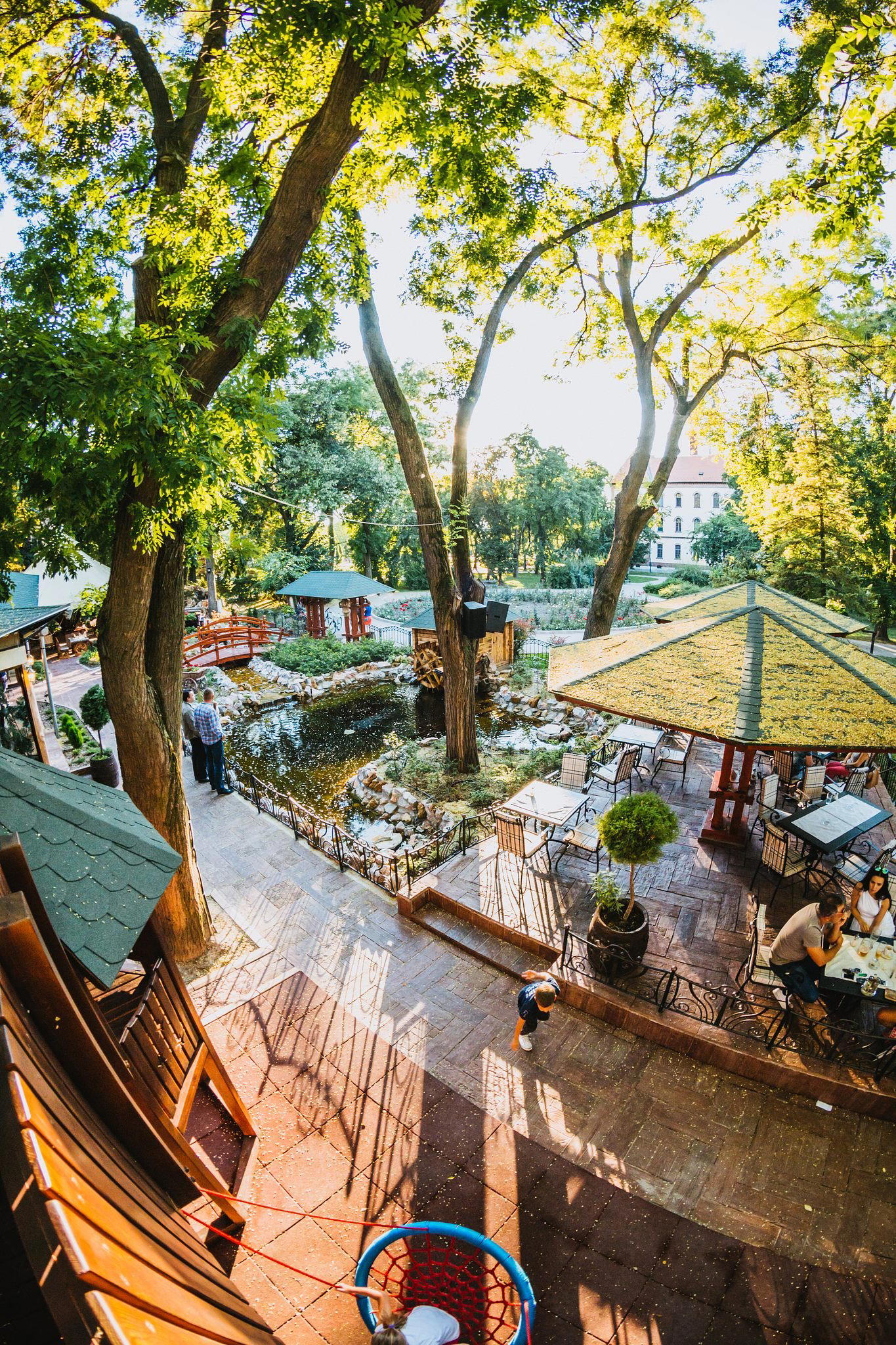
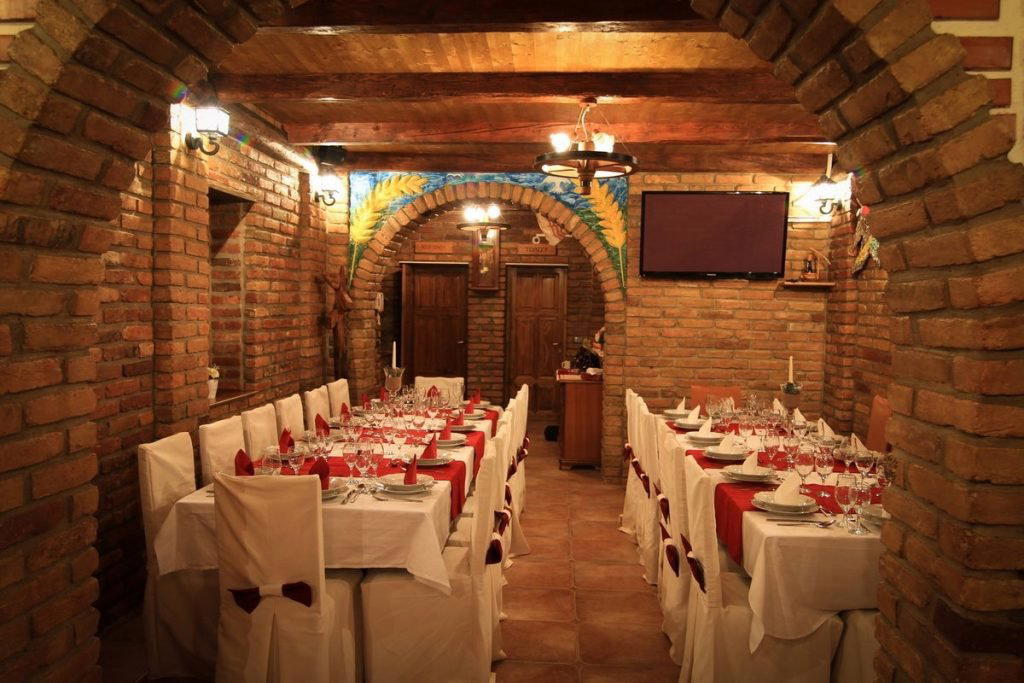
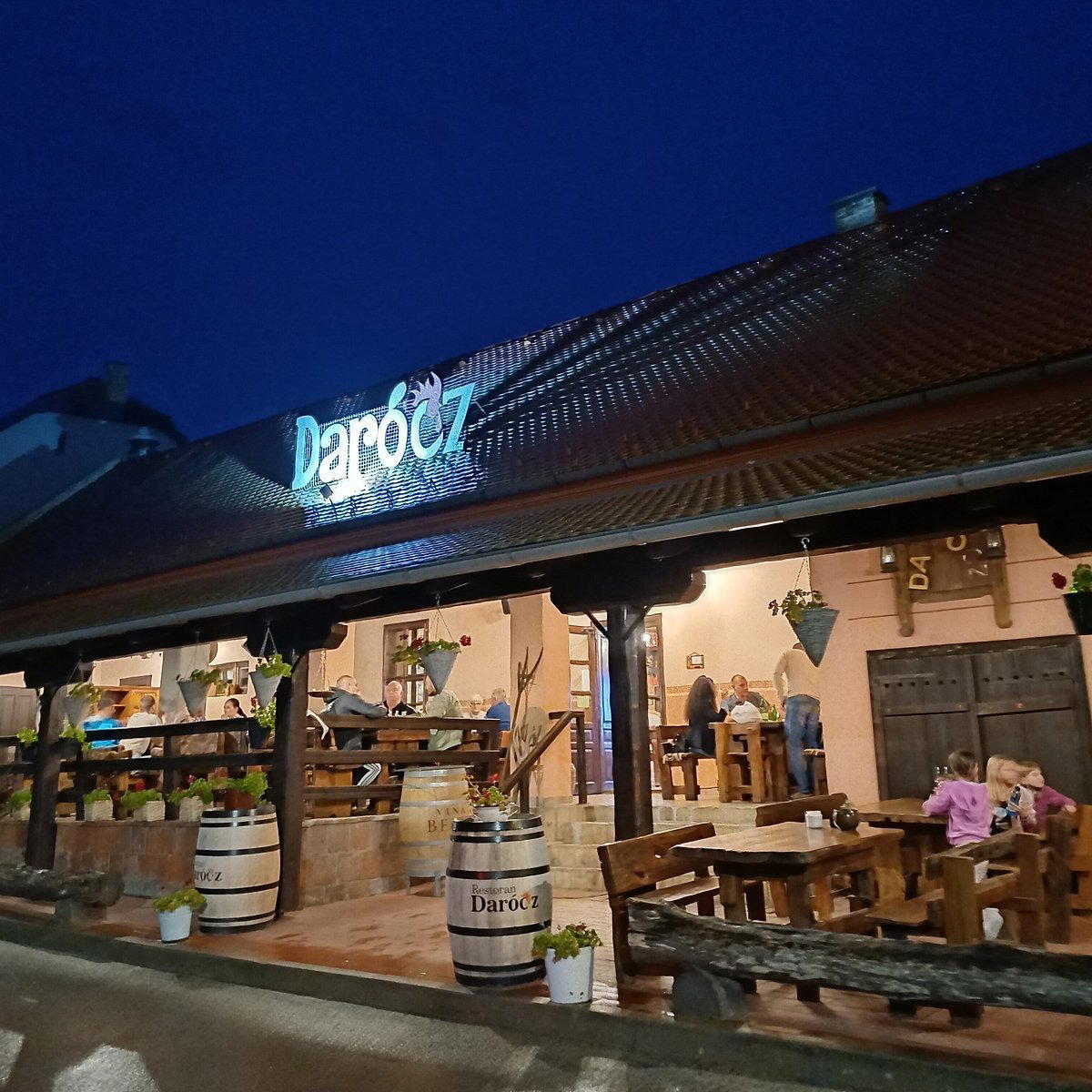

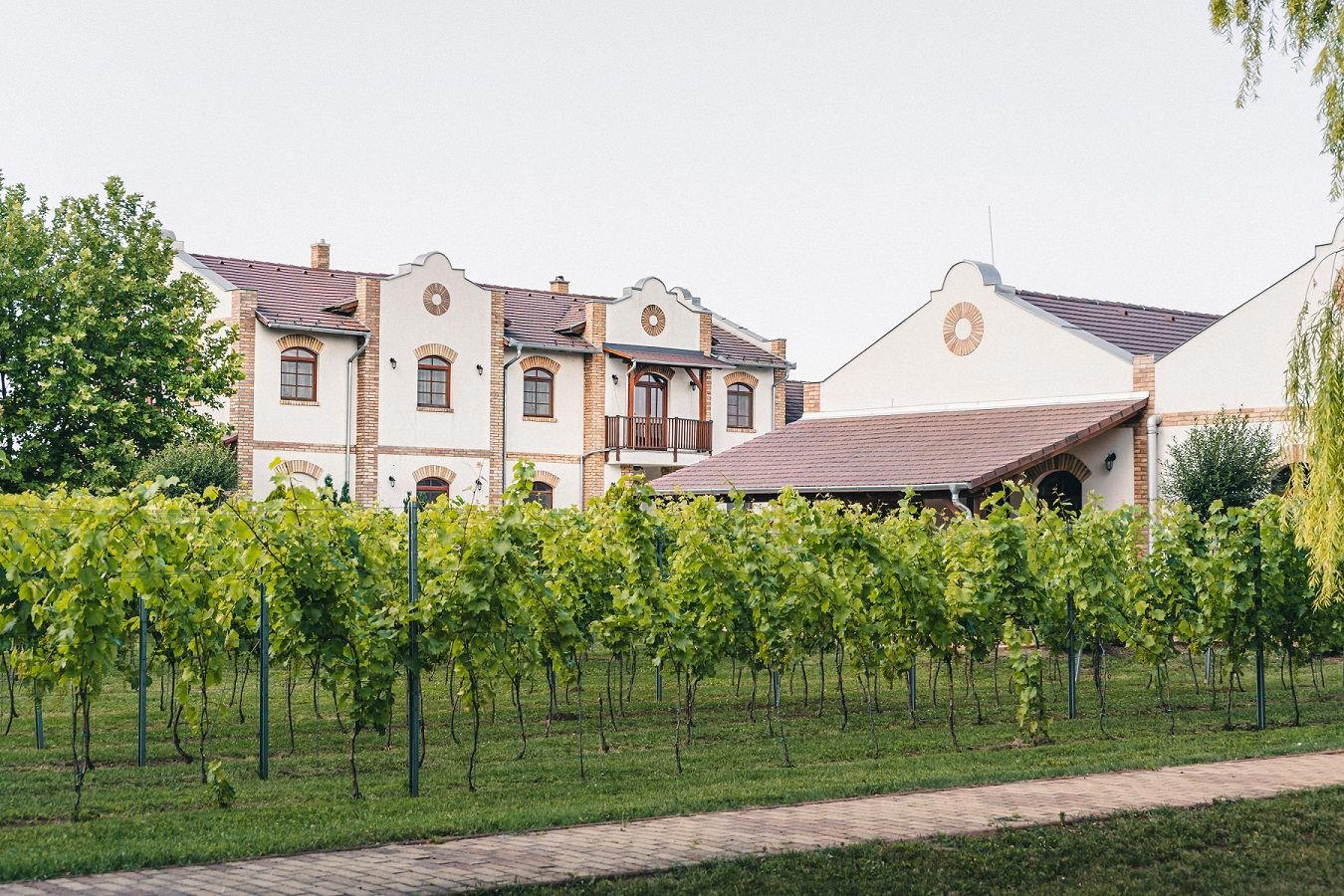
At a Glance
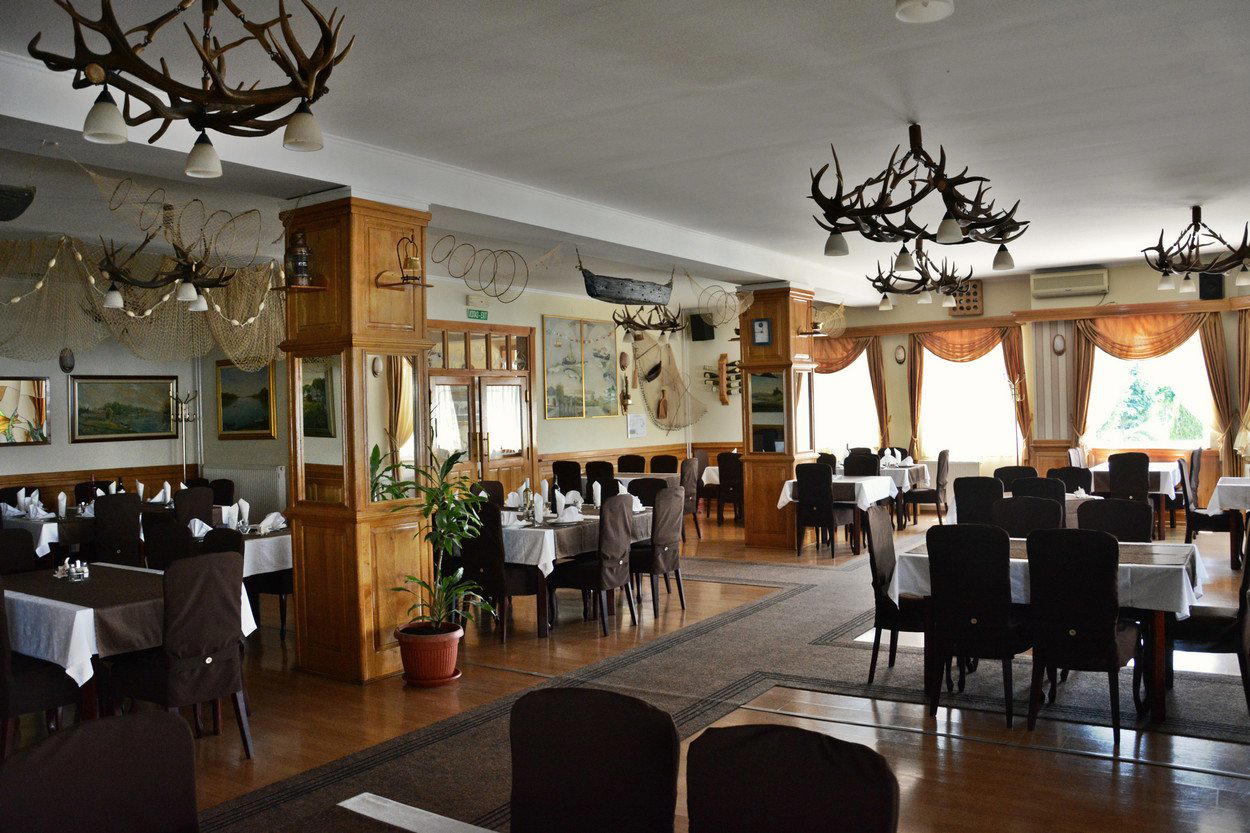
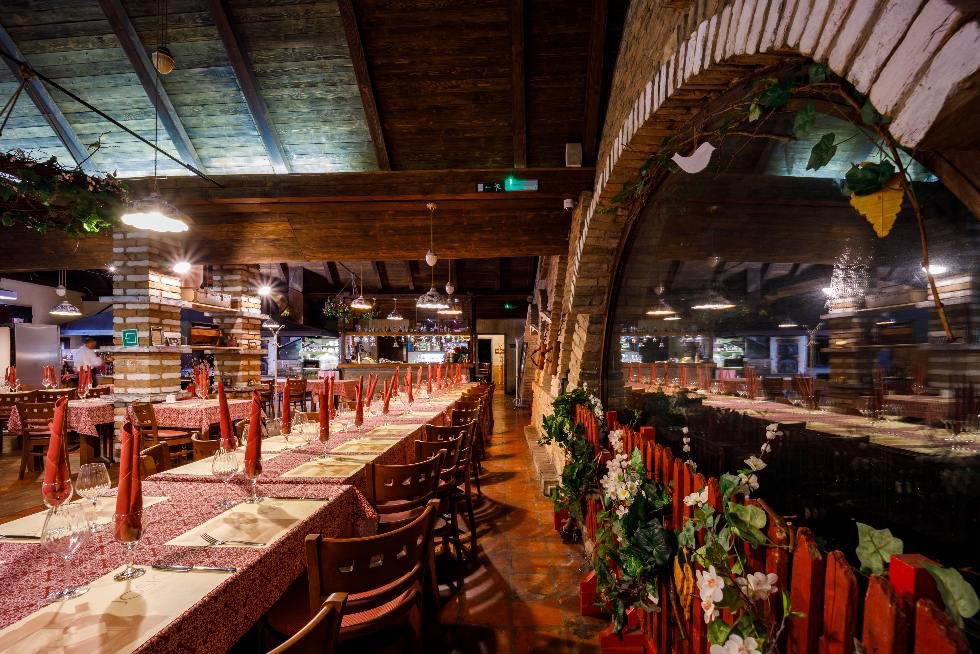
- Rustic
- Classic
- Well Known
- Casual Hangout
- Group Dining
- Family
- Garden
- Standalone
- Garden
Current opening hours
- Monday
- 8 AM–12 AM
- Tuesday
- 8 AM–12 AM
- Wednesday
- 8 AM–12 AM
- Thursday
- 8 AM–12 AM
- Friday
- 8 AM–12 AM
- Saturday
- 8 AM–12 AM
- Sunday
- 8 AM–12 AM
Hours can change for holidays and private events. Last verified .