
Tabelog 100 #33
Our verdict
Kobe’s beef culture is often read through steak counters and tourist-facing teppanyaki, but yakiniku tells a different story: communal, cut-driven, and less formal. Yakiniku Possam Chip sits in that lane with Tabelog 100 Yakiniku WEST recognition for 2025, a 30-seat room, and a menu identity built around Kobe beef, long-matured Omi beef, tripe, and Korean cold noodles.

Pearl is the En Primeur Club membership app, where members save venues, book tables and use the concierge.
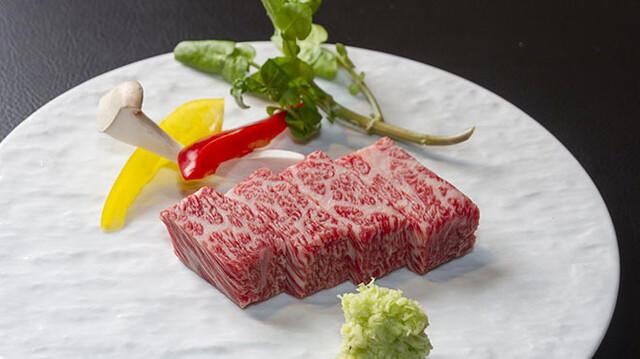
The menu
What to order
- Kobe beef yakiniku platters
- Aged Omi beef cuts
- Assorted horumon (offal) sashimi
- Korean cold noodles (reimen)
Approach a serious yakiniku room in Kobe and the first cue is concentration, not ceremony. Tables become workstations, smoke control matters, and the meal depends on timing shared by kitchen, service, and the diner at the grill. In a city where beef dining can become polished restaurant theatre, yakiniku keeps the experience at the table: cuts arrive for cooking, the table sets the pace, and front-of-house reads groups as much as orders.
That distinction matters in Kobe. Visitors often arrive thinking of beef, then default to counter formats because they are easy to understand. Yakiniku asks for different attention: not only the headline meat, but the sequencing of cuts, treatment of offal, balance of richer meats with Korean cold noodles or rice, and the rhythm of a table that may include families, friends, and repeat locals in one sitting.
Kobe beef culture, read through the grill rather than the steak counter
Yakiniku Possam Chip belongs to the less performative side of Kobe’s meat-dining economy. Its public category set is direct: yakiniku, tripe, and Korean cold noodles. That places it inside a grilling tradition where meat quality matters alongside range: leaner cuts, fattier cuts, offal, starch, soup, and the pacing of the table must work together. The restaurant’s Tabelog 100 Yakiniku WEST selection in 2025 is the relevant trust signal, because the list evaluates it inside a regional grilling category rather than against formal fine dining.
The category language clarifies the lane. Yakiniku gives immediate local relevance in Kobe, while tripe points to a meal that is broader than a simple premium-meat showcase. Korean cold noodles add another register, giving the table a cooling, finishing counterweight to richer grilled cuts. In strong yakiniku houses, offal tests procurement, trimming, seasoning, and grill timing; here, the public categories make that part of the restaurant’s identity rather than an afterthought.
Compared with other Kobe addresses such as Kyuan, Sansho An, Yoshokuya Yuuki, Grill Ippei Shinkaiti honten, and Fumi, this sits in a more grill-focused dining mode. Kobe can be eaten in many ways, but a yakiniku evening asks diners to allocate appetite and attention differently. For a broader city read, Our full Kobe restaurants guide gives the wider map, while nearby Kobe coverage also includes Our full Kobe hotels guide, Our full Kobe bars guide, Our full Kobe wineries guide, and Our full Kobe experiences guide.
The meal depends on teamwork at the table
The assigned drama of yakiniku is often the grill, but the better reading is collaborative service. The kitchen prepares cuts for the table; front-of-house paces the meal, manages the room, and keeps groups moving without making the evening feel merely timed. The format rewards balance: richer beef, tripe, sauces, rice or noodles, and drinks all have to support one another rather than compete for attention.
The format changes the social contract. A chef-led tasting menu asks diners to receive; yakiniku asks them to participate. That rewards groups who share decisions rather than order individual mains. Instead of treating the meal as a single plate of famous beef, diners get more from paying attention to sequence, grill timing, and how each category changes the appetite for the next round.
Groups can be part of the equation in this style of restaurant, but the key point is not informality for its own sake. Kobe’s beef culture here remains social and shared, closer to a communal table than a luxury performance. For diners comparing formats, other Kobe dining rooms may point toward counter service or steak-house vocabulary, while Yakiniku Possam Chip emphasizes shared grilling, tripe, and Korean cold noodles.
How to place it in a Kobe eating itinerary
The editorial choice is clear: come here when Kobe beef should feel communal rather than ceremonial. The stronger order is not a single famous-beef purchase, but letting the categories work: yakiniku, tripe, noodles, and supporting dishes in sequence. Korean cold noodles are not decorative; in yakiniku culture, the cold noodle finish resets the palate after richer cuts and brings the meal back from fat to clarity without dessert or another heavy dish.
Respect the practical signals. The public budget places dinner at JPY 6,000 - JPY 7,999 and lunch at JPY 4,000 - JPY 4,999, with a Tabelog score listed at 3.65. Those details matter because yakiniku runs on timing: arriving with group size, appetite, and the order of the meal settled keeps the table from becoming a logistical negotiation.
Use the surrounding Kobe list as context rather than competition. Other Kobe dining rooms show how varied the city’s dining map becomes beyond beef shorthand. For cross-city comparison, Japan’s dining range can stretch from unnamed grill counters and noodle shops to casual cafés and specialist kitchens in other cities. Abroad, Japanese food culture travels in many forms, but Kobe’s grill rooms make a case for staying close to source.
Frequently asked questions
Is Yakiniku Possam Chip a family-friendly restaurant?
Yakiniku is naturally suited to shared tables, but specific family facilities should be confirmed directly with the venue. Yakiniku Possam Chip is in Kobe. Check the venue's official channels for the latest details.
What should I expect atmosphere-wise at Yakiniku Possam Chip?
Expect a table-grill yakiniku format. The public categories are yakiniku, tripe, and Korean cold noodles, and Tabelog selected it for the Yakiniku WEST 100 in 2025, so the room reads as a Kobe grilling destination.
What price level is Yakiniku Possam Chip?
Pricing at Yakiniku Possam Chip is listed as dinner: JPY 6,000 - JPY 7,999; lunch: JPY 4,000 - JPY 4,999.
What is Yakiniku Possam Chip known for?
Yakiniku Possam Chip is known for yakiniku, tripe, and Korean cold noodles in Kobe, with Tabelog 100 Yakiniku WEST recognition in 2025.
The Essentials
Comparable venues by cuisine and price in the same metro.
| Venue | Cuisine | Price | Awards | Notes |
|---|---|---|---|---|
| Yakiniku Possam ChipThis venue (the venue you are viewing) | Kobe beef & offal yakiniku with Korean-style cold noodles | $50–100 | Tabelog 100 #33 | Not listed |
| Kyuan | Traditional Soba Noodle Shop | $10–20 | Tabelog 100 #92 | JPY 2,000 - JPY 2,999 JPY 1,000 - JPY 1,999 View spending breakdown |
| Sansho An | Udon and curry udon shop | $10–20 | Tabelog 100 #68 | JPY 999 - JPY 999 View spending breakdown |
| Yoshokuya Yuuki | Japanese yoshoku (Western-style comfort food) | $10–20 | Tabelog 100 #44 | JPY 1,000 - JPY 1,999 JPY 1,000 - JPY 1,999 |
| Grill Ippei Shinkaiti honten | Yoshoku (Japanese-Style Western Cuisine) | $10–20 | Tabelog 100 #27 | JPY 1,000 - JPY 1,999 JPY 1,000 - JPY 1,999 |
| Fumi | Seafood Stand-Up Bar | Not listed | Tabelog 100 #74 | JPY 1,000 - JPY 1,999 JPY 1,000 - JPY 1,999 |
Recognition history
Dated appearances from independent guides and award organizations, with the underlying list record or original source where available.
Tabelog 100 #33 · No. 33
Tabelog · Tabelog 100 - Yakiniku - WEST - 2025
Continue exploring
More in Kobe
Restaurants in Kobe
All restaurants in Kobe →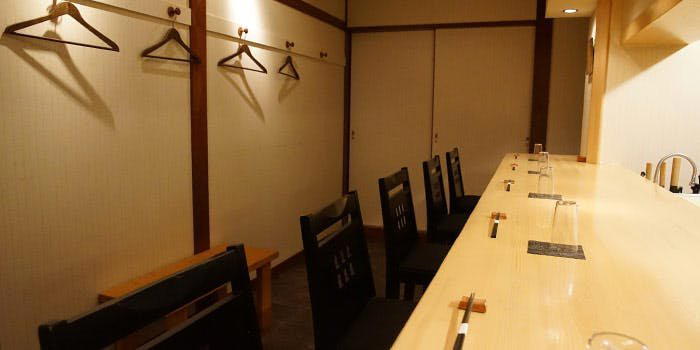

Bars in Kobe
Browse all →


Hotels in Kobe
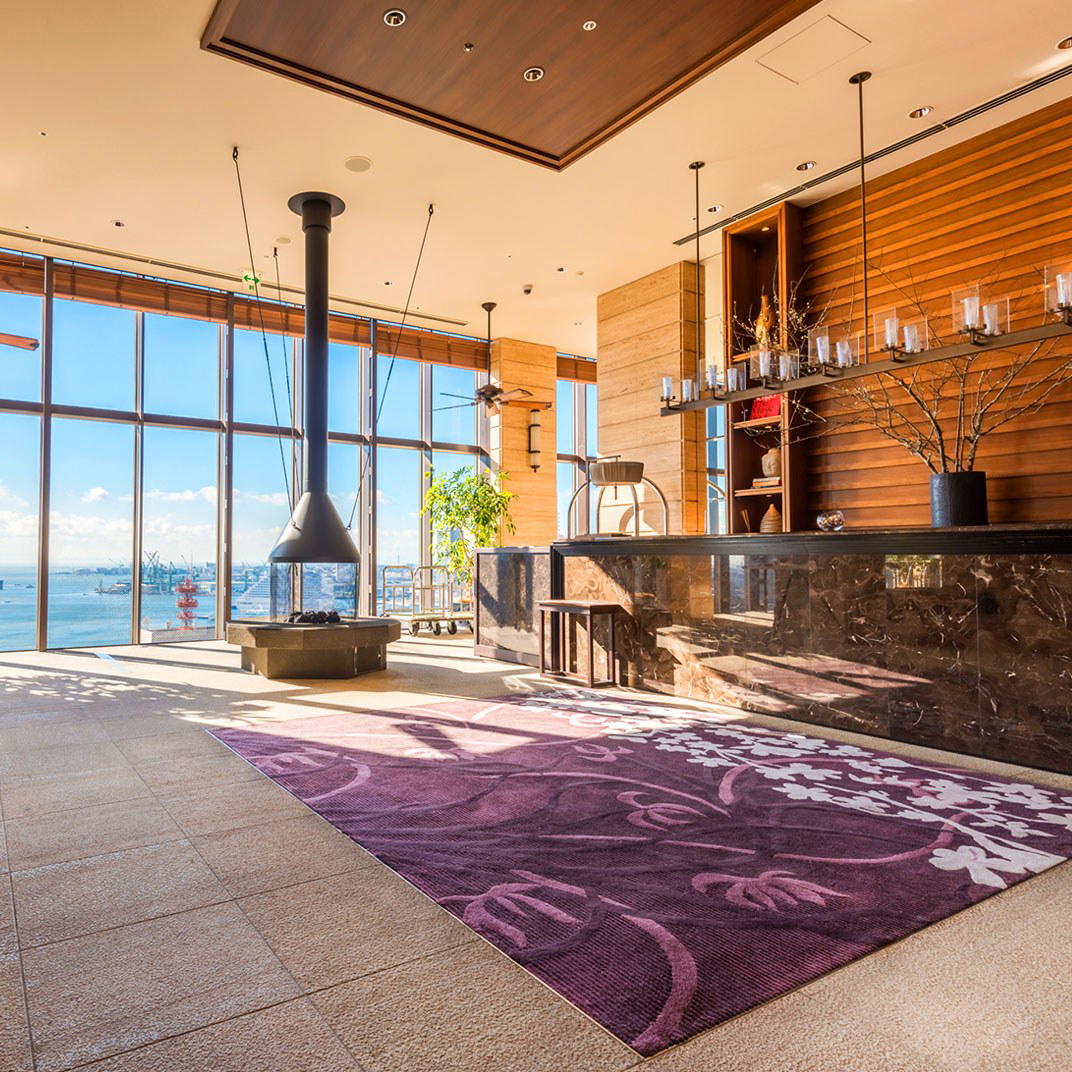
All hotels in Kobe →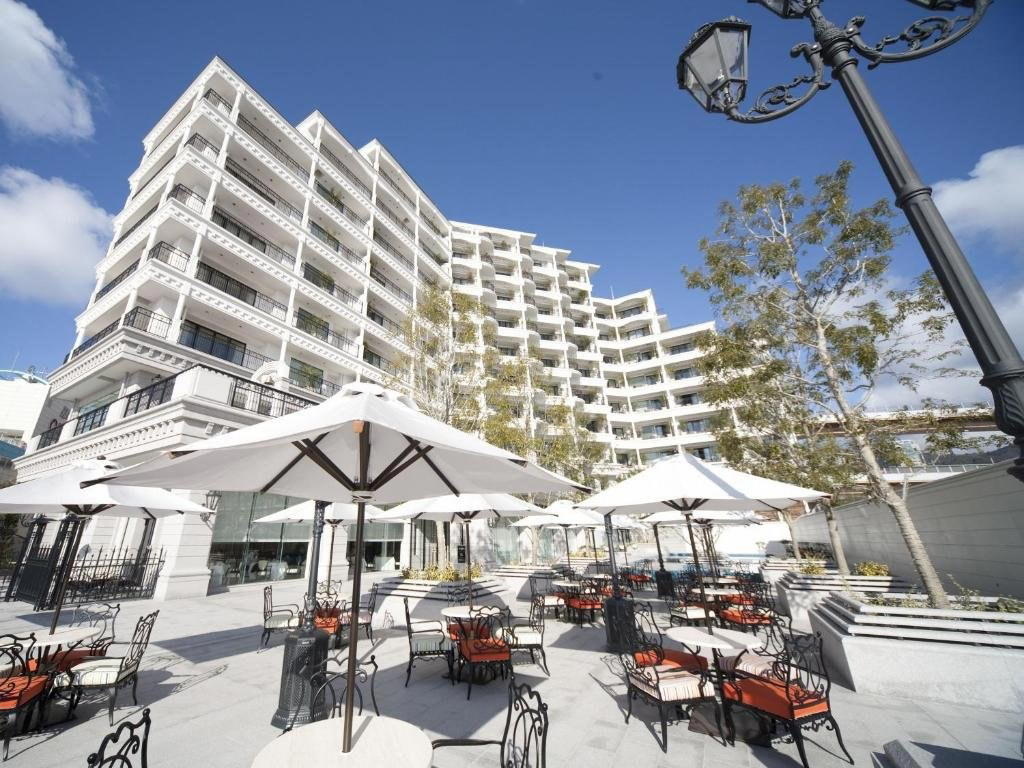
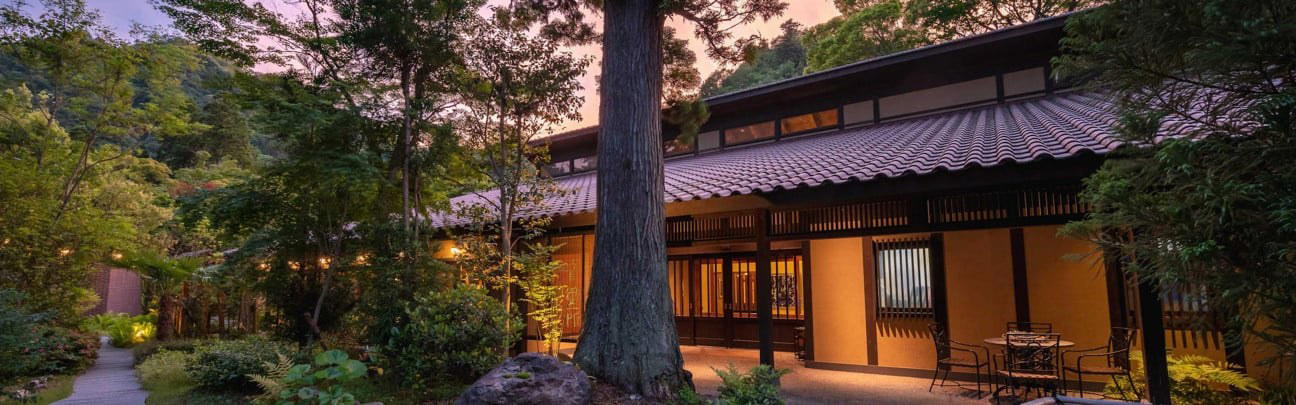
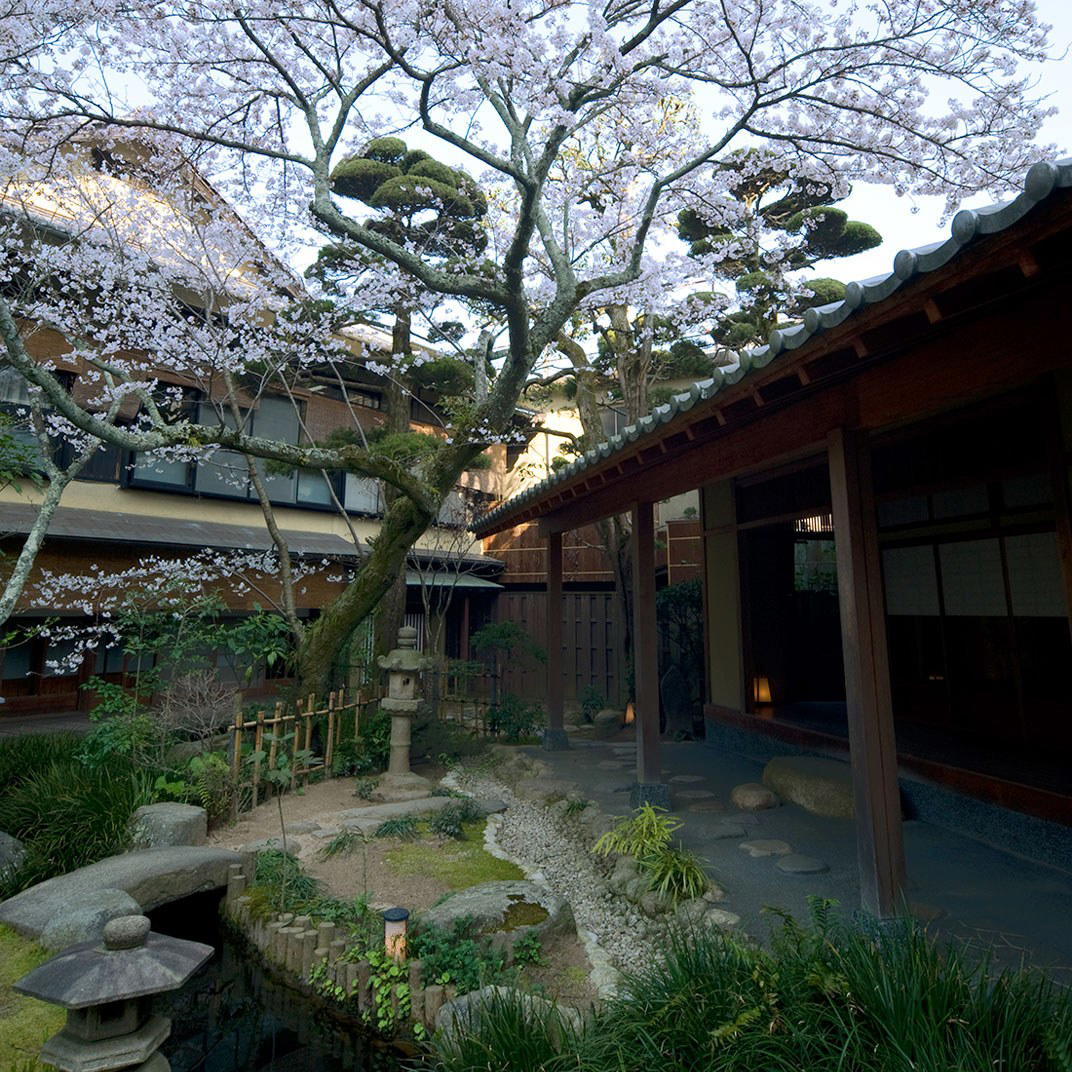
Wineries in Kobe
Browse all →
Details
- Lively
- Cozy
- Group Dining
- Casual Hangout
- After Work
- Date Night
- Late Night
- Standalone
- Sake Program
- Beer Program
- Local Sourcing
- A La Carte
- Set Menu
- Family Style
- Beer
- Sake
- Sochu
Current opening hours
- Monday
- 5–10 PM
- Tuesday
- 5–10 PM
- Wednesday
- 5–10 PM
- Thursday
- Closed
- Friday
- 5–10 PM
- Saturday
- 12–3 PM, 5–10 PM
- Sunday
- 12–3 PM, 5–10 PM
Hours can change for holidays and private events. Hours as of .