← Guides
A collector’s guide to visiting Château Haut-Brion and Château La Mission Haut-Brion, with realistic advice on introductions, appointment requests, costs, and backup Bordeaux tastings.
A collector’s guide to visiting Château Haut-Brion and Château La Mission Haut-Brion, with realistic advice on introductions, appointment requests, costs, and backup Bordeaux tastings.
You can pursue a visit to Château Haut-Brion1 and Château La Mission Haut-Brion,2 but assume no walk-in access and no public reservation calendar. The safest route is a written appointment request supported by a serious fine-wine merchant, négociant, hotel concierge, or trade introduction. Build a backup tasting before you build the trip.
For a collector, that is the essential answer. Treat both châteaux less like tasting rooms and more like allocations: request politely, give context, confirm every detail in writing, and never plan around a guessed release window. Without a confirmed appointment, you do not have access.
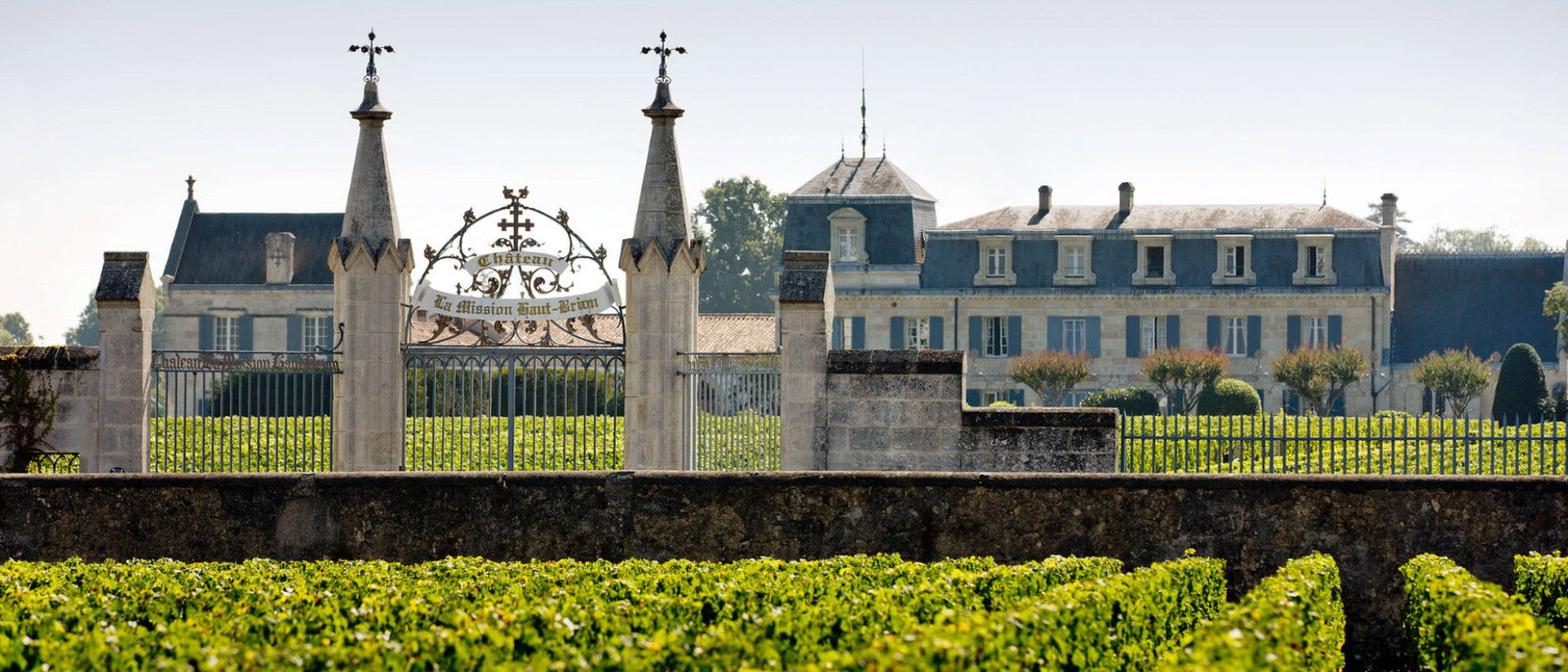
Haut-Brion and La Mission sit in the part of wine culture where access is often as scarce as bottle flow. The difficulty is capacity, protocol, and the difference between public hospitality and estate-led reception. Reservations are required to visit Château Haut-Brion, and tours are by appointment only.1 Visits and tastings at Château La Mission Haut-Brion are by appointment only.2
The people competing for the same kind of slot are not casual tourists. They are importers, merchants, collectors with long purchase histories, journalists, sommeliers, and private clients whose requests arrive through someone the estate already knows. Access is not impossible, but an anonymous note asking for "a tour and tasting" gives the host little to work with.
Your request needs a reason to be read. Mention your cellar focus, whether you buy through a merchant with a relationship to the wines, the purpose of the visit, and the dates you can honor. A request that reads like a collector's note will travel further than one that reads like an itinerary box to be ticked.
Do not plan around a rumor that appointments open on a particular day, through a particular platform, or at a particular hour. Confirm directly with the estate or through the person making the introduction before you lock hotels, drivers, or lunch.
The practical rhythm is softer than a restaurant release. First, secure the introduction. Then ask whether either château is receiving private visitors during your travel period. Only after the estate responds should you shape the day around the visit. If the reply is noncommittal, treat it as a no for planning purposes.
Strong channel is the one that gives your request provenance. With no verified public booking link supplied, there is no responsible online calendar to point you toward. Rank the routes by credibility, not convenience.
Best route: a merchant or négociant introduction. If you already buy classified-growth Bordeaux, ask the merchant who handles that buying. A good introducer can show that you understand the wines, the etiquette, and the limits of the appointment.
Strong route: a private hotel concierge with real wine relationships. This is not the same as asking any luxury desk to "get a château tour." The concierge needs wine-specific contacts and enough notice to make a respectful request. If they cannot tell you how they will ask, assume they are only sending a cold email.
Possible route: direct written request. If you go direct, write like a collector. Give your preferred dates, the number of guests, your buying context, and what you hope to learn. Ask what format is available rather than dictating one. Never ask for a vertical in the first breath.
Weak route: arrival at the gate. Do not do it. Even if you are already nearby, arriving without written confirmation shifts the burden onto the estate and gives the host no reason to accommodate you.
If someone offers guaranteed access through an opaque package, ask exactly who confirms the visit, what wines are included, whether the appointment is private, and what happens if the estate declines. The phrase "subject to availability" can carry a lot of risk.
The honest description is conditional: a real appointment should feel more like a hosted estate reception than a casual cellar-door tasting.
Expect the estate to set the pace. If a cellar visit is offered, follow the host's route rather than trying to steer the conversation toward trophy pours. If tasting is included, ask what will be served before you arrive; the grand vin, a second wine, barrel samples, or older vintages should never be assumed. Bring the palate of someone who came to listen. The stronger questions are about vintage decisions, blending, élevage, and how the estate wants the wines understood in context.
The pleasure here is restraint. You are not there to collect photographs or force a tasting note into being. You are there to see how the château chooses to present itself when access is granted.
Think like a sommelier building a short list for a demanding table: remove friction before the request reaches the host. Name the guests. Keep the party small unless the estate has confirmed otherwise. Offer date flexibility. State your wine context without performing it. If you buy Haut-Brion, La Mission, or comparable Bordeaux through a merchant, let that merchant ask first.
The strongest requests are specific without being needy. "We will be in the region during these dates, we collect Bordeaux through this merchant, and we would be grateful to know whether a private visit might be possible" is stronger than "We are wine lovers and would like a tour." The first gives the estate a frame. The second gives the estate work.
Do not over-engineer the letter. A château does not need your full cellar inventory, critic-score philosophy, or a résumé of restaurants where you have ordered the wine. A few concrete details are enough: why these estates, why this trip, who is introducing you, and what flexibility you have.
One more tactic: prepare a graceful exit. If the answer is no, thank the estate and do not negotiate against the refusal. Wine culture is smaller than it looks, and the collector who handles a no well is easier to remember next time.
If access does not come through, do not turn the day into a consolation crawl. Build an alternative that still teaches your palate something useful about the wines you came to understand.
A merchant-led mature Bordeaux flight. Ask a serious merchant to assemble a tasting around the style question rather than the label chase: Cabernet structure, Merlot flesh, gravel expression, bottle age, and the way tannin resolves with time. This can be more instructive than a short estate pour if the bottles are well chosen.
A private dinner built around purchased bottles. If your goal is to drink Haut-Brion or La Mission rather than stand inside the gates, put the energy into provenance. A restaurant or private dining room with strong stemware and decanting discipline can give the wines the stage they need.
A broader left-bank and graves-style itinerary through estates that do receive visitors. Ask your merchant or concierge for châteaux with published hospitality, then use those visits to sharpen the questions you would have asked at Haut-Brion and La Mission. Soil, blend, barrel regime, and vintage pressure can be read across neighbors when the host is generous with detail.
An en primeur or trade-week route if you qualify. This is not a casual leisure substitute, but for collectors with trade credentials or merchant sponsorship, campaign-week tastings can offer a denser read of a vintage than a single château visit. The caveat is obvious: access depends on the channel, not enthusiasm.
| Estate | Access Difficulty | Booking Method | Cost | Lead Time |
|---|---|---|---|---|
| Château Haut-Brion | High, appointment only1 | Merchant/concierge introduction | Unpublished | Unpublished, confirm directly |
| Château La Mission Haut-Brion | High, appointment only2 | Merchant/concierge introduction | €120 per person for 1 hour 30 minutes3 | Unpublished, confirm directly |
| Château les Carmes Haut-Brion | Moderate, a few tram stops from city centre4 | Direct booking via estate website | Unpublished, confirm with estate | Unpublished, confirm with estate |
| Château Quintus (St-Émilion) | Moderate, Domaine Clarence Dillon estate5 | Direct booking via Domaine Clarence Dillon | €60 per person for 1 hour3 | Unpublished, confirm directly |
This pursuit suits collectors who already buy serious Bordeaux, couples planning a wine-first itinerary, and travelers who prefer one difficult appointment over a day of easy tastings. It also suits anyone who can enjoy a visit even if the pour is modest, because the real prize is context.
It is less suitable for first-time wine tourists, large groups, bachelor weekends, and travelers who need guaranteed entertainment. If you require a published price, fixed duration, souvenir-friendly pacing, and an online booking confirmation, choose a château with formal visitor hospitality. That is not a lesser experience; it is a better match.
Strong occasion is a cellar-building trip, a milestone birthday for someone who knows the labels without needing to announce it, or a focused Bordeaux itinerary where one private appointment can anchor the day. The worst occasion is a rigid schedule built around names alone.
If you do get in, treat the visit as a privilege of attention. Arrive ready to discuss vintage, blend, and cellar life; leave the performance at the hotel. Haut-Brion and La Mission do not need you to prove that they matter. They need you to show that you understand why access is limited.
Chase Château Haut-Brion and Château La Mission Haut-Brion only if you can pursue them through a credible introduction and accept an unpublished process. The allocation-list lesson applies here: the route that reliably works is the one with provenance, patience, and written confirmation. A direct cold request may land, but a merchant or négociant introduction gives the estate a cleaner reason to consider you.
Do not chase a phantom calendar, do not arrive without confirmation, and do not measure the visit by whether the grand vin appears in the glass. If your main desire is to taste mature bottles, a merchant-led flight or private dinner may give you more wine and less friction. If your desire is to understand how two names of this stature choose to receive visitors, then the pursuit itself is part of the education. For most collectors, request the appointment early, prepare the fallback well, and let the confirmed invitation decide the day.
Do not plan on walking in. Reservations are required to visit Château Haut-Brion, and tours are by appointment only,1 so the safe approach is to seek written confirmation before going to the estate.
Visit of Château La Mission Haut-Brion is a private tour at €120 per person for 1 hour 30 minutes.3 Confirm any additional cost, payment timing, and cancellation terms in writing.
Do not assume it. The wines poured should be confirmed before the appointment; a visit may be valuable for context even if the grand vin is not served.
Yes, if the merchant has a real relationship to your Bordeaux buying. A credible introduction usually gives the request more context than a cold note.
No. Plan the trip around confirmed tastings and treat Haut-Brion or La Mission as a possible private appointment, not the fixed center of the itinerary.
Get the App
Take the shortlist into the En Primeur Club app for concierge access, saved places, and the next step after discovery.
Get Exclusive AccessMore from the editors