
Tabelog 100 #57
Our verdict
Kobe’s izakaya culture is strongest when the room is small, the counter matters, and seafood sets the rhythm. Kisetsu Ippin Ryori Fujiwara sits in that compact Sannomiya tradition, with counter-only service, sake and shochu, and selection for Tabelog 100 Izakaya WEST 2025 giving it a sharper signal than the city’s casual tavern baseline.

Pearl is the En Primeur Club membership app — saves, bookings, and concierge access live there. Same editors, same standards.
The menu
What to order
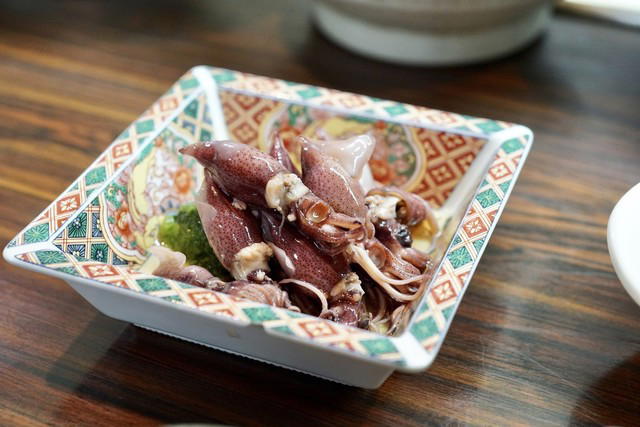
- Seasonal fish dishes
- Nimono (simmered dishes)
Approach Kobe through its tavern dining and the scale changes fast: city energy gives way to modest counters, focused restaurants, and meals where the evening depends on timing more than decoration. In Kobe, izakaya culture can become precise without becoming formal. The format is social, but not loose; seafood, Japanese cooking, and tavern rhythm do the work. Kisetsu Ippin Ryori Fujiwara fits that category: a Japanese-style tavern whose appeal is the meal itself, not a lifestyle flourish.
Kobe is often read through beef and harbor-city imagery, but its everyday dining argument is broader. The city supports small specialists: noodle shops, coffee rooms, bakeries, taverns, and counters serving local regulars before itinerary-makers. Alongside options such as Marutaka Chuka Soba Kobe Ninomiya Ninomiya ten, Sanuki Menbo Suzume, Cafe FREUNDLIEB Honten, FREUNDLIEB Ikuta ten, and Tommy's Sannomiya higashi ten, this address sits in a different evening bracket: still accessible by Japanese dining standards, but with the focus and recognition expected of a serious izakaya selection.
Counter izakaya as a team sport, not a solo performance
The strongest izakaya rooms in Japan run on division of labor, not spectacle. The dining room controls pace, the kitchen controls heat and sequence, and the tavern format frames appetite without becoming a formal tasting menu. Here, public signals point to that disciplined identity: Japanese-style tavern classification, Japanese cuisine and seafood categories, and a sensibility built around the meal rather than the room’s decoration. No chef biography is needed. The interest is how the tavern format feels edited, not expanded.
That dynamic matters because travelers often misread izakaya service. It is neither a scripted tasting-menu restaurant nor a pub where food is incidental. At this level, the appeal depends on coordination: orders paced to the table, dishes arriving in a natural sequence, seafood present as part of the restaurant’s stated identity rather than as a decorative aside. The Tabelog Hyakumeiten 2025 recognition places the restaurant inside a field of taverns judged on repeatable quality, not novelty.
The seafood emphasis also fits Kobe’s geography better than the city’s international shorthand. The city’s dining culture has room for more than a single headline ingredient, and serious taverns often translate that breadth into small-plate rhythm. In an izakaya context, seafood and Japanese cuisine categories say more than an inflated menu description: expect Japanese preparations as the meal’s center of gravity, with the tavern format supporting rather than overshadowing it.
Why the Tabelog signal matters in Kobe's casual dining tier
Tabelog’s Hyakumeiten lists are not luxury awards in the Michelin sense; their value is different. They identify restaurants performing strongly within a category, often where international guide coverage is thin. For izakaya, that distinction helps. The category is crowded, regional, and dependent on regular customers, making a 2025 selection a meaningful trust signal for visitors separating a serious tavern from a merely convenient drinking room.
Price also changes how the recognition reads. Kobe has many casual meals, and comparison venues can occupy different daytime, snack, or quick-meal registers. A recognized izakaya listed at JPY 3,000 - JPY 3,999 asks for a different decision: not luxury dining, but a more deliberate night built around Japanese cooking, seafood, and tavern attention. That is where Japan’s mid-priced dining often becomes interesting for travelers, because money goes into product choice and human pacing rather than architectural theater.
The izakaya setup sharpens the audience. This is not the same decision as a large, flexible restaurant chosen only for convenience. It is better for diners who understand tavern dining as participation: ordering with restraint, watching the room’s pace, and letting dishes move together. For a wider Kobe plan, compare the city’s formats through Our full Kobe restaurants guide, then separate dinner from the rest of the trip with Our full Kobe hotels guide, Our full Kobe bars guide, Our full Kobe wineries guide, and Our full Kobe experiences guide.
How to place it in a Kobe eating day
A good Kobe itinerary should not flatten every meal into beef, nor treat the city only as transit. Kobe rewards contrast: coffee, casual noodles, a sharper izakaya dinner, and late drinks if the night has room. Restaurant planning can include other Kobe dining rooms, casual specialists, coffee stops, and taverns, each pointing to a different part of the city’s appetite.
For travelers building a broader Japan file, the useful comparison is not direct cuisine but format discipline. Focused specialists appear across the country in different forms, from regional dining rooms to city taverns and casual counters. Outside Japan, Japanese drinking and casual food formats can travel in adapted form, though Kobe’s izakaya grammar remains more compressed and less explanatory.
The critical read is simple: Kisetsu Ippin Ryori Fujiwara is for diners who want Kobe’s tavern culture at close range, not a staged introduction to Japanese food. Its seafood emphasis, Japanese cuisine identity, accessible price band, and Tabelog Hyakumeiten 2025 recognition make it sharper than a default city dinner. Treat it as a focused izakaya evening, and it explains a side of Kobe that beef-only itineraries miss.
Frequently asked questions
Is Kisetsu Ippin Ryori Fujiwara okay with children?
Kisetsu Ippin Ryori Fujiwara is an izakaya in Kobe, so it reads more as a focused tavern-style dining room than a family-oriented stop. Travelers with children should confirm suitability directly before planning around it.
What is the atmosphere like at Kisetsu Ippin Ryori Fujiwara?
Expect an izakaya atmosphere centered on Japanese cuisine and seafood. The Tabelog Hyakumeiten 2025 recognition signals a place that is judged on consistency, not theatrics.
How much does it cost to eat at Kisetsu Ippin Ryori Fujiwara?
Pricing at Kisetsu Ippin Ryori Fujiwara is listed as JPY 3,000 - JPY 3,999.
What days is Kisetsu Ippin Ryori Fujiwara closed?
Specific closing days are not confirmed here. Check directly with Kisetsu Ippin Ryori Fujiwara before visiting.
What's the address for Kisetsu Ippin Ryori Fujiwara?
Kisetsu Ippin Ryori Fujiwara is located in Kobe.
What's the standout thing about Kisetsu Ippin Ryori Fujiwara?
The strongest draw is the combination of Tabelog Hyakumeiten 2025 recognition, izakaya format, seafood focus, and Japanese cuisine identity. At JPY 3,000 - JPY 3,999, it sits in Kobe’s accessible casual tier but reads like a more deliberate tavern choice.
Compact Comparison
Side-by-side context: comparable cuisine and price.
| Venue | Cuisine | Price | Awards | Notes |
|---|---|---|---|---|
| Kisetsu Ippin Ryori FujiwaraThis venue (the venue you are viewing) | Seasonal Japanese Izakaya & Seafood | $30–50 | Tabelog 100 #57 | Not listed |
| Marutaka Chuka Soba Kobe Ninomiya Ninomiya ten | Japanese Ramen | $10–20 | Tabelog 100 #14 | JPY 999 - JPY 999 |
| Sanuki Menbo Suzume | Traditional Sanuki Udon & Tempura | $10–20 | Tabelog 100 #84 | JPY 1,000 - JPY 1,999 JPY 1,000 - JPY 1,999 |
| Cafe FREUNDLIEB Honten | Not listed | $10–20 | Tabelog 100 #58 | JPY 1,000 - JPY 1,999 JPY 1,000 - JPY 1,999 |
| FREUNDLIEB Ikuta ten | Not listed | Not listed | Not listed | JPY 1,000 - JPY 1,999 View spending breakdown |
| Tommy's Sannomiya higashi ten | Japanese Bakery & Café | $1–10 | Tabelog 100 #32 | JPY 999 - JPY 999 |
Recognition history
Dated appearances from independent guides and award organizations, with the underlying list record or original source where available.
Tabelog 100 #57 · No. 57
Tabelog · Tabelog 100 - Izakaya - WEST - 2025
Continue exploring
More in Kobe
Restaurants in Kobe
All restaurants in Kobe →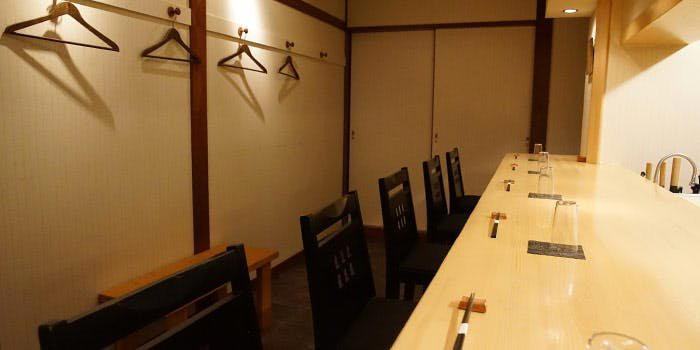
Bars in Kobe
Browse all →


Details
- Cozy
- Intimate
- Classic
- Casual Hangout
- After Work
- Solo
- Group Dining
- Chefs Counter
- Standalone
- Sake Program
- Beer Program
- Sustainable Seafood
- A La Carte
- Counter Dining
- Small Plates
- Sake
- Shochu
- Beer
- Pescatarian Friendly
Current opening hours
- Monday
- Closed
- Tuesday
- 4–8 PM
- Wednesday
- 4–8 PM
- Thursday
- 4–8 PM
- Friday
- 4–8 PM
- Saturday
- 4–8 PM
- Sunday
- Closed
Hours can change for holidays and private events. Last verified .
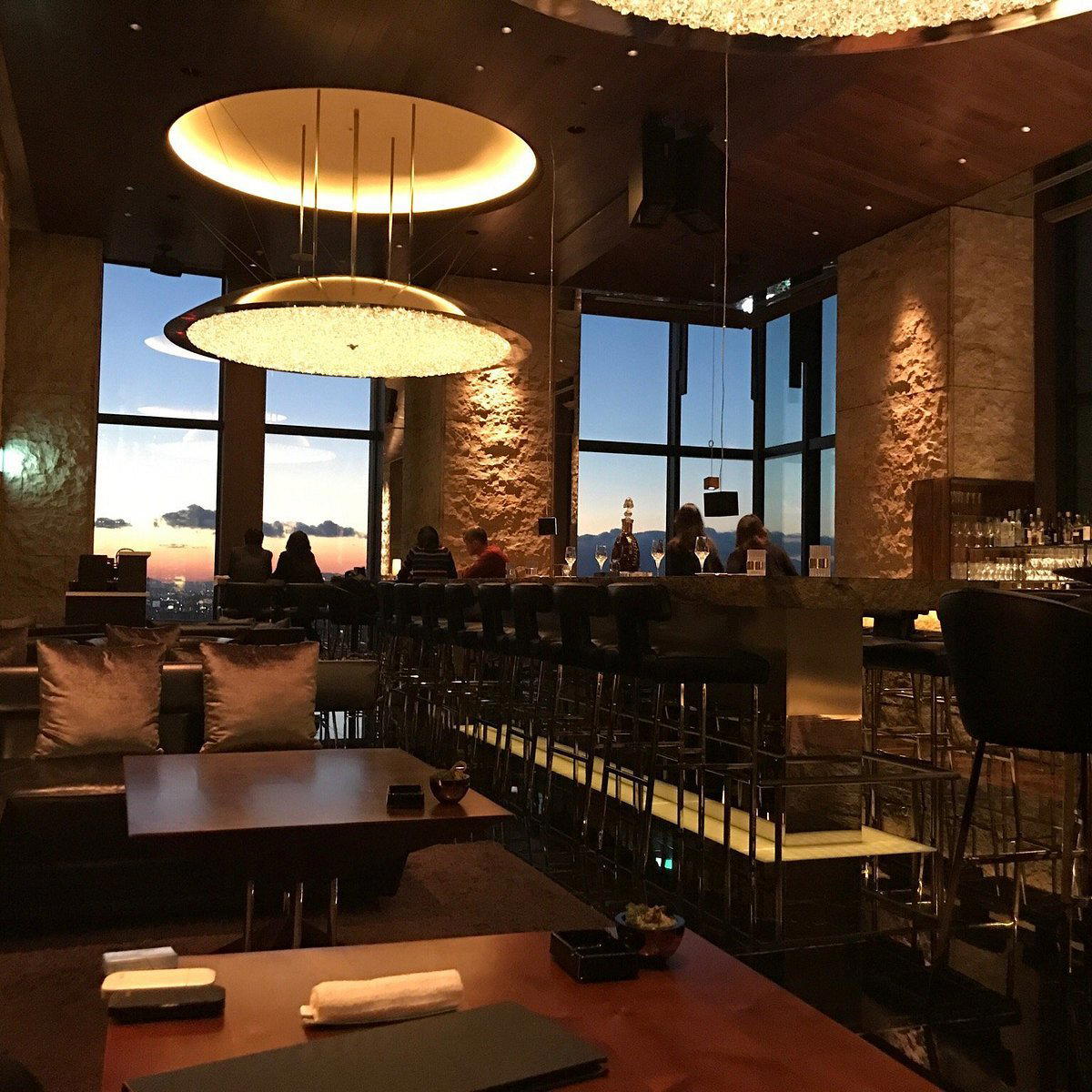
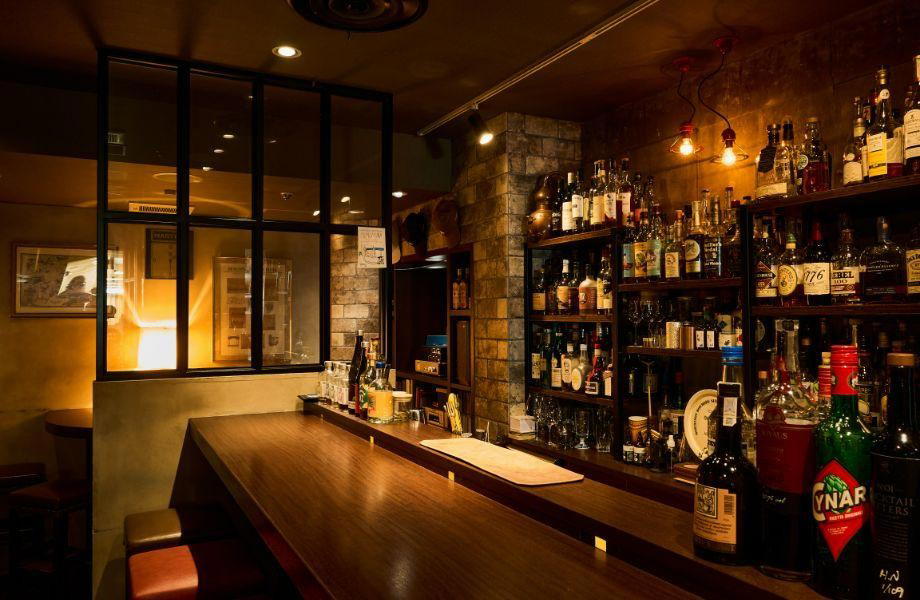
A tiny, non-smoking counter-only izakaya with a relaxed, intimate feel and a focus on quietly enjoying seasonal seafood and simmered dishes rather than a boisterous drinking scene.