
Tabelog 100 #40
Our verdict
Koube Kitano Asahi Yaseinikuten sits in Kitano, where Kobe’s hillside dining culture meets the city’s meat-counter heritage. The draw is not ceremony but concentration: a small cafeteria and deep-fried-foods format tied to butcher-shop sourcing, with Tabelog 100 Diner 2026 recognition placing it inside Japan’s serious everyday-dining conversation.

Pearl is the En Primeur Club membership app, where members save venues, book tables and use the concierge.
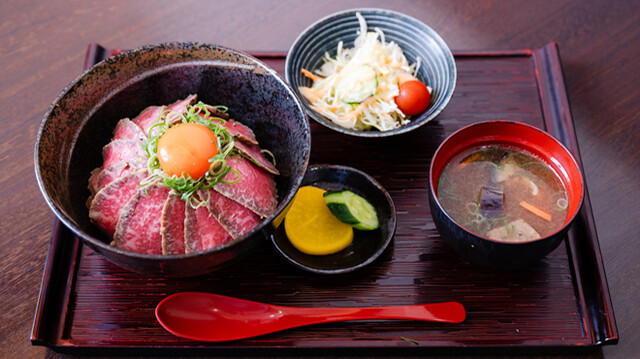
The menu
What to order
- A5 Kobe beef roast beef bowl
- Deep-fried Kobe beef dishes
Kobe changes the tempo of everyday dining. Away from the most formal destination meals, the city has room for practical places where a lunch stop can be as deliberate as dinner planning. In that setting, a cafeteria listing built around deep-fried foods reads less like a casual detour and more like a local counterpoint to Kobe’s better-known polished dining image: less theater, more focus, and a format designed around an accessible meal.
Koube Kitano Asahi Yaseinikuten belongs to the part of the city’s dining culture where practical meals can still carry real intent. Kobe has long exported an image of high-finish restaurant experiences, but the more useful local distinction is between showpiece meals and places where repetition, timing, and a clear format shape the visit. Selection for Tabelog 100 Diner 2026 gives this everyday format a national dining signal without turning it into a formal restaurant.
Kobe's setting shifts everyday dining away from spectacle
Kobe’s restaurant map is broad enough to support both visitor-facing meals and quieter casual addresses. That range matters. The city’s reputation often pulls visitors toward high-polish dining rooms and reservation-led counters; Kobe also supports a more modest style, where cafés, small restaurants, and daytime foot traffic create a dining circuit rather than a single destination meal.
That makes the cafeteria and deep-fried-foods category more interesting than it sounds in English. In Japan, shokudo culture is practical but not careless: meals are often organized around a main item, rice, sides, speed, and repetition. When that format is handled well in Kobe, the result can sit between lunch counter and specialist cooking. The point is not to imitate a luxury restaurant. It is to let quality appear in a tighter, less expensive register, the sort of meal that rewards attention without demanding a long sitting.
The comparison inside Kobe is useful in general terms. Some Kobe dining rooms speak more directly to the city’s polished, formal identity, while other addresses show the café and casual side of local eating. Koube Kitano Asahi Yaseinikuten sits in the gap between those impulses: accessible, direct, and smaller in scale than the restaurants visitors may first associate with Kobe.
A shokudo-style format with national everyday-dining recognition
Tabelog’s Diner category is an important lens here because it separates everyday excellence from formal tasting-menu culture. A Tabelog 100 Diner 2026 selection does not mean the same thing as a Michelin-starred fine-dining room; it signals that a modest format has earned attention within Japan’s intensely competitive casual-dining field. That distinction matters for travelers who over-plan Kobe around premium dinners and miss the city’s lunch economy.
The feel of the listing reinforces the category. This is not framed here as a place built for high-spend rituals that define much visitor-facing dining. The appeal is compression: a focused category, a practical format, and a setting where the meal belongs naturally to a Kobe day rather than only to a full evening itinerary. In a city where dining can easily become performance, that restraint gives the experience its editorial weight.
There is also a recognition story. With a Tabelog score of 3.58 and selection for the 2026 Tabelog 100 Diner list, Koube Kitano Asahi Yaseinikuten has a clear casual-dining signal. For Kobe, that is useful context: the city’s food identity is not static, and modest formats can gain traction without copying the most formal restaurant script. Visitors building a broader food day could pair it with other unnamed Kobe dining, depending on whether the aim is local continuity or a more varied city itinerary.
How to place it in a Kobe food day
The smart use of Koube Kitano Asahi Yaseinikuten is as an accessible food stop in Kobe, not as a substitute for every form of the city’s dining. Travelers who want higher spend, longer pacing, and a more formal meal should look elsewhere in the city; travelers who want to understand how Kobe’s everyday food culture works below the ceremonial tier should pay attention here. The restaurant’s value is contextual: it shows how a cafeteria and deep-fried-foods frame can carry more interest than its modest format might suggest.
For planning beyond the immediate meal, use Our full Kobe restaurants guide to map the city’s dining range, then layer in Our full Kobe hotels guide, Our full Kobe bars guide, Our full Kobe wineries guide, and Our full Kobe experiences guide for the rest of the trip. Kobe rewards that kind of sequencing: daytime eating, a hotel base, drinks, and a more formal dinner if the evening calls for it.
Outside this specific stop, the category has useful echoes across Japan and beyond. Other casual restaurants, cafés, counters, and small-format dining rooms can carry serious intent without formal architecture. For wider comparison, unnamed everyday venues in other cities underline the same editorial point: modest formats often explain a food city more clearly than its grand rooms.
The verdict is practical rather than breathless. Koube Kitano Asahi Yaseinikuten is for travelers who want Kobe’s food culture at an everyday level, in a city where lunch still has local logic. Its Tabelog 100 Diner 2026 selection supplies the trust signal; the Kobe setting supplies the reason to build a day around it.
Frequently asked questions
Is Koube Kitano Asahi Yaseinikuten more mid-range or high-end?
Pricing at Koube Kitano Asahi Yaseinikuten is listed as JPY 1,000 - JPY 1,999.
What are Koube Kitano Asahi Yaseinikuten's hours?
Current hours are not provided here; check directly before visiting.
Where is Koube Kitano Asahi Yaseinikuten in Kobe?
Koube Kitano Asahi Yaseinikuten is located in Kobe.
What is Koube Kitano Asahi Yaseinikuten known for?
Koube Kitano Asahi Yaseinikuten is listed in the cafeteria and deep-fried foods categories and was selected for Tabelog 100 Diner 2026.
A Tight Comparison
Nearby venues at a similar price tier for orientation.
| Venue | Cuisine | Price | Awards | Notes |
|---|---|---|---|---|
| Koube Kitano Asahi YaseinikutenThis venue (the venue you are viewing) | Kobe beef diner & butcher eat-in | $10–20 | Tabelog 100 #40 | Not listed |
| éº¤ç® | Traditional Japanese Kaiseki | Not listed | Not listed | Not listed |
| LAGUNA THE BAR | Classic Japanese cocktail bar | $30–50 | Tabelog 100 #72 | JPY 5,000 - JPY 5,999 View spending breakdown |
| アントル ヌー | Innovative French-Japanese Fusion | $150–200 | Tabelog Bronze #64 | Not listed |
| Aspirant | French Innovative Fine Dining | $100–150 | Tabelog Bronze #31 | French, Innovative, JPY 30,000 - JPY 39,999 JPY 30,000 - JPY 39,999 |
Recognition history
Dated appearances from independent guides and award organizations, with the underlying list record or original source where available.
Tabelog 100 #40 · No. 40
Tabelog · Tabelog 100 - Diner - 2026
Continue exploring
More in Kobe
Restaurants in Kobe
All restaurants in Kobe →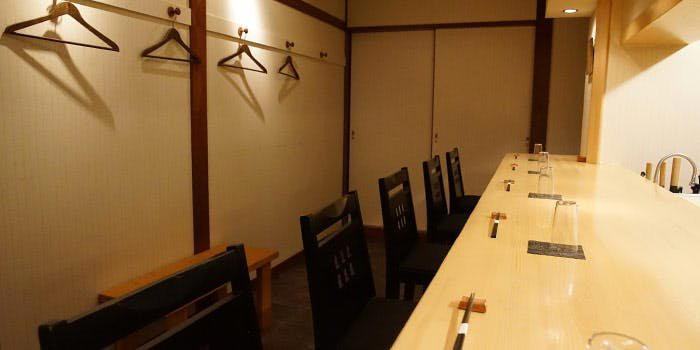

Bars in Kobe
Browse all →



Details
- Casual
- Cozy
- Solo
- Family
- Casual Hangout
- After Work
- Standalone
- Local Sourcing
- A La Carte
- Counter Dining
Current opening hours
- Monday
- Closed
- Tuesday
- 10 AM–6 PM
- Wednesday
- 10 AM–6 PM
- Thursday
- 10 AM–6 PM
- Friday
- 10 AM–6 PM
- Saturday
- 10 AM–6 PM
- Sunday
- 10 AM–6 PM
Hours can change for holidays and private events. Hours as of .
Bright, simple cafeteria-style space attached to a butcher shop, with a relaxed, everyday atmosphere focused on quick, satisfying Kobe beef meals rather than elaborate decor.