Sintoho
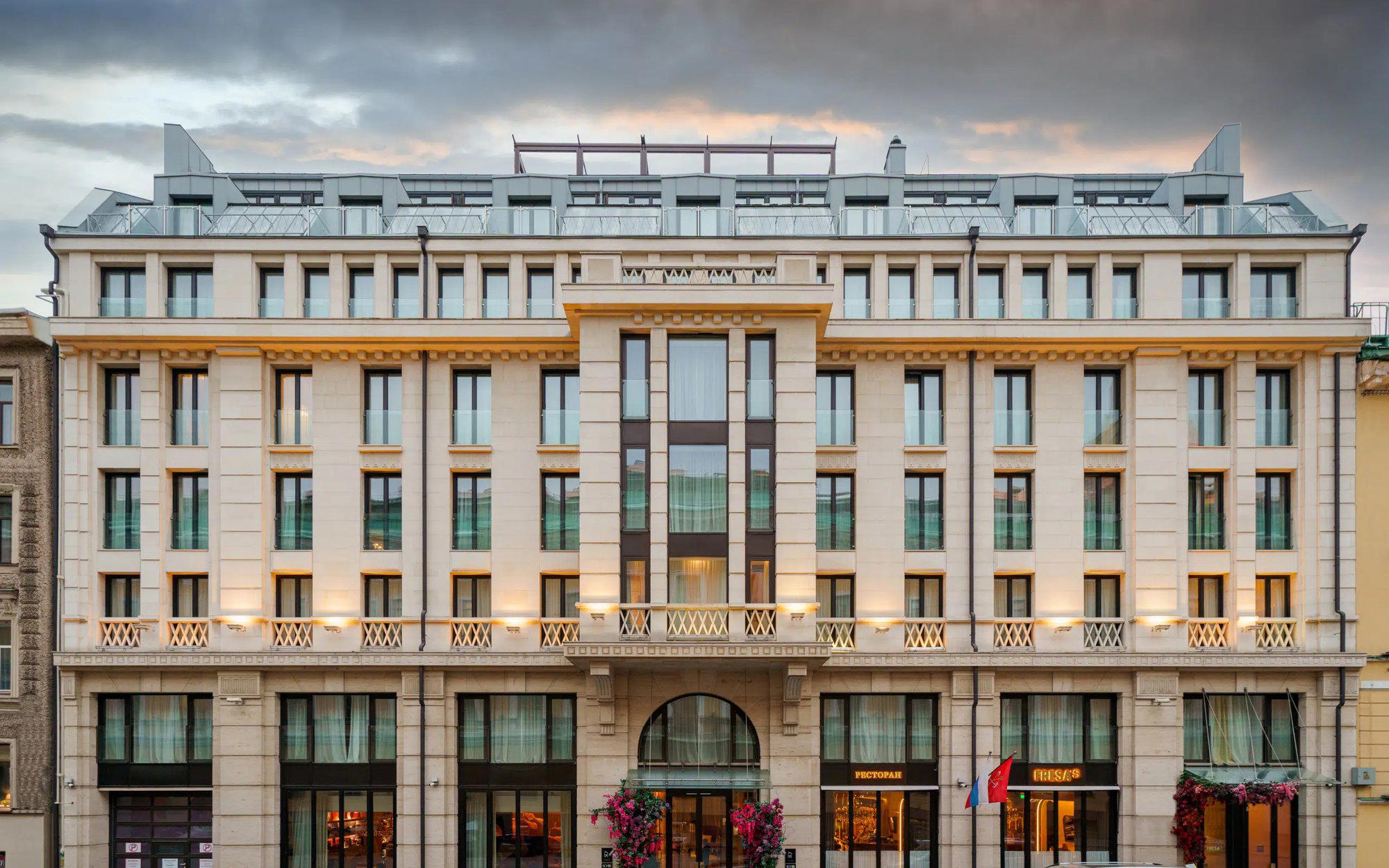
On Voznesensky Avenue, one of Saint Petersburg's quieter central arteries, Sintoho occupies a dining space that sits at the intersection of imported culinary technique and northern Russian produce. The address places it close to the Admiralty district's institutional density, a neighbourhood that rewards those who look past the obvious tourist circuit. Exact formats and booking conditions are best confirmed directly with the venue.
Pearl is the En Primeur Club membership app — saves, bookings, and concierge access live there. Same editors, same standards.
- Address
- Voznesensky Ave, 1, St Petersburg, Russia, 190031
- Phone
- +78123398043
- Website
- lionpalacehotel.com
- Directions
- Get directions
 Saves & bookings on Pearl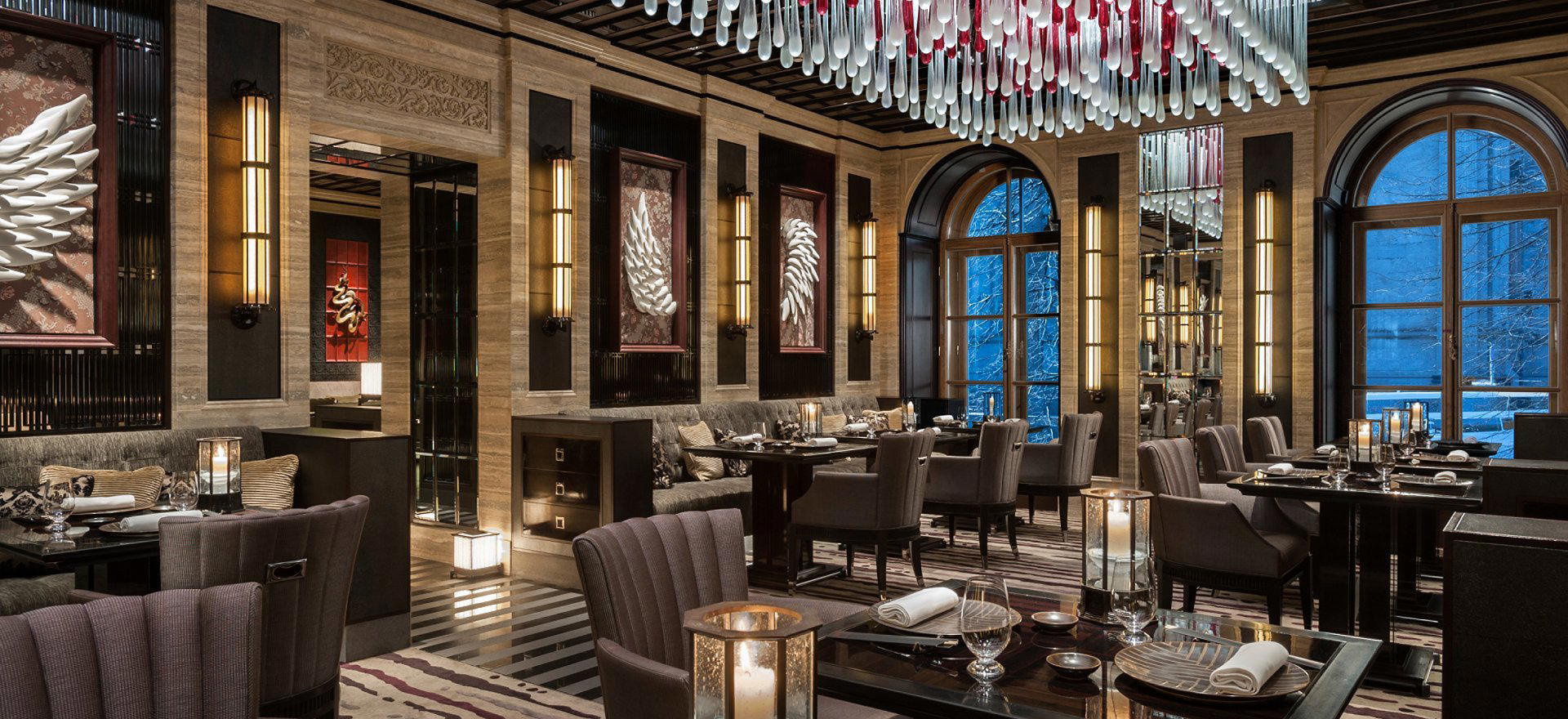
Voznesensky Avenue and the Geometry of Saint Petersburg Dining
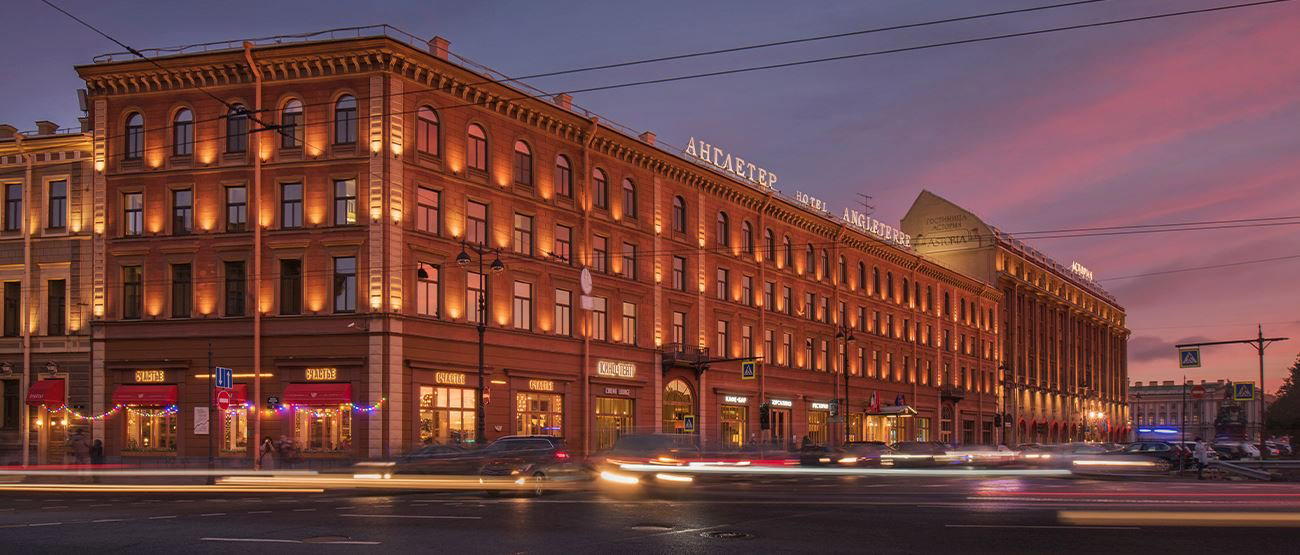
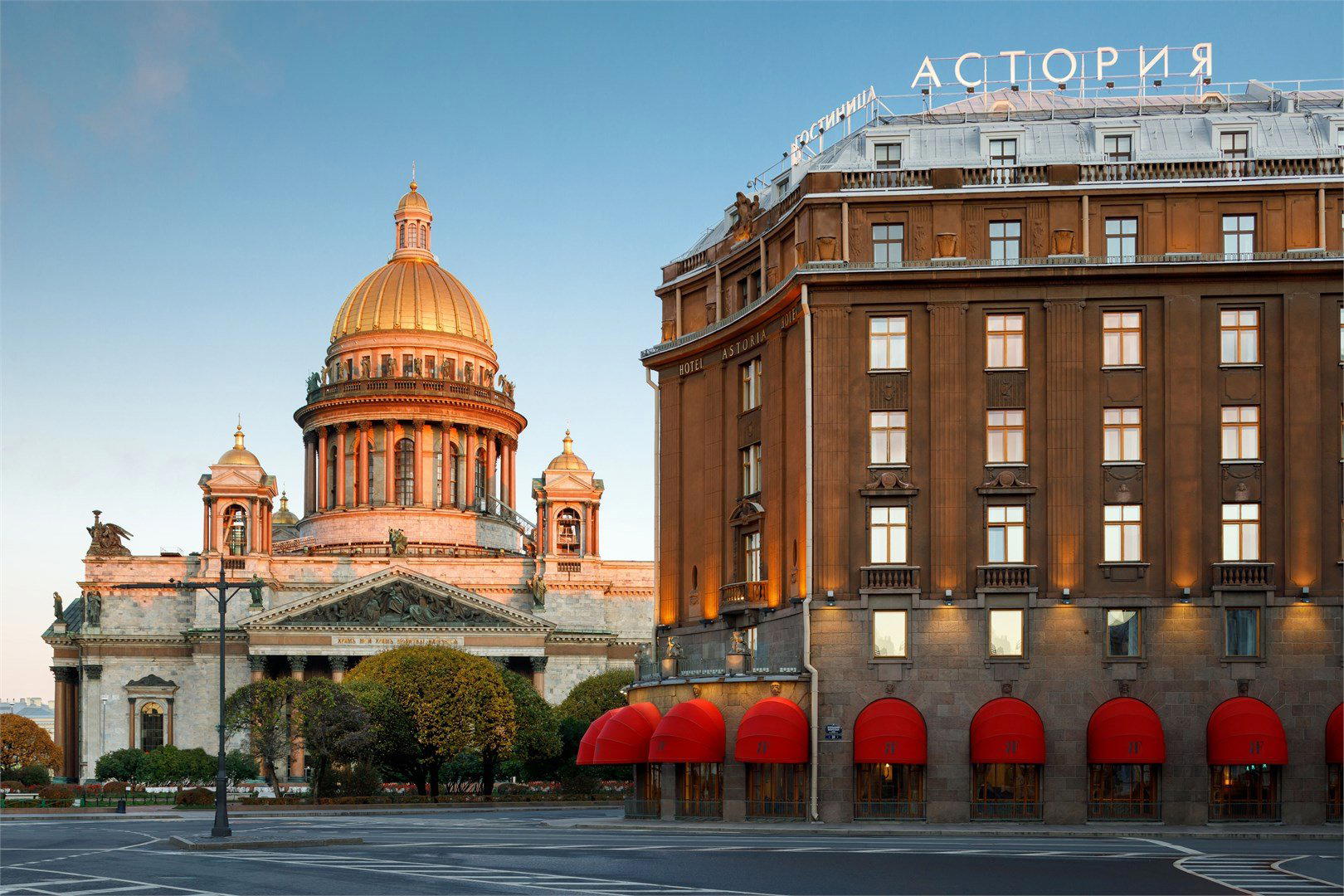
Voznesensky Avenue runs south from the Admiralty toward Sennaya Square, cutting through a district that has always operated at a slight remove from the Nevsky Prospekt mainstream. The avenue's address history is serious: it links the classical administrative centre to the more residential, lived-in quarters of the city's inner south. Restaurants on this corridor tend to draw a local professional crowd rather than a tour-group circuit, and the dining rooms reflect that orientation, proportioned for conversation, not spectacle. Sintoho, at number one on Voznesensky, sits close to St Isaac's Square and the Admiralty district, with an address that suits both local diners and visitors.
Saint Petersburg's restaurant scene has spent the better part of the last decade resolving a tension between European technical ambition and the pull of northern Russian ingredients. The city's geography makes that negotiation concrete: the Gulf of Finland and Lake Ladoga supply cold-water fish; the forests and farms of the Leningrad Oblast provide game, mushrooms, and dairy; and the city's long history as Russia's window to Europe has ensured a continuous appetite for French, Italian, and increasingly pan-Asian technique. The restaurants that have held attention beyond a single season are generally those that found a productive balance between the two rather than defaulting entirely to either. Sintoho's address places it inside that competitive conversation.
Local Ingredients, Imported Methods: A Persistent Saint Petersburg Pattern
The intersection of global culinary technique and local produce is not a recent invention in Saint Petersburg. The city's imperial kitchens were importing French chefs and applying their methods to indigenous ingredients as early as the eighteenth century, producing a hybrid table that was distinctly Russian in its materials and distinctly European in its discipline. What the current generation of restaurants has done is translate that historical logic into contemporary terms: Japanese knife work applied to Lake Ladoga perch, Scandinavian fermentation applied to northern berries and root vegetables, French sauce reduction applied to game from the Karelian forests.
This is the framework in which Sintoho operates, and it is a framework with meaningful regional precedents. Across Russia, particularly discussed restaurants of the past several years have consistently worked this seam. Twins Garden in Moscow built a substantial reputation on applying high-precision European technique to hyper-local Russian produce, including fermented dairy and foraged botanicals. In Saint Petersburg itself, venues like 1913 and Bellevue have each approached the local-global axis from different angles, with 1913 leaning into historical Russian recipe registers and Bellevue working a more conventionally European fine-dining idiom. Blok and Astoria Cafe represent further points on that spectrum, from contemporary casual to heritage-hotel formal.
What distinguishes the more coherent operators in this tier is not the ambition to combine local and international influences, which is widespread, but the discipline applied to ingredient sourcing and the consistency of execution across seasons. Saint Petersburg's northern latitude compresses the growing season sharply: the period from June through September delivers genuine abundance in mushrooms, berries, fresh fish, and summer vegetables, while the long winter months test a kitchen's ability to work interestingly with preserved, cured, and root-stored produce. Restaurants that perform well across both conditions tend to earn sustained credibility; those that only shine in summer often drop from the serious conversation by February.
The Voznesensky Address in Context
The practical logistics of Sintoho's location are worth noting for visitors planning around the city's central dining cluster. The Admiralty end of Voznesensky places the restaurant within easy reach of the Hermitage and St Isaac's Cathedral on foot, and the area is well-served by the city's metro system, with Sennaya Ploshchad and Admiralteyskaya both within reasonable walking distance. For visitors staying along the Moika or in the broader Kolomna district, Voznesensky 1 is a natural anchor point for an evening that begins with the avenue's quieter early-evening character and extends into the later dining hours that Saint Petersburg's restaurant culture tends to favour.
The city's serious dining venues across price points have generally shifted toward advance reservations over walk-in availability, particularly on weekends and during the White Nights season from late May through July, when visitor density across the centre rises substantially. That seasonal pressure applies across the neighbourhood: properties like BeefZavod and Lev I Ptichka both see booking windows tighten significantly through the summer months.
Sintoho in the Wider Russian Dining Picture
Russia's regional restaurant scene has become considerably more varied over the past five years, with cities beyond Moscow and Saint Petersburg developing serious local dining cultures that draw on distinct regional produce and traditions. Kukhterin in Tomsk and Grisha in Omsk both represent Siberian takes on the local-ingredient conversation; Alanskaya Kukhnya in Krasnodar and Dzhani Restorani in Nizhny Novgorod work with Caucasian and Volga-region produce respectively. Khmeli Suneli in Yekaterinburg brings Georgian technique into the Urals context. Even at the more casual end, venues like Burger Records in Novosibirsk and Konditerskaya Kuzina in Syktyvkar signal how far the country's food culture has distributed beyond its two main cities.
Saint Petersburg, in that picture, retains a distinct position: it has the density of serious dining to sustain genuine critical comparison between venues, the historical connection to European technique that gives its restaurants a particular reference frame, and the northern geography that defines what is available in the kitchen across the calendar. Made in China in St. Petersburg illustrates how the city has also absorbed pan-Asian formats into its dining culture, adding another layer to the technical repertoire that local kitchens can draw from. For international reference points on the technical-meets-local axis, Le Bernardin in New York City and Atomix in New York City both demonstrate how particularly sustained reputations in this mode are built on sourcing rigour and technique consistency rather than concept novelty alone.
Planning Your Visit
Sintoho's address at Voznesensky Avenue 1, Saint Petersburg 190031, places it in the city's central Admiralty district, accessible from multiple metro lines and within walking distance of the major museum and hotel corridor along the Neva embankment. As with much of Saint Petersburg's mid-to-upper dining tier, the White Nights period from late May through early July represents peak booking pressure, and the winter months offer a quieter approach to the same addresses. Current hours, reservation availability, and any seasonal menu formats should be confirmed directly with the venue before visiting.
City Peers
Comparable venues nearby, for context on price, style, and recognition.
| Venue | Cuisine | Price | Notes |
|---|---|---|---|
| SintohoThis venue — the venue you are viewing | Modern Pan-Asian Fusion | $$$$ | Not listed |
| Birch | Modern Fusion Tasting Menu | $$$ | Tsentralny District |
| Mansarda | Modern European with Asian Influences | $$$ | Admiralteyskiy District |
| Terrassa | Global Fusion Rooftop | $$$$ | Nevskiy |
| Letniy Dvorets | Russian-Asian Fusion | $$$ | Northwestern District |
| BeefZavod | Modern Steakhouse with Nose-to-Tail | $$$ | Petrogradsky |
Continue exploring
More in Saint Petersburg
Restaurants in Saint Petersburg
Browse all →
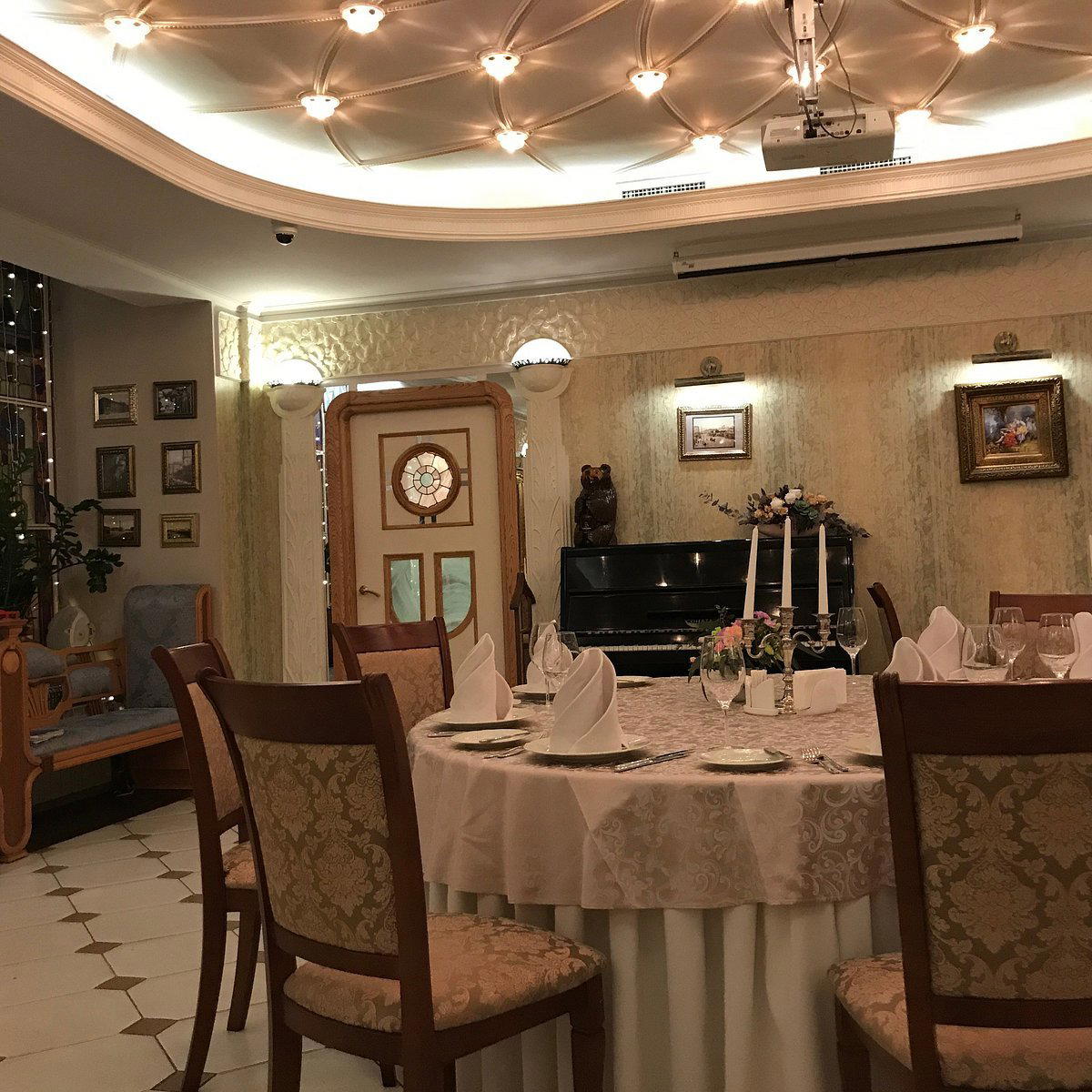
Bars in Saint Petersburg
Browse all →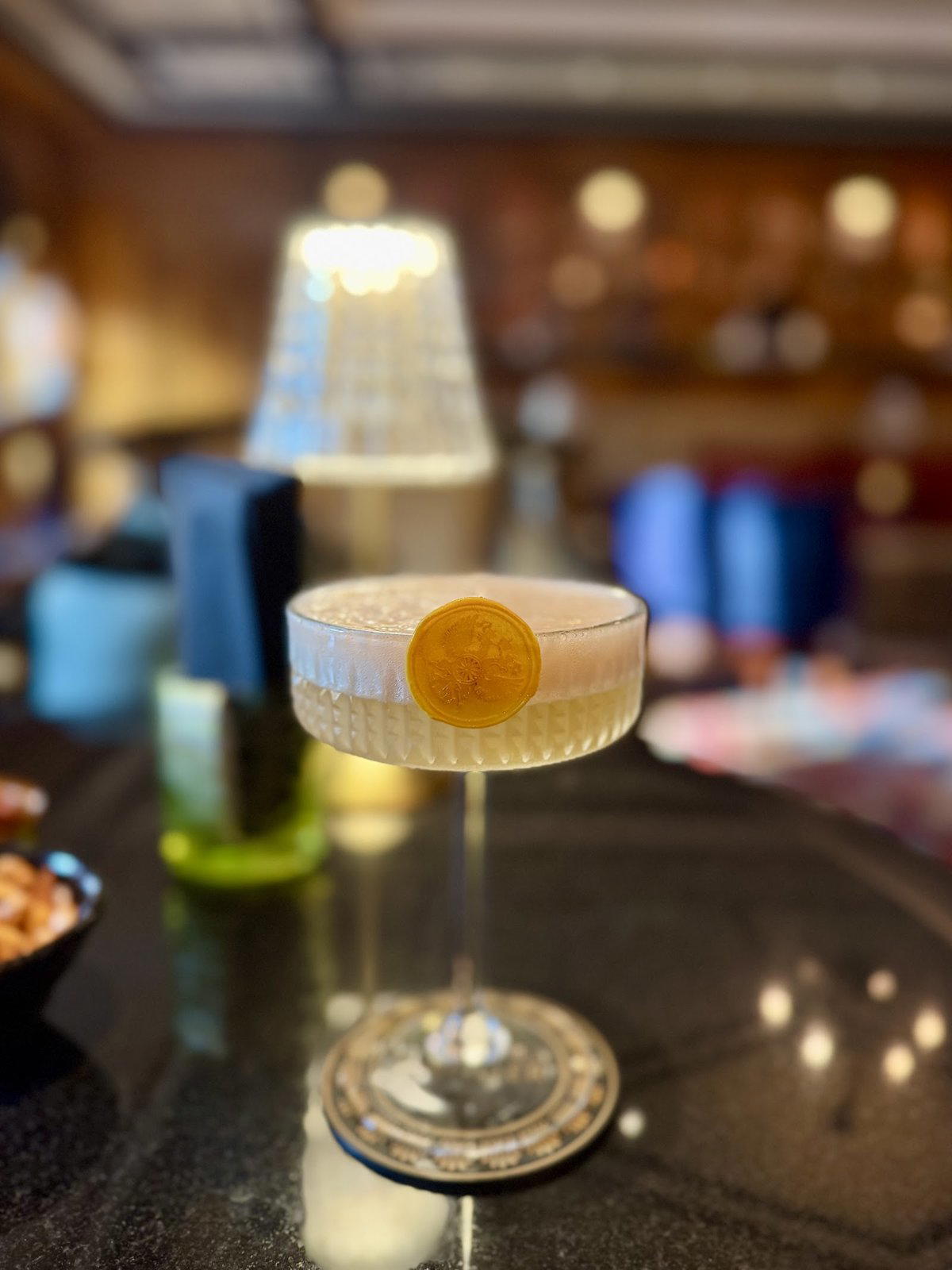

At a Glance
- Elegant
- Modern
- Sophisticated
- Lively
- Date Night
- Special Occasion
- Business Dinner
- Open Kitchen
- Private Dining
- Historic Building
- Hotel Restaurant
- Craft Cocktails
- Skyline
Current opening hours
- Monday
- Closed
- Tuesday
- Closed
- Wednesday
- 5 PM–12 AM
- Thursday
- 5 PM–12 AM
- Friday
- 5 PM–12 AM
- Saturday
- 5 PM–12 AM
- Sunday
- 5 PM–12 AM
Hours can change for holidays and private events. Last verified .
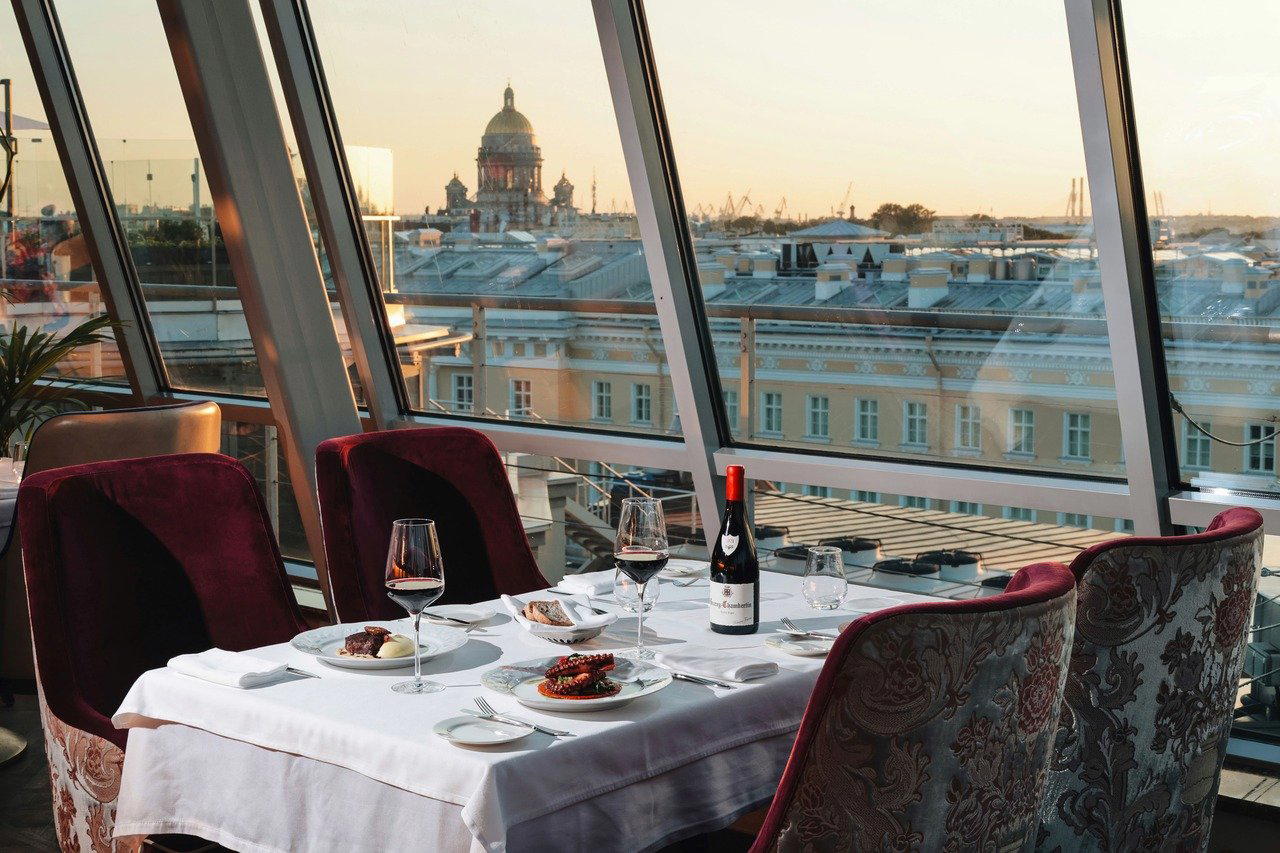
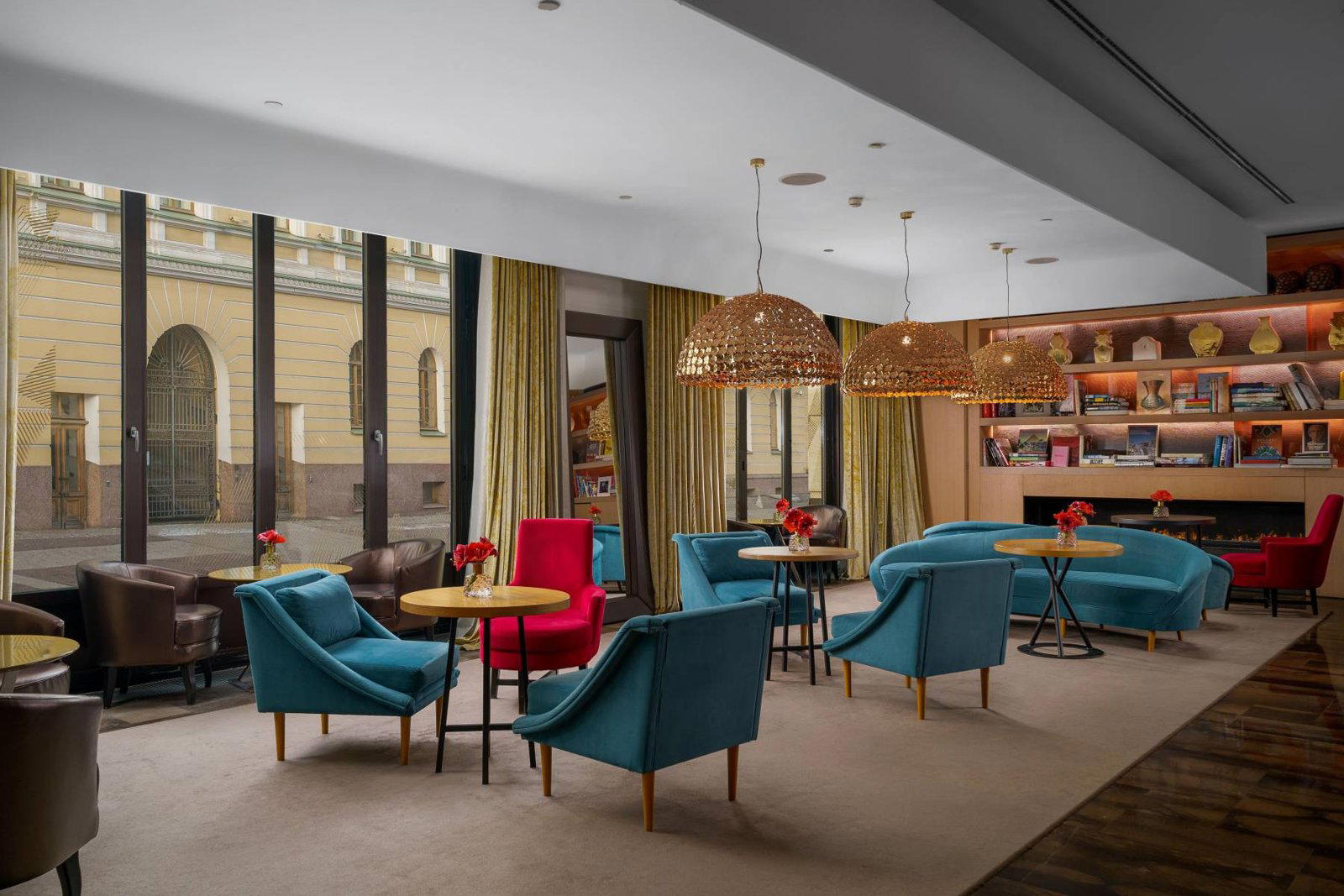
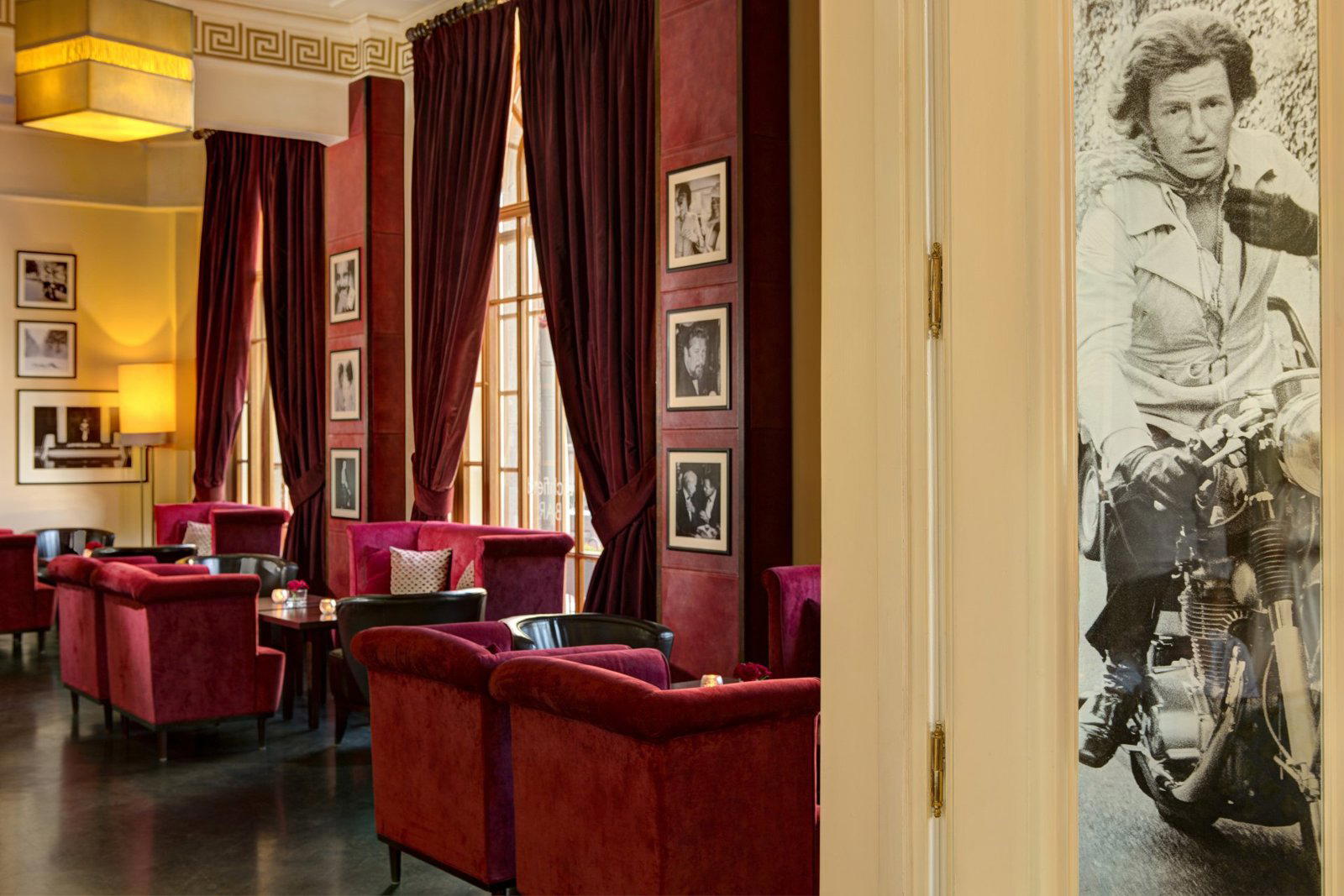
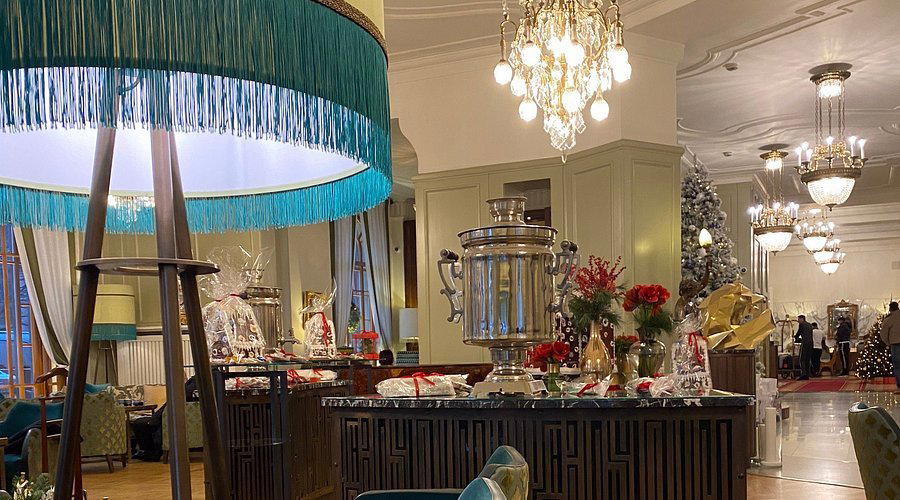
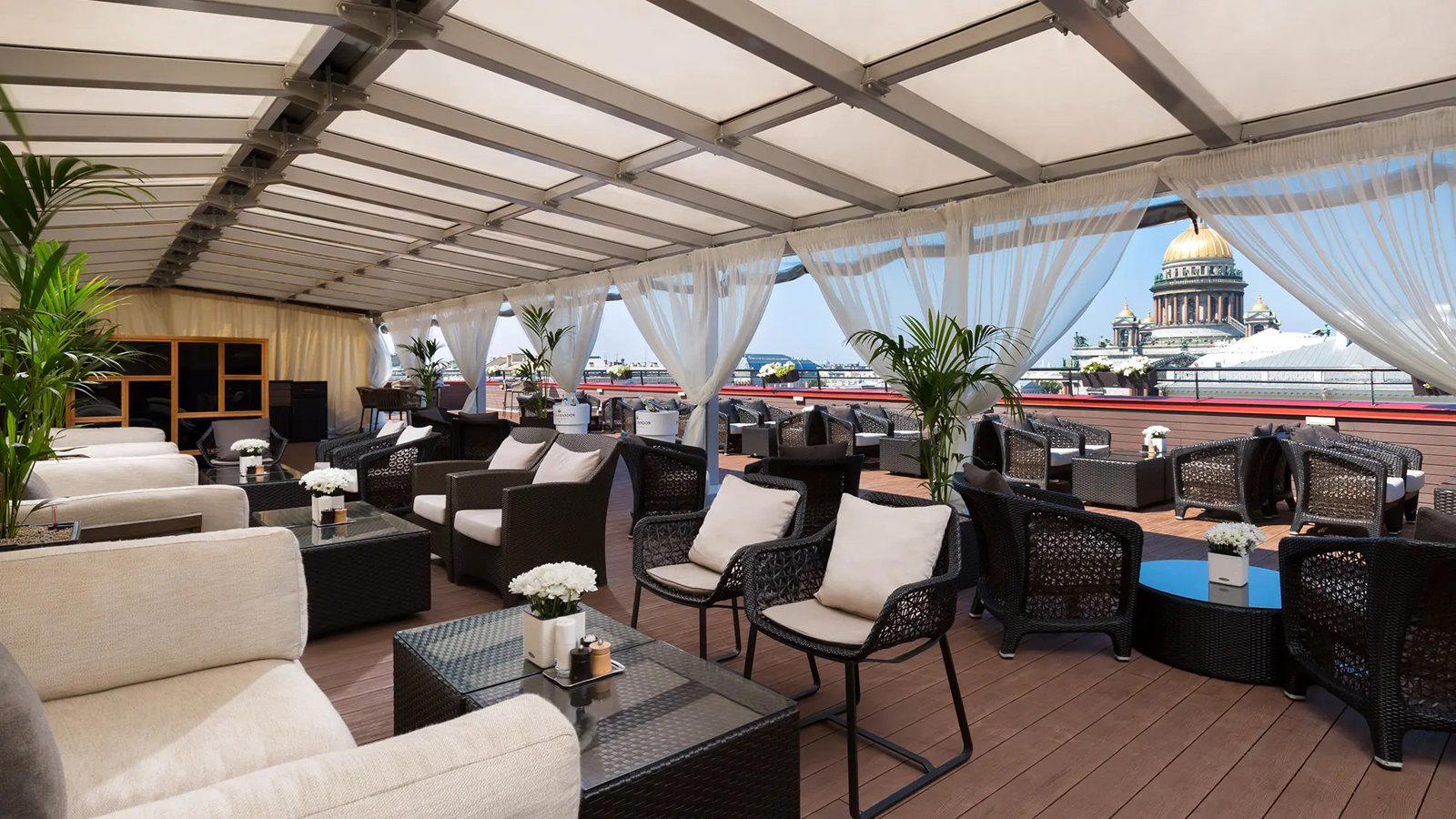
Elegant Asian-inspired interior blending Art Deco and modern motifs, with lively music, lively atmosphere, and impressive cathedral views from large arched windows.