Синтохо - Sintoho at the Four Seasons

Sintoho at the Four Seasons brings Japanese fusion to one of St. Petersburg's most prominent addresses on Voznesensky Avenue, holding 76 points on the La Liste Top Restaurants list across both 2025 and 2026. The kitchen works within a format that rewards precision over spectacle, placing it in a distinct tier among the city's international dining options.
Pearl is the En Primeur Club membership app — saves, bookings, and concierge access live there. Same editors, same standards.
- Address
- Voznesensky Ave, 1, St Petersburg, Russia, 190031
- Phone
- +7 812 339-80-43
- Website
- lionpalacehotel.com
- Directions
- Get directions
 Saves & bookings on Pearl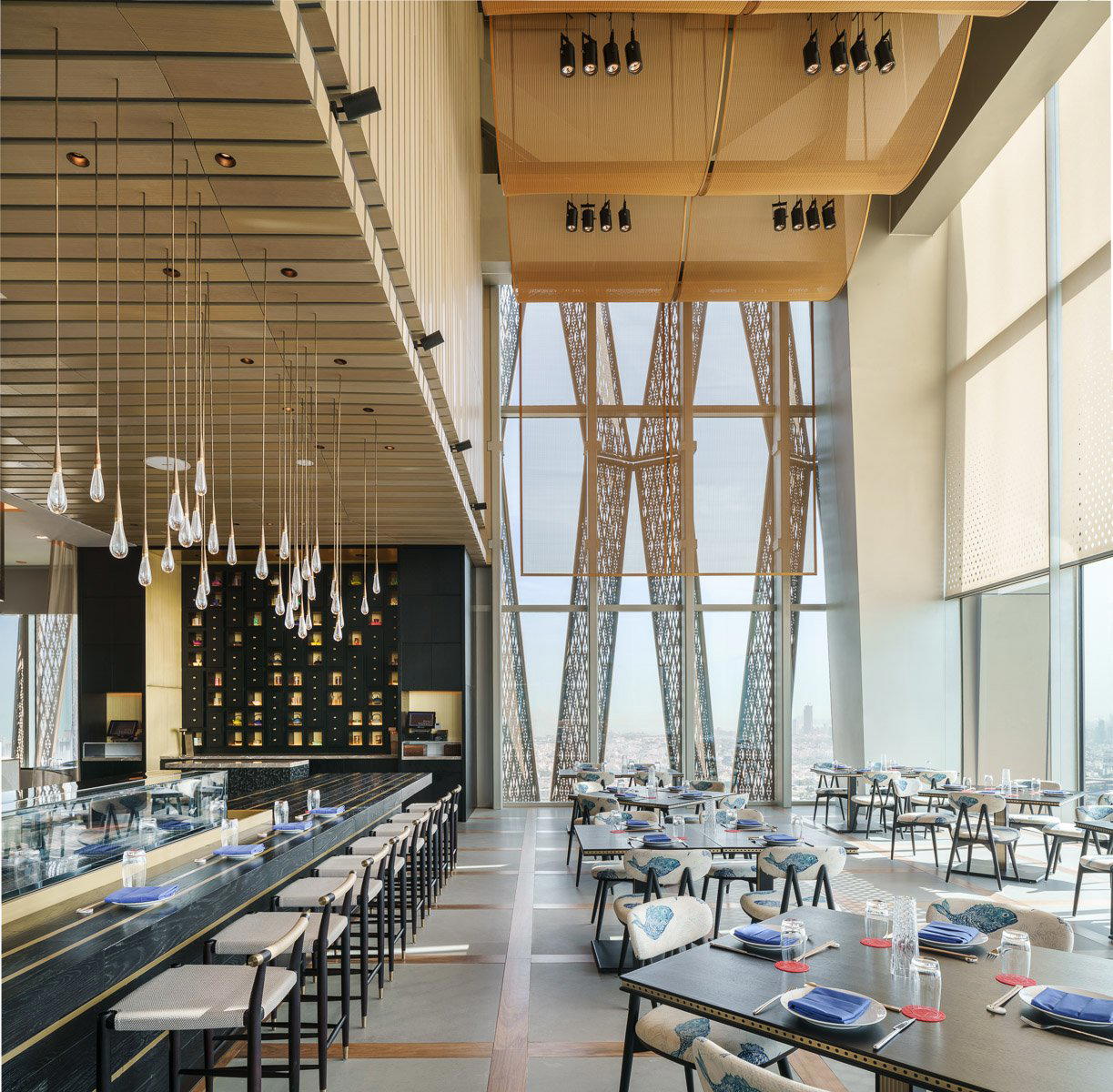
Japanese Discipline at a Russian Imperial Address
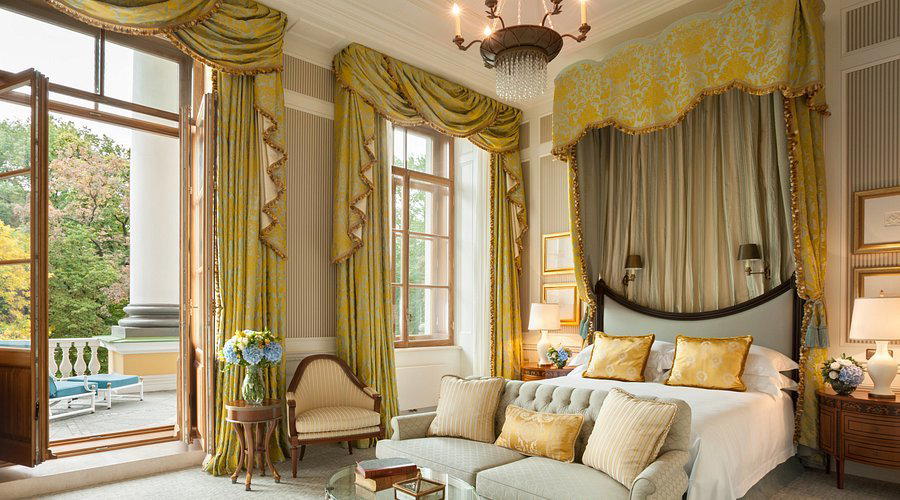
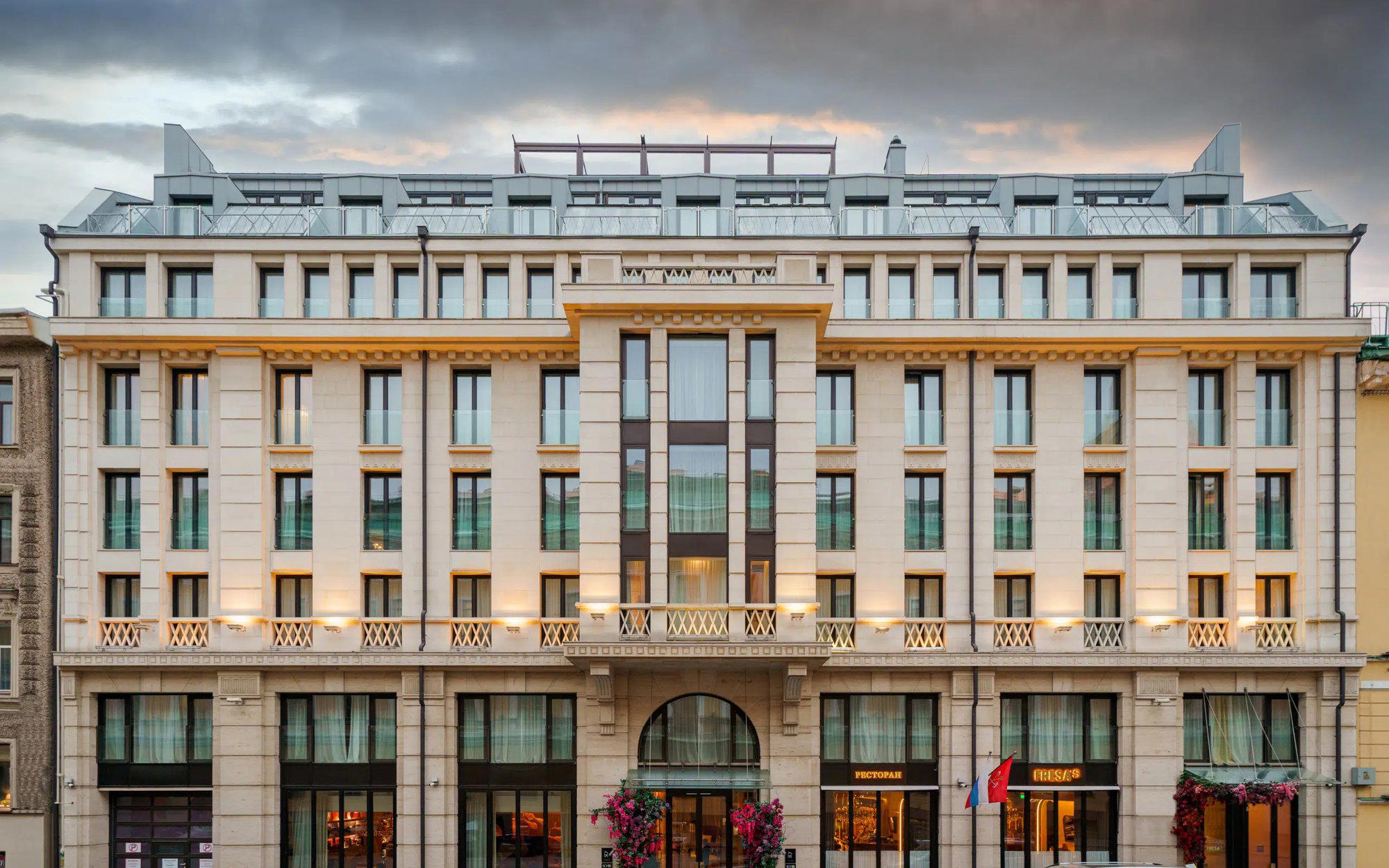
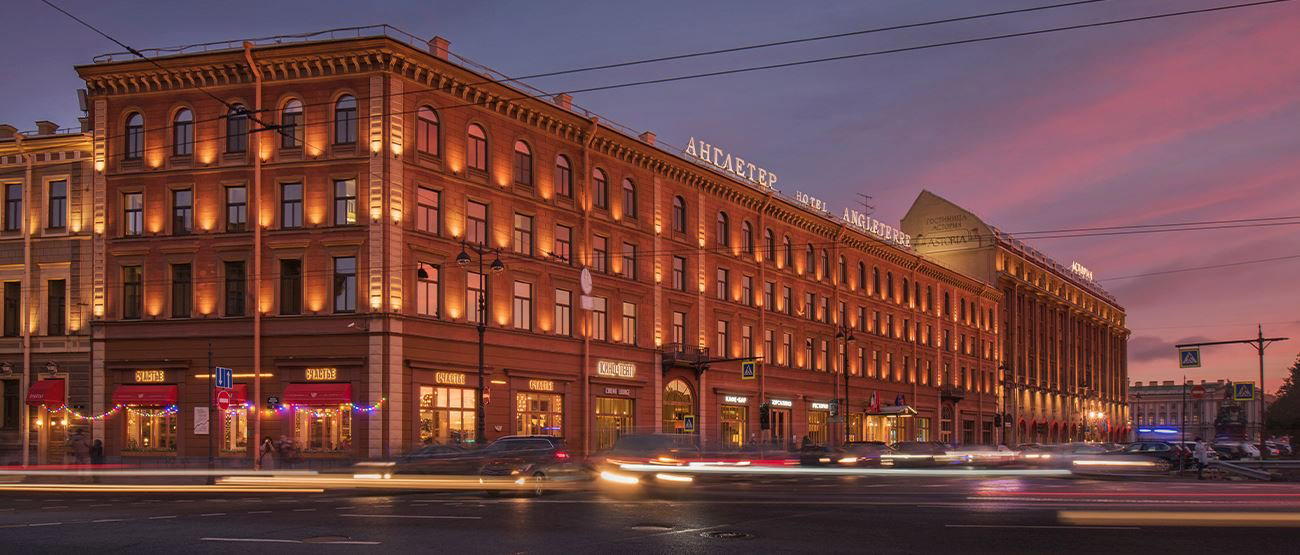
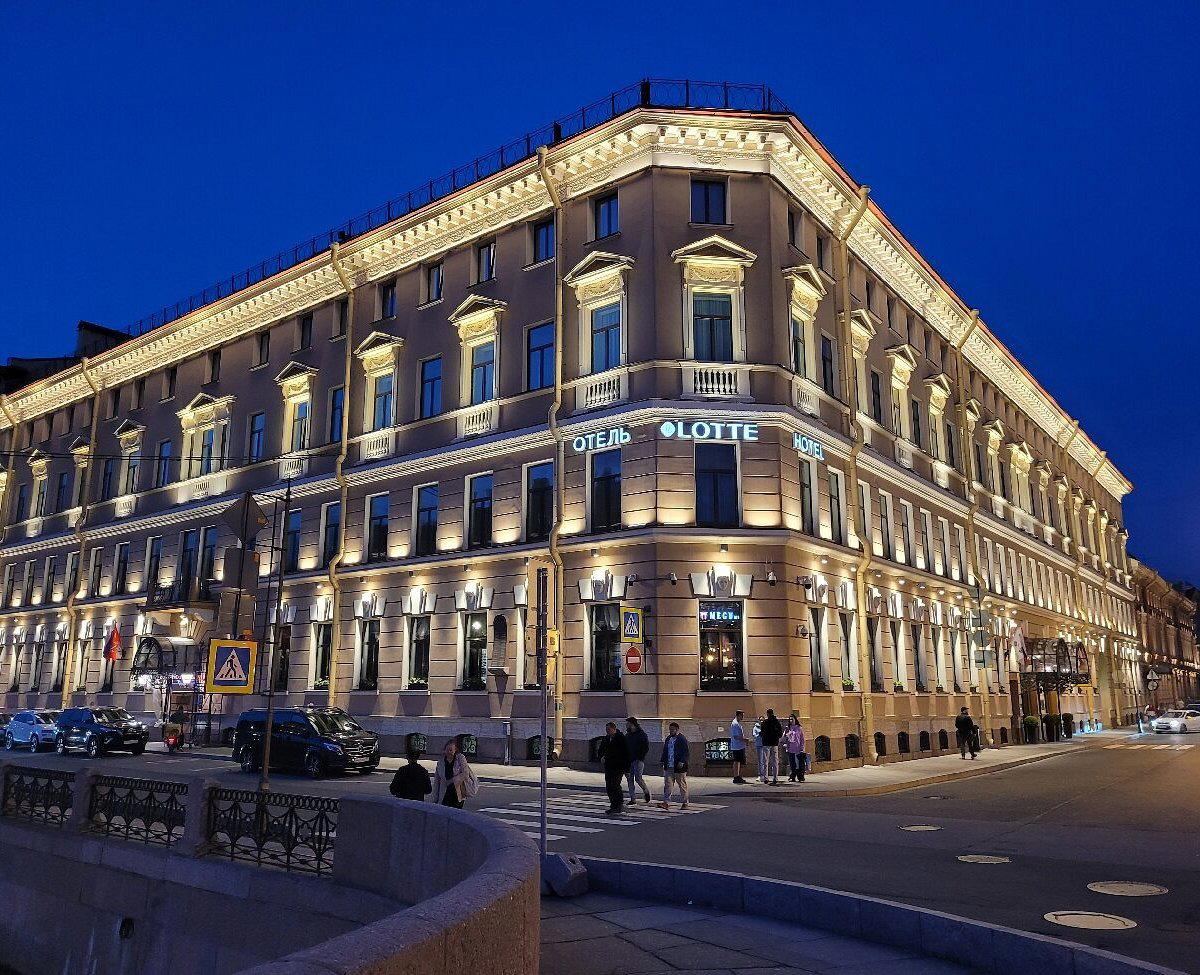
Voznesensky Avenue cuts a straight line from the Admiralty toward the southern districts of St. Petersburg, and the Four Seasons property at its head occupies a building that once served the tsarist administration. That architectural weight, grand facades, high ceilings, interiors that carry the memory of ceremony, frames an unexpected proposition: a Japanese fusion restaurant operating inside one of Russia's most formally European hotel settings. Sintoho is a restaurant in St. Petersburg with a smart casual dress code and recommended reservations. The tension is not incidental. It defines the experience at Sintoho, where the precision grammar of Japanese cooking meets the theatrical grandeur of imperial St. Petersburg.
The contrast matters beyond aesthetics. St. Petersburg's fine dining scene has long been organised around European reference points: French technique, Russian-European hybrids, and the kind of tableside formality that European capital dining has exported across the continent. Venues like Percorso at the Four Seasons and Il Lago dei Cigni represent that dominant current. Sintoho operates in a different register entirely, and its consistency on the La Liste rankings, 76.5 points in 2025, 76 in 2026, suggests it has found a stable position within the city's upper dining tier rather than chasing novelty.
What La Liste Recognition Actually Signals
A score in the mid-seventies over consecutive years is not a sign of stagnation; it indicates a kitchen that maintains output quality at a level that registers consistently across different evaluative frameworks.
For St. Petersburg specifically, consistent La Liste recognition at this tier places Sintoho in a peer group that includes only a handful of the city's restaurants. That matters in a city where the upper dining tier is relatively compact and where international cuisine formats face a harder road to recognition than they might in Moscow or a Western European capital. Birch in St. Petersburg occupies a different culinary register, but both sit within the narrow band of St. Petersburg restaurants that have earned international critical attention.
The Craft Behind Simplicity: Japanese Fusion and the Discipline of Reduction
Japanese fusion is a format that rewards scepticism. The category has produced more dilution than distinction globally, with kitchens frequently using the fusion label to absorb influences without the technical foundation to justify the combinations. What separates credible Japanese fusion from its lesser iterations is exactly the same quality that defines the great bowl traditions, ramen, udon, soba, that have long anchored Japanese cooking at every price point: the understanding that simplicity demands more skill, not less.
A properly made broth for ramen can require twenty hours of reduction and precise fat management. Soba noodles cut by hand to consistent width across a service demand repetition that borders on the meditative. These are not simple dishes; they are dishes that look simple while concealing enormous technical requirement. The same logic applies to Japanese fusion at its most considered: the restraint in a composed dish, the decision not to add another element, the temperature at which something arrives, these are the markers of a kitchen that understands the Japanese tradition it is working within, rather than borrowing its aesthetic vocabulary without its underlying discipline.
Sintoho's positioning within the Four Seasons context, and its sustained La Liste recognition, suggests a kitchen operating at the more considered end of the fusion spectrum. The hotel setting creates a baseline expectation of execution consistency that independent restaurants in the same city may not face as directly, a double-edged condition that tends to produce either mediocrity through institutionalisation or reliable quality through operational rigour.
St. Petersburg's International Dining Tier: Where Sintoho Sits
The city's upper-end restaurant scene is not short of ambition, but it is concentrated in a relatively small geographic and conceptual zone. The historical centre, Nevsky Prospekt, the canals, the immediate surroundings of the Hermitage, accounts for the majority of internationally recognised addresses. Tartarbar represents the city's strength in seafood; Frantsuza Bistrot and Bourgeois Bohemians anchor the European-leaning side of the spectrum. Within this compact scene, a Japanese fusion restaurant with two consecutive years of La Liste recognition occupies a genuinely distinct position.
For reference points outside Russia, the Japanese fusion format at La Liste-recognised level tends to cluster around a set of shared characteristics: sourcing discipline, tasting menu or semi-structured formats, and a service cadence that reflects the Japanese hospitality tradition of measured attention rather than constant interaction. How closely Sintoho adheres to those conventions is a question the kitchen's own output answers, but the recognition signal suggests alignment with international peer standards.
Comparable Japanese fusion formats at a similar recognition tier can be found at Fyn in Cape Town and Gekko in Miami, both of which operate within the same broad category. The contrast in geographic context is instructive: Japanese fusion has demonstrated cross-cultural legibility in ways that more locally specific formats have not, which partly explains its presence in a St. Petersburg hotel rather than, say, a standalone izakaya.
Russia's Fine Dining Geography Beyond St. Petersburg
St. Petersburg tends to be positioned as the more European, culture-forward alternative to Moscow's scale and commercial energy. The dining scene reflects that self-image: smaller in volume, stronger on heritage and setting, with restaurants that foreground their architectural surroundings as much as their menus. Twins Garden in Moscow operates at a different scale entirely, with an international profile that St. Petersburg's leading restaurants have not yet matched. Beyond the two main cities, the picture is patchier: La Colline in Bolshoye Sareyevo, Leo Wine & Kitchen in Rostov, and SEASONS in Kaliningrad each represent regional dining ambition at different scales, while Tsarskaya Okhota in Zhukovka occupies a more traditional Russian register. Within this national picture, Sintoho's consistent international recognition is a meaningful data point.
Planning a Visit
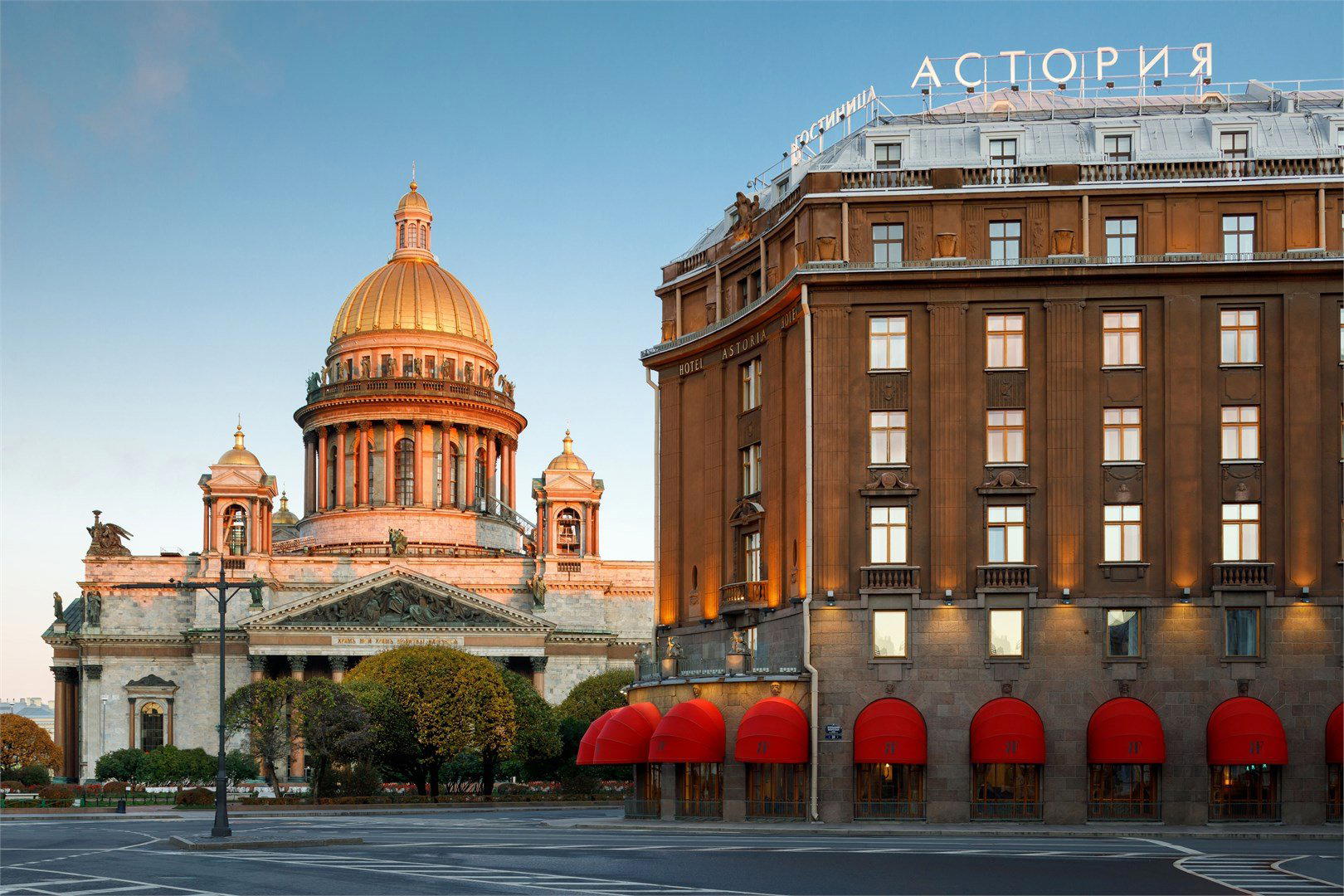
Sintoho sits at Voznesensky Avenue 1, within the Four Seasons St. Petersburg, a few minutes' walk from St. Isaac's Square and the cathedral. Reservations are recommended. Dress expectations are smart casual.
Booking and Cost Snapshot
Comparable venues nearby, for context on price, style, and recognition.
| Venue | Cuisine | Price | Notes |
|---|---|---|---|
| Синтохо - Sintoho at the Four SeasonsThis venue — the venue you are viewing | Japanese Fusion | $$$$ | Not listed |
| Frantsuza Bistrot | Petrogradka, Modern French Bistro | $$$ | Not listed |
| Percorso at the Four Seasons | Admiralteysky, Modern Italian | $$$$ | Not listed |
| Il Lago dei Cigni | Not listed | $$$$ | Petrogradsky, Contemporary Italian Fine Dining |
| Bourgeois Bohemians | Not listed | $$$ | Northwestern District, Contemporary European Fine Dining |
| Tartarbar | Not listed | $$ | City Center, Modern European Tartare Specialist |
Recognition history
Dated appearances from independent guides and award organizations, with the underlying list record or original source where available.
La Liste Top Restaurants
La Liste
La Liste Top Restaurants
La Liste
Continue exploring
More in Sankt-Peterburg
Restaurants in Sankt-Peterburg
Browse all →
Bars in Sankt-Peterburg
Browse all →
At a Glance
- Elegant
- Sophisticated
- Modern
- Date Night
- Special Occasion
- Business Dinner
- Hotel Restaurant
- Historic Building
- Open Kitchen
- Craft Cocktails
- Sake Program
- Skyline
Current opening hours
- Monday
- Closed
- Tuesday
- 5 PM–12 AM
- Wednesday
- 5 PM–12 AM
- Thursday
- 5 PM–12 AM
- Friday
- 5 PM–12 AM
- Saturday
- 5 PM–12 AM
- Sunday
- Closed
Hours can change for holidays and private events. Last verified .
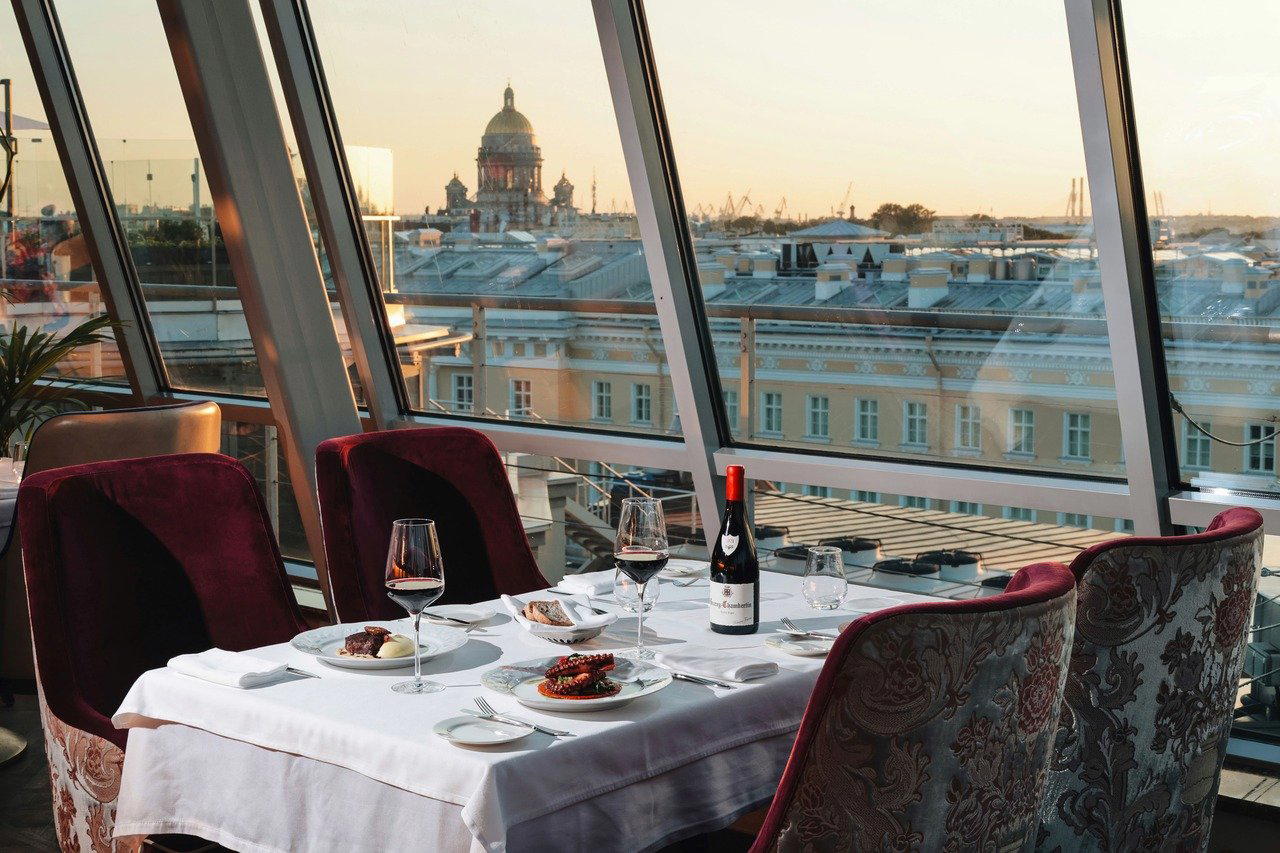
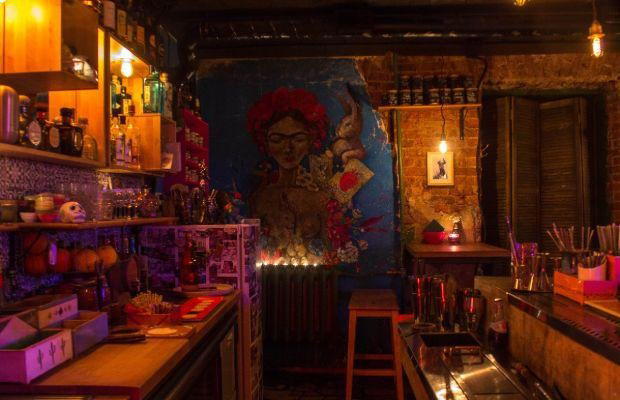
Elegant and lively modern Asian atmosphere with innovative interior details, dynamic music, and dramatic views of St. Isaac's Cathedral.