Mansarda
Our verdict
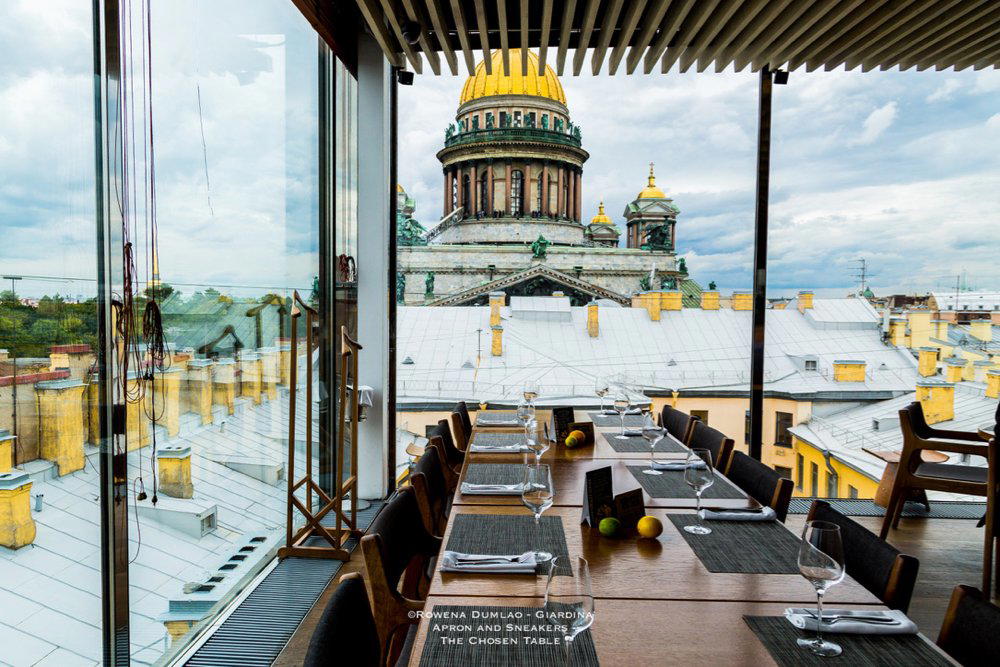
Mansarda occupies the upper floors of a historic building on Pochtamtskaya Ulitsa, one of central Saint Petersburg's more composed addresses, within walking distance of St Isaac's Cathedral. The restaurant sits in a tier of the city's dining scene where rooftop position and architectural setting do as much editorial work as the kitchen. For readers planning a wider sweep of the city's restaurants, it belongs in the same conversation as the neighbourhood's more established dining rooms.

Pearl is the En Primeur Club membership app — saves, bookings, and concierge access live there. Same editors, same standards.
- Address
- Pochtamtskaya Ulitsa, 3, St Petersburg, Russia, 190000
- Phone
- +78126401616
- Hours
- Daily 12 PM–1 AM
- Website
- ginza.ru
- Directions
- Get directions
- Booking
- Book on the venue's website
The menu
What to order
- Black Caviar with Potato Pancakes
- Platter of Grilled Seafood
- Creamy Risotto with Truffles
- Scallops Ceviche
- Grilled Roedeer Fillet with Cabernet Sauce
A Rooftop Address in the Shadow of St Isaac's
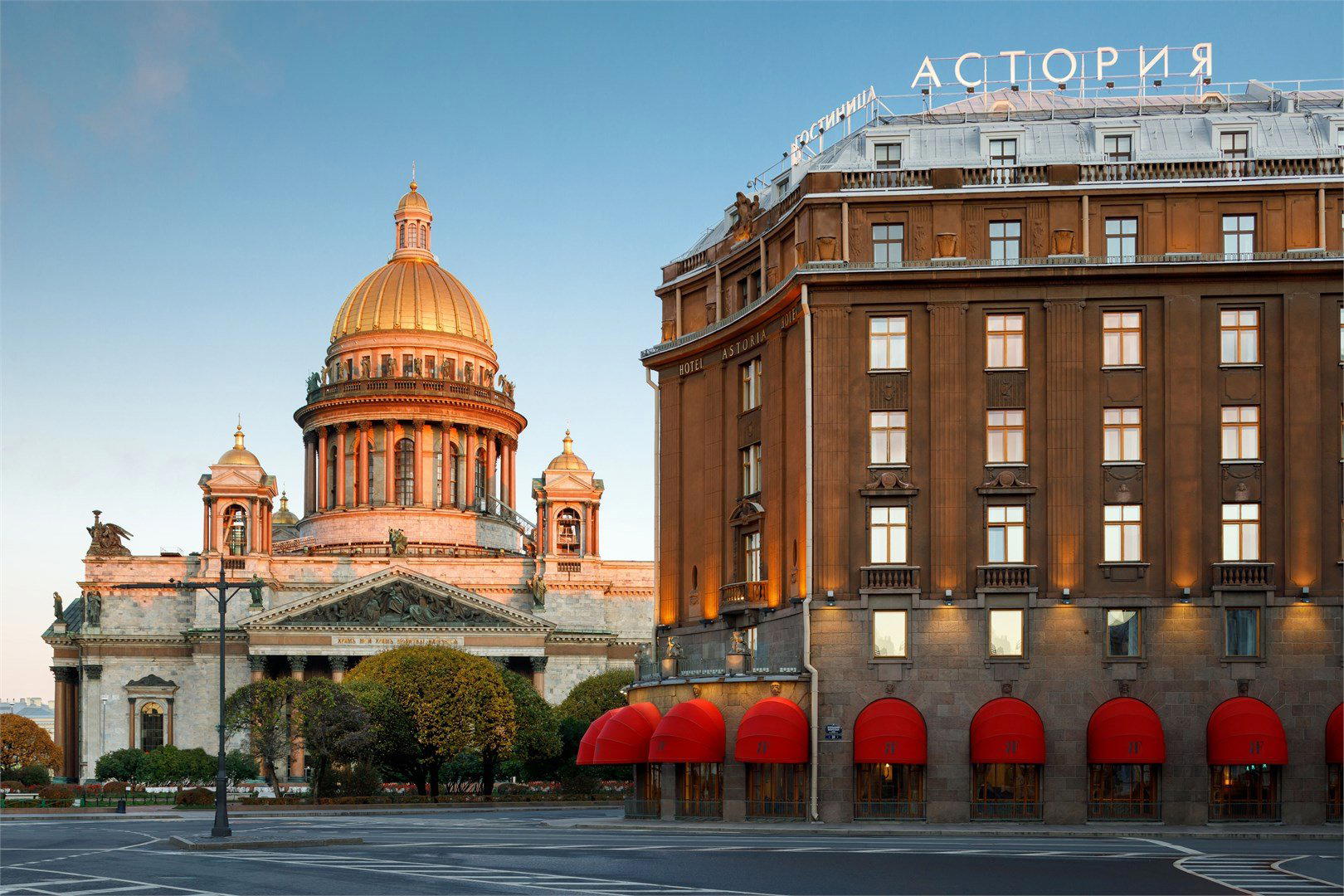
Saint Petersburg has always organised its dining hierarchy partly around real estate. The city's grandest rooms tend to cluster near the Neva embankments and the imperial corridors running south from the Hermitage, where the architecture does preliminary work before a menu is opened. Pochtamtskaya Ulitsa, the street where Mansarda sits at number 3, falls inside that gravitational zone — close enough to St Isaac's Cathedral that the dome shapes the sightline from the upper floors, yet far enough from the tourist circuit to feel like a deliberate choice rather than a convenience stop.
Rooftop and upper-floor dining in this city carries a specific set of expectations. The format has proliferated across central Saint Petersburg over the past decade, splitting into two broad camps: venues that use the elevation primarily as a visual selling point, with kitchens that under-deliver relative to the view, and those where the menu architecture and the physical setting operate at the same register. Which camp a restaurant occupies becomes clear fairly quickly in how the menu is structured — whether it asks the view to carry the meal, or whether it functions independently of the panorama below.
What the Menu Structure Says About the Kitchen
In cities where dining culture has matured past the spectacle-first phase, menu architecture tends to reveal the kitchen's actual priorities. A restaurant confident in its cooking organises dishes around internal logic, the progression of temperature, texture, and weight, rather than around crowd-pleasers inserted at intervals to reassure uncertain guests. Saint Petersburg's more serious dining rooms, from the historic formality of 1913 to the more contemporary register of Blok, have each found different answers to this question of how to sequence a meal in a city with an imperial dining inheritance and a contemporary Russian kitchen movement running alongside it.
Mansarda's address places it in productive tension with that history. Pochtamtskaya Ulitsa is not a dining street in the way that, say, the area around Rubinshteyna has become, it is quieter, more institutional in character, which tends to attract restaurants that rely on destination dining rather than foot traffic. Destination dining, in turn, tends to reward kitchens that can hold attention across a full meal, since the guest has made a considered choice to be there rather than defaulting to convenience.
The editorial question worth asking of any upper-floor restaurant in this city is whether the menu reads as complete before the view is factored in. The strongest performers in Saint Petersburg's current scene, including Bellevue, which occupies a comparable position in terms of setting and price expectation, demonstrate that kitchen confidence and physical elevation are not mutually exclusive, but neither are they automatically aligned.
Saint Petersburg's Dining Scene as Context
Russia's restaurant culture has undergone a significant recalibration since the early 2010s, when Moscow set the pace with venues like Twins Garden in Moscow redefining what a technically serious Russian kitchen could look like. Saint Petersburg moved along a parallel track, developing a dining identity that draws more explicitly on European proximity, the Baltic, Scandinavian, and Central European influences that have always filtered through the city's geography and history, while maintaining a distinct local character.
That identity now spans a wide price range and format spectrum. At one end, places like Astoria Cafe anchor the city's tradition of grand-hotel dining. At the other, more casual formats including BeefZavod reflect the appetite for informal, produce-led eating that has reshaped midrange dining across Russian cities. Mansarda occupies a position somewhere in the upper-middle of that range, where setting and ambition are expected to align, and where a guest arriving from a comparable meal at Made in China in St. Petersburg or Lev I Ptichka in Saint Petersburg City will bring calibrated expectations.
Across Russia more broadly, the appetite for regionally grounded cooking has grown considerably. Venues such as Kukhterin in Tomsk, Alanskaya Kukhnya in Krasnodar, and Dzhani Restorani in Nizhny Novgorod each represent a version of this turn toward local identity, a trend that Saint Petersburg's kitchens have engaged with in ways shaped by the city's particular position as a northern port with deep European cultural ties. A rooftop restaurant in this city, perhaps more than one in Moscow, carries the weight of that geography in its menu choices.
Planning a Visit
Mansarda's location at Pochtamtskaya Ulitsa, 3 places it in central Saint Petersburg, accessible from the major metro stations serving the Admiralteyskaya and Sennaya Ploshchad areas. The address is leading approached on foot from the city centre, with St Isaac's Cathedral providing a clear landmark from multiple directions. Upper-floor restaurants in this part of the city tend to draw a mixed clientele of hotel guests from nearby properties, local professionals, and visitors making a deliberate dining choice, which shapes the room's energy across service periods.
For readers building a multi-day dining itinerary, Mansarda works well as a dinner anchor given its position and setting, the kind of booking that benefits from being made in advance, particularly during the White Nights period from late May through July, when Saint Petersburg sees its highest visitor density and rooftop and upper-floor venues fill quickly. The city's dining room availability compresses noticeably during that window, and restaurants with a view component become harder to access without forward planning.
For a broader view of where Mansarda sits within the city's full dining offer, our full Saint Petersburg restaurants guide maps the scene across formats, neighbourhoods, and price points.
Frequently asked questions
Where is Mansarda located?
Mansarda is located at Pochtamtskaya Ulitsa, 3, St Petersburg, Russia, 190000, Saint Petersburg.
Is Mansarda a good option for dining with a view of Saint Petersburg's historic centre?
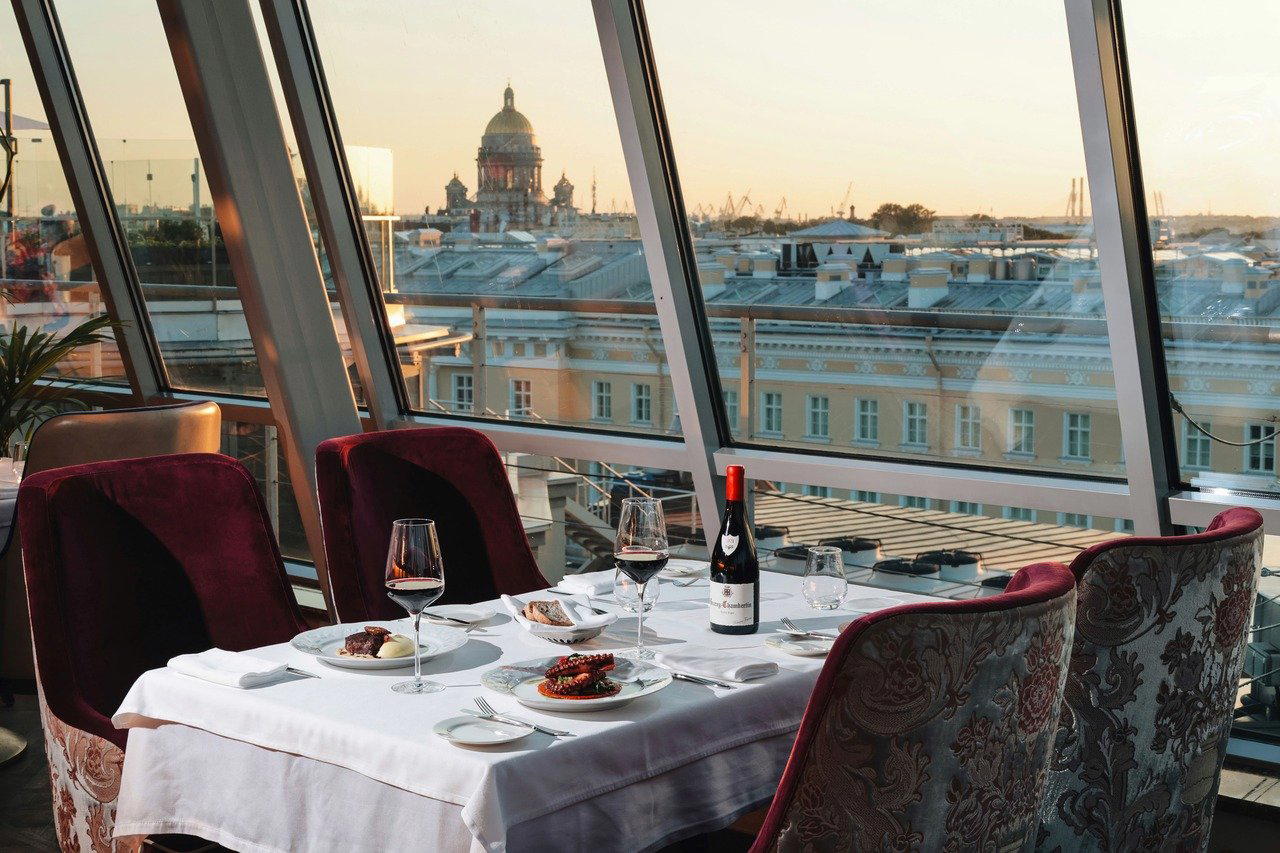
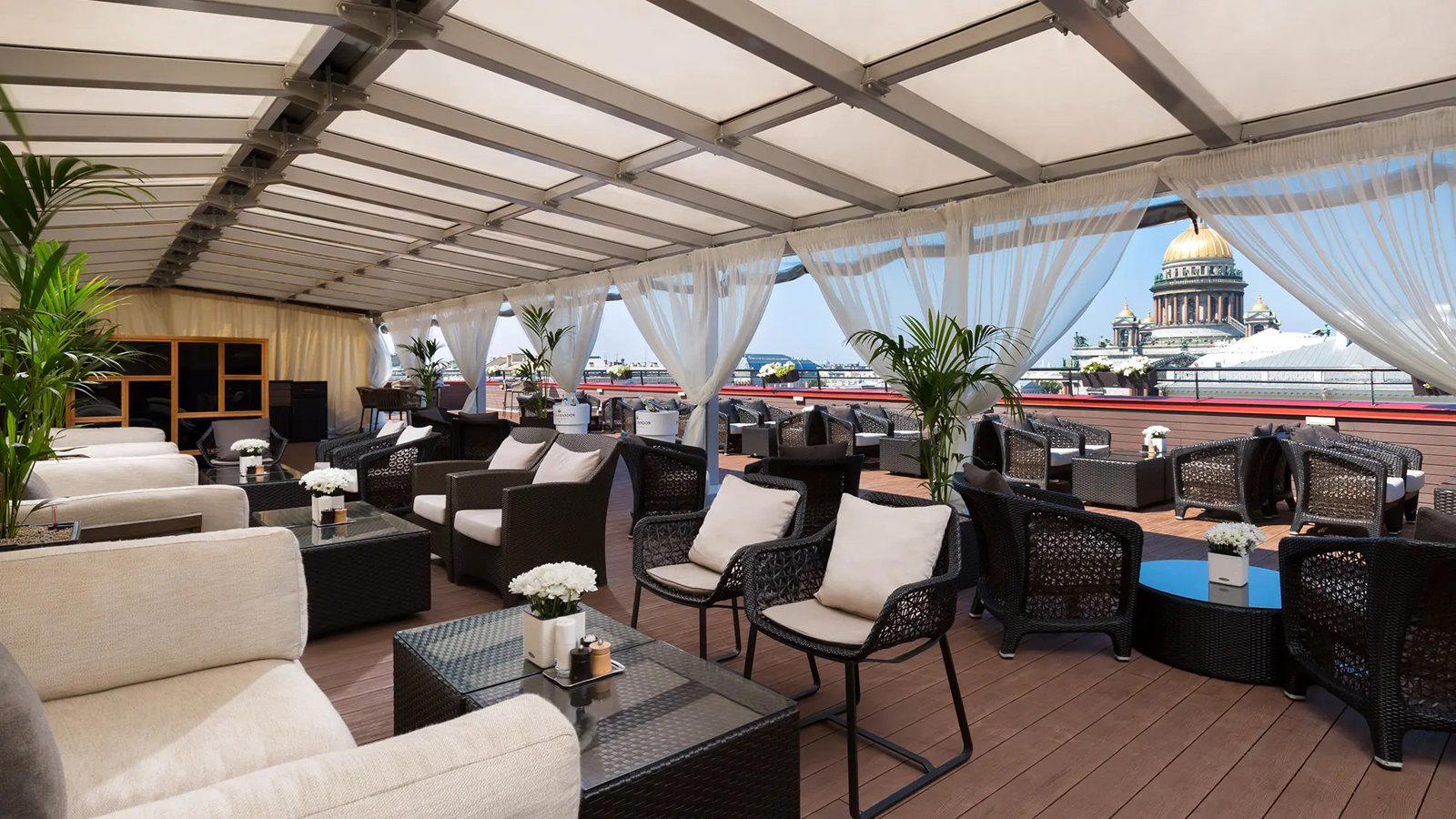
Mansarda's rooftop position on Pochtamtskaya Ulitsa, 3 places it within the Admiralteysky district, one of the densest concentrations of imperial-era architecture in the city. The address puts St Isaac's Cathedral within immediate proximity, which gives the dining room a sightline context few central Saint Petersburg restaurants can match at table level. For visitors prioritising a meal that doubles as an orientation into the city's built geography, the location is the primary credential.
What's the signature dish at Mansarda?
Verified menu specifics for Mansarda are not available at time of writing. Rooftop restaurants operating at this tier in central Saint Petersburg typically build their menus around Russian seasonal produce, though the kitchen's actual priorities are better read from the menu structure itself than from any single dish. Visiting during the White Nights season, roughly late May through July, tends to coincide with the broadest ingredient range.
How hard is it to get a table at Mansarda?
Demand peaks sharply during Saint Petersburg's White Nights season, when the city draws its heaviest concentration of international visitors and tables at well-positioned central addresses book out well in advance. Outside that window, from August through April, availability at Pochtamtskaya Ulitsa restaurants generally loosens. Booking ahead regardless of season is advisable given Mansarda's location close to St Isaac's Cathedral, one of the city's highest-footfall landmarks.
Accolades, Compared
Comparable venues nearby, for context on price, style, and recognition.
| Venue | Cuisine | Price | Awards | Notes |
|---|---|---|---|---|
| MansardaThis venue — the venue you are viewing | Modern European with Asian Influences | $30–50 | Not listed | Not listed |
| Sintoho | Modern Pan-Asian Fusion | $100–150 | La Liste Top Restaurants | Admiralteisky |
| Il Milanese | Traditional Italian Trattoria | $30–50 | Not listed | Northwestern District (Liteyny) |
| Банщики | Modern Russian | $30–50 | Not listed | Central District |
| Astoria Cafe | Modern Russian-European | Not listed | Not listed | Admiralteisky |
| GREBESHKI Bistro&Shop | Modern Northern Seafood Bistro | $30–50 | Not listed | Arsenalnaya Emb. |
Continue exploring
More in Saint Petersburg
Restaurants in Saint Petersburg
Browse all →
Bars in Saint Petersburg
Browse all →
Mansarda
The wine
- Wine program
- Curated wine list
- Extensive wine list
Details
- Elegant
- Modern
- Scenic
- Sophisticated
- Date Night
- Business Dinner
- Group Dining
- Celebration
- Special Occasion
- Rooftop
- Panoramic View
- Historic Building
- Design Destination
- Standalone
- Extensive Wine List
- Skyline
- A La Carte
- Wine
- Vegetarian Friendly
- Vegan Options
- Gluten Free Options
Current opening hours
- Monday
- 12 PM–1 AM
- Tuesday
- 12 PM–1 AM
- Wednesday
- 12 PM–1 AM
- Thursday
- 12 PM–1 AM
- Friday
- 12 PM–1 AM
- Saturday
- 12 PM–1 AM
- Sunday
- 12 PM–1 AM
Hours can change for holidays and private events. Last verified .
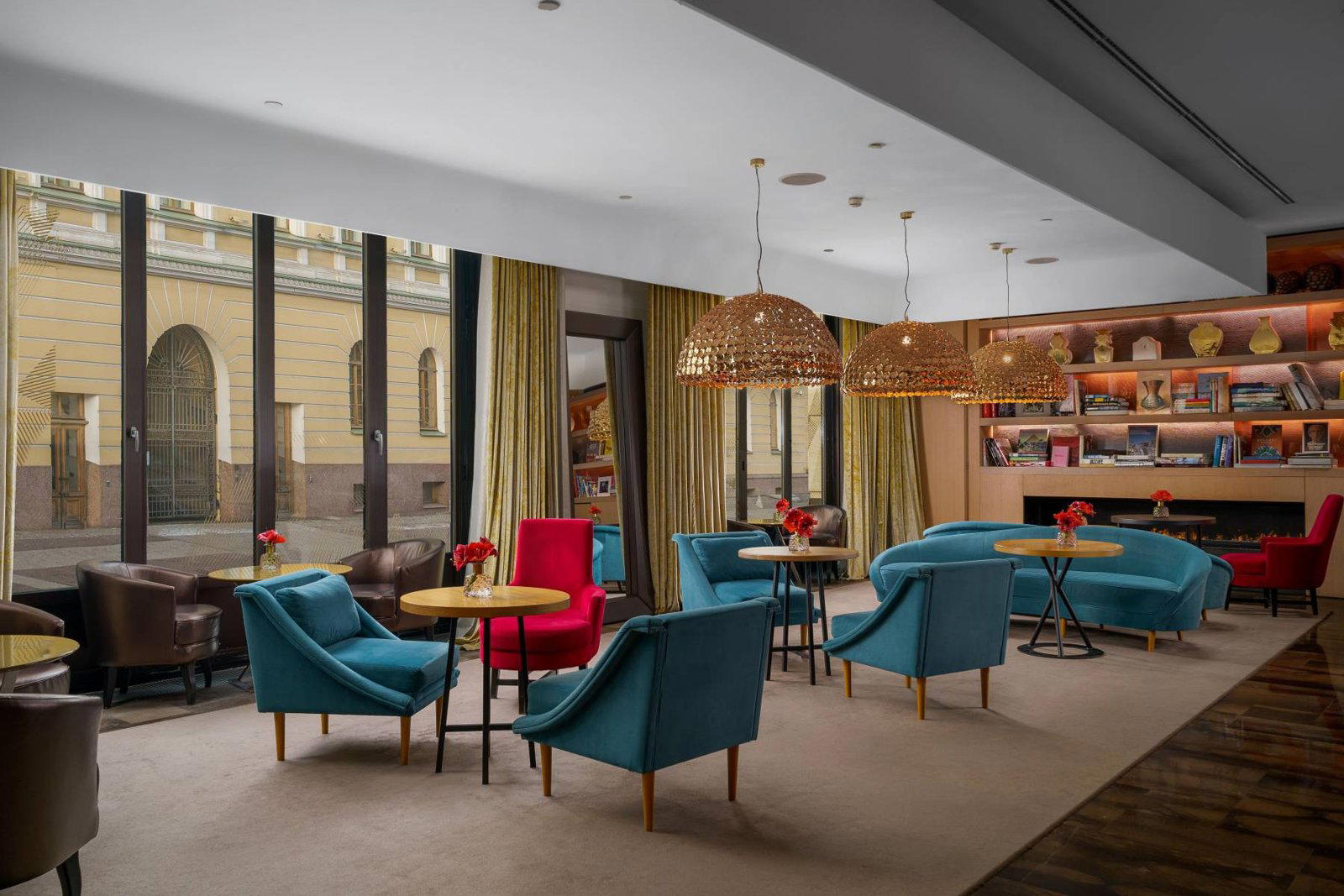
Contemporary and elegant with striking geometric oak ceiling planks, metallic pitched roof reminiscent of attic rooms, floor-to-ceiling glass walls, and warm oak and teak accents creating a sophisticated yet cozy atmosphere.