Percorso at the Four Seasons

Percorso at the Four Seasons sits at the intersection of Russian produce and French culinary structure, occupying a position among St. Petersburg's most formally recognised dining rooms. Rated 83.5 points by La Liste in 2025, it draws comparisons with the city's other European-inflected fine dining addresses while operating on the scale and service infrastructure that a Four Seasons setting demands.
Pearl is the En Primeur Club membership app — saves, bookings, and concierge access live there. Same editors, same standards.
- Address
- Voznesensky Ave, 1, St Petersburg, Russia, 190031
- Phone
- +7 812 339-80-44
- Website
- lionpalacehotel.com
- Directions
- Get directions
 Saves & bookings on Pearl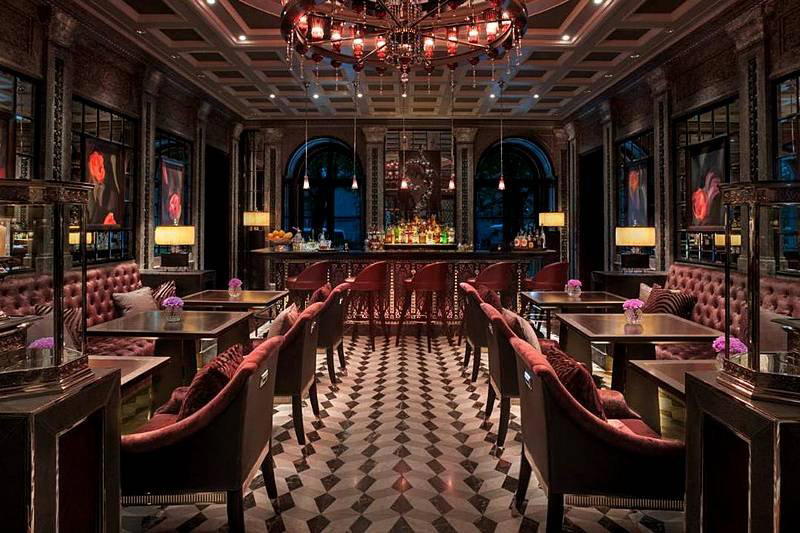
Voznesensky Avenue and the Grammar of Grand-Hotel Dining
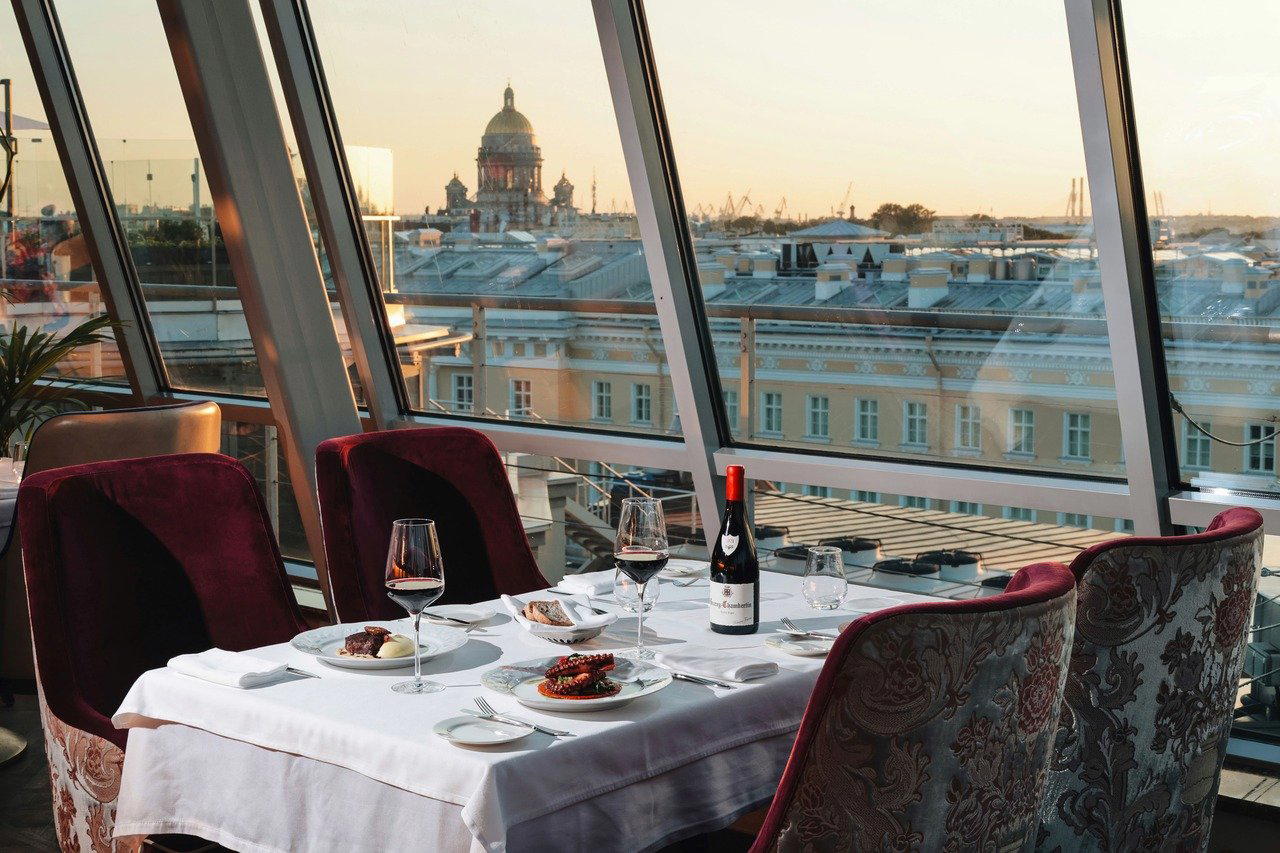
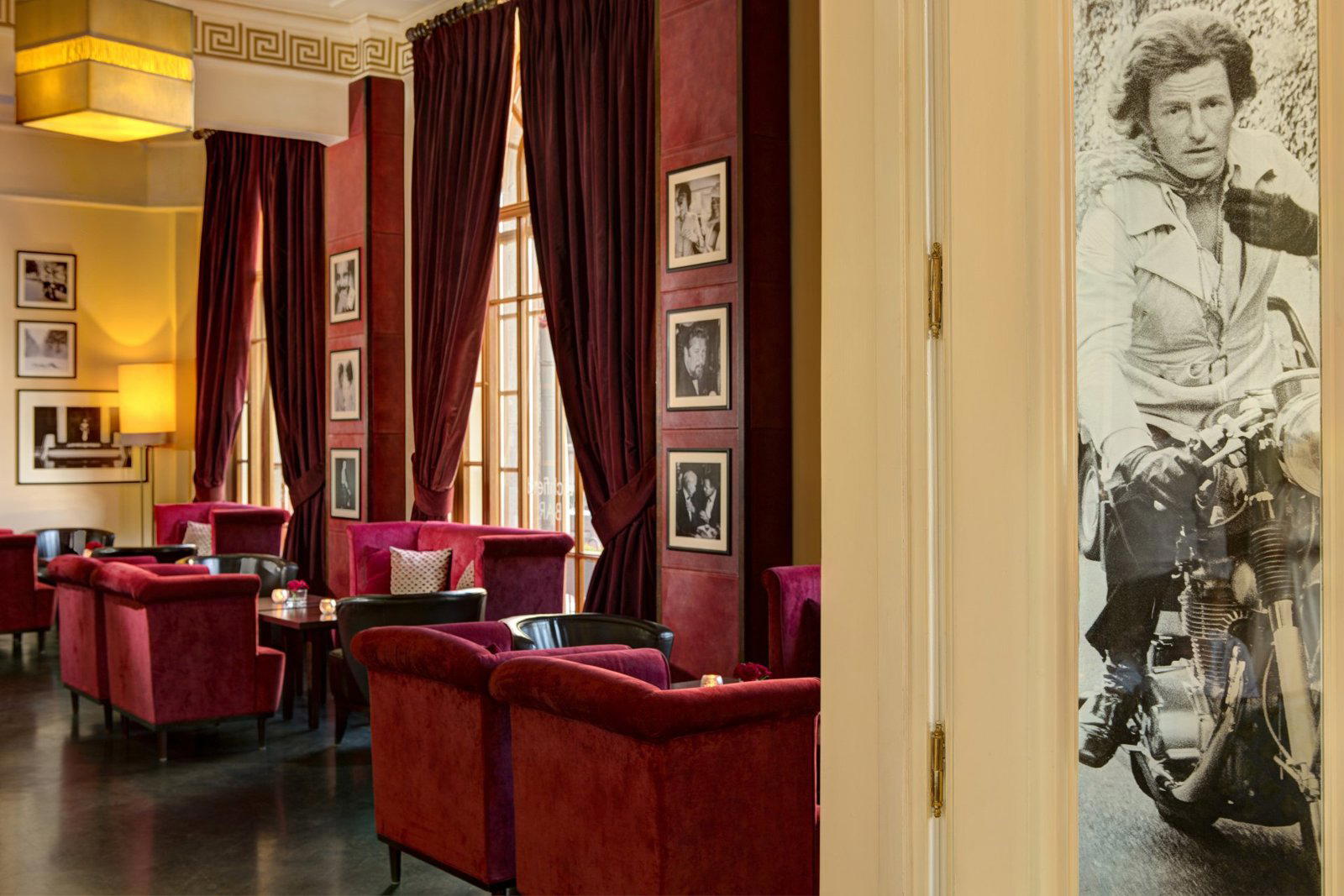
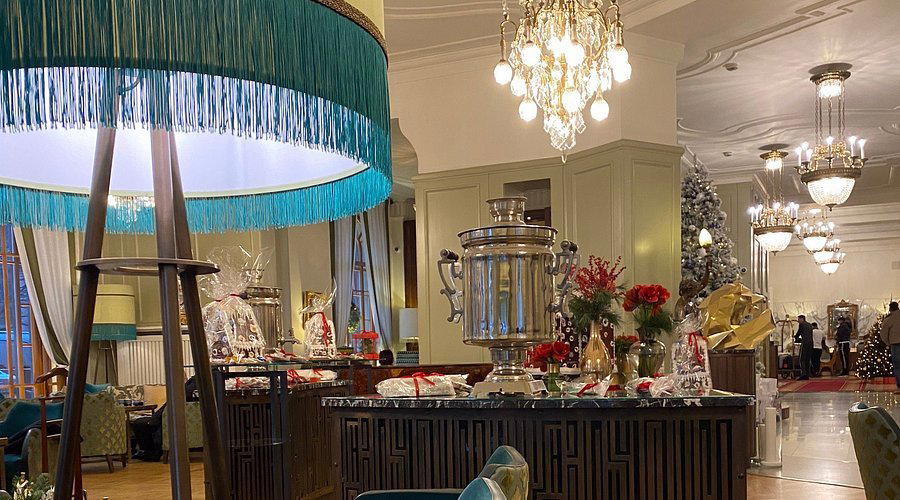
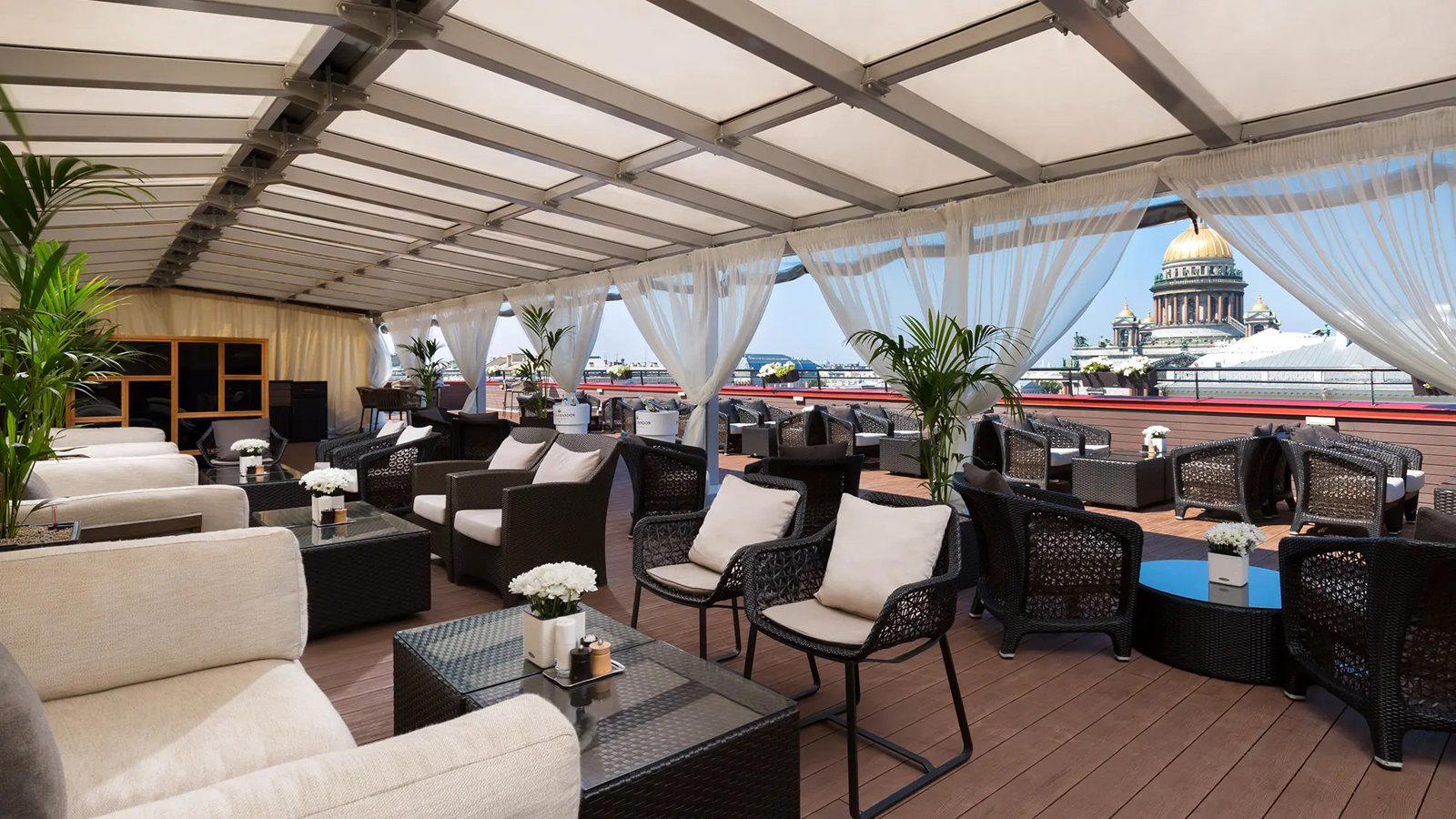
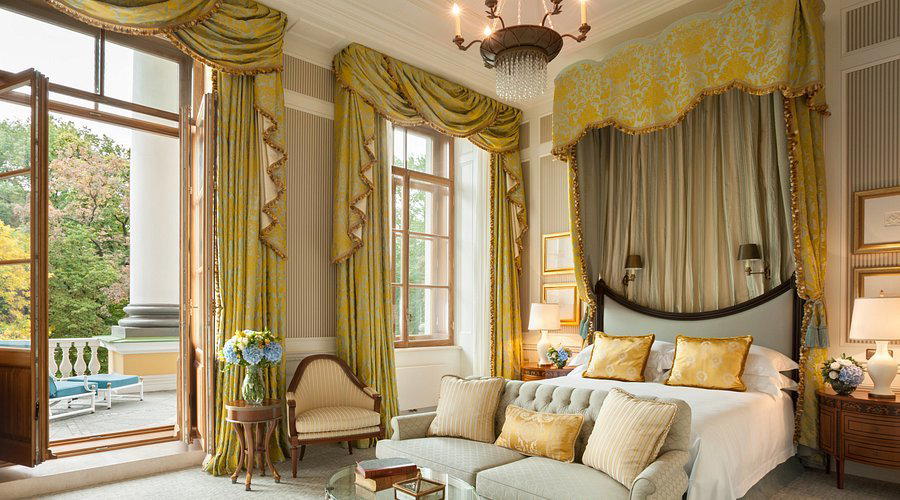
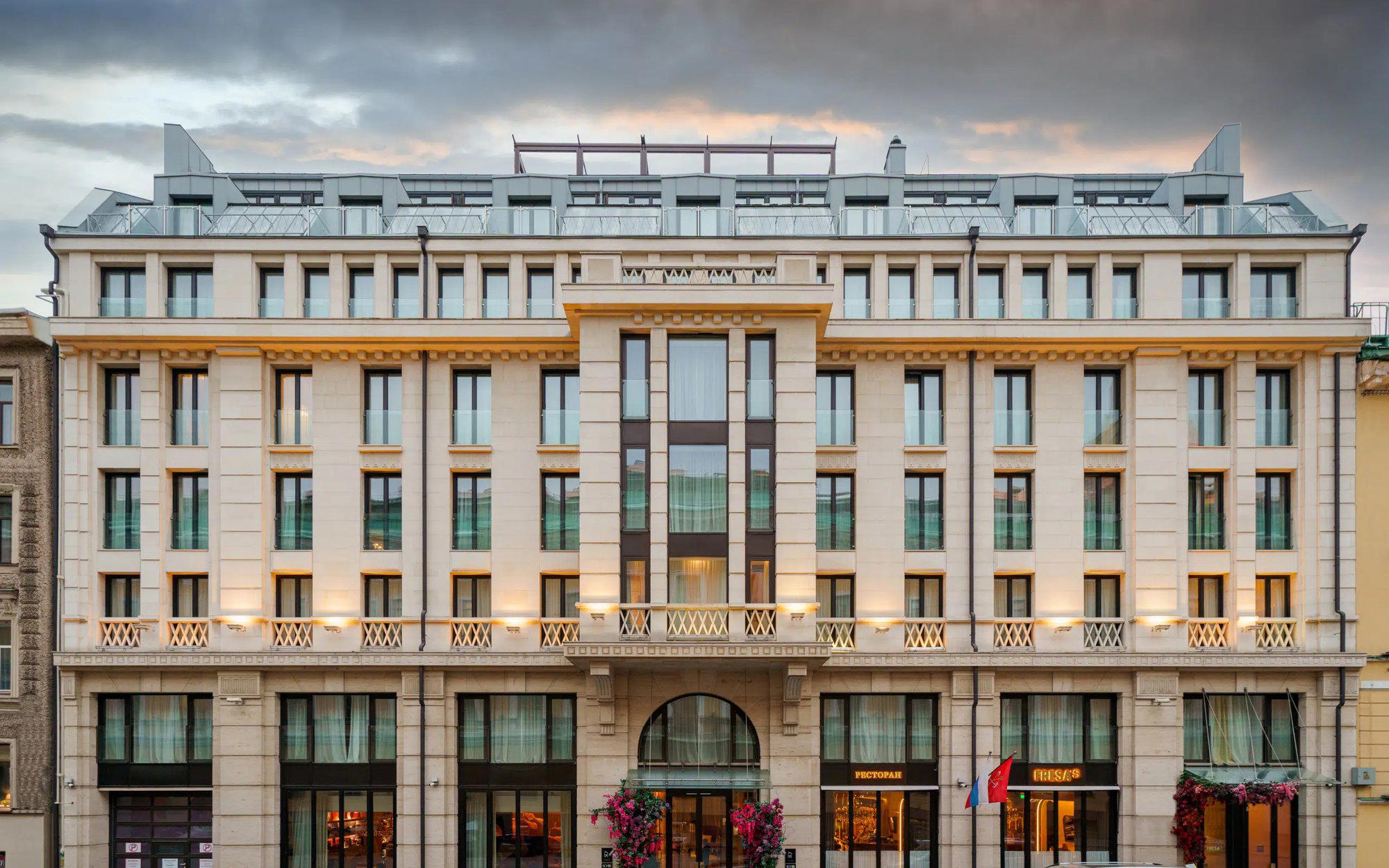
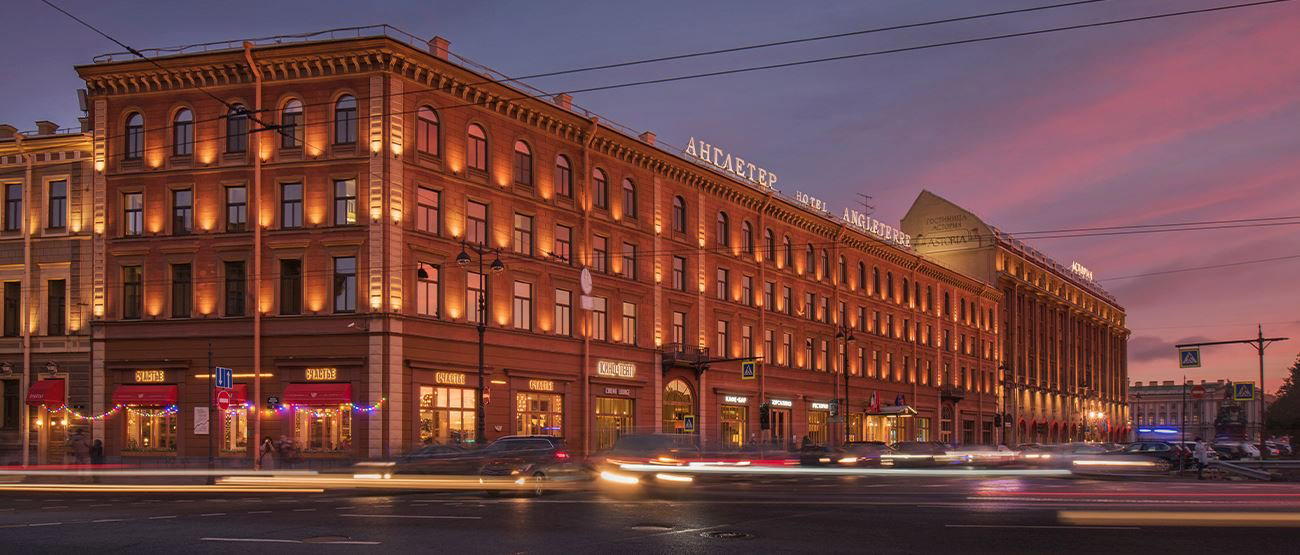
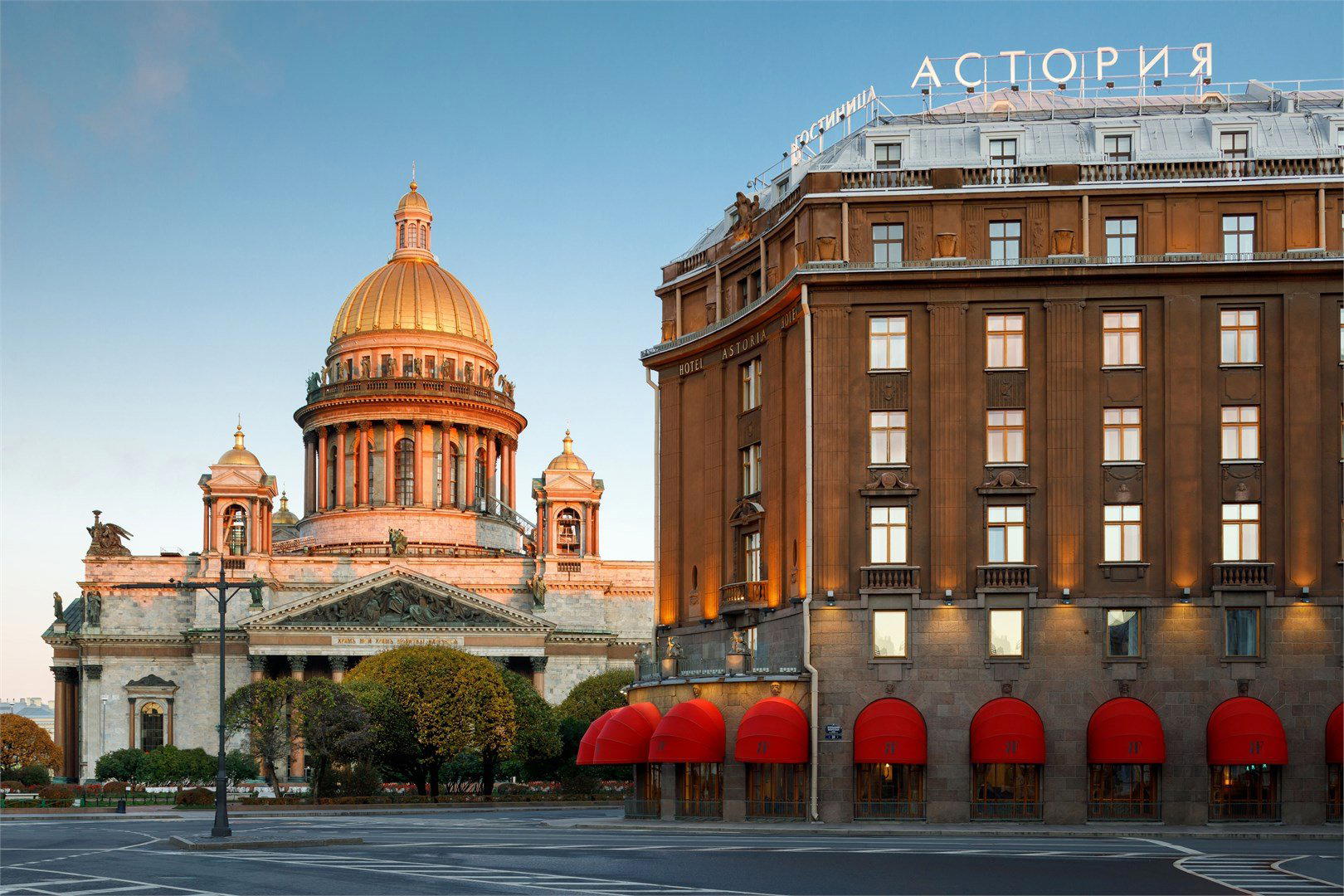
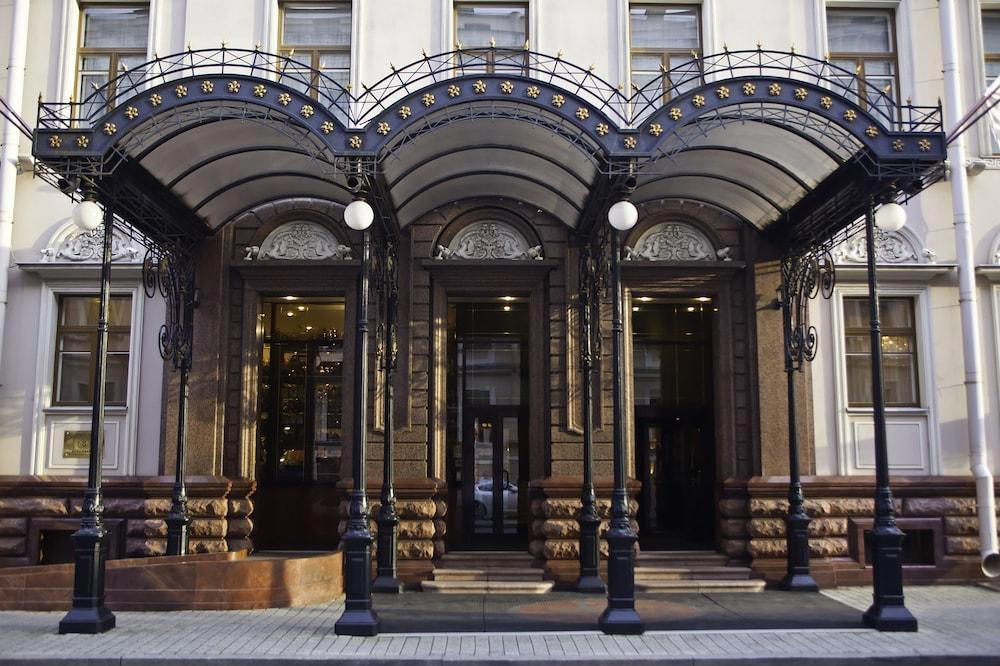
Percorso at the Four Seasons is a modern Italian restaurant in St. Petersburg, Russia, at Voznesensky Ave, 1. Voznesensky Avenue cuts south from St. Isaac's Square through one of the city's most architecturally deliberate corridors, and the Four Seasons hotel that houses the restaurant occupies a building whose proportions belong to a different century of hospitality. Inside, the dining room operates at the scale and formality that grand-hotel restaurants in European capitals have maintained since before dining became a leisure category: high ceilings, considered light, the measured pace of a room that does not need to turn tables quickly. That physical environment is itself an editorial statement about what the kitchen is attempting.
Where Russian Produce Meets French Structure
Percorso's modern Italian cooking is not an arbitrary pairing. French technique has shaped Russian fine dining since the imperial period, when St. Petersburg kitchens trained under French chefs and absorbed classical method into a cuisine already built around notable cold-water fish, preserved vegetables, game, and dairy. What the leading contemporary practitioners in this tradition do is reverse the historical hierarchy: French structure becomes the tool, Russian produce becomes the argument. The approach positions Percorso in a different category from the more straightforwardly European addresses on the city's fine dining circuit, such as Il Lago dei Cigni or Bourgeois Bohemians, and also distinct from the more assertively Russian registers of Frantsuza Bistrot and пробка – Probka.
Nationally, the Russian-French synthesis has found some of its most rigorous expression in Moscow, where Twins Garden has built a case for produce-led Russian fine dining with sustained international attention. St. Petersburg's version tends to carry a different weight of historical context, given that the city was itself a stage for European culinary exchange in a way Moscow was not, and restaurants like Birch have also explored what contemporary Russian identity means on a tasting menu. Percorso, operating within a Four Seasons property, sits closer to the international fine dining register than to the nativist end of that spectrum, which is a positioning choice as much as a culinary one.
The Wine Programme and the Case for Cellar Seriousness
A sommelier working within this context has a coherent brief, and the quality of execution along that brief is often what separates a hotel restaurant from a serious destination.
Leo Wine & Kitchen in Rostov and La Colline in Bolshoye Sareyevo are among the addresses elsewhere in Russia that have taken the domestic wine conversation seriously; the degree to which Percorso engages with that conversation is a marker of how far its cellar thinking extends beyond the standard luxury hotel template.
Pairing architecture at this level also benefits from the structural logic of the cuisine. French-trained pairing conventions map reasonably well onto the Russian ingredient set when the kitchen is working with klassicheskie brodovi fish stocks, cream-enriched sauces, or game reductions that have Burgundian analogues. Where the cuisine departs from French precedent, into fermented, pickled, or smoked preparations with no obvious classical French counterpart, the sommelier's job becomes more interesting, and the selections made in those moments are the clearest signal of how deeply the programme has been considered.
La Liste Recognition and What It Signals
Percorso holds La Liste recognition in both 2025 (83.5 points) and 2026 (77 points), placing it in the upper tier of formally rated restaurants in St. Petersburg. La Liste aggregates critical sources from multiple countries and tends to weight consistency and technical execution heavily, which makes the dual-year presence meaningful as a stability signal rather than a one-cycle anomaly.
Among Russian addresses with La Liste presence, Percorso sits in a competitive set that includes Moscow-based destinations operating at similar price and formality levels. Further afield, addresses like SEASONS in Kaliningrad and Tsarskaya Okhota in Zhukovka represent the range of formally recognised Russian fine dining outside Moscow and St. Petersburg proper. At the international anchor end of the scale, the classical French technical standards that Percorso is measured against are still being set at rooms like Le Bernardin in New York, where French method applied to premium seafood remains the benchmark; and the Korean-American precision of Atomix demonstrates what happens when a non-European tradition absorbs fine dining architecture on its own terms, a model not entirely unlike the Russian-French negotiation.
St. Petersburg's Fine Dining Context
Tartarbar may be operating with more culinary edge at a comparable price point.
At a Glance
Comparable venues nearby, for context on price, style, and recognition.
| Venue | Cuisine | Price | Notes |
|---|---|---|---|
| Percorso at the Four SeasonsThis venue — the venue you are viewing | Admiralteysky, Modern Italian | $$$$ | Not listed |
| Il Lago dei Cigni | Not listed | $$$$ | Petrogradsky, Contemporary Italian Fine Dining |
| пробка - Probka | Not listed | $$$ | Petrogradskaya Side, Modern Italian Trattoria |
| Синтохо - Sintoho at the Four Seasons | Not listed | $$$$ | Admiralteysky, Modern Premium Asian Fusion |
| Сад - Sad | Not listed | $$$ | Petrogradsky District, Modern Rustic European |
| Frantsuza Bistrot | Petrogradka, Modern French Bistro | $$$ | Not listed |
Recognition history
Dated appearances from independent guides and award organizations, with the underlying list record or original source where available.
La Liste Top Restaurants
La Liste
La Liste Top Restaurants
La Liste
Continue exploring
More in Sankt-Peterburg
Restaurants in Sankt-Peterburg
Browse all →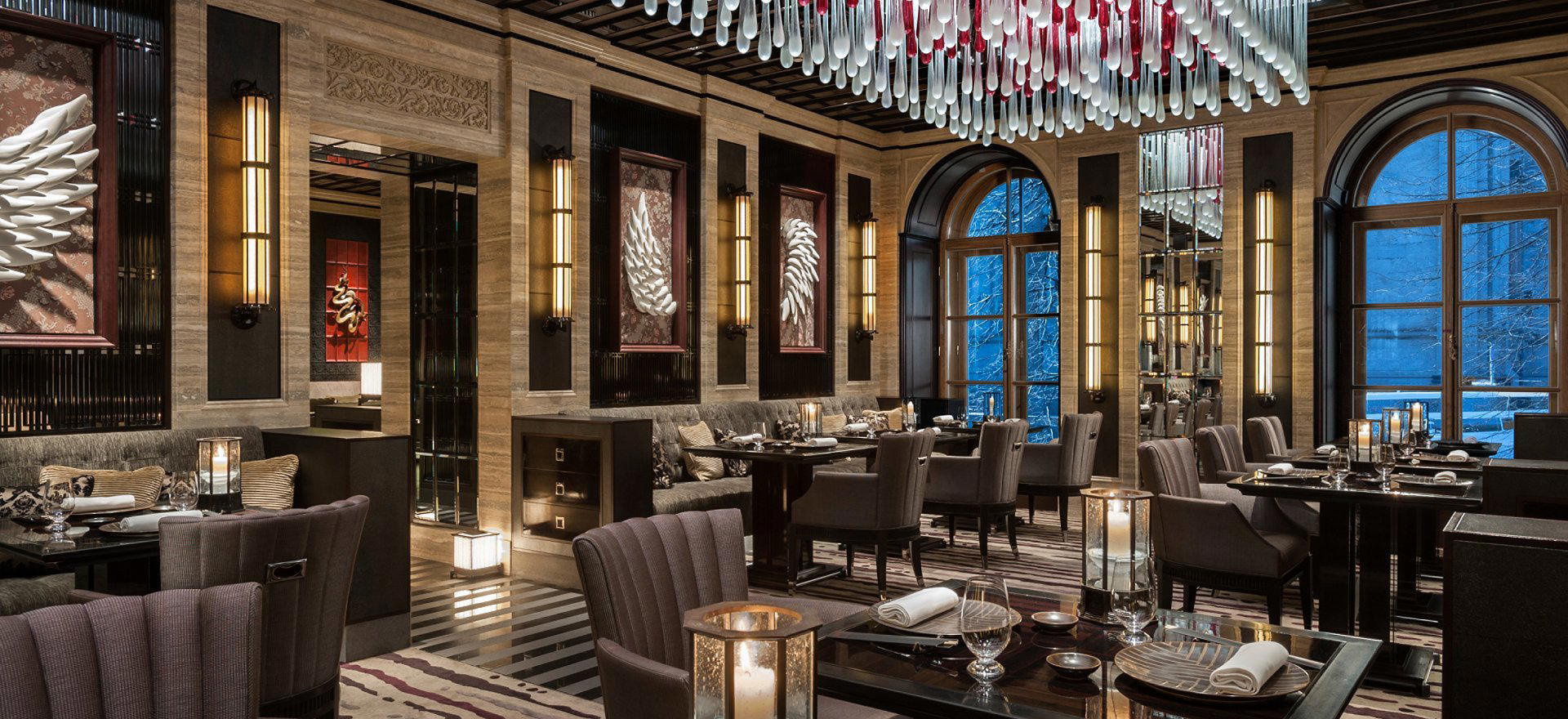
Bars in Sankt-Peterburg
Browse all →
At a Glance
- Elegant
- Sophisticated
- Classic
- Date Night
- Business Dinner
- Special Occasion
- Hotel Restaurant
- Open Kitchen
- Wine Cellar
- Private Dining
- Extensive Wine List
- Street Scene
Current opening hours
- Monday
- 5 PM–12 AM
- Tuesday
- 5 PM–12 AM
- Wednesday
- 5 PM–12 AM
- Thursday
- 5 PM–12 AM
- Friday
- 5 PM–12 AM
- Saturday
- 5 PM–12 AM
- Sunday
- 5 PM–12 AM
Hours can change for holidays and private events. Last verified .
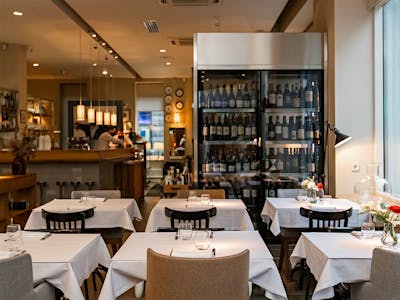
Gorgeous atmosphere with eclectic refined decor across four spaces, though some note darker colors; beautifully decorated with an open kitchen as central feature.