Sinohouse occupies a corner of Vienna's 9th district at Nußdorfer Straße 86, where the city's appetite for Asian dining has grown steadily over the past decade. The address sits in Alsergrund, a neighbourhood better known for its university quarter and medical institutions than for destination dining, which makes the restaurant's presence there a signal worth reading carefully.
Pearl is the En Primeur Club membership app — saves, bookings, and concierge access live there. Same editors, same standards.
- Address
- Nußdorfer Str. 86, 1090 Wien, Austria
- Phone
- +4369910327168
- Website
- sinohouse.at
- Directions
- Get directions
 Saves & bookings on Pearl
Alsergrund and the Architecture of Arrival
Vienna's 9th district has never been the obvious address for a dining destination. Alsergrund is a neighbourhood shaped by its university, its hospitals, and the long residential streets that connect the Gürtel to the canal. Nußdorfer Straße runs through its middle with the blunt functionality of a transit corridor rather than a dining strip. When a restaurant takes a corner on a street like this, the physical container carries meaning: it is either a neighbourhood institution serving locals who have stopped expecting anything surprising, or something more deliberate that has chosen the area on its own terms.
The building address at number 86 places Sinohouse toward the northern end of the street, closer to Heiligenstädter Straße than to the denser commercial stretch nearer the U6. That positioning matters. Vienna's dining geography has clustered its internationally recognised tables in the 1st, 3rd, and 4th districts: Steirereck im Stadtpark in the park, Konstantin Filippou on Dominikanerbastei, Amador in the 1st, Mraz & Sohn anchoring the 20th. A restaurant in the 9th is working against the pull of established dining geography, which means its physical space and its presence on that particular street must do more argumentative work than a comparable room would need to do in the Innere Stadt.
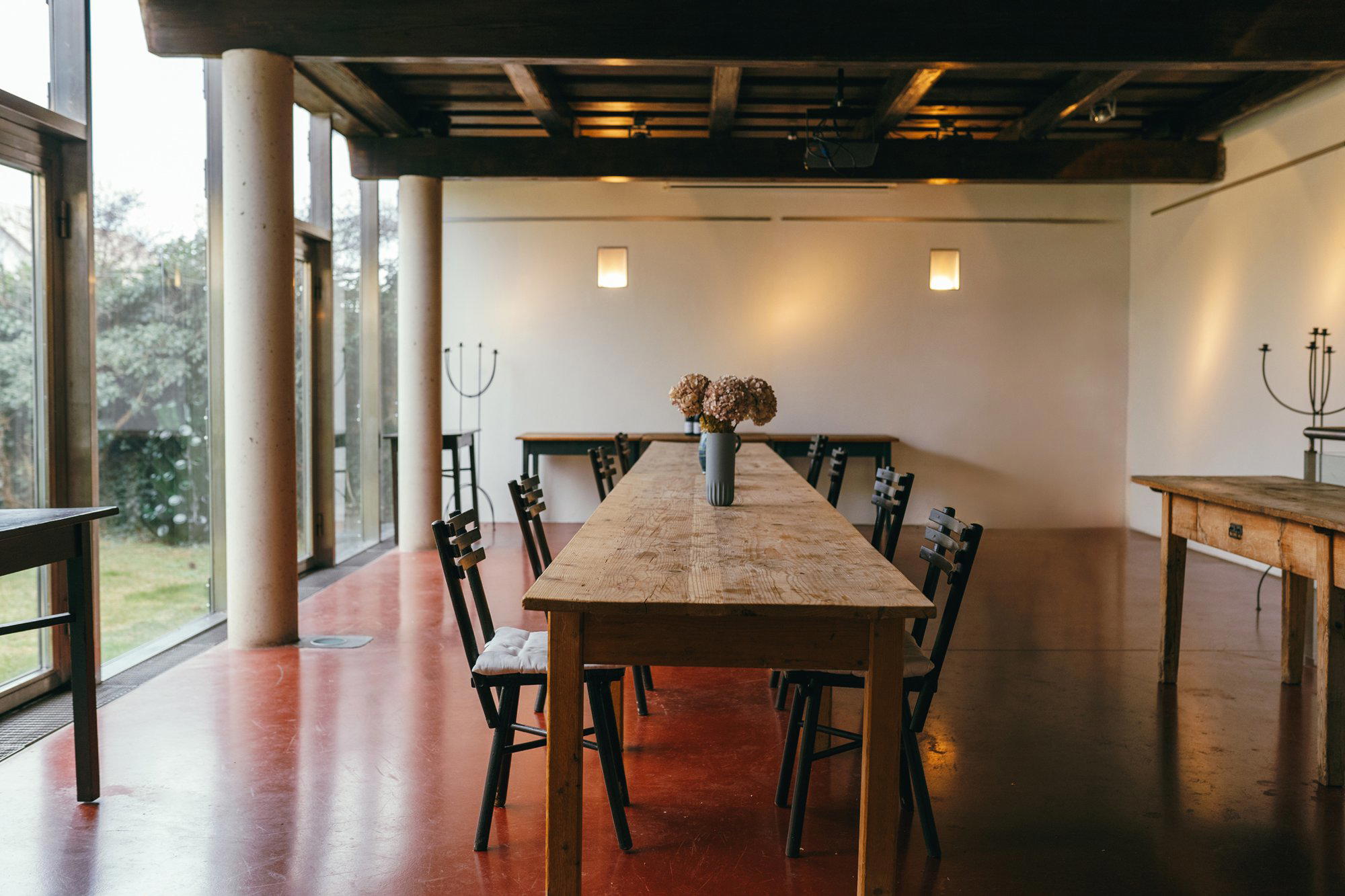
The Design Question: What the Space Signals
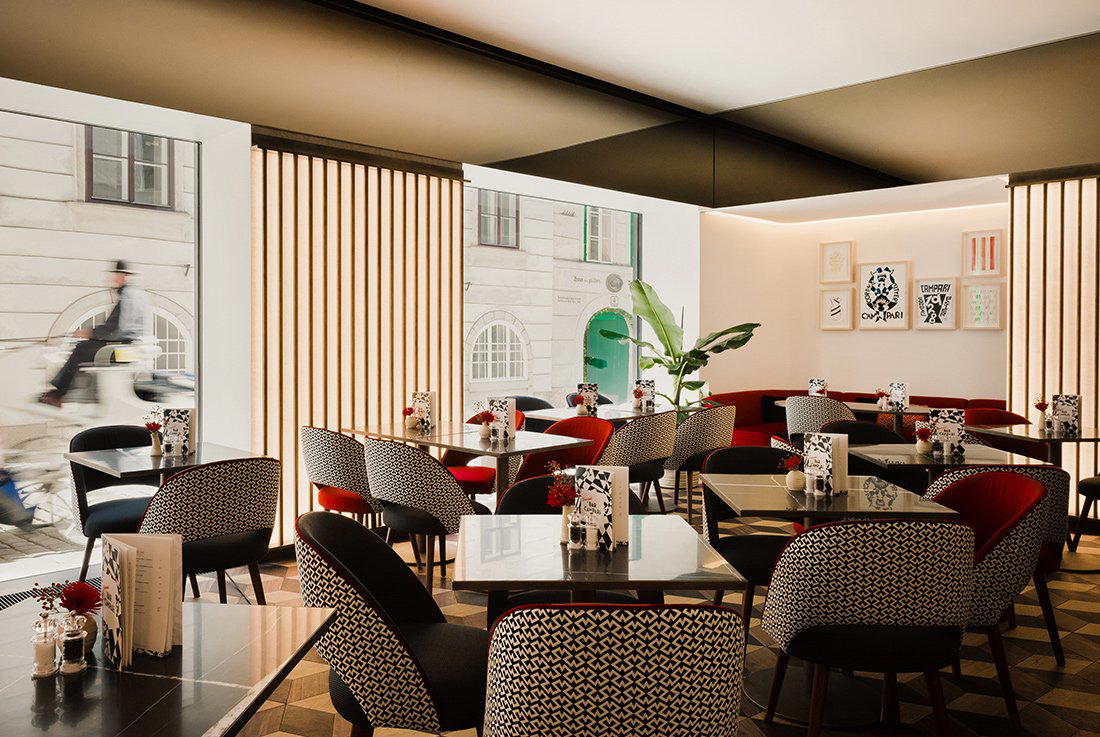
In cities where dining rooms are as legible as menus, interior architecture functions as editorial. The contrast between Vienna's grand-café tradition and the pared-back aesthetic that younger Austrian restaurants have adopted over the past decade reflects a real shift in how the city's dining scene positions itself. Houses like Doubek have leaned into a quieter material language precisely to differentiate from the frescoed ceilings and bentwood chairs that the Viennese Kaffeehaus tradition occupies so completely.
For an Asian restaurant in Vienna, the design problem has a different set of pressures. The city has a comparatively thin tradition of high-end Asian dining relative to London, Berlin, or Paris, which means any restaurant in that category is setting its own visual register with limited local precedent. The choice of what to put on the walls, how to light the room, how to seat guests, and how to signal the register of service are all made in something closer to a vacuum than a restaurant opening in Tokyo or New York would experience. At Atomix in New York City, for instance, the counter format and the handwritten card system for each course communicate a whole philosophy before the food arrives. The physical container and the dining format are inseparable.
Vienna's Asian Dining Tier: Where the Category Sits
The broader category context is useful here. Vienna's restaurant scene at the leading end has been shaped almost entirely by Austrian and modern European cooking. The €€€€ tier includes Steirereck im Stadtpark, Konstantin Filippou, and Mraz & Sohn, all of which work within European culinary frameworks. Asian restaurants in the city occupy a more varied price spectrum, from neighbourhood canteens to more considered operations, but the category has not yet produced an entry at stronger examples from the city's recognition hierarchy in the way that, say, Le Bernardin in New York City established a French seafood template that shaped how the whole category was understood.
That gap creates genuine room for a restaurant willing to take Asian cuisine seriously at the level of sourcing, technique, and room design. The address in the 9th, rather than in the more expensive real estate of the inner districts, suggests a price point calibrated for a local rather than a trophy-dining audience, but that inference should be held loosely.
Austria Beyond Vienna: A Reference Frame
It is worth knowing the broader Austrian fine dining context when thinking about what Vienna's dining scene rewards. Outside the capital, Austria has produced a set of destination restaurants that draw international visitors to smaller cities and Alpine settings: Ikarus in Salzburg with its rotating guest-chef format, Döllerer in Golling an der Salzach with its deep focus on Alpine ingredients, Obauer in Werfen, and smaller operations like Griggeler Stuba in Lech and Gourmetrestaurant Tannenhof in Sankt Anton am Arlberg. What this landscape produces, collectively, is a country with a strong regional-product identity and a technical seriousness that has little to do with Asian culinary traditions. A restaurant like Sinohouse is working in a context where the dominant culinary conversation is about Wachau vegetables, Alpine dairy, and Austrian wine rather than the sourcing and preparation questions that shape serious Chinese or pan-Asian cooking elsewhere.
That is not a disadvantage, exactly. Vienna's relative scarcity of Asian dining at any ambitious level means that a restaurant doing the work seriously faces less competitive pressure than it would in a city with an established hierarchy in the category. But it also means the room must educate as well as serve, which puts additional weight on how the physical space communicates intention. Restaurants like Kräuterreich by Vitus Winkler in Sankt Veit im Pongau, Landhaus Bacher in Mautern an der Donau, Schwarzer Adler in Hall in Tirol, Restaurant 141 by Joachim Jaud in Mieming, and Ois in Neufelden have each found ways to make a room carry an argument about local identity. The design challenge for a restaurant like Sinohouse is adjacent but distinct: how do you make a room in a peripheral Viennese street feel like a considered statement rather than a convenience?
For a fuller picture of where Vienna's dining scene allocates its serious attention, the EP Club Vienna restaurants guide provides the broader map.
Know Before You Go
- Address: Nußdorfer Str. 86, 1090 Wien, Austria
- District: Alsergrund (9th), Vienna
- Getting There: The 9th district is served by the U6 line (Nußdorfer Straße station) and several tram routes along the street itself. The address at number 86 is toward the northern end of the street, so factor in a short walk from the nearest stop.
- Booking: Contact details were not confirmed at time of publication.
- Neighbourhood Note: Alsergrund is primarily a residential and university district. Dining options thin out quickly on weekday evenings, so arriving with a confirmed table is preferable to relying on walk-in availability.
Cuisine and Awards Snapshot
Comparable venues nearby, for context on price, style, and recognition.
| Venue | Cuisine | Price | Notes |
|---|---|---|---|
| SinohouseThis venue — the venue you are viewing | Chinese-Malaysian Fusion | $$ | Not listed |
| Chilidorf | Authentic Sichuan Chinese | $$ | Doebling |
| LiuLiu | Asian Fusion | $$ | Wahring |
| Aming Dim Sum Profi | Authentic Cantonese Dim Sum & Sichuan | $$ | Margareten |
| Sunny | Pan-Asian with Chinese & Thai | $$ | Rudolfsheim |
| Feine Sichuan Küche | Authentic Sichuan Chinese | $$ | Inner City |
Continue exploring
More in Vienna
Restaurants in Vienna
Browse all →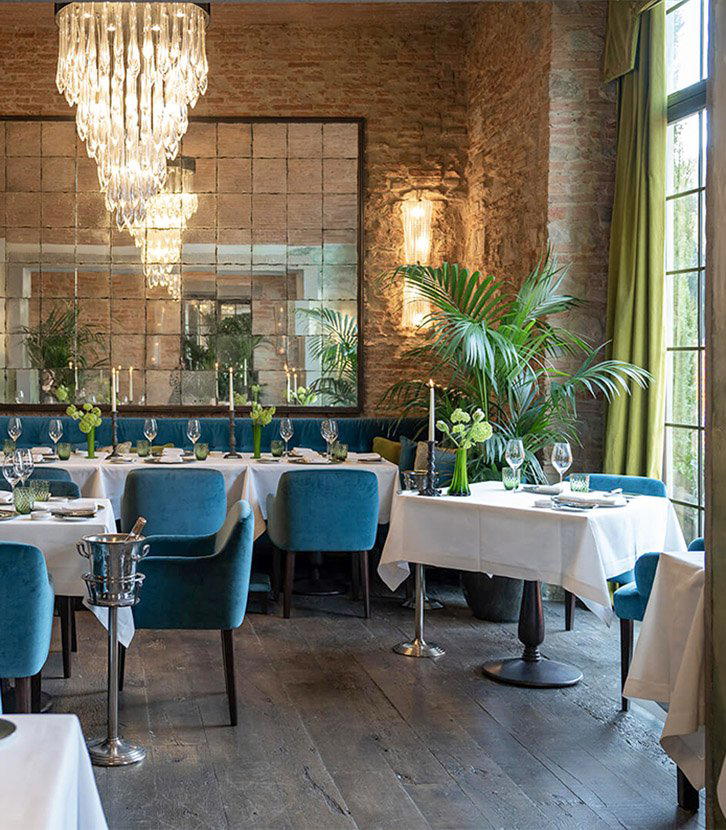
Bars in Vienna
Browse all →
Hotels in Vienna
Browse all →
At a Glance
- Modern
- Cozy
- Date Night
- Special Occasion
- Private Dining
Current opening hours
- Monday
- Closed
- Tuesday
- Closed
- Wednesday
- 5–11 PM
- Thursday
- 5–11 PM
- Friday
- 5–11 PM
- Saturday
- 5–11 PM
- Sunday
- Closed
Hours can change for holidays and private events. Last verified .
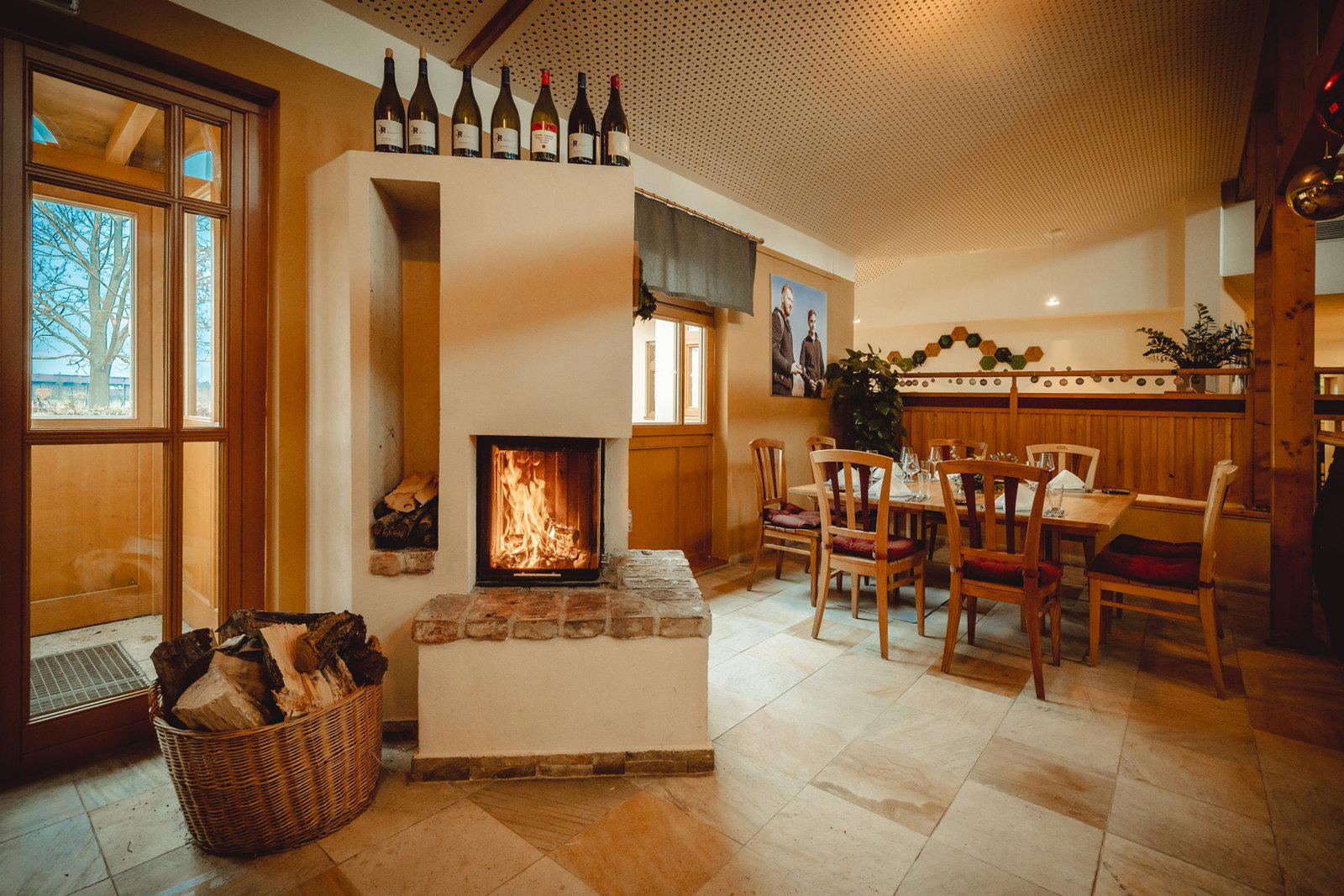
Beautifully decorated setting with good privacy in private rooms.