Dim sum in Vienna occupies a narrow, specialist niche, and Aming Dim Sum Profi on Rechte Wienzeile addresses it with a format built around the logic of the format itself: small plates, shared across the table, structured around variety rather than progression. Located in the 5th district, it sits outside the city's fine-dining corridor and prices accordingly, making it a practical reference point for Chinese regional cooking in a city that skews heavily Austrian and modern European.
- Address
- Rechte Wienzeile 47, 1050 Wien, Austria
- Phone
- +43 1 9540840
- Website
- facebook.com
- Directions
- Get directions
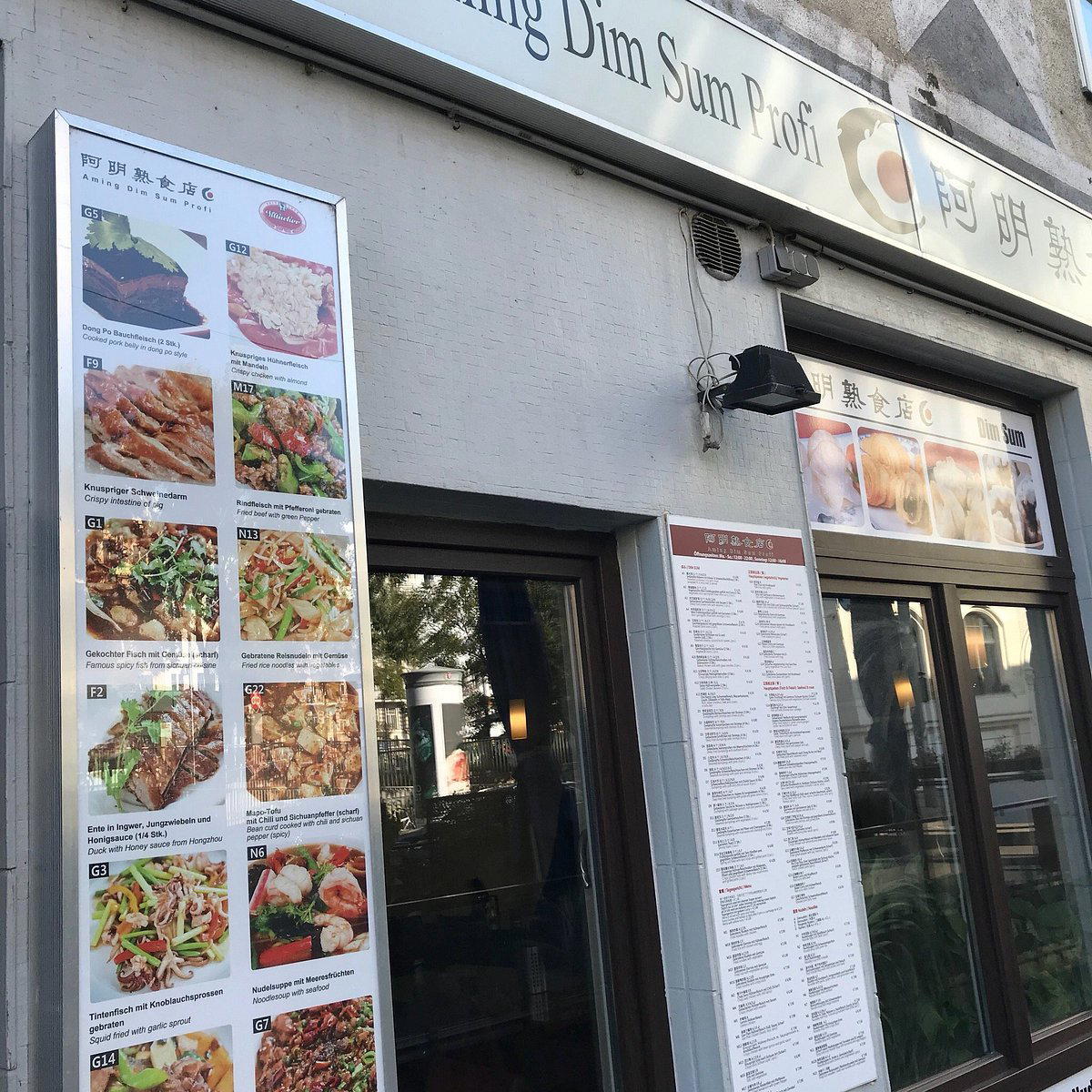
Dim Sum in a City That Doesn't Specialize in It
Aming Dim Sum Profi is a casual Cantonese and Sichuan restaurant at Rechte Wienzeile 47 in Vienna, where dim sum remains a less common format than the city's Austrian and modern European dining. Chinese cooking, and dim sum in particular, exists at the margins of that conversation. That marginality is not a quality judgment, it reflects the city's demographic and culinary history, but it does mean that when a venue commits seriously to the format, it operates without the competitive density that sharpens kitchens in cities like London, Sydney, or Vancouver. Aming Dim Sum Profi, on Rechte Wienzeile in the 5th district, is one of the few addresses in the city making that commitment.
The 5th district sits southwest of the Ringstrasse, separated from the tourist-facing first district by the Naschmarkt corridor. It is a working residential neighbourhood, not a dining destination in the conventional sense. Arriving at Rechte Wienzeile 47, the context is domestic and low-key rather than ceremonial, a register that suits the dim sum format better than the grand dining rooms of the inner city.
What the Menu Architecture Tells You
Dim sum, as a format, is defined by its horizontal structure. Unlike the tasting menus common at Vienna's premium addresses, where a single kitchen narrative unfolds across twelve or fifteen courses, dim sum eating is built around simultaneous choice, table-wide sharing, and incremental ordering. The menu's logic is taxonomic: dumplings in their various forms, rice noodle rolls, steamed and baked preparations, congee, and fried items each occupy their own category, and the meal is assembled from across those categories rather than delivered in a fixed sequence.
That structure means the kitchen's skill is distributed differently than in a linear tasting format. Consistency across a wide range of preparations matters more than the singular statement dish. The wrapper on a har gow, translucent, thin, with enough elasticity to hold the prawn filling without tearing, reflects steaming precision that takes years to calibrate. The pleating on a siu mai, the layering in a turnip cake, the fat content in a char siu bao: these are technical markers that serious dim sum kitchens are judged by, and they are not forgiving in the way that a sauce reduction or a plating choice might be. Vienna's dim sum offerings have historically not been benchmarked against those technical standards in any systematic way, which makes venues that take the craft seriously worth tracking.
For comparison, the format's demands are not unlike those at restaurants where precision in repeated, small-scale preparations defines the experience, places like Le Bernardin in New York City, where technique applied to a narrow set of ingredients across a broad menu requires consistency at volume, or Lazy Bear in San Francisco, where a communal, multi-item format demands coordination across the whole table rather than individual plate performance.
The Broader Context of Chinese Dining in Vienna
Vienna's Chinese restaurant population is not small, but it has historically skewed toward Cantonese-adjacent menus adapted for Central European palates in the 1970s and 1980s, with relatively slow movement toward regional specificity or format fidelity since then. That contrasts with cities like Berlin or Amsterdam, where second-wave Chinese dining brought more regionally defined kitchens, Sichuan, Shanghainese, Hunanese, into sharper focus. Vienna's premium dining energy has stayed concentrated in the Austrian and modern European corridors. Doubek and the broader creative dining scene pull critical attention toward Central European ingredients and techniques rather than Asian formats.
That concentration of critical attention elsewhere creates a specific kind of opportunity for a venue like Aming. Without the competitive pressure of a saturated dim sum market, the kitchen is not being compared weekly against thirty other operations. But it also means the benchmarks that would normally sharpen a dim sum kitchen, proximity to Hong Kong-trained peers, access to specialist suppliers for certain wrapper starches or fermented ingredients, are structurally harder to maintain in Vienna than in a city with a larger Cantonese community.
Austria's broader restaurant geography skews toward its scenic regions: Döllerer in Golling an der Salzach, Obauer in Werfen, Landhaus Bacher in Mautern an der Donau, and alpine addresses like Gourmetrestaurant Tannenhof in Sankt Anton am Arlberg and Stüva in Ischgl. Regional kitchens like Kräuterreich by Vitus Winkler in Sankt Veit im Pongau, Schwarzer Adler in Hall in Tirol, Restaurant 141 by Joachim Jaud in Mieming, Ois in Neufelden, and Taubenkobel in Schützen am Gebirge define Austria's Michelin geography, and none of them engage with Asian cooking traditions. Aming operates in a category that the Austrian restaurant system has not historically tracked or rewarded with formal recognition.
Planning a Visit
Aming Dim Sum Profi is located at Rechte Wienzeile 47, in Vienna's 5th district. The address is reachable by U4 from the city centre, with Kettenbrückengasse station a short walk away, the same stop that serves the Naschmarkt, which makes a market visit a practical pairing for a midday dim sum meal. The restaurant's casual dress code and recommended reservation policy fit its low-key setting.
Standing Among Peers
Comparable venues nearby, for context on price, style, and recognition.
| Venue | Cuisine | Price | Notes |
|---|---|---|---|
| Aming Dim Sum ProfiThis venue — the venue you are viewing | Authentic Cantonese Dim Sum & Sichuan | $$ | Not listed |
| Jinco | Authentic Shanghai Chinese | $$ | Margareten |
| China Sichuan Restaurant | Authentic Sichuan Chinese | $$ | Donauturm |
| Sunny | Pan-Asian with Chinese & Thai | $$ | Rudolfsheim |
| Feine Sichuan-Küche | Authentic Sichuan Chinese | $$ | Breitensee |
| Hǎo Noodle & Tea | Asian Fusion Noodle & Tea House | $$ | Hofburg |
Continue exploring
More in Vienna
Restaurants in Vienna
Browse all →
![[aend] restaurant in Vienna](https://cdn.enprimeurclub.com/storage/v1/object/public/images/locations/recsVyRkMfzCxPmp0/hero2.jpg?width=3840&quality=75)
Bars in Vienna
Browse all →

Hotels in Vienna
Browse all →
At a Glance
- Cozy
- Casual
- Casual Hangout
- Open Kitchen
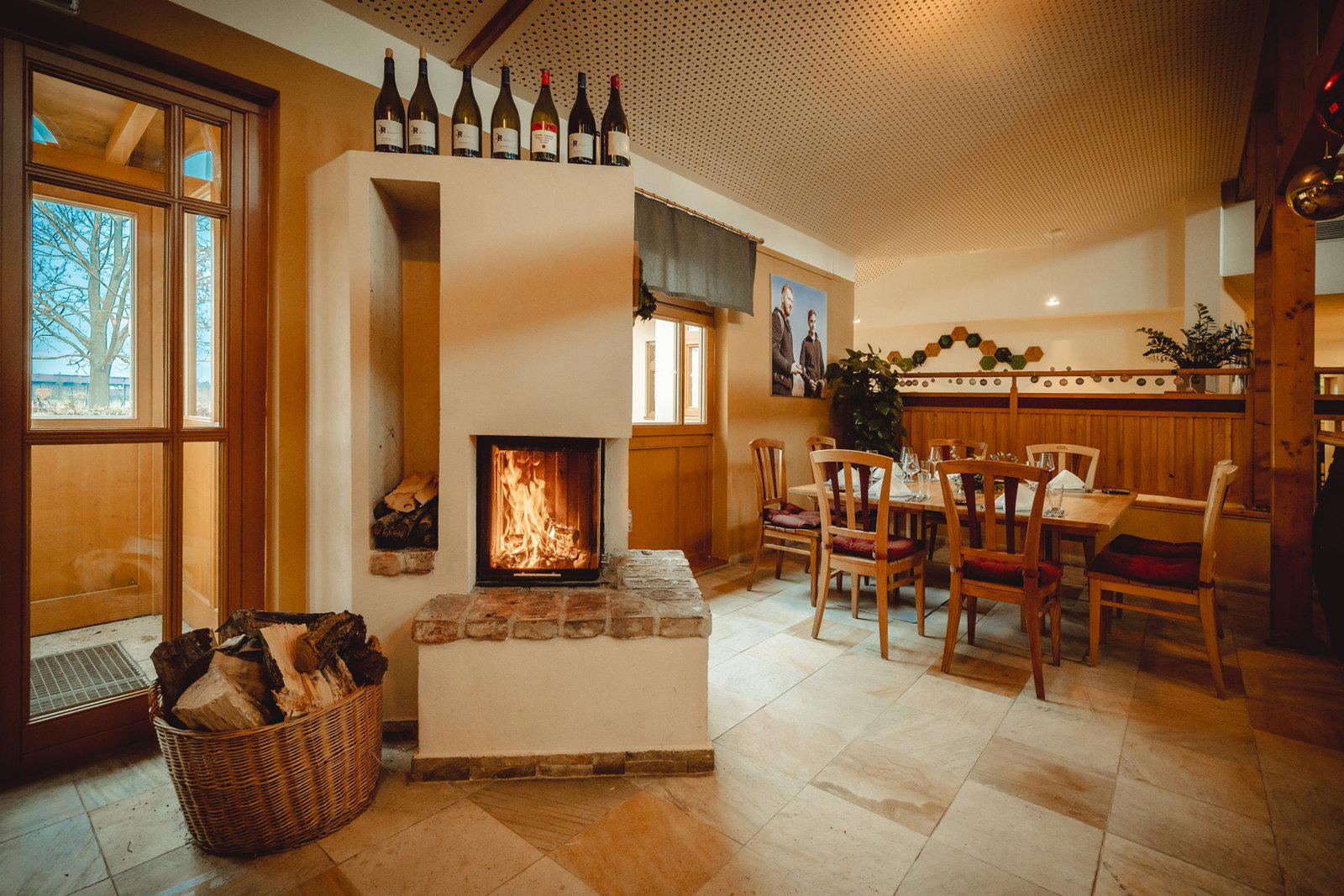
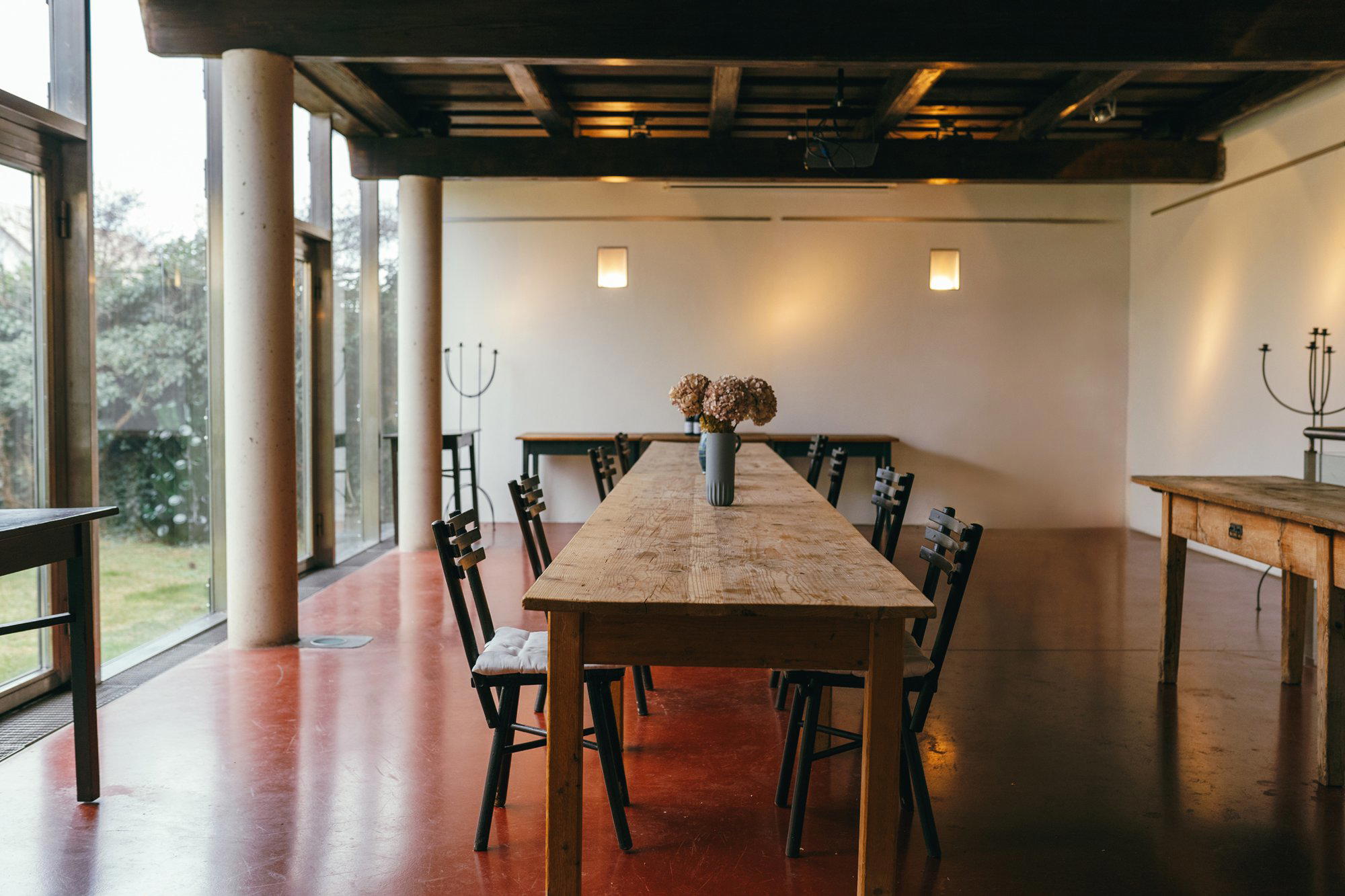
Basic, informal interior with a cozy, relaxing atmosphere; outdoor seating available in summer.