Simeterhütte sits on the Viehbergalm above Grobming, in Austria's Ennstal valley, representing the alm dining tradition at its most direct: hearty mountain cooking served at altitude, shaped by the rhythms of the alpine pasture rather than the conventions of the restaurant kitchen. For visitors arriving on foot or by lift, the hut operates as both waypoint and destination, its menu tied to the season and the landscape immediately surrounding it.
Pearl is the En Primeur Club membership app — saves, bookings, and concierge access live there. Same editors, same standards.
- Address
- Viehbergalm, 8962, Austria
- Phone
- +436502337171
- Website
- https
- Directions
- Get directions
 Saves & bookings on Pearl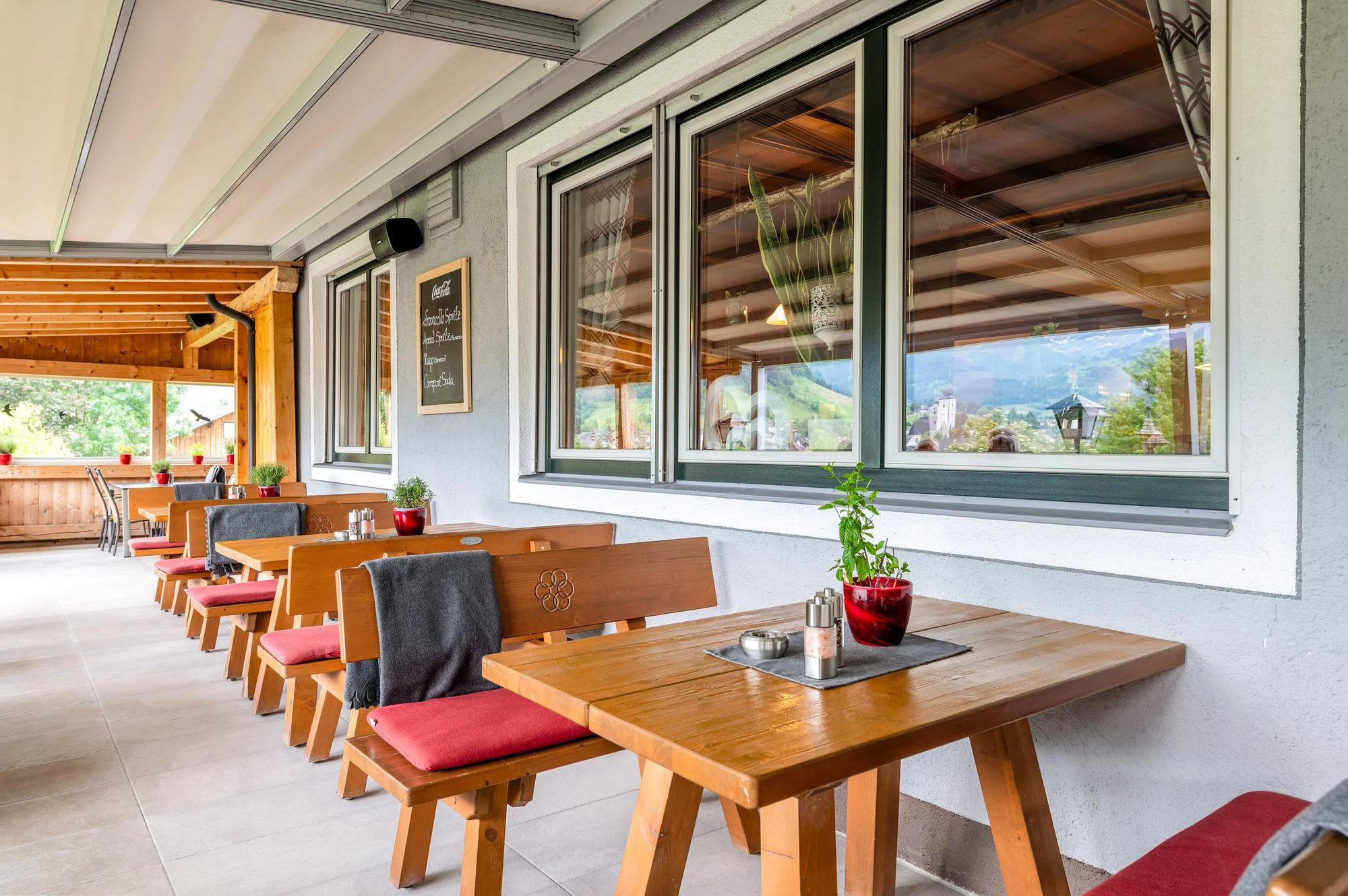
At Altitude in the Ennstal: The Alm Dining Tradition
The approach to Simeterhütte on the Viehbergalm sets the terms of the meal before you arrive. At this elevation above Grobming, in Styria's Ennstal valley, the path narrows, the air sharpens, and the sound of cattle bells replaces road noise. Simeterhütte is a working structure in a working alpine environment, and eating there means accepting the logic of that environment: seasonal availability, communal seating, and a pace set by the kitchen's capacity rather than a guest's schedule.
Austria's alm huts occupy a specific and durable place in the country's food culture. Unlike the refined Styrian cooking you find at destination restaurants, the kind practised at Steirereck im Stadtpark in Vienna or Döllerer in Golling an der Salzach, an alm hut operates on a different register entirely. The cooking is grounded in necessity and tradition: what can be stored, what is produced locally, what sustains a person who has walked for two hours before noon. That constraint is, paradoxically, what gives alm dining its credibility. The menu is not curated to impress; it exists because the terrain demands it.
The Ritual of the Mountain Table
Alm dining has its own etiquette, and understanding it changes the experience considerably. Guests who arrive expecting the pacing of a formal meal, amuse, appetiser, main, rest, will misread the setting. The rhythm here is determined by ascent and descent, by weather windows and afternoon clouds. A table on the terrace in mid-morning is a different proposition than the same table at noon when a hiking group arrives from the ridge. The seasoned alm visitor learns to arrive early, order without deliberation, and allow the meal to be what it is: a pause in the middle of physical activity rather than an occasion in itself.
This is the dining ritual that defines the upper reaches of Austria's mountain hut culture, from the Salzkammergut to the Dachstein plateau and down into the Ennstal. It stands in instructive contrast to the orchestrated progression you encounter at Gourmetrestaurant Tannenhof in Sankt Anton am Arlberg or Griggeler Stuba in Lech, both of which operate within a different, more theatrical frame of alpine hospitality. The Hütte strips that theatricality away. What remains is a directness that has its own appeal.
What the Kitchen Represents
Austrian mountain hut cooking draws from a narrow but deep pantry. Across the Styrian alps, Brettljause, a cold plate of cured meats, lard, pickles, and bread, appears on virtually every alm menu because it requires no heat source and scales easily. Käsespätzle, the pressed egg-noodle dish with melted cheese and fried onion, is another fixture: calorically substantial, simple to hold at temperature, and capable of feeding a family or a hiking party with equal efficiency. Suppe, clear broths or thick goulash soups, handle the alpine cold that can descend without warning even in July.
These dishes carry the same cultural weight in the Ennstal that ramen does at a Tokyo counter or bouillabaisse does in a Marseille port kitchen. They are not simplified versions of a more sophisticated cuisine. They are the cuisine, refined through generations of practical necessity rather than culinary ambition. Understanding that distinction is the prerequisite for reading any alm menu honestly.
Within the immediate area, Ritzingerhütte and Walter Restaurant represent different points on that spectrum.
Grobming and the Ennstal Context
Grobming is a small market town in Styria, positioned between the Dachstein massif to the north and the Schladminger Tauern to the south. The Ennstal here is wide enough to have an agricultural character at valley level but rises quickly into alpine terrain that has supported alm farming for centuries. Simeterhütte's address on the Viehbergalm places it within that upper tier, accessible to walkers and, depending on season, visitors arriving by other means from the valley. The region's dining culture reflects this dual character: towns like Grobming maintain their local gasthaus traditions while the surrounding alms operate according to the older, less mediated logic of mountain hospitality.
Austria's alpine restaurant scene as a whole has grown considerably more sophisticated in the past two decades. The country now hosts institutions that compete at the highest level of European fine dining, Ikarus in Salzburg, Kräuterreich by Vitus Winkler in Sankt Veit im Pongau, and Landhaus Bacher in Mautern an der Donau among them. The alm hut tradition exists at the other end of that range, not inferior, but operating by different measures entirely. The two ends of Austrian dining culture remain in productive tension, each making the other more legible by contrast.
Planning a Visit: What to Know in Advance
The Viehbergalm above Grobming is accessible on foot from multiple trailheads in the valley. Alpine huts in this region typically operate seasonally, with availability tied to snow conditions and alm farming calendars rather than fixed commercial schedules. Visitors should expect a walk-in-friendly format. The alm hut model assumes walk-in visits and tolerates rather than manages demand. Arriving earlier in the day gives the widest choice and one reliable service window. Austria's broader mountain dining comparators, Obauer in Werfen, Ois in Neufelden, and Schwarzer Adler in Hall in Tirol, all operate with advance reservation as standard. The Simeterhütte context is different: arriving is the commitment.
For those building a wider Austrian itinerary, the country's range extends from Taubenkobel in Schützen am Gebirge in Burgenland wine country to Stüva in Ischgl and Restaurant 141 by Joachim Jaud in Mieming further west. Those destinations, like Le Bernardin in New York City or Atomix in New York City in their respective cities, represent the highly controlled, multi-course end of dining culture. Simeterhütte represents something less engineered and, for a certain kind of traveller, considerably more satisfying because of it.
Category Peers
Comparable venues nearby, for context on price, style, and recognition.
| Venue | Cuisine | Price | Notes |
|---|---|---|---|
| SimeterhütteThis venue — the venue you are viewing | Alpine Hut Fare | $ | Not listed |
| Ritzingerhütte | Traditional Austrian Alpine | $$ | Viehbergalm |
| Walter Restaurant | Austrian Grill & Burgers | $$ | Gröbming |
| Balkan Grill Walter | Traditional Bosnian Grill | $ | Linke Altstadt |
| Trzesniewski | Viennese Open Sandwiches | $ | Wahring |
| Annie's | Austrian Schnitzel House | $ | Alsergrund |


At a Glance
- Rustic
- Scenic
- Cozy
- Casual Hangout
- Historic Building
- Mountain
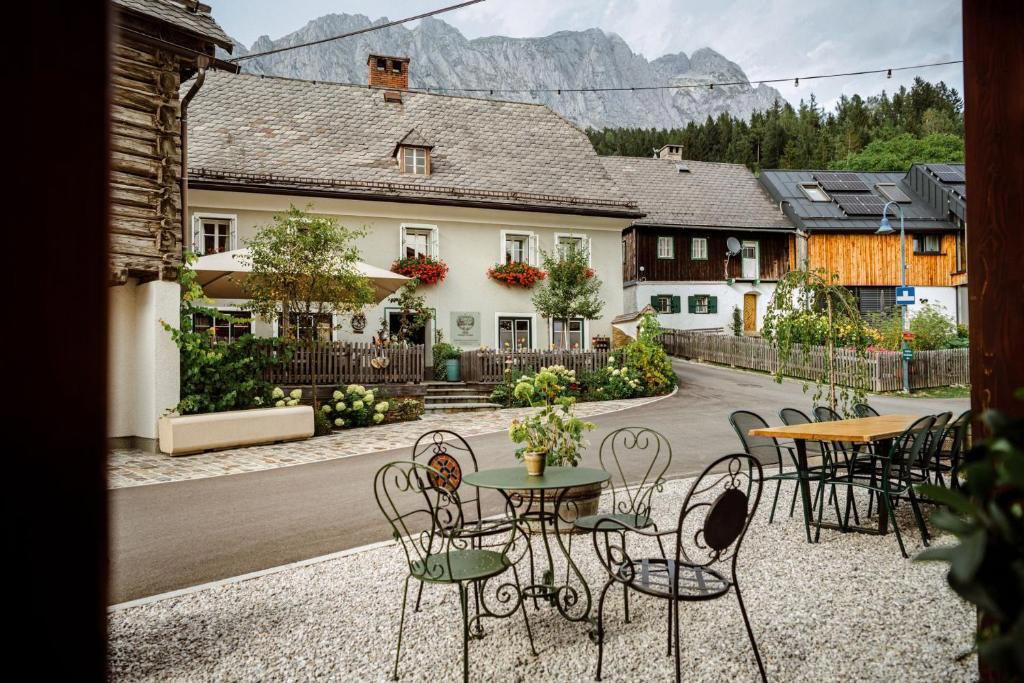
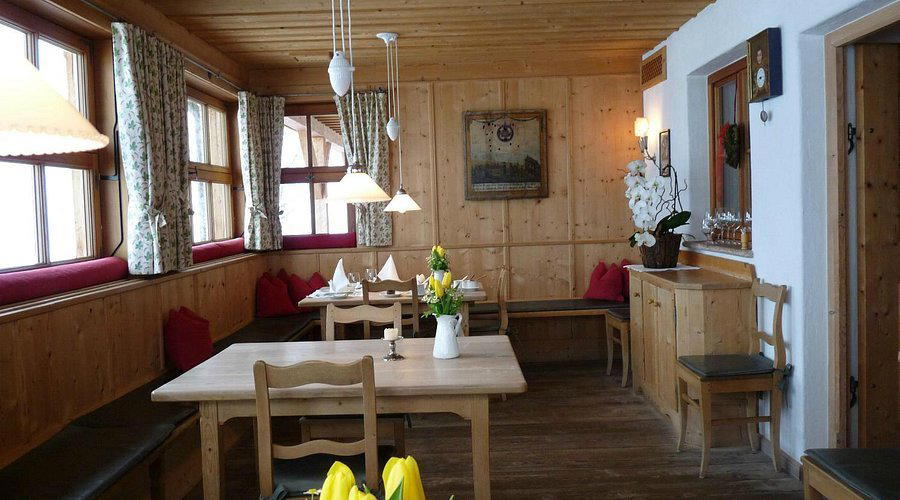
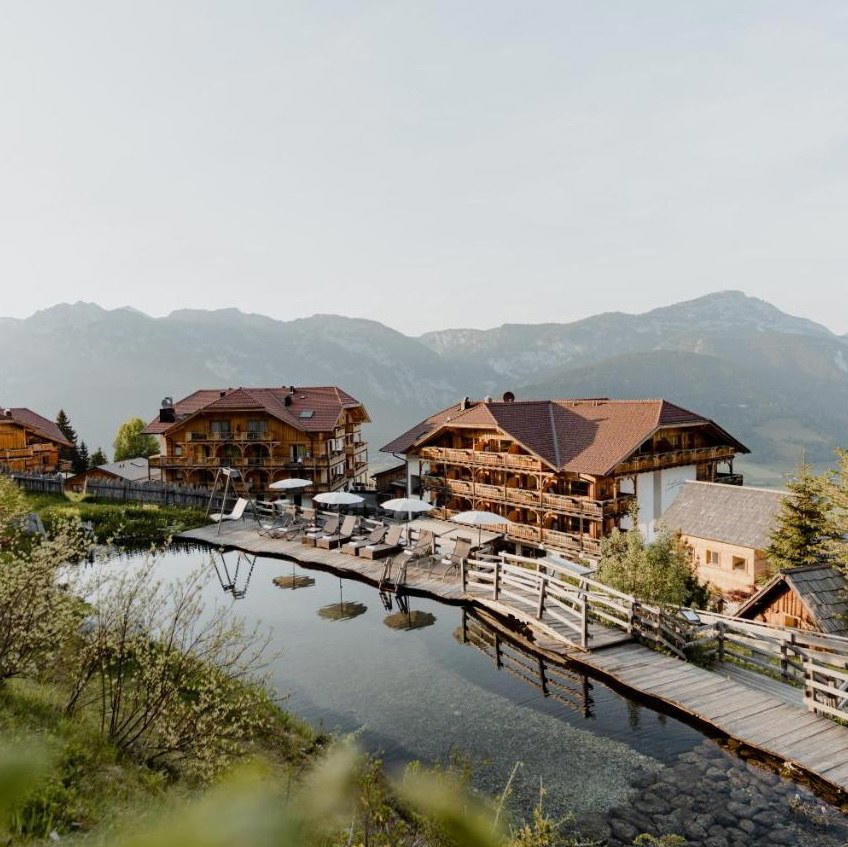
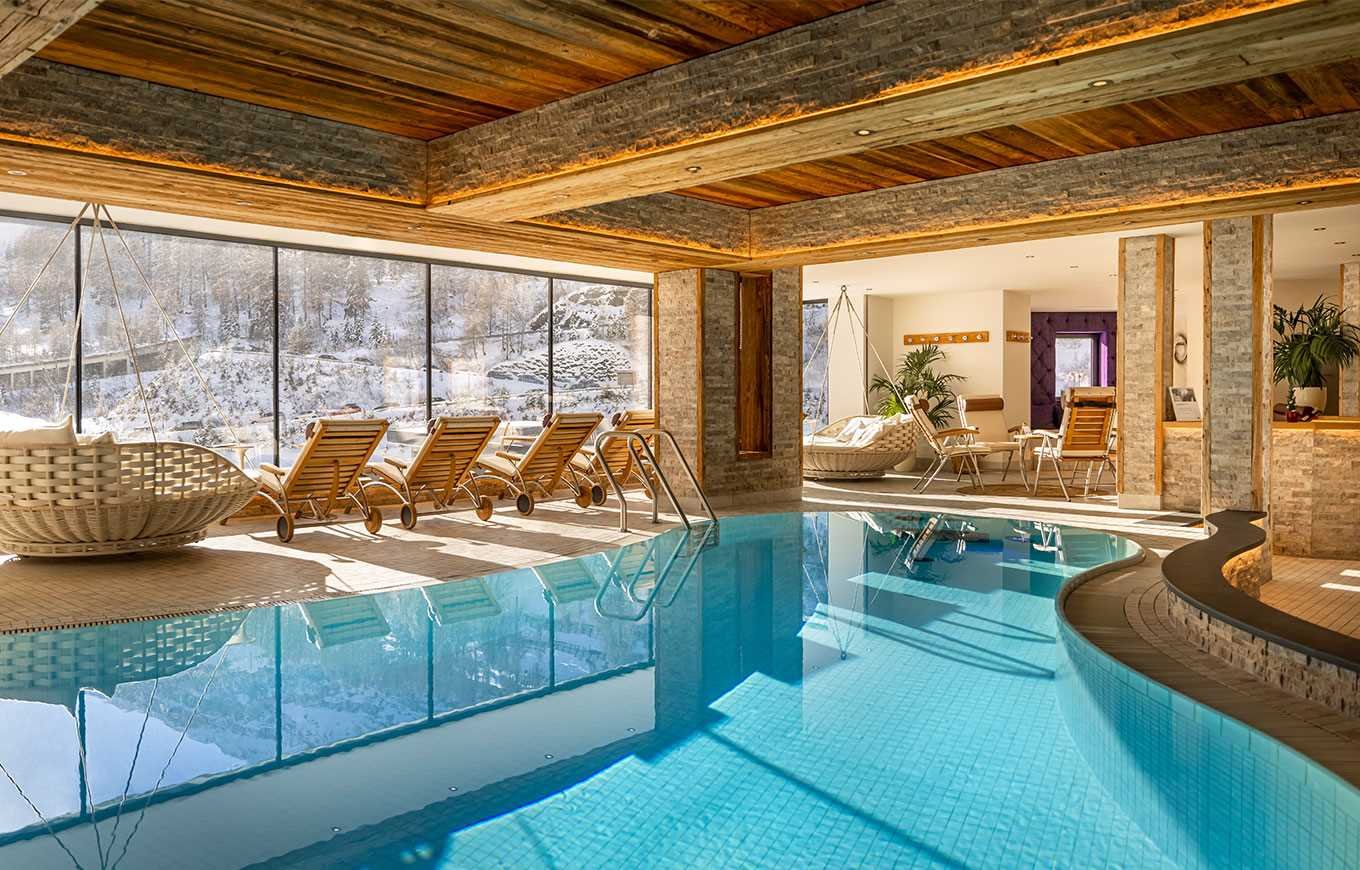
Rustic alpine atmosphere with natural lighting and cozy shelter ambiance for hikers.