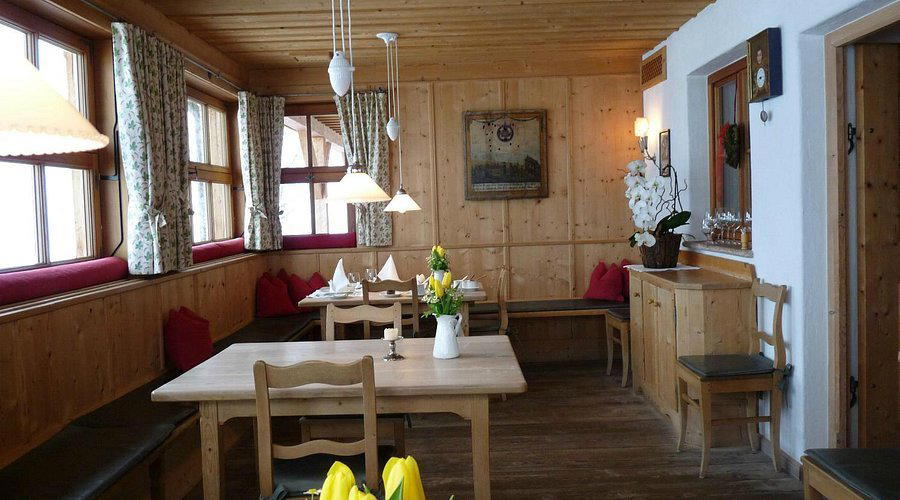
A traditional Alpine hut set on the Viehbergalm above Gröbming in Austria's Ennstal valley, Ritzingerhütte represents the kind of mountain hospitality that predates modern restaurant culture. The hut sits within a small but characterful cluster of Styrian dining options and draws visitors seeking an authentic alm experience rather than a polished urban meal.
Pearl is the En Primeur Club membership app — saves, bookings, and concierge access live there. Same editors, same standards.
- Address
- Viehbergalm 144, 8962 Gröbming, Austria
- Phone
- +436769459817
- Website
- ritzingerhuette.at
- Directions
- Get directions
 Saves & bookings on Pearl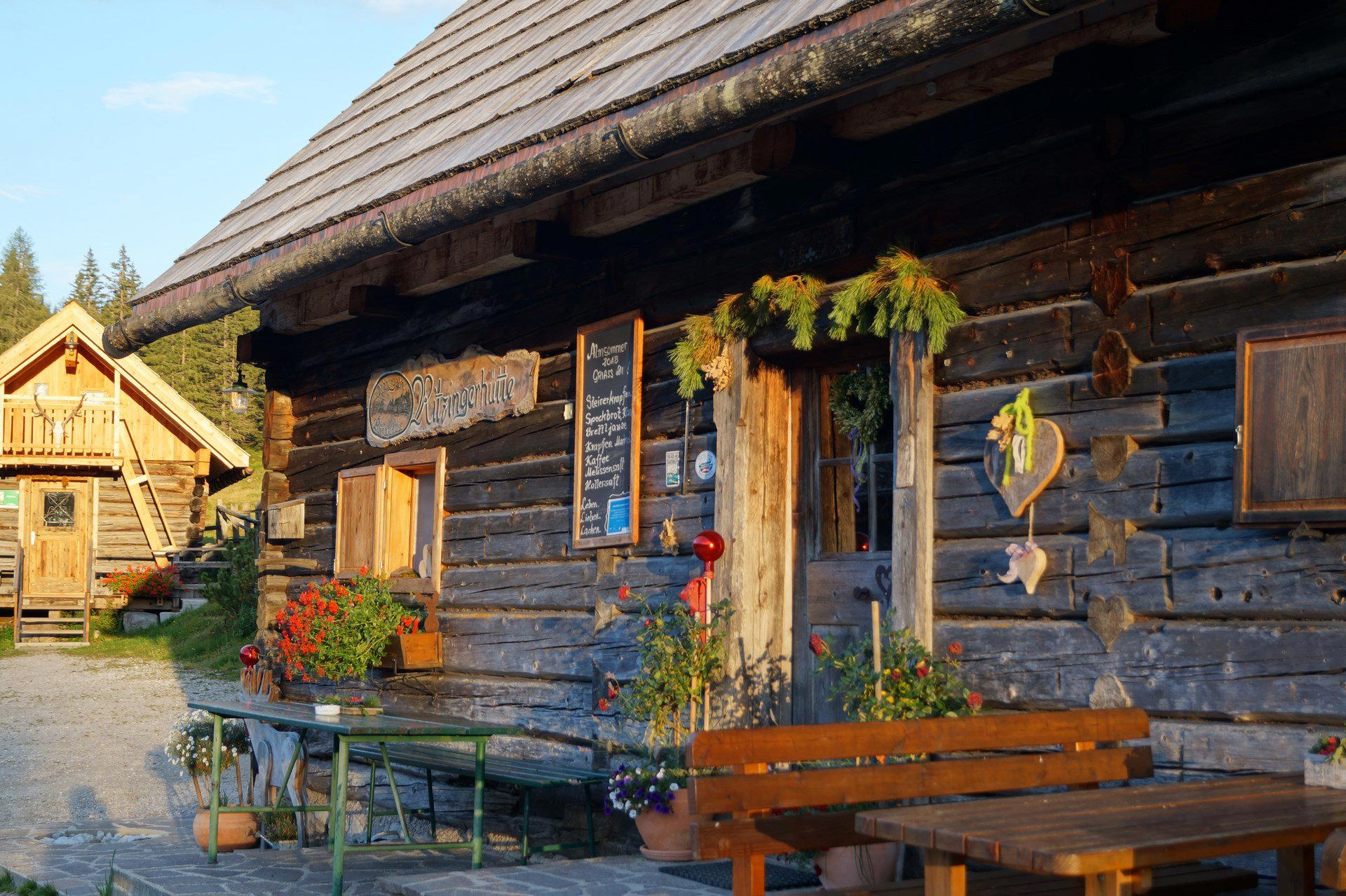
Above the Valley Floor: Alpine Hut Culture in Styria
The alm hut is one of Austria's most durable dining traditions, and it operates on terms that urban restaurants cannot replicate. At altitude, the kitchen is shaped by what the mountain offers: dairy from grazing herds, foraged herbs, cured meats, and the kind of stove-heavy cooking that was practical long before it became fashionable. Ritzingerhütte, at Viehbergalm 144 in Gröbming, belongs squarely to this tradition. It is not competing with the contemporary Austrian fine-dining circuit represented by addresses like Steirereck im Stadtpark in Vienna or Döllerer in Golling an der Salzach. It is operating in an entirely different register: that of the working mountain hut, where the reward for getting there is the meal itself.
Styria as a food region is often discussed in terms of its pumpkin seed oil, its Schilcher rosé, and a farmhouse cooking tradition that has fed the region for centuries. Gröbming carries that tradition into mountain terrain. Alpine huts in this corridor have historically served as stopping points for farmers, shepherds, and hikers, and strong examples among them have preserved that function while absorbing the expectations of a contemporary visitor. What you encounter at a place like Ritzingerhütte is not a recreation of rustic cooking for urban audiences, but the continuation of a supply chain and a cooking logic that has always existed at this altitude.
The Setting as Context
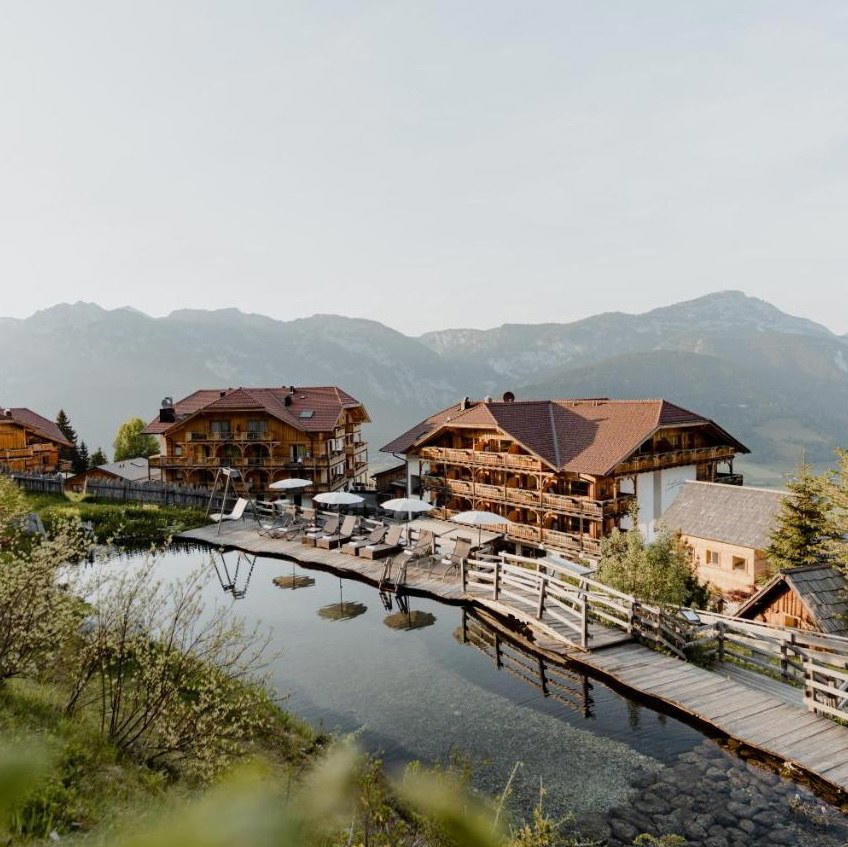
Approaching a Styrian alm hut on foot or by mountain road sets a particular frame of expectation. The physical effort of arrival, whether a short drive up a steep lane or a walk through pasture, is part of the experience in a way that arriving at a city restaurant simply is not. The wooden architecture typical of these structures, weathered and low-slung against the surrounding terrain, signals function over aesthetics. Tables are often positioned to face the valley below, and the view across the Ennstal becomes as much a part of the meal as anything on the plate. This is a format where location does the work that interior design does elsewhere.
The hut format across Austria's Alpine regions has remained largely consistent in its bones: communal or semi-communal seating, a short menu built around what is available, local beer or wine, and service that is informal without being inattentive. It contrasts sharply with the tasting-menu architecture found at venues like Ikarus in Salzburg or the chef-driven precision of Kräuterreich by Vitus Winkler in Sankt Veit im Pongau. The alm hut's value lies precisely in not trying to be those things.
Styrian Alm Cooking: What the Tradition Produces
The culinary logic of Austrian mountain huts is rooted in preservation, proximity, and seasonal rhythm. Smoked and cured meats, particularly Speck and various Wurst forms, anchor most menus. Dairy products, especially butter and fresh cheese made from nearby herds, appear in forms ranging from simple spreads to cooked preparations. Rösti, Kaiserschmarrn, and Grammelknödel are recurring formats across the Styrian and broader Eastern Alpine tradition, each dish solving the problem of feeding people well at altitude with ingredients that survive the conditions of a mountain kitchen.
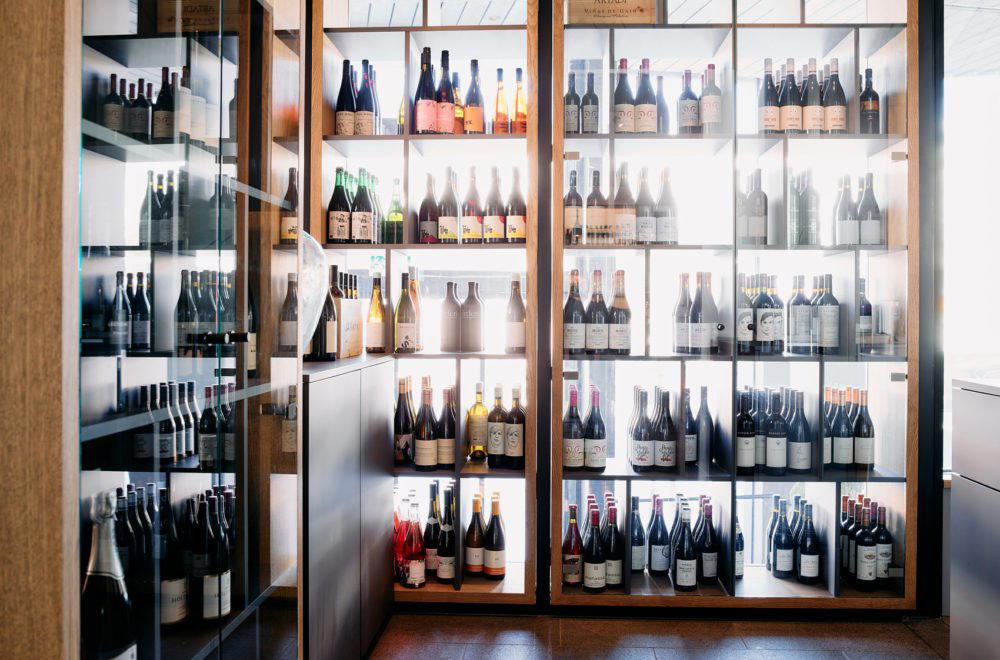
In Styria specifically, the pumpkin seed oil that defines lowland cooking makes occasional appearances even at altitude, and the region's tradition of hearty grain-based dishes finds its way into hut menus as a matter of cultural continuity. The beverage side of an alm experience tends toward local beer, schnapps distilled from mountain herbs or fruit, and occasionally regional wine, though the wine culture at altitude is less developed than in Styria's southern lowlands. This is not a context where one expects the kind of curated cellar found at Landhaus Bacher in Mautern an der Donau or the technical precision of wine pairing at Taubenkobel in Schützen am Gebirge. The schnapps glass after a meal is the relevant closing ritual here.
Gröbming's Small Dining Scene
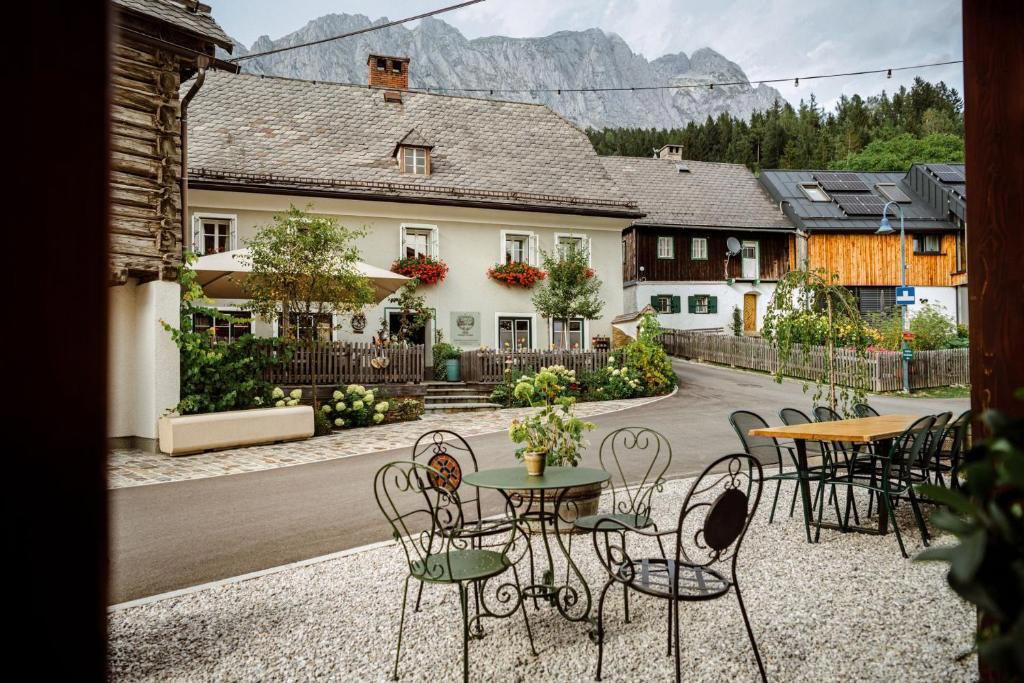
Gröbming is a small Styrian market town and the surrounding area supports a modest but genuine dining cluster. Simeterhütte and Walter Restaurant represent the broader local options, and together with Ritzingerhütte they form a picture of what regional hospitality looks like in an area that has not yet been absorbed into the high-end Alpine tourism circuit. For those building an itinerary around Austrian mountain dining, our full Gröbming restaurants guide provides the complete local overview.
The contrast with better-known Alpine dining destinations is instructive. Venues like Griggeler Stuba in Lech or Stüva in Ischgl operate in ski resort contexts where the visitor economy has pushed Alpine hospitality toward luxury tasting menus and polished hotel dining. Gröbming operates in a different register, drawing visitors interested in the Ennstal valley's hiking and skiing offer without the resort infrastructure that reshapes a town's culinary character. For the traveller who finds the resort fine-dining circuit increasingly homogeneous, places like Ritzingerhütte represent a different kind of quality argument.
How to Plan a Visit
Alm huts across the Austrian Alps typically operate on a seasonal calendar that follows agricultural and recreational rhythms: summer months see the huts at full capacity as hikers and day-trippers arrive, while winter access depends on snow conditions and whether the establishment operates year-round or closes between seasons. Visitors to Ritzingerhütte should plan arrival via the Viehbergalm road or trail system and verify current opening dates before committing to a detour. Arriving earlier in the day is generally advisable at busy huts, as kitchens stop serving when the day's provisions run out, which at a working alm can be a genuine constraint rather than a hospitality formality. This is a format built for people arriving on foot or by vehicle from the mountain, in hiking or outdoor clothing, expecting a direct meal with a view.
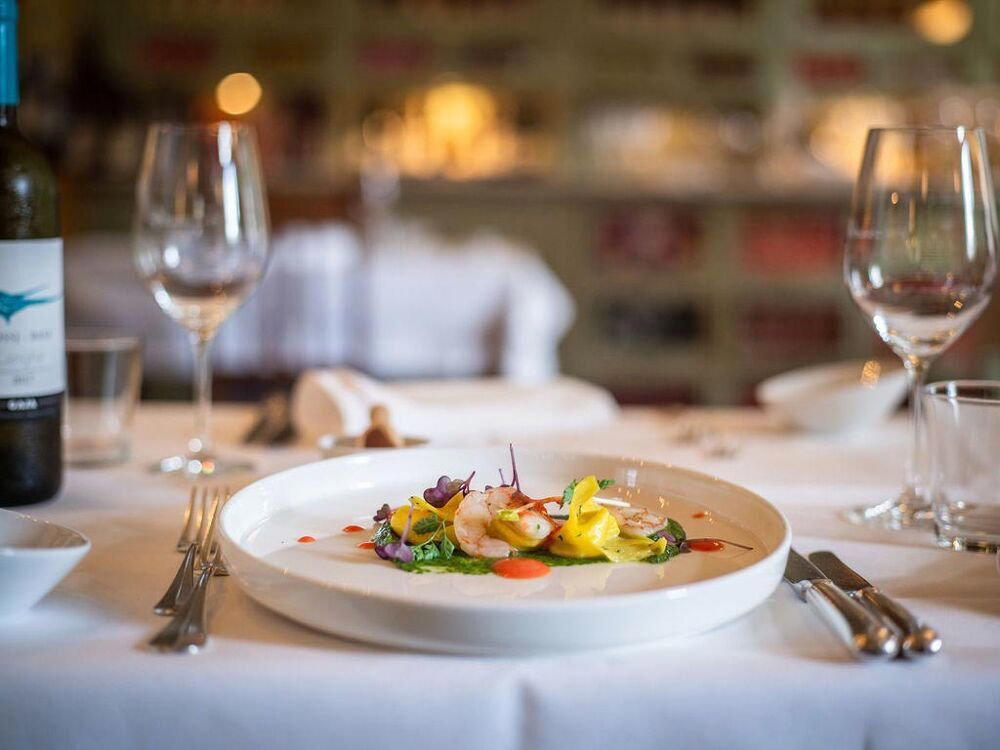
For travellers routing through the broader Austrian Alpine region, several structured restaurants offer context for how Austrian regional cooking translates into formal formats. The comparison is useful precisely because Ritzingerhütte sits in a different tradition entirely. The alm hut and the country restaurant are not in competition; they answer different questions about what Austrian food can be.
A Pricing-First Comparison
Comparable venues nearby, for context on price, style, and recognition.
| Venue | Cuisine | Price | Notes |
|---|---|---|---|
| RitzingerhütteThis venue — the venue you are viewing | Viehbergalm, Traditional Austrian Alpine | $$ | Not listed |
| Walter Restaurant | Gröbming, Austrian Grill & Burgers | $$ | Not listed |
| Simeterhütte | Gröbming, Alpine Hut Fare | $ | Not listed |
| Das James | Sommersbergsee, Regional Austrian | $$ | Not listed |
| Waldhäuslalm | Not listed | $$ | Rohrmoos-Untertal, Traditional Styrian Alpine |
| Gasthof zur Kanne | Not listed | $$ | Markt Sankt Florian, Traditional Austrian Gast Haus |


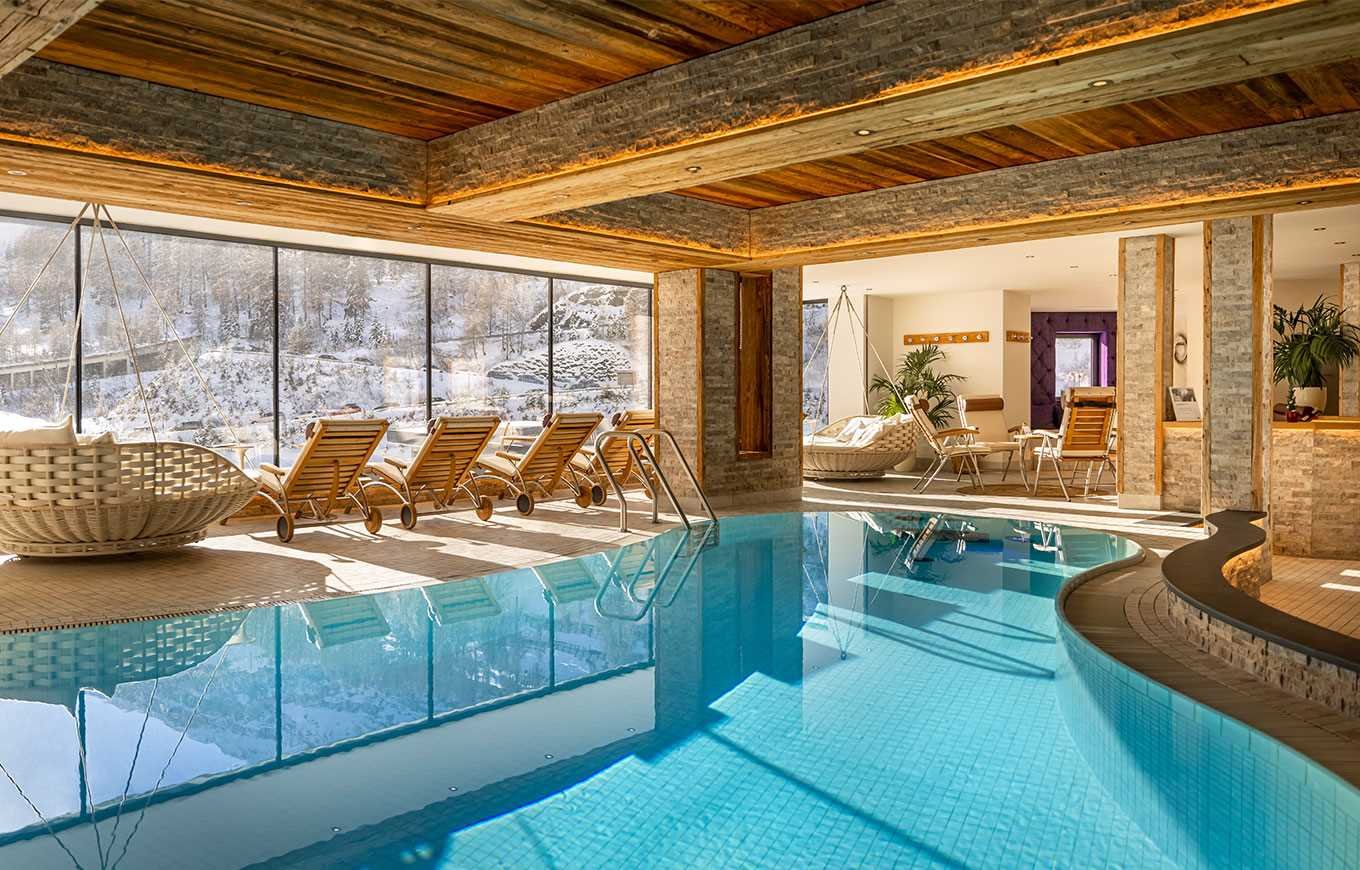
At a Glance
- Rustic
- Cozy
- Scenic
- Casual Hangout
- Historic Building
- Local Sourcing
- Mountain
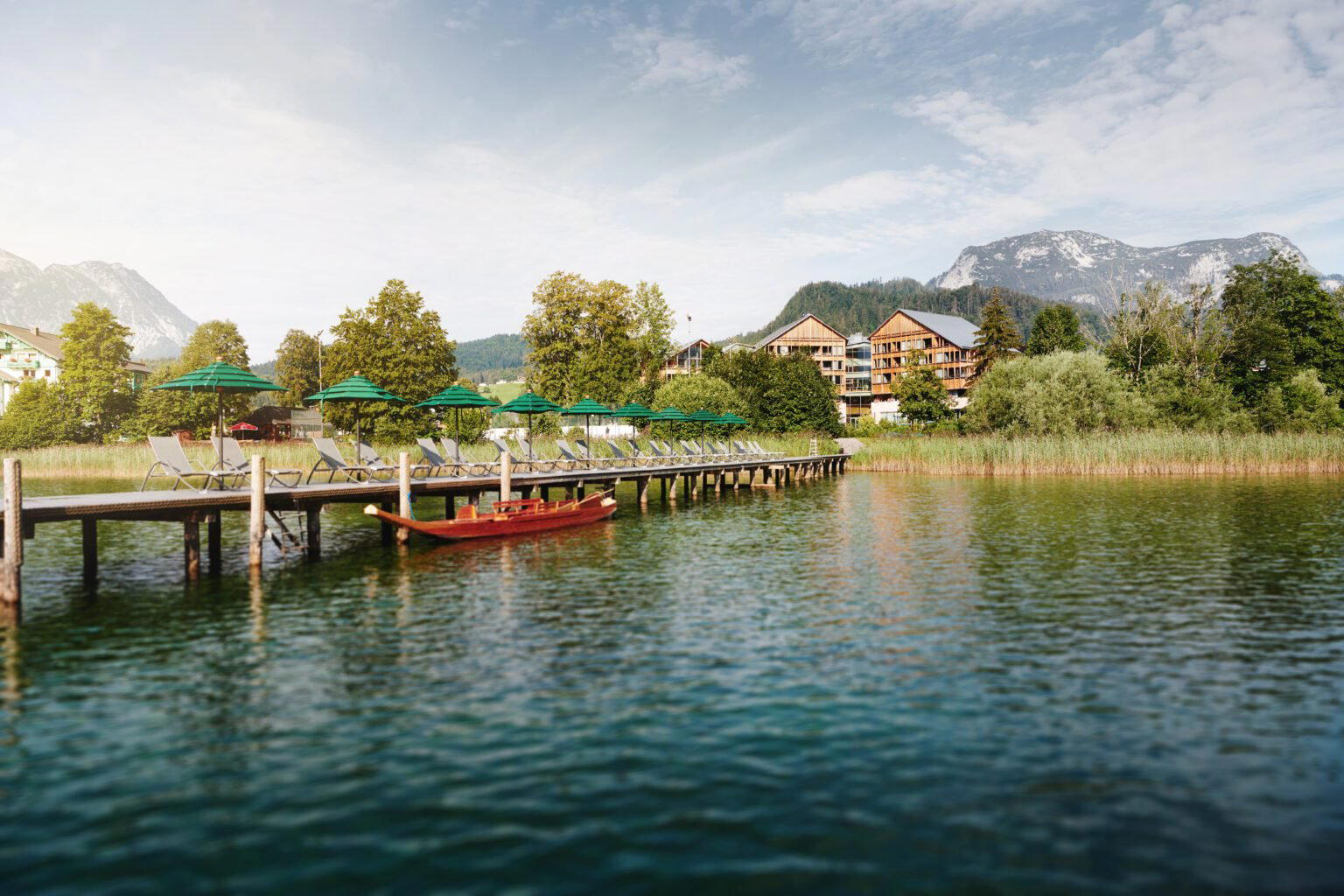
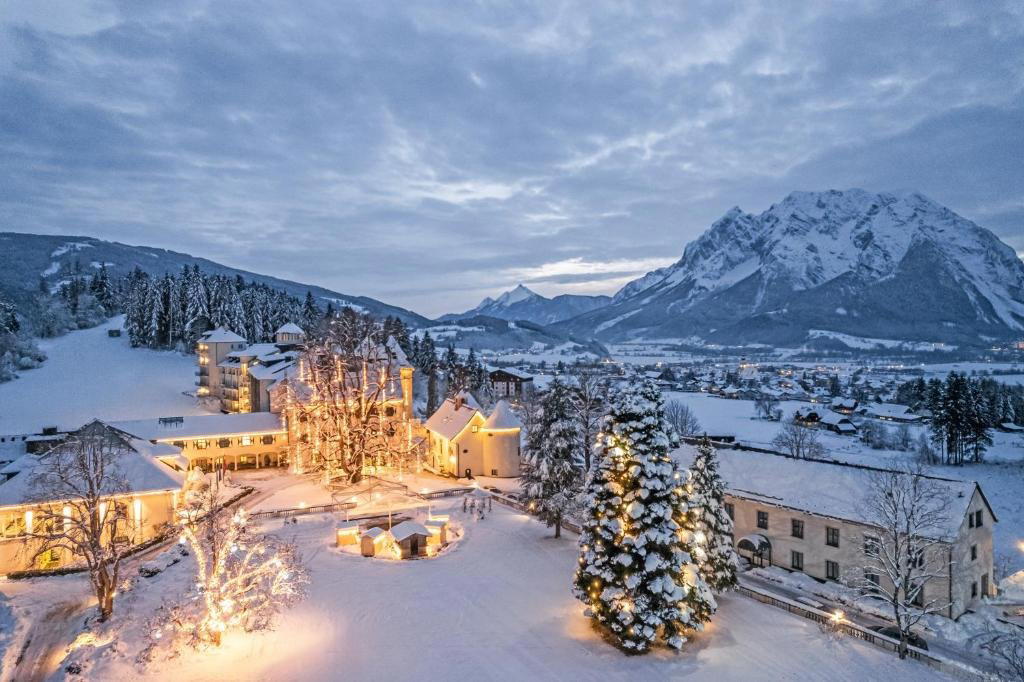
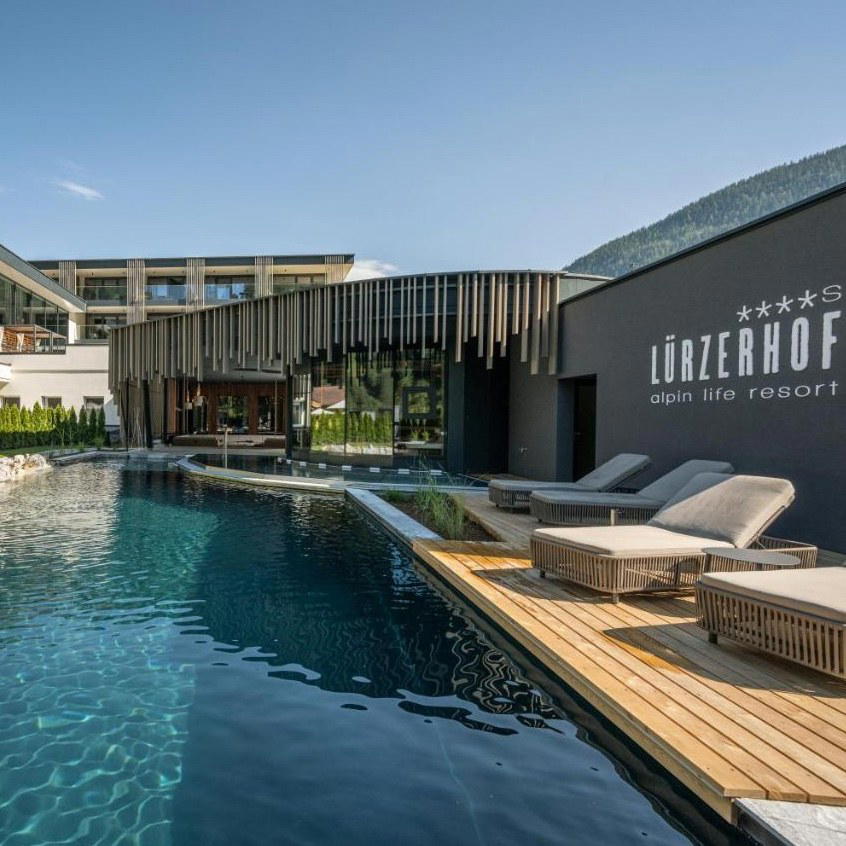
Cozy alpine hut atmosphere with rustic charm and welcoming hospitality amid mountain scenery.