On Salzburg's most-walked street, Balkan Grill Walter has held its position at Getreidegasse 33 for decades, drawing locals and visitors alike with grilled meat traditions rooted in the Balkans. The format is direct: counter service, charcoal smoke, and the kind of focused menu that resists trend cycles. In a city defined by Mozart concerts and fine-dining ambition, this is where Salzburg eats without ceremony.
Pearl is the En Primeur Club membership app — saves, bookings, and concierge access live there. Same editors, same standards.
- Address
- Getreidegasse 33, 5020 Salzburg, Austria
- Phone
- +43662661835
- Directions
- Get directions
 Saves & bookings on Pearl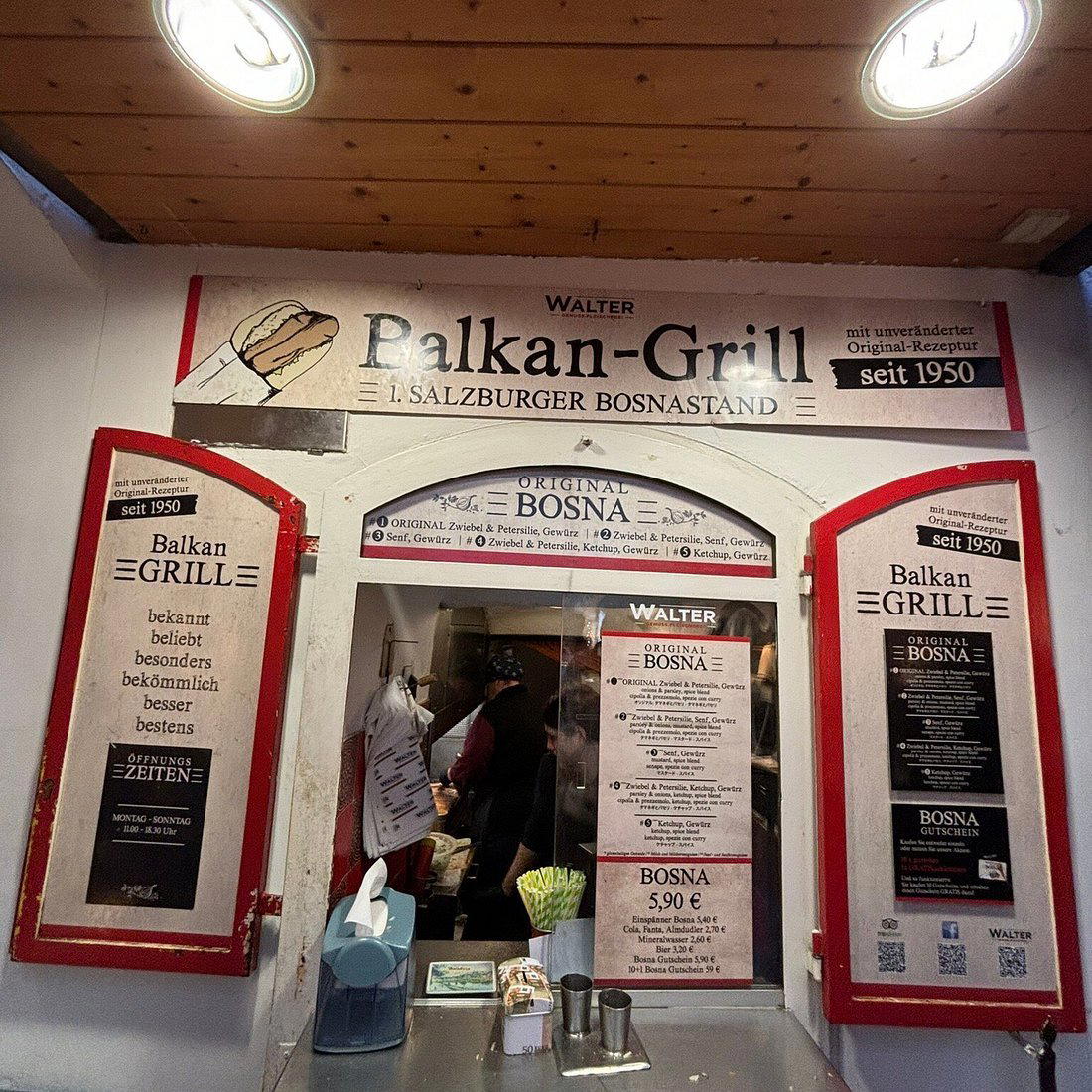
Smoke, Stone, and the Street That Never Stops
Getreidegasse is one of Central Europe's most persistently crowded pedestrian corridors. During the Salzburg Festival in July and August, the narrow lane fills to capacity with festivalgoers moving between rehearsal venues, souvenir shops, and the house where Mozart was born. In winter, the same street carries a quieter but no less purposeful foot traffic, wrapped in the particular cold that comes off the Salzach. Against that backdrop, Balkan Grill Walter occupies number 33 with the kind of deliberate modesty that only long-running establishments can afford. It is a traditional Bosnian grill in Salzburg, open daily from 11 AM to 6:30 PM, with a casual, walk-in-friendly format and an average price of about $5 per person. There is no elaborate signage competing for attention. The smell of charcoal and grilled meat does the announcing.
In a city whose restaurant conversation is dominated by tasting-menu ambition, places like Ikarus, Esszimmer, and Pfefferschiff occupying the upper tier, Balkan Grill Walter belongs to a different register entirely. It is not competing in that arena. The Balkan grill tradition it represents predates Salzburg's fine-dining scene by generations, drawing on a Central and Southeastern European culinary lineage where charcoal-grilled meats, spiced sausages, and simple accompaniments are not a style choice but a foundational practice.
The Balkan Grill Tradition in an Austrian City
The presence of Balkan-style grilling in Austrian cities is a product of mid-twentieth-century migration patterns, when workers from Yugoslavia, particularly from Bosnia, Serbia, and Croatia, brought their food culture into the urban fabric of Vienna, Graz, Linz, and Salzburg. What arrived with them, and what has persisted, is a mode of cooking defined by live fire, ground-meat preparations, and a directness of flavour that owes nothing to reduction sauces or composed plates.
Across Austria, this tradition has produced a category of institution that operates outside the formal restaurant taxonomy: counter-service spots where the transaction is quick, the product is consistent, and the return rate among regulars is high. These are not casual snack stops in the dismissive sense. The technique required to maintain quality grilling at volume, achieving the right crust on a ćevapi or the correct fat-to-lean ratio in a grilled sausage, is genuinely demanding. Establishments that have sustained this over decades, as Balkan Grill Walter appears to have done on Getreidegasse, earn their longevity through product rather than atmosphere.
For context on how Austria's fine-dining tradition runs parallel to this, Steirereck im Stadtpark in Vienna and Landhaus Bacher in Mautern an der Donau represent the formal, produce-driven end of Austrian cooking. Balkan Grill Walter operates in a completely separate tradition, one defined by grilling culture rather than Austrian haute cuisine.
What to Expect at the Counter
The format here is counter service. This is not a sit-down restaurant with a wine list and a composed tasting progression. The experience is immediate: you order, you watch the grill, you eat. That directness is the point. In the Balkan grill format, the lack of ceremony is not a limitation but a defining characteristic, one that places the emphasis entirely on the quality of the meat and the skill of the person behind the grill.
Getreidegasse's tourist volume means the restaurant encounters a wide range of customers throughout the year, but the regulars who return specifically for this food represent a different kind of proof than review aggregates or festival buzz. A counter that survives on a street this expensive, in a city this affluent, without adapting its format to chase a more upmarket positioning, is making a choice. That choice reflects confidence in what the grill produces.
For those planning around the Salzburg Festival calendar, the street is at its busiest from late July through August. In winter, the same address is considerably quieter, and the smell of charcoal smoke on cold air has a different quality altogether.
Where This Fits in Salzburg's Eating Options
Salzburg has a small but serious fine-dining tier. Senns and The Glass Garden operate within the contemporary Austrian register, while venues further afield in the region, including Obauer in Werfen, Döllerer in Golling an der Salzach, and Kräuterreich by Vitus Winkler in Sankt Veit im Pongau, extend the region's culinary range into the surrounding Alpine landscape. The restaurant shares none of that register. Its comparable set is the category of long-running, format-disciplined grill counters found across Central European cities, not the tasting-menu circuit.
That distinction matters for how you plan around it. If you are spending several days in Salzburg and working through the city's serious restaurants, the restaurant functions as the counterpoint: fast, direct, and grounded in a food tradition that predates and outlasts current dining trends. For a broader map of the city's options across price points and styles, the full Salzburg restaurants guide covers the range in detail.
Internationally, the shift toward casual-format counters with serious product behind them has been well-documented, from the ramen-ya model in Japan to the taquería tradition in Mexico City. Counter-service grilling in the Balkan tradition belongs in that same category of places where format simplicity is a feature rather than a concession. Venues like Lazy Bear in San Francisco have shown how communal, format-disciplined dining can generate serious critical attention; the Balkan grill counter operates at the opposite end of the price spectrum but with comparable clarity of purpose.
Planning Your Visit
The restaurant is located at Getreidegasse 33, 5020 Salzburg, on the city's central pedestrian street, a short walk from the Altstadt's main landmarks. Given the counter-service format, no advance booking is required or typically possible. The restaurant is walk-in friendly, and it is open daily from 11 AM to 6:30 PM.
Those extending their trip through the Austrian Alps and Tyrol will find further reference points at Schwarzer Adler in Hall in Tirol, Gourmetrestaurant Tannenhof in Sankt Anton am Arlberg, Stüva in Ischgl, Restaurant 141 by Joachim Jaud in Mieming, and Ois in Neufelden, all of which sit within the broader Austrian culinary context. At the other end of the international spectrum, the precision of Le Bernardin in New York City illustrates how differently the same impulse toward focused, format-disciplined cooking can express itself across culinary traditions.
Peers in This Market
Comparable venues nearby, for context on price, style, and recognition.
| Venue | Cuisine | Price | Notes |
|---|---|---|---|
| Balkan Grill WalterThis venue — the venue you are viewing | Traditional Bosnian Grill | $ | Not listed |
| Uncle Falafel | Middle Eastern Street Food | $ | Itzling Mitte |
| Ping Pong Poke | Asian Fusion Poke Bowls | $$ | Neustadt |
| Donna´s Thaiküche | Authentic Thai Street Food | $ | Neustadt |
| 7burger | Customizable American Burgers | $ | Elisabeth Vorstadt |
| Siam Thaiküche | Authentic Thai Street Food | $$ | Altmaxglan |
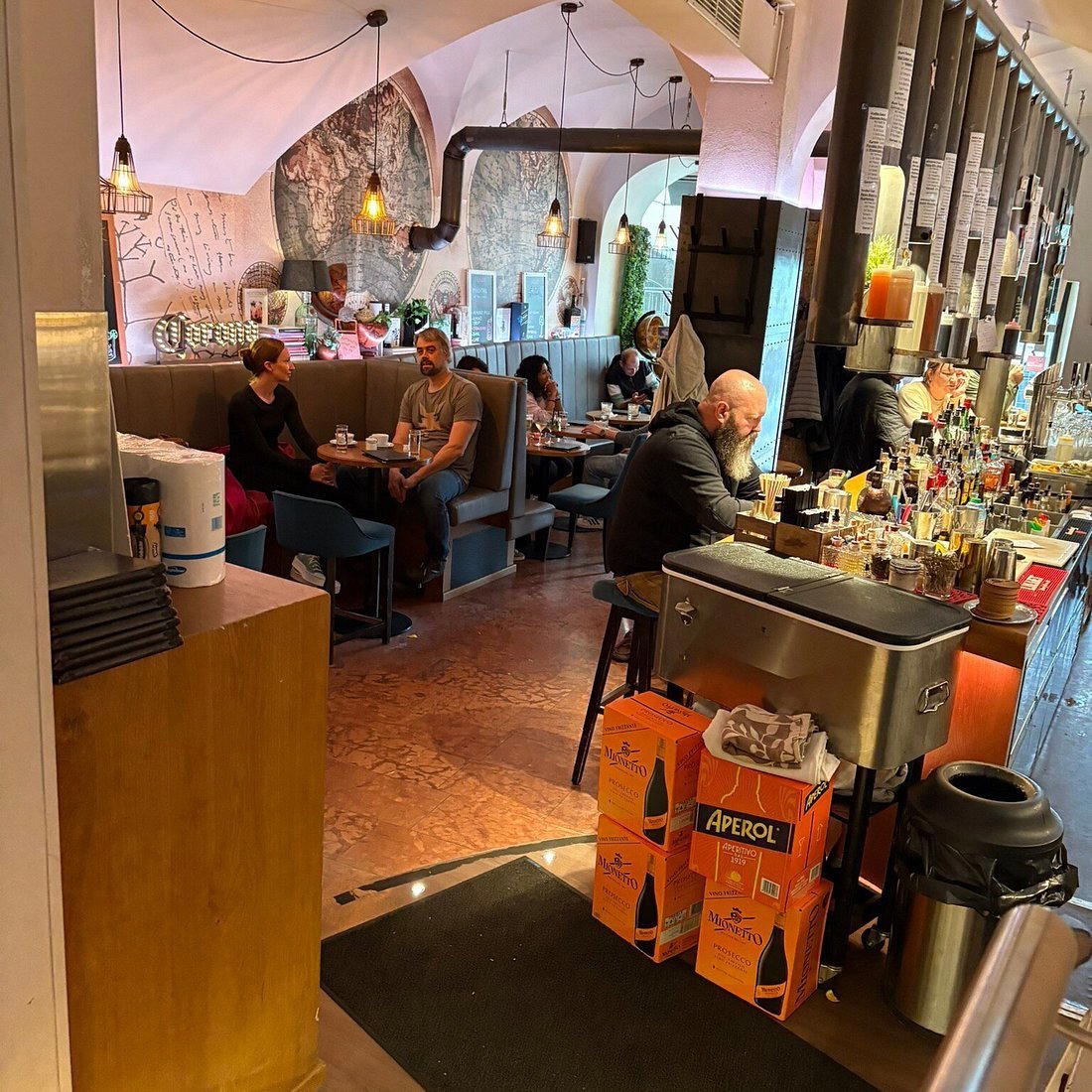
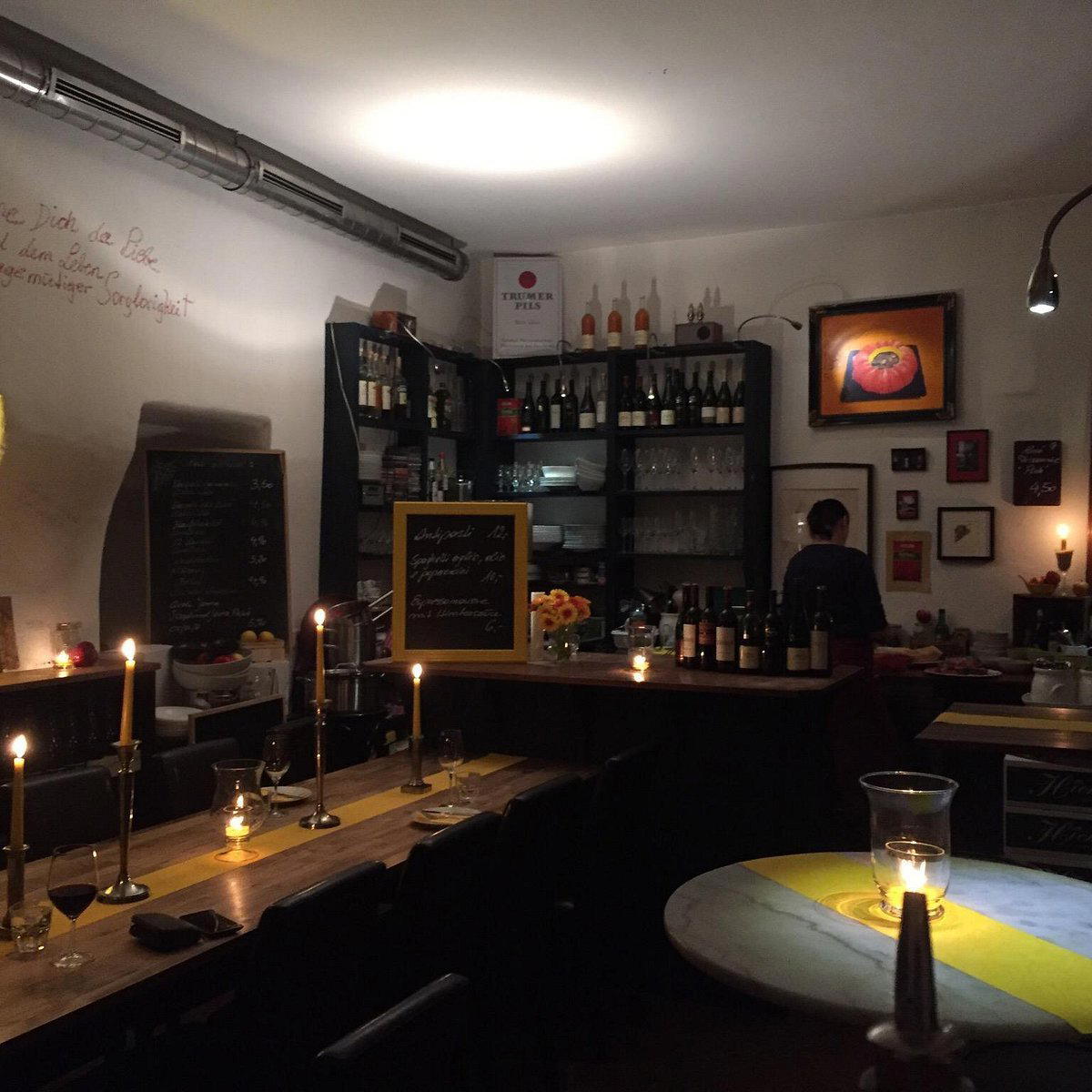
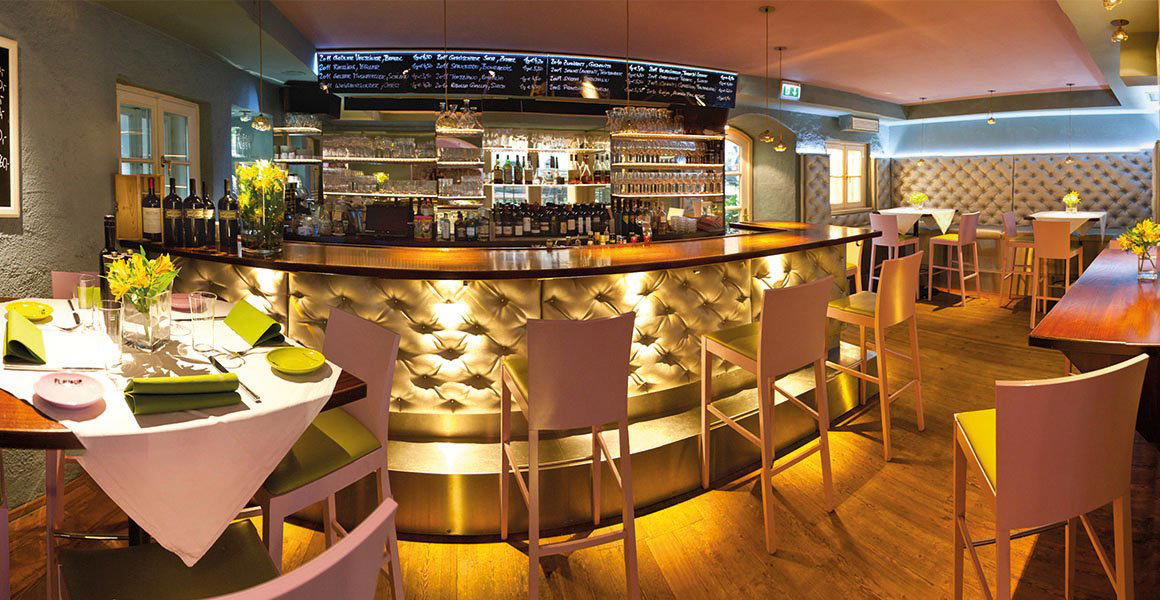
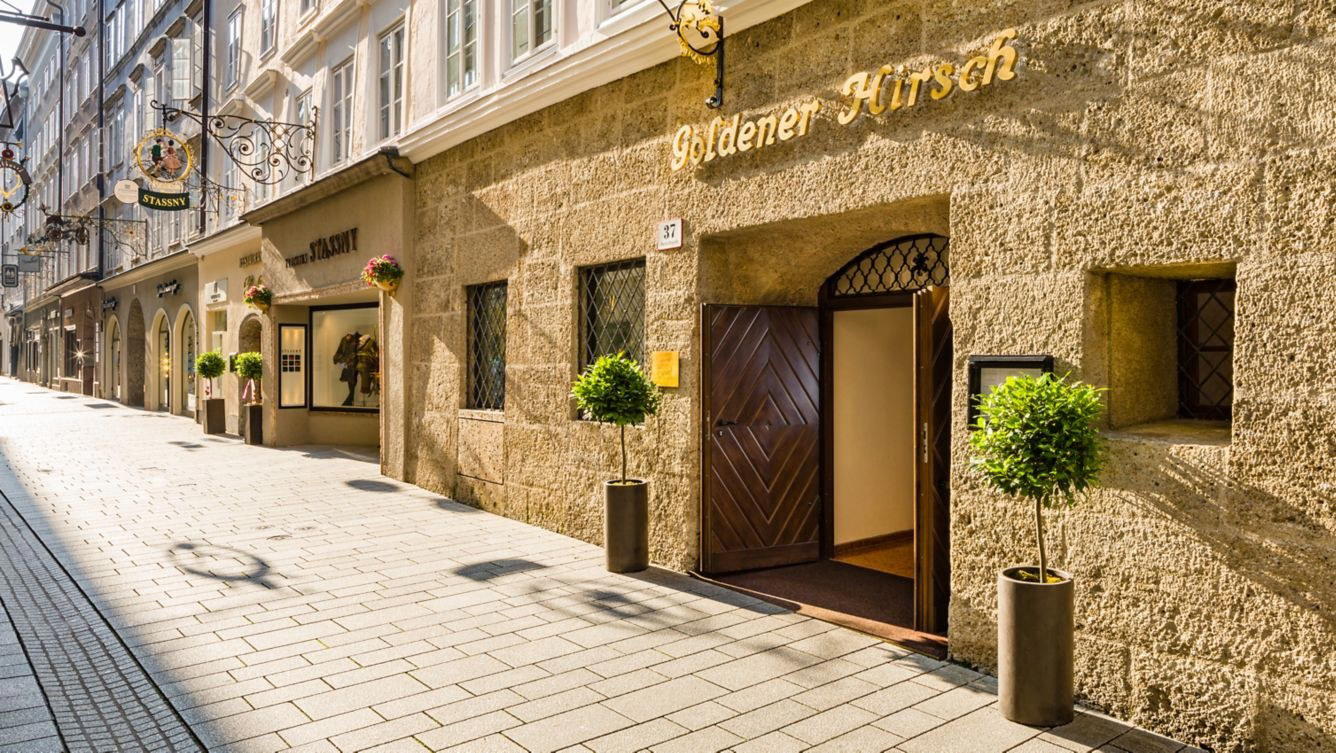
At a Glance
- Rustic
- Casual Hangout
- Historic Building
Current opening hours
- Monday
- 11 AM–6:30 PM
- Tuesday
- 11 AM–6:30 PM
- Wednesday
- 11 AM–6:30 PM
- Thursday
- 11 AM–6:30 PM
- Friday
- 11 AM–6:30 PM
- Saturday
- 11 AM–6:30 PM
- Sunday
- 11 AM–6:30 PM
Hours can change for holidays and private events. Last verified .