In the Ennstal valley town of Gröbming, Walter Restaurant occupies a main-street address that punches well above its alpine-village context. The cooking draws on the agricultural depth of Styria, a region where dairy farming, game hunting, and market gardening have shaped kitchen traditions for centuries. It sits in a tier of Austrian regional dining where local sourcing is not a marketing position but a structural necessity.
Pearl is the En Primeur Club membership app — saves, bookings, and concierge access live there. Same editors, same standards.
- Address
- Hauptstraße 48, 8962 Gröbming, Austria
- Phone
- +436644644041
- Website
- ferstl-gastronomie.at
- Directions
- Get directions
 Saves & bookings on Pearl
Where the Ennstal Valley Feeds the Kitchen
Gröbming sits in the upper Ennstal, a valley in Styria where the agricultural calendar still governs daily life more than tourism does. The surrounding hillsides carry cattle through summer pastures, the forests yield game through autumn, and the market gardens of the broader Styrian plateau supply a produce chain that feeds kitchens across one of Austria's most food-serious regions. In this context, a restaurant on Hauptstraße is not an isolated address but a node in a supply network that runs from farm gates to kitchen pass with relatively short distances between them.
Walter Restaurant operates from that position. Styria's culinary identity is distinct within Austria: it is the country's principal pumpkin-seed-oil region, a serious wine-producing area, and home to a beef and dairy tradition that predates any contemporary farm-to-table framing. Restaurants here have long sourced locally not because it signals virtue but because the supply chain is simply there, and because regional ingredients carry flavours shaped by altitude, pasture composition, and seasonal variation that imported equivalents do not replicate.
Ingredient Provenance as Kitchen Architecture
The broader Austrian fine-dining conversation has increasingly centred on provenance as a structural principle rather than a menu footnote. At the level of restaurants like Steirereck im Stadtpark in Vienna or Döllerer in Golling an der Salzach, sourcing documentation and producer relationships have become part of the editorial identity of a menu. That approach filters down through the regional tiers. In Styria specifically, the density of small producers, cheesemakers, and game suppliers means that a kitchen in Gröbming has access to a supply network that many urban restaurants would need significant logistics to replicate.
This matters for how the cooking at a place like Walter Restaurant should be understood. Alpine and pre-alpine kitchens in Austria have historically operated on a logic of preservation and concentration: smoking, curing, fermenting, and reducing were techniques born of necessity in areas where winter runs long and fresh produce is seasonal. That tradition now sits alongside more contemporary approaches to the same ingredients, and the tension between those two modes is where interesting regional cooking in Austria currently lives. The comparison set for this kind of Styrian address is the broader category of serious regional cooking that treats local ingredients as the subject rather than the backdrop.
The Styrian Regional Tier and Its comparable set
Austrian regional dining outside Vienna and Salzburg rewards close attention. The country's alpine provinces have produced kitchens of genuine seriousness, from Obauer in Werfen to Taubenkobel in Schützen am Gebirge, where the commitment to local produce and regional identity has earned sustained critical attention. Styria fits into that pattern but carries its own character: the cuisine is richer in vegetable and grain traditions than Tirol or Vorarlberg, more likely to feature pumpkin, squash, and field greens alongside the meat and game that define alpine menus further west.
Gröbming itself is a small town rather than a resort, which places Walter Restaurant in a different category than the ski-destination dining rooms at Griggeler Stuba in Lech or Stüva in Ischgl. Those addresses serve a high-spend seasonal visitor base and price accordingly. A main-street restaurant in a working Styrian town operates on different economics and, typically, with a different relationship to its community. The local diner and the visiting guest occupy the same room, which tends to keep the cooking honest and the portions practical.
Other regional Austrian kitchens that have built reputations on this kind of community-embedded, ingredient-led approach include Kräuterreich by Vitus Winkler in Sankt Veit im Pongau, where herb cultivation is central to the menu's architecture, and Ois in Neufelden, which operates in a comparable small-town context in Upper Austria. At the far end of the spectrum, destination addresses like Landhaus Bacher in Mautern an der Donau or Schwarzer Adler in Hall in Tirol show what sustained regional commitment can build over decades.
For visitors arriving from outside Austria entirely, the scale of ambition at a regional Styrian address may read differently against internationally framed reference points. What these Ennstal valley kitchens offer is specificity of place, and that is a different value proposition than technical ambition at international scale. What these Ennstal valley kitchens offer is specificity of place, and that is a different value proposition than technical ambition at international scale. Tyrolean alpine cooking can develop its own register of seriousness without aspiring to Vienna's dining rooms.
Nearby Dining in the Gröbming Area
Gröbming has other addresses worth noting in the immediate area. Ritzingerhütte and Simeterhütte represent the alpine hut tradition that sits alongside restaurant dining in this part of Styria, typically operating seasonally and offering a more elemental menu built around the terrain. The hut format and the town restaurant format serve different purposes in the regional dining ecosystem, and visiting both gives a more complete picture of how the Ennstal valley feeds its visitors. For a broader view of what the town offers, the full Gröbming restaurants guide maps the options across categories and price points.
Planning a Visit
Gröbming is reachable by train from Graz via the Ennstal line, with the journey running approximately two hours depending on connections. The town is also accessible by car from Salzburg in roughly ninety minutes, making it a realistic stop on a broader Styrian or Salzkammergut itinerary. The restaurant operates from Hauptstraße 48, the main street through the town centre, which places it within easy walking distance of the train station. The restaurant recommends reservations, and the dress code is casual.
Quick Comparison
Comparable venues nearby, for context on price, style, and recognition.
| Venue | Cuisine | Price | Notes |
|---|---|---|---|
| Walter RestaurantThis venue — the venue you are viewing | Austrian Grill & Burgers | $$ | Not listed |
| Ritzingerhütte | Traditional Austrian Alpine | $$ | Viehbergalm |
| Simeterhütte | Alpine Hut Fare | $ | Gröbming |
| Lentos Restaurant | Modern Austrian with river views | $$ | Donaulände |
| Auszeit | Modern Austrian with Italian Influences | $$ | Altmünster |
| mama thresl | Modern Austrian Grill | $$ | Leogang |


At a Glance
- Cozy
- Modern
- Family
- Group Dining
- Casual Hangout
- Standalone
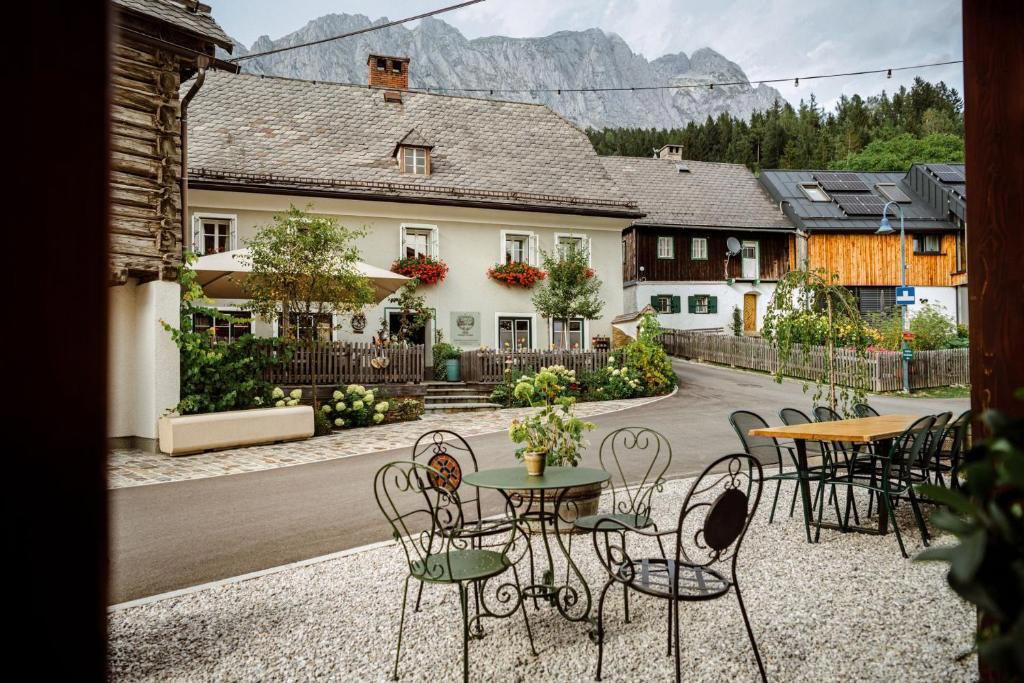
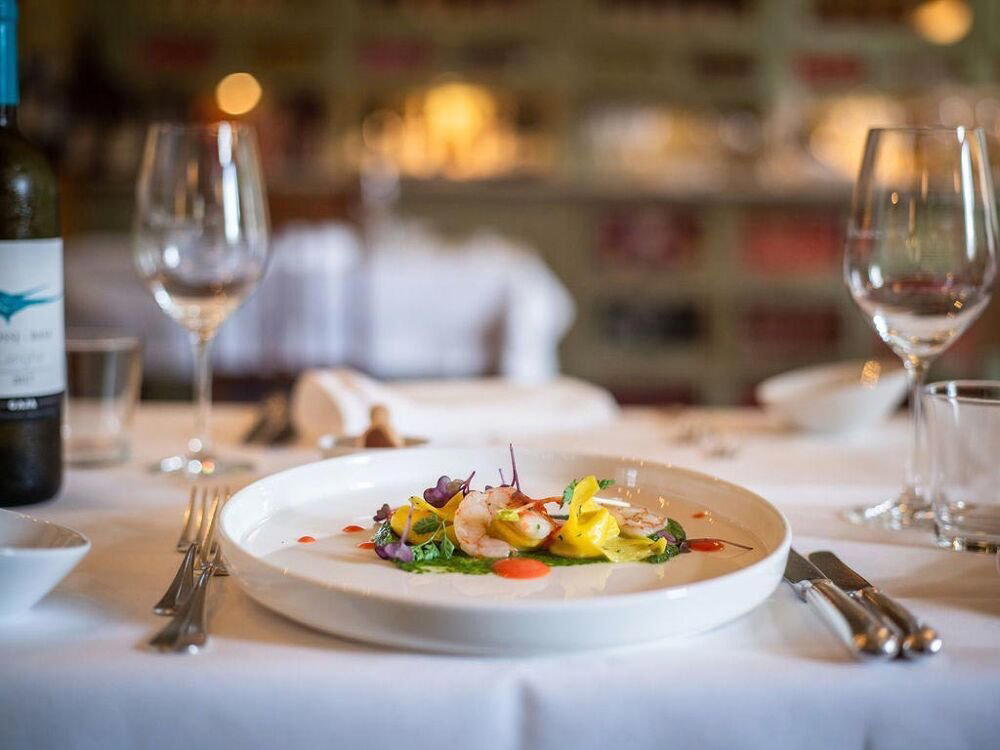
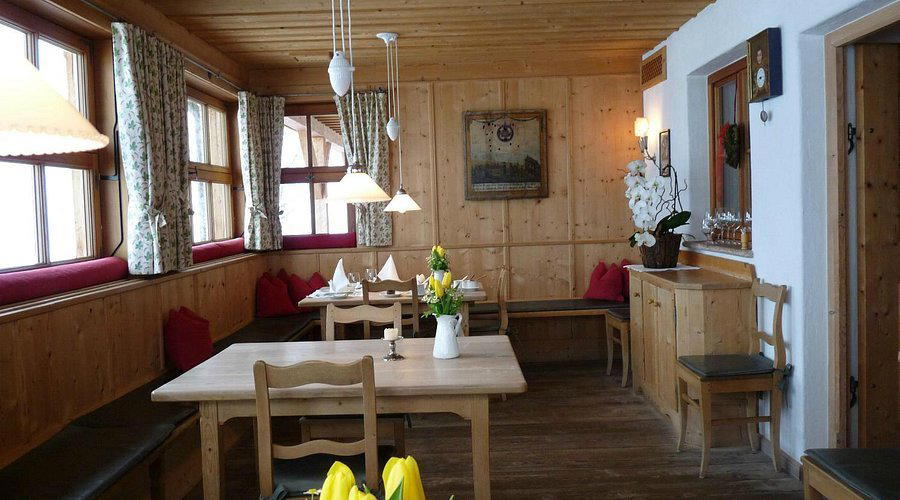
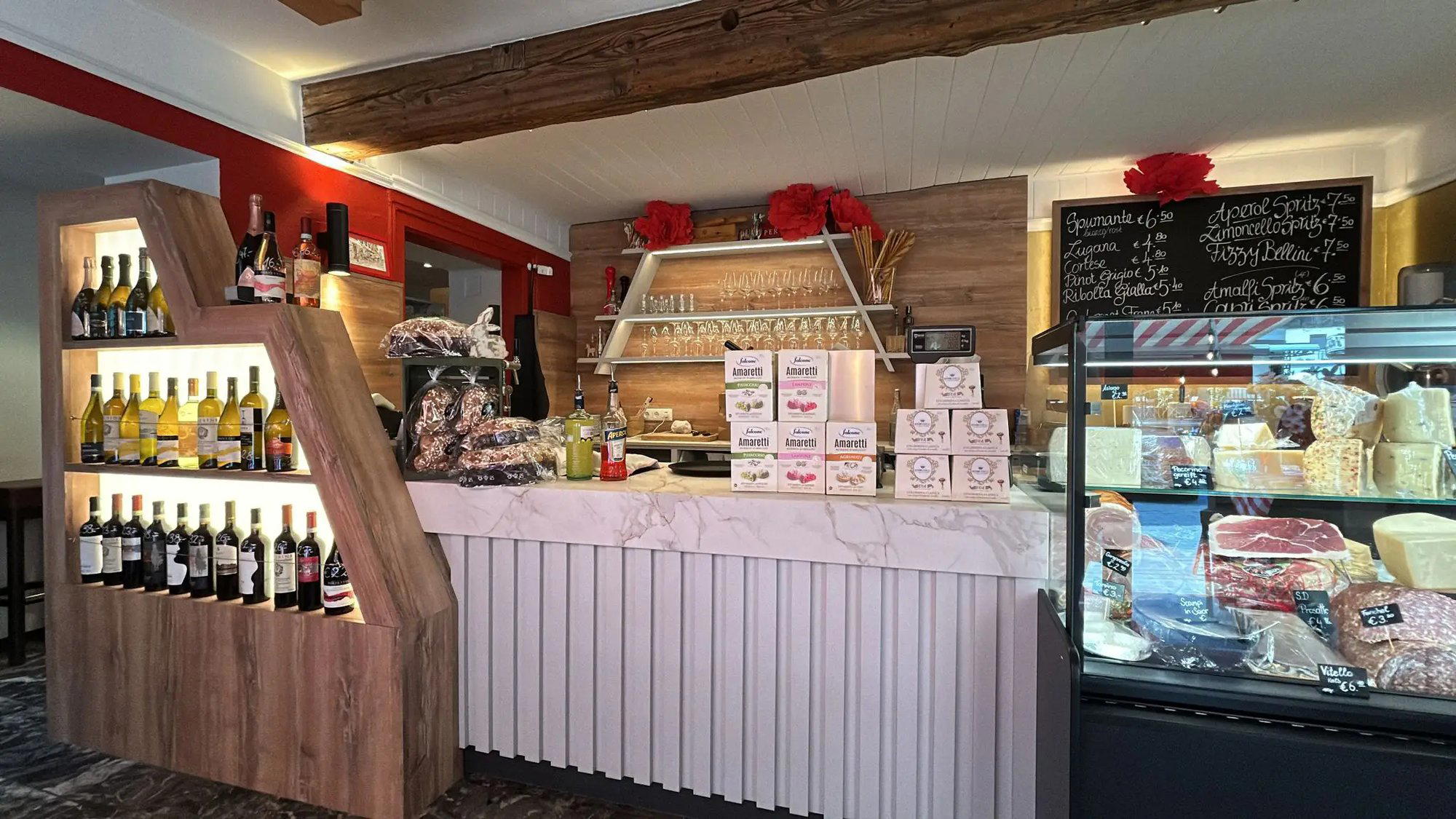
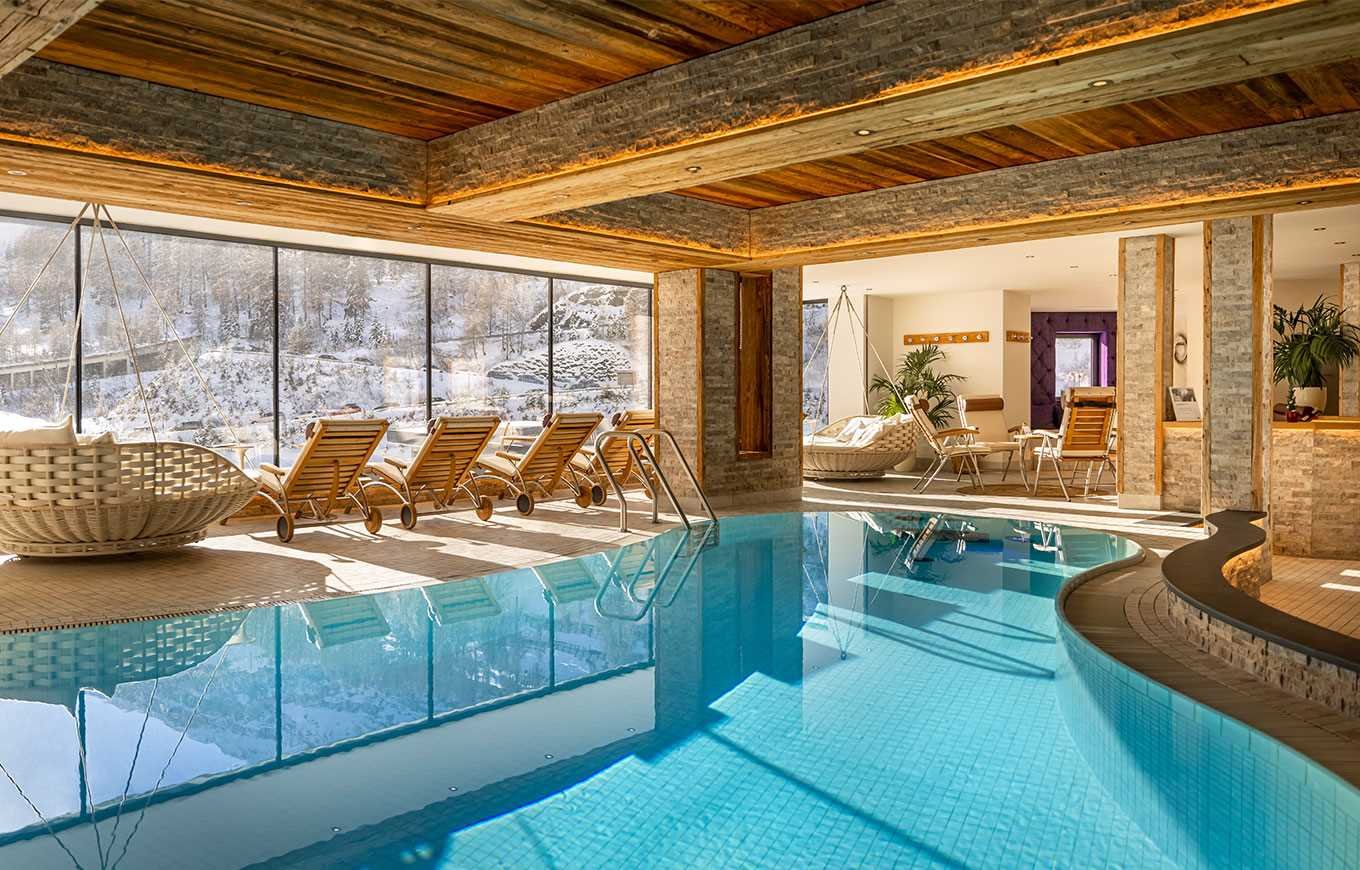
Cozy with rough brick walls and modern accents, offering a warm and homely feel.