
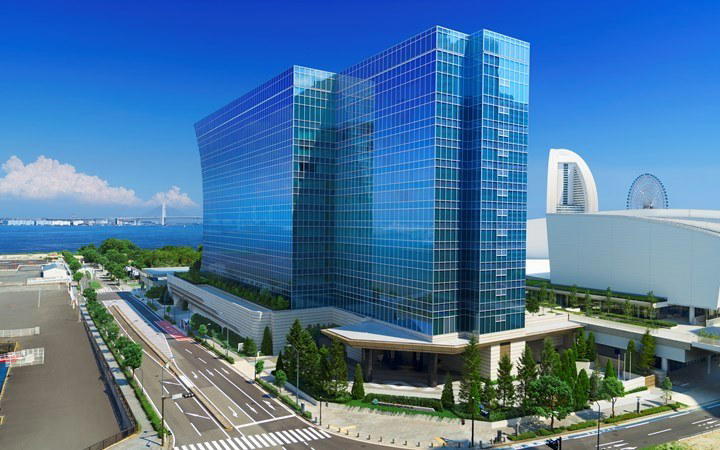
DORER is a Yokohama Station bakery and cake counter inside Yokohama Bay Sheraton Hotel & Towers, built for takeout rather than lingering. Its Tabelog Bread EAST “Tabelog 100” selections in 2020 and 2022 put it in a serious bakery tier, while the format keeps the spend closer to an everyday station purchase than a hotel dining occasion.
Pearl is the En Primeur Club membership app — saves, bookings, and concierge access live there. Same editors, same standards.
- Address
- 神奈川県横浜市西区北幸1-3-23 横浜ベイシェラトン ホテル&タワーズ B1F
- Phone
- +81454111354
- Website
- yokohama-bay-sheraton.jp
 Saves & bookings on Pearl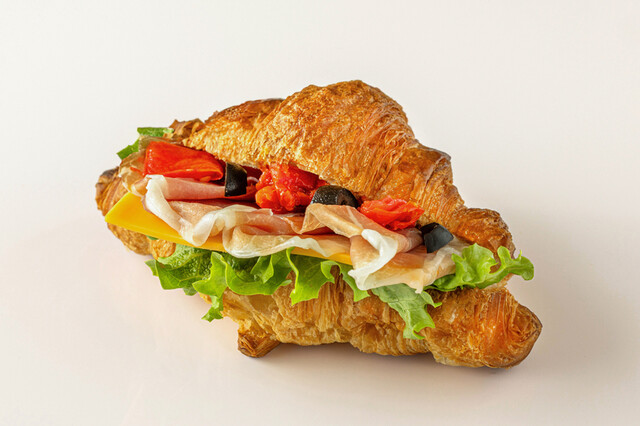
Yokohama Station’s west side is built for quick decisions: underground passages, department-store counters, hotel basements, commuters moving between rail lines and shopping floors. Here, a bakery counter is a useful local format. It does not ask for a table, courses, or ceremony, only whether the bread and cake justify a stop when the city offers hundreds of faster options.
DORER sits inside that station-hotel ecosystem, where convenience can easily flatten quality. The better counters treat transit not as compromise but as the operating condition: clear takeaway service, reliable range, and enough craft to beat a convenience-store fallback. Its selection for Tabelog Bread EAST “Tabelog 100” in 2020 and 2022 gives the counter a credible signal in a field where serious bakery culture is often judged by morning queues, sell-through, and repeat local use rather than dining-room theatre.
A hotel-bakery format with station-level utility
Japan’s urban bakery culture is unusually competitive because it crosses categories. Within minutes, a station visitor may choose between shokupan specialists, French-leaning viennoiserie, department-store patisserie, supermarket bread, and hotel bakeries. Yokohama adds another layer: a long relationship with Western-style baking and café culture, while its central station behaves like a compressed food district rather than one neighbourhood.
That sharpens the value proposition. Hotel food counters often price themselves as gifts or occasion purchases; station bakeries compete on speed and habit. DORER works in the overlap. The official description points to bread made with a homemade fermented starter, seasonal cakes, sandwiches, and baked goods, placing it closer to a full bakery-patisserie counter than a narrow pastry boutique. The absence of chairs matters: this is not a café stop dressed as a bakery, but a takeaway operation judged by range, turnover, and ease.
Within the same hotel, Chinese Sairyu occupies a far higher dining bracket, making the bakery feel less like a minor amenity and more like the accessible edge of a large hospitality building. Nearby comparison points clarify the split: Napule Yokohama takashimaya ten and TRATTORIA FRANCO ask for a sit-down meal; ECHIRE PATISSERIE AU BEURRE Yokohama takashimaya ten sits in a butter-led patisserie lane; Italiano Jerato Ya shares the lower spend band but plays a different quick-service role. The question is not whether a hotel bakery can be grand, but whether it can be practical without feeling generic.
Recognition matters more in bread than it first appears
Bread awards can look modest beside Michelin stars, but in Japan they often signal another discipline. A bakery counter has fewer theatrical tools than a restaurant: no plating sequence, sommelier narrative, or room design to slow the guest down. Quality must survive being carried through a station concourse, eaten later, or bought for a household rather than a dining critic. Two Tabelog Bread EAST “Tabelog 100” selections place this counter inside a regional conversation, not on a hotel convenience shelf.
The category also rewards breadth. A bread-and-cake counter must handle daily-use staples and giftable sweets. That dual role is common in Japanese hotel bakeries, where one stop may cover breakfast, an office snack, and a boxed dessert. For a traveler, the format is efficient. For a local, repeat use is plausible. The editorial interest is how Yokohama’s station food economy supports recognized craft at a spend level that does not require building the day around a reservation.
There is a practical distinction between this stop and a destination restaurant. Yokohama’s dining map includes grilled-skewer counters such as 1000 (Yakitori (Grilled chicken skewers)), old-school local rooms like Aichun, curry specialists such as Ajowan and Alpenjiro Honten, and casual institutions beyond Yokohama including Anzen Shokudo. Those places answer where to eat. A bakery counter answers what is worth carrying away when the schedule is tighter than the appetite.
How to use it in a Yokohama day
The smartest use of DORER is not to force it into a restaurant itinerary. Treat it as a tactical station-area stop: before a train, after checking out of a nearby hotel, or when a full meal would interrupt the day. The family-friendly signal and children-welcome note fit the format; takeaway bread and cake are easier with children than a formal room, especially around a major station where timing changes quickly.
Payment flexibility strengthens the appeal for visitors moving through Yokohama. Cards, transportation IC cards, several electronic-money systems, and QR-code payments are accepted, useful in a city where station transactions are often decided in seconds. Wheelchair access and non-smoking status add practical clarity. Parking is available, though the stronger logic remains rail-linked movement rather than a special drive across town.
For planning, place this counter within a Yokohama food day rather than treating it as the whole plan. A station bakery fits beside a later izakaya, a Chinatown meal, or a hotel dinner because it occupies a lighter slot. Readers building a wider itinerary can compare the city’s dining range through Our full Yokohama restaurants guide, then layer in stays from Our full Yokohama hotels guide, drinks from Our full Yokohama bars guide, regional bottles through Our full Yokohama wineries guide, and city programming in Our full Yokohama experiences guide.
The wider Japan map shows why this format travels well. A tightly focused meal in Kamakura, such as -Grilled beef Sukiyaki- KAMAKURA TANUKIAN 鎌倉 たぬき庵 in Kamakura, asks for a dedicated slot; 鮪と炭火焼き うお炭 秋葉原店 in Tokyo.cafe in Osaka.know in Kumamoto, (Shoku) Vietnam in Kawasaki, and [Curry Senmon Ten] Maruyama Kyoju. in Sapporo all belong to more specific dining decisions. Across the Pacific, Jōdo Saké Bar in Los Angeles and Onigiri Time in Pasadena show the same lesson in another market: focused formats work when the guest understands exactly what role they play. In Yokohama, DORER’s role is clear: recognized bread and cake, bought efficiently, at a spend level that leaves room for the rest of the day.
Awards and Standing
Nearby venues at a similar price tier for orientation.
| Venue | Cuisine | Price | Notes |
|---|---|---|---|
| DORERThis venue — the venue you are viewing | Pastry shop & bakery | $ | Not listed |
| NASCHIKATZE | Traditional Viennese pastry shop | $ | Aoba |
| BASCULE | Cake shop & Western-style desserts | $ | Tsuzuki |
| Chrysler | Classic Cocktail Bar | $$ | Naka |
| Casablanca Katano Shurui Hanbai | Japanese Bar | $$ | Naka |
| TOTSZEN BAKER’S KITCHEN | Bakery / Sweets | $ | Kōhoku |
Recognition history
Dated appearances from independent guides and award organizations, with the underlying list record or original source where available.
Tabelog 100 #85 · No. 85
Tabelog · Tabelog 100 - Bread - EAST - 2022










At a Glance
- Modern
- Cozy
- Solo
- Family
- Casual Hangout
- After Work
- Celebration
- Hotel Restaurant
- Standalone
- Design Destination
- Local Sourcing
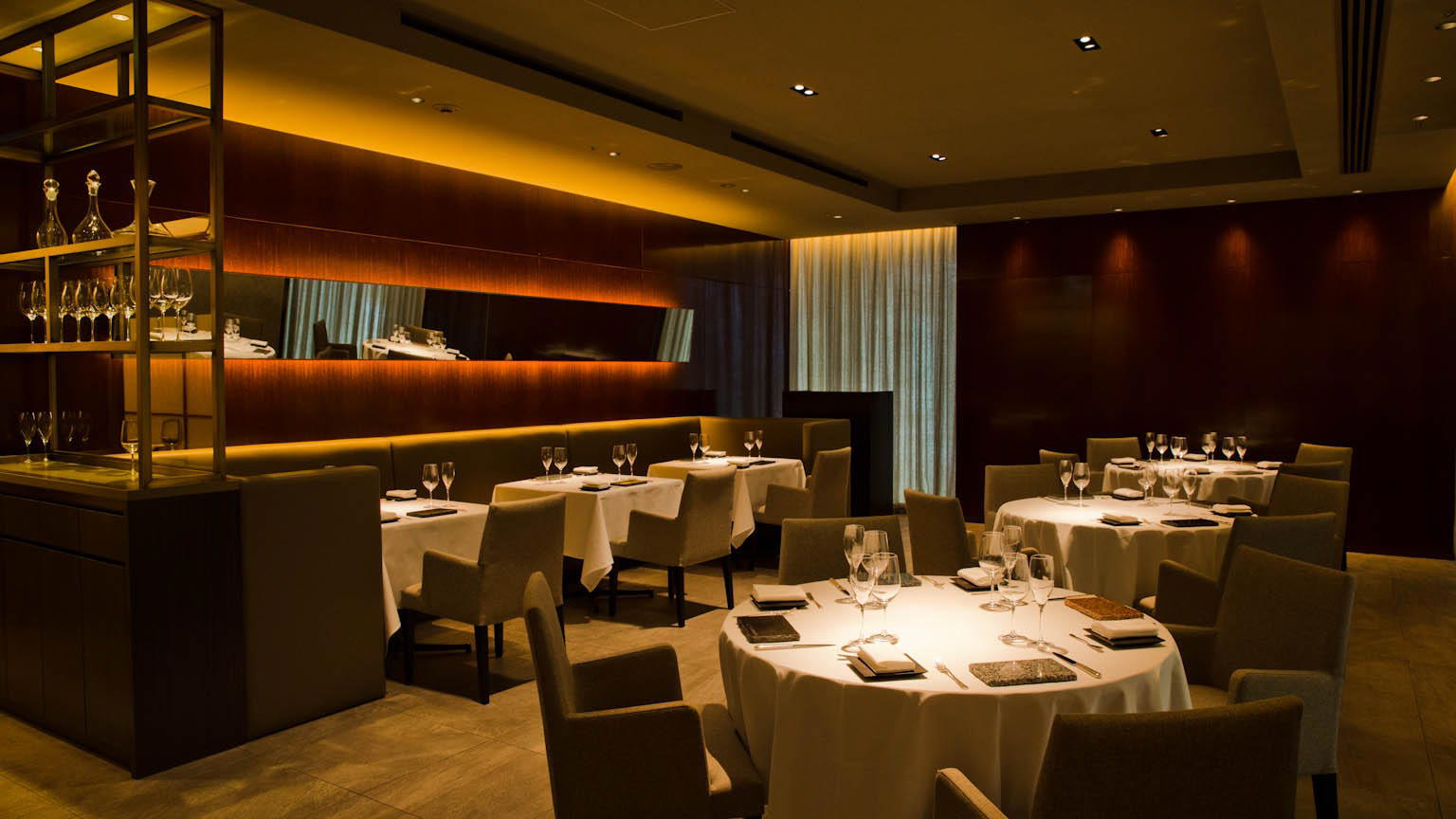
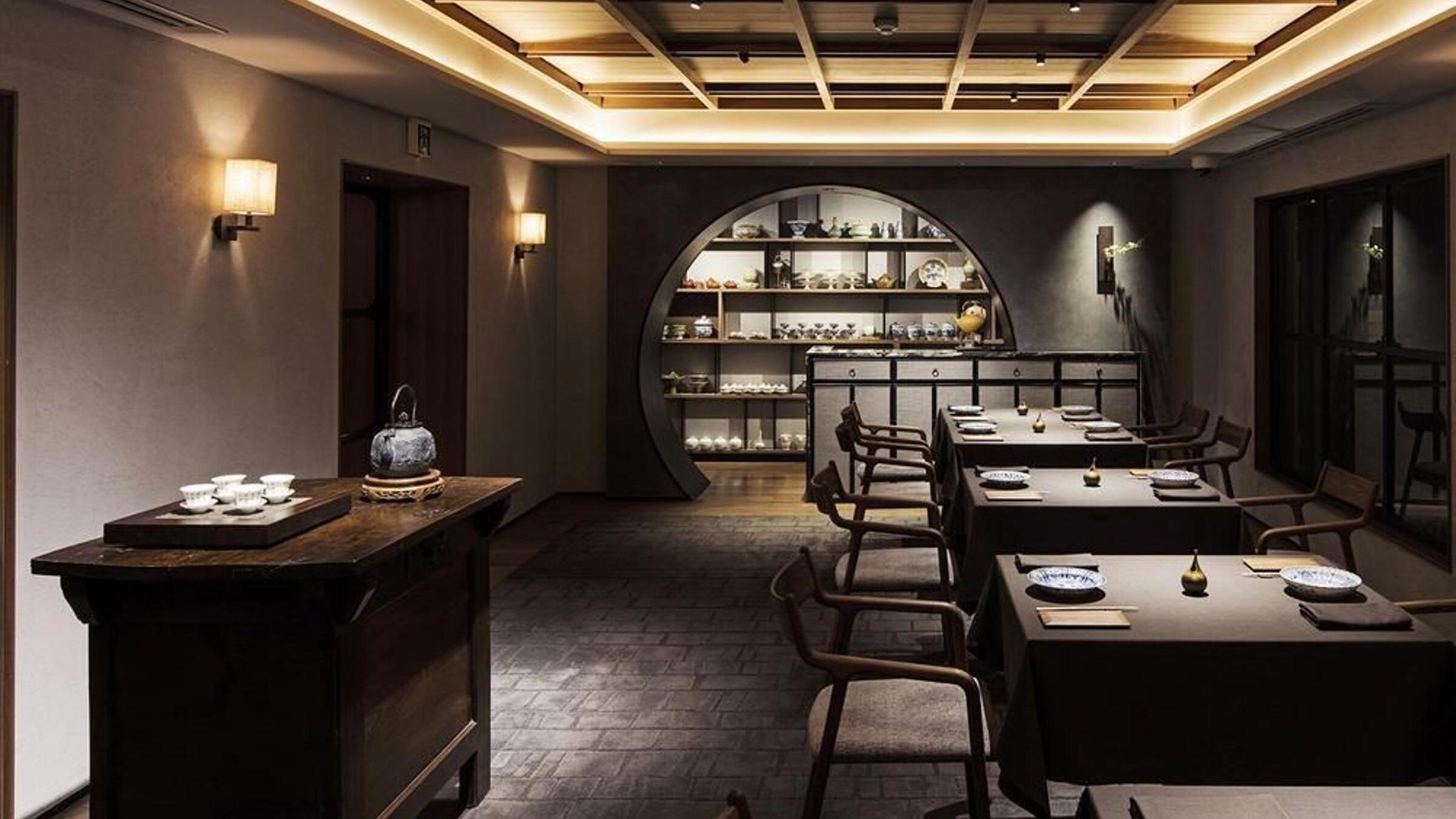
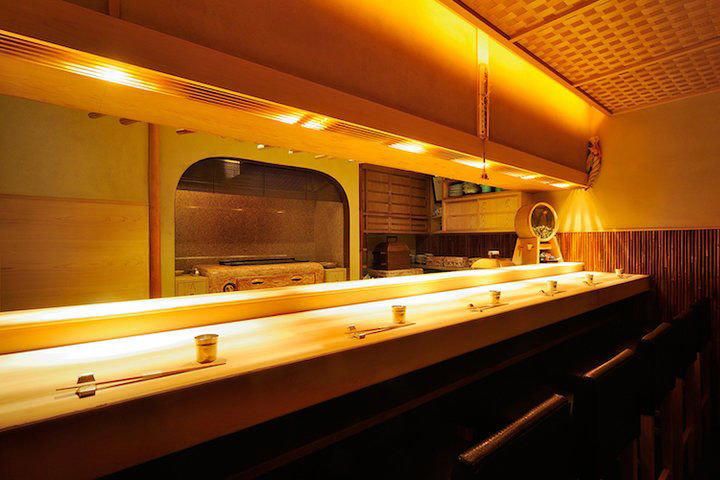
Bright, pastry-boutique style takeaway shop on the hotel’s basement floor, with neatly presented breads and cakes in cases and a calm, modern atmosphere suited to grabbing gifts or sweets rather than lingering.