

Silberstreif at Schindelbruch 1 in Südharz holds consecutive Michelin Plate recognition for 2024 and 2025, with a kitchen built around seasonal and foraged regional produce. The €€€€ price point places it in the upper tier of northern German regional dining, and its setting within a nature resort grounds the cooking in the landscape it sources from. The We're Smart team rated the plant-forward menu highly.
Pearl is the En Primeur Club membership app — saves, bookings, and concierge access live there. Same editors, same standards.
- Address
- Schindelbruch 1, 06536 Südharz, Germany
- Phone
- +49 34654 8081465
- Website
- silberstreif-restaurant.de
- Directions
- Get directions
 Saves & bookings on Pearl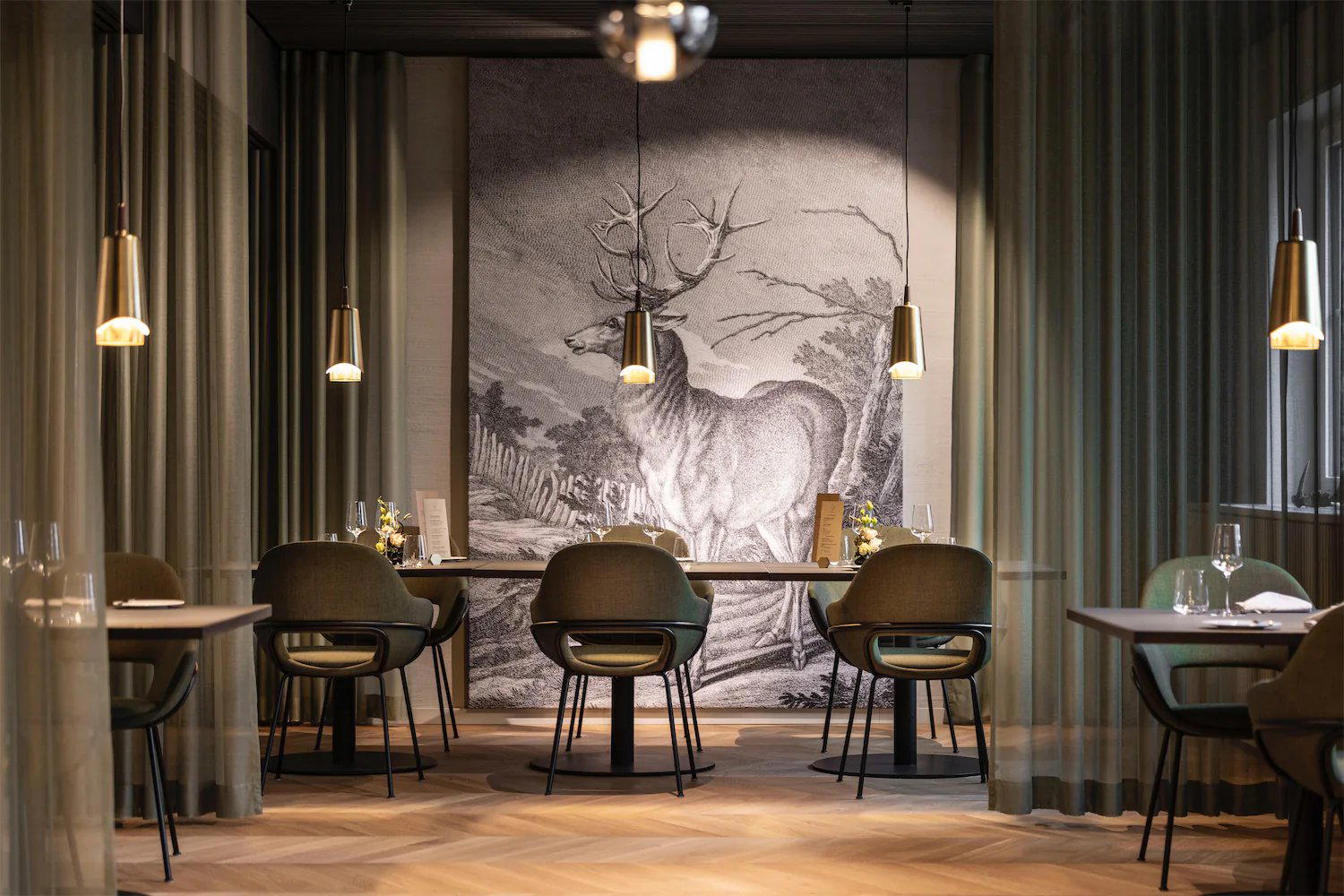
Where the Harz Forest Meets the Plate
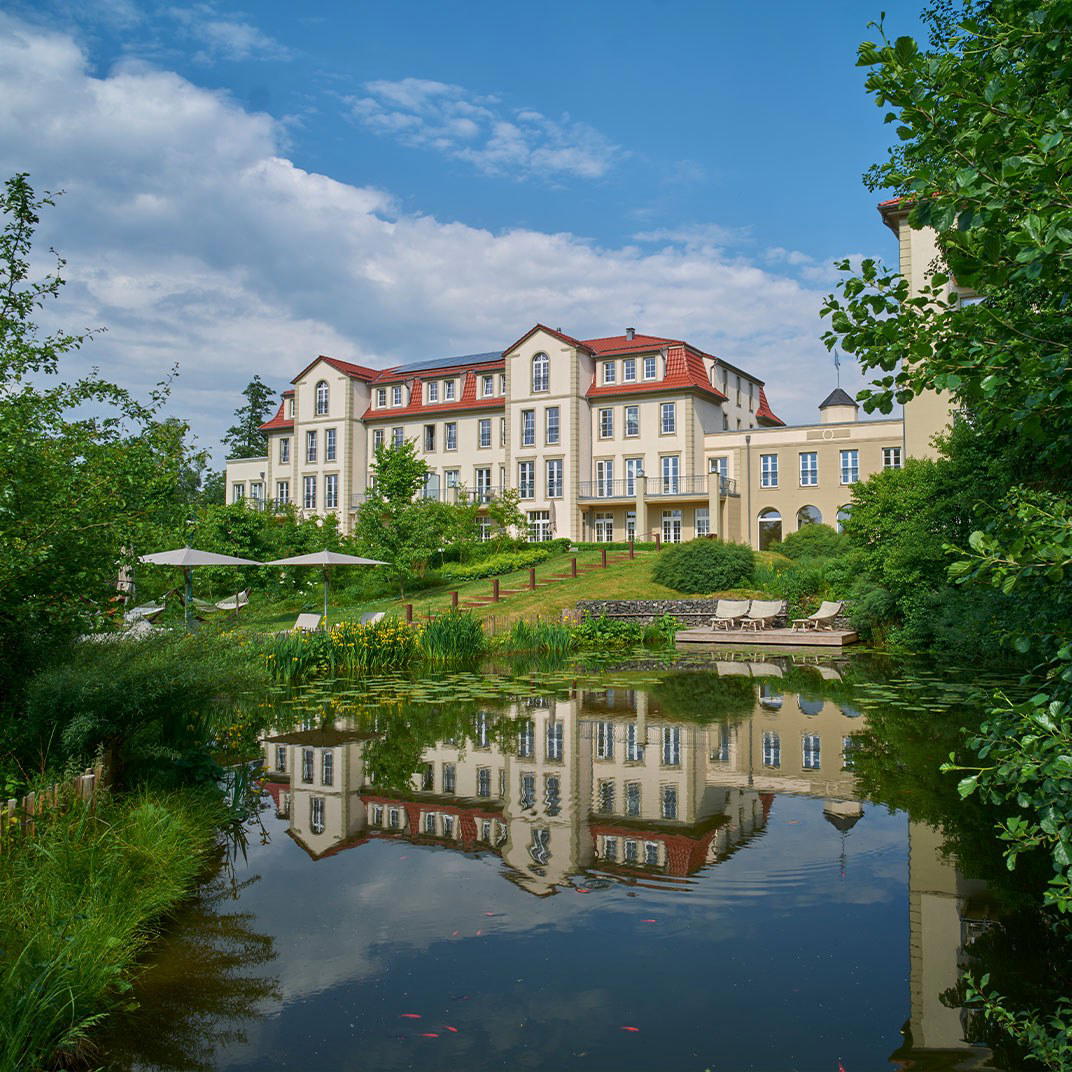
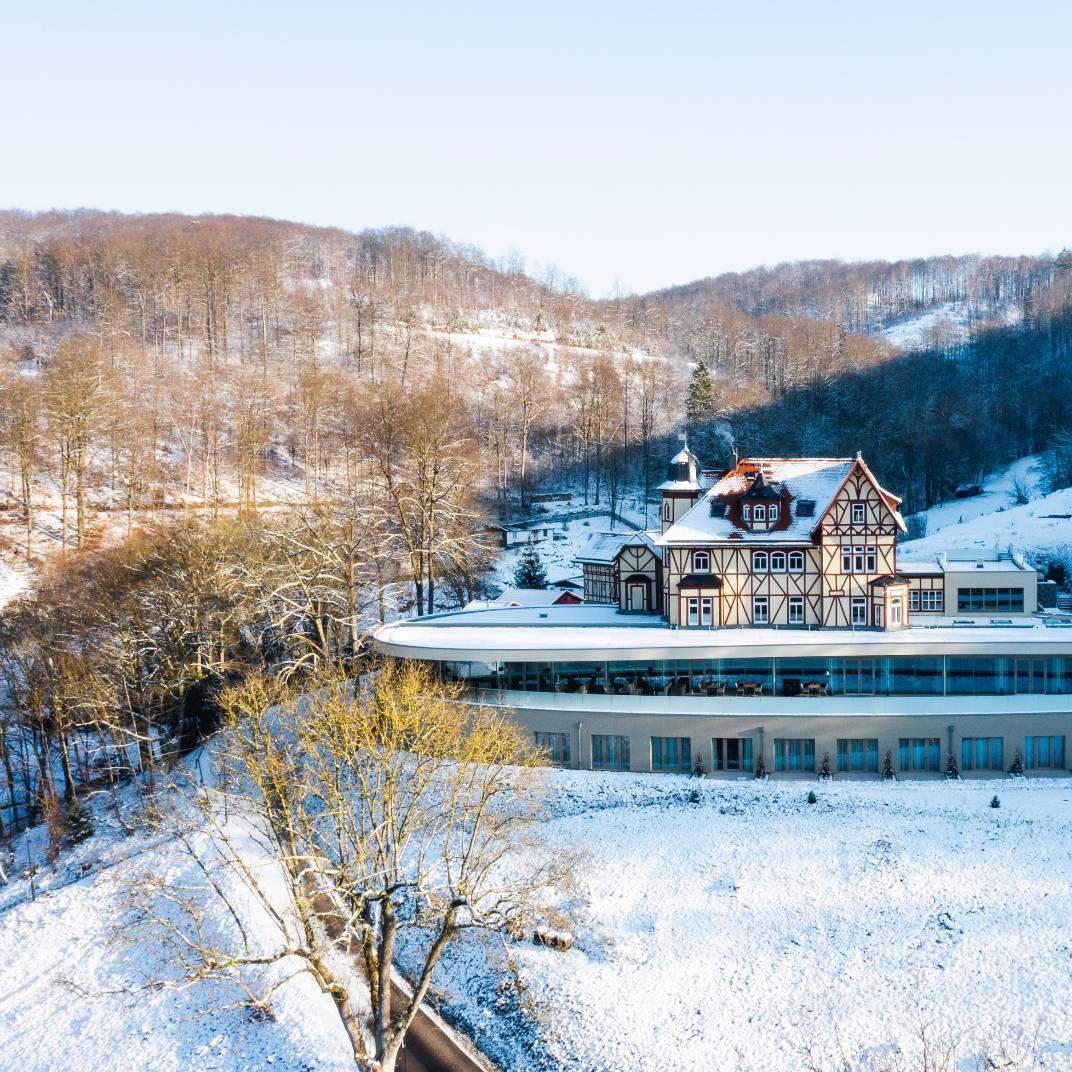
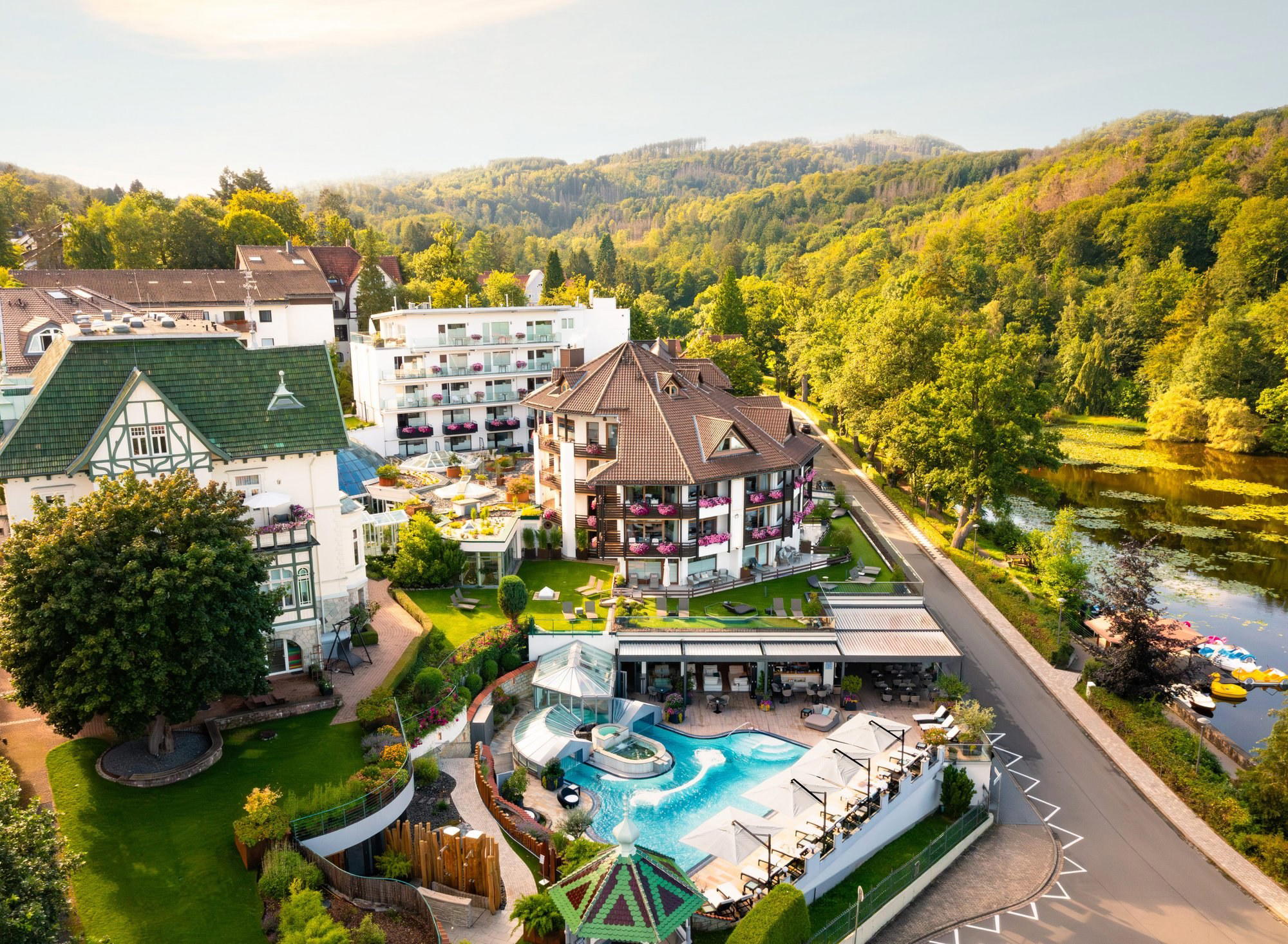
The road to Schindelbruch 1 drops you into a part of Germany that most fine-dining circuits overlook. Südharz sits in the southern reaches of the Harz range, a forested upland that defines the character of local cooking more directly than any culinary movement imported from the cities. Arriving at Silberstreif, within a nature resort that takes its ecological setting seriously, you feel the altitude and the pine before you reach the dining room. That physical relationship between terrain and table is not decorative here; it is the operating premise of the kitchen.
Germany's regional cuisine tradition has always been strongest where geography forces specificity. The Black Forest, the Moselle valley, the Allgäu: each produces cooking shaped by what grows, forages, or grazes nearby. The Harz occupies a quieter place in that canon, less internationally profiled than the southwest, but capable of producing ingredients with a particular intensity that comes from short seasons and high elevation. Silberstreif positions itself inside that tradition rather than against it.
The Logic of Foraging in Northern German Cooking
Across northern and central Germany, the leading regional kitchens have moved well beyond the decorative sprig of herbs. The shift has been toward ingredients that carry genuine functional weight: wild plants that alter the acidity of a dish, woodland greens that add bitterness as a structural element, and seasonal vegetables timed so precisely to harvest that the menu changes not by season but by week. This is the culinary tradition Silberstreif operates within.
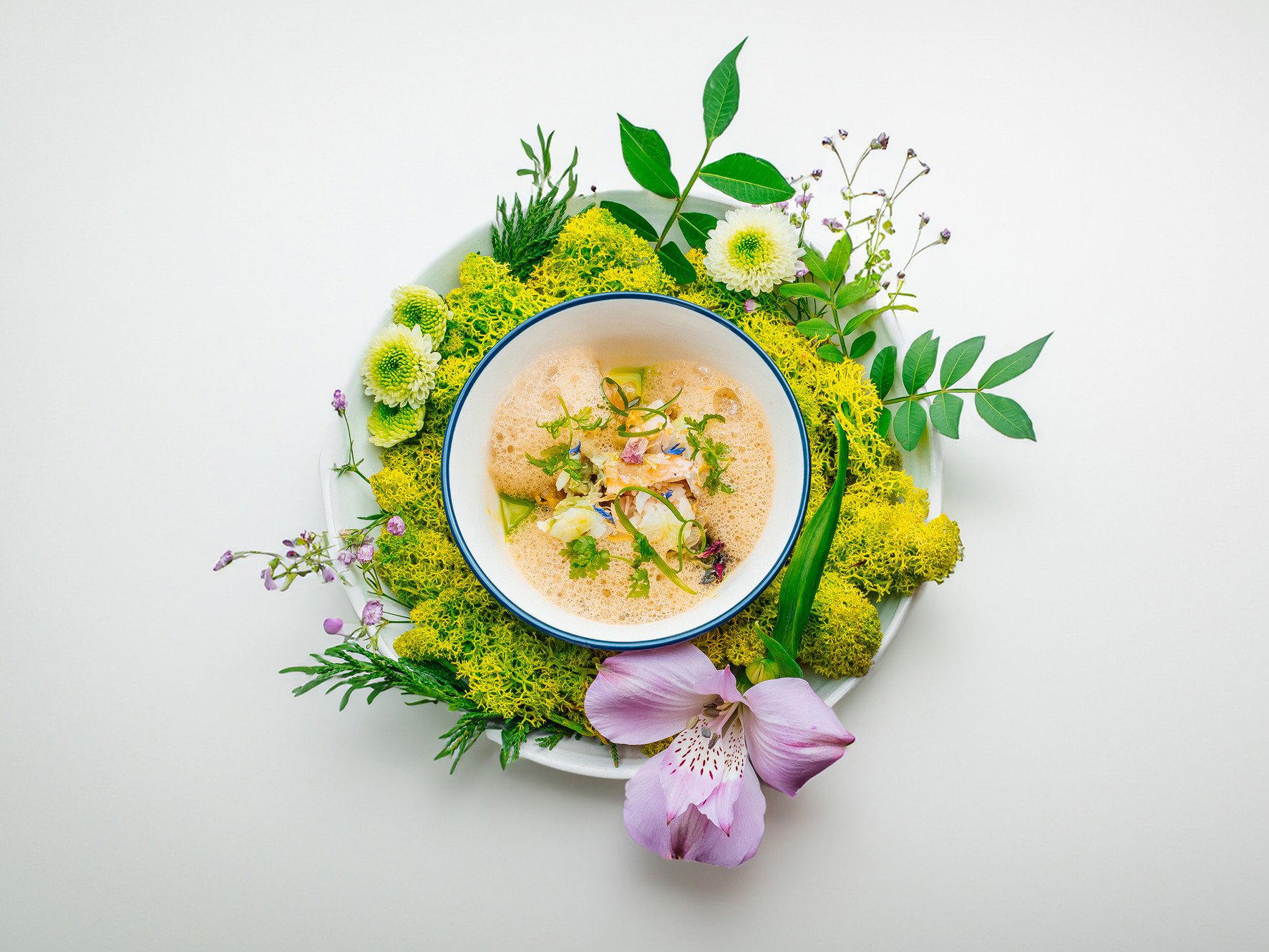
Chef Eric Jadischke has built his kitchen around that logic. His approach to seasonal vegetables and wild foraging, is not a marketing position but a working method. The plant component of the menu functions at a level beyond the typical nature-resort kitchen. Ingredients gathered close to the kitchen are treated with enough technical authority to justify the price tier.
The use of fresh herbs as both flavouring and nutritional element is a recurring theme in the kitchen. This places the kitchen within a broader European movement that treats herbs not as garnish but as ingredient, with chefs citing health properties alongside flavour rationale. In the Harz context, where wild herbs grow in density during the short summer months, this is less a philosophical position than a direct use of what the forest provides.
Michelin Recognition and Where Silberstreif Sits in German Fine Dining
Two consecutive Michelin Plate awards, in 2024 and 2025, confirm that Silberstreif operates at a level Michelin considers worth tracking. The Plate designation signals cooking that inspires quality in the guide's assessment without yet reaching starred territory. In the context of German fine dining, which runs from neighbourhood bistros to three-starred rooms like Aqua in Wolfsburg and Schwarzwaldstube in Baiersbronn, the Plate positions Silberstreif clearly: it is cooking with genuine ambition and consistent execution, operating at €€€€ pricing that aligns it with Germany's upper-mid fine dining tier rather than its casual regional restaurants.
For reference, the restaurants that occupy the starred end of German regional cuisine, from Vendôme in Bergisch Gladbach to Waldhotel Sonnora in Dreis and Schanz in Piesport, generally combine technical depth with a highly specific sense of place. Silberstreif's trajectory, consecutive Michelin recognition, a clearly defined ingredient philosophy, a nature-resort context that gives the kitchen direct access to its source material, maps onto the same pattern at an earlier stage. JAN in Munich, ES:SENZ in Grassau, and Restaurant Haerlin in Hamburg represent different points on that same German fine dining spectrum; Silberstreif occupies the regional-foraging end of it with some commitment.
Locally, 20zwanzig, the farm-to-table restaurant also in Südharz, represents a different take on the same source-driven premise at a different price point. The two restaurants together make Südharz a more coherent dining destination than its size would suggest. CODA Dessert Dining in Berlin and Victor's Fine Dining in Perl represent how far the German fine dining conversation extends in other directions; Silberstreif is not competing on those terms and is better for it.
The Nature Resort Context
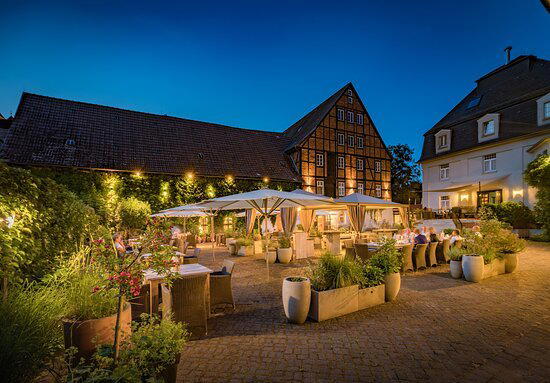
Restaurants embedded in nature resorts operate under a different set of pressures than standalone urban fine dining rooms. The expectation is coherence between the setting and the plate. At properties where the kitchen's ingredient sourcing is visible from the dining room, or where guests arrive having spent the day in the same forest the chef forages in, the cooking has to earn its place in that environment rather than simply decorate it. Silberstreif's documented kitchen practice, built around foraging and seasonal vegetables, makes the connection between resort and restaurant credible rather than cosmetic.
This is not a common thing to achieve at the €€€€ price tier. Many resort restaurants at this price point produce cooking that could sit anywhere, referencing global fine-dining conventions rather than the specific terrain outside. The We're Smart team's assessment of the plant menu suggests Silberstreif avoids that trap.
Planning a Visit
Silberstreif sits at Schindelbruch 1, 06536 Südharz, within a nature resort in the southern Harz uplands. At €€€€ pricing, booking ahead is essential; the restaurant opens Wednesday through Saturday from 6 PM to 12 AM.
Price Lens
Comparable venues nearby, for context on price, style, and recognition.
| Venue | Cuisine | Price | Awards | Notes |
|---|---|---|---|---|
| SilberstreifThis venue — the venue you are viewing | Regional Cuisine | $$$$ | Michelin Plate | Not listed |
| 20zwanzig | Südharz, Contemporary Seasonal German | $$$ | Michelin Plate | Not listed |
| Hotel & Spa Suiten FreiWerk | Not listed | $$$ | Not listed | Südharz / Stolberg, Regional German Cuisine |
| AnnA | Downtown, Modern German Regional | $$$ | Michelin Plate | Not listed |
| Gasthaus Lege | Thönse, Classic German Fine Dining | $$$$ | Michelin Plate | Not listed |
| Weinstube am Brühl | Quedlinburg, Seasonal German Fine Dining | $$$ | Michelin Plate | Not listed |
Recognition history
Dated appearances from independent guides and award organizations, with the underlying list record or original source where available.
Michelin Plate
Michelin · 2026 Michelin Plate
Michelin Plate
Michelin
We're Smart World 4 Radishes
We're Smart World
Michelin Plate
Michelin
At a Glance
- Elegant
- Cozy
- Scenic
- Rustic
- Intimate
- Sophisticated
- Special Occasion
- Date Night
- Hotel Restaurant
- Open Kitchen
- Extensive Wine List
- Local Sourcing
- Farm To Table
- Mountain
- Garden
Current opening hours
- Monday
- Closed
- Tuesday
- Closed
- Wednesday
- 6 PM–12 AM
- Thursday
- 6 PM–12 AM
- Friday
- 6 PM–12 AM
- Saturday
- 6 PM–12 AM
- Sunday
- Closed
Hours can change for holidays and private events. Last verified .
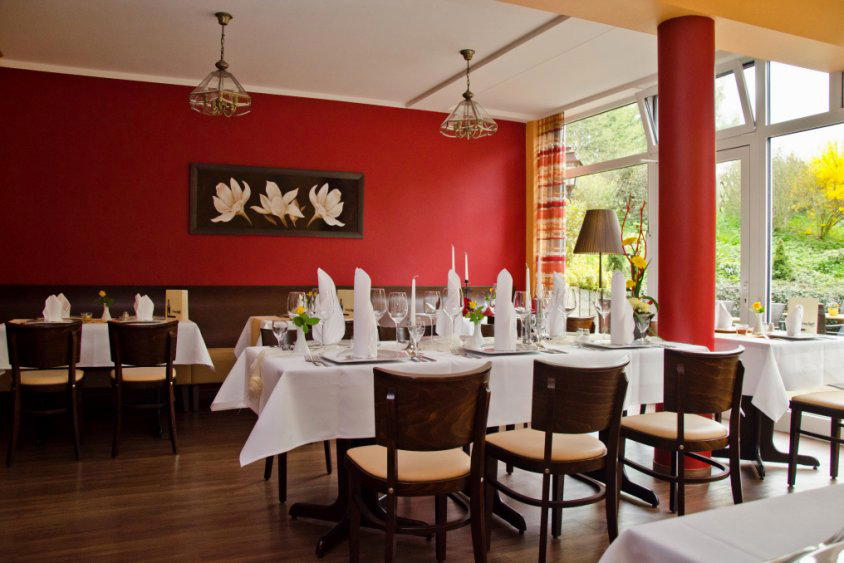
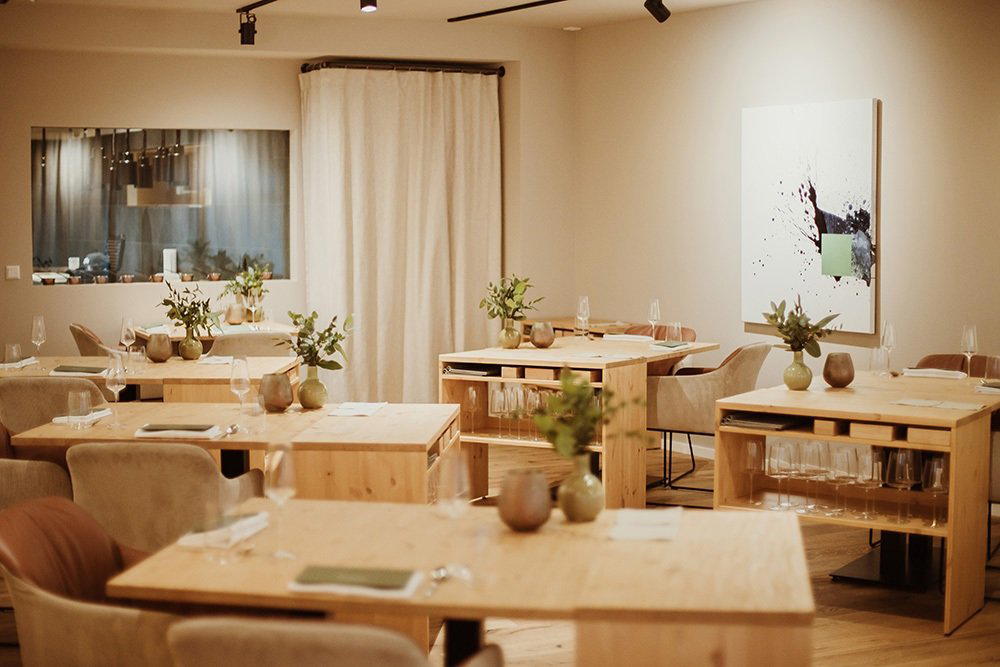
Modern environment with friendly and attentive service, emphasizing a close connection to nature through seasonal, regional ingredients and artistic tableware.