Subbotnik occupies a corner of Leipzig's Könneritzstraße that has quietly become one of the city's more interesting drinking addresses. The name references the Soviet tradition of voluntary communal labor — a signal about the bar's cultural orientation before you've even ordered. It sits within a wider west Leipzig bar scene that rewards visitors who look past the obvious.

Pearl is the En Primeur Club membership app — saves, bookings, and concierge access live there. Same editors, same standards.
- Address
- Könneritzstraße 32, 04229 Leipzig, Germany
- Phone
- +49 341 97575551
- Hours
- Daily 6 PM–2 AM
- Website
- sbbtnk.de
- Directions
- Get directions
- Booking
- Book on the venue's website
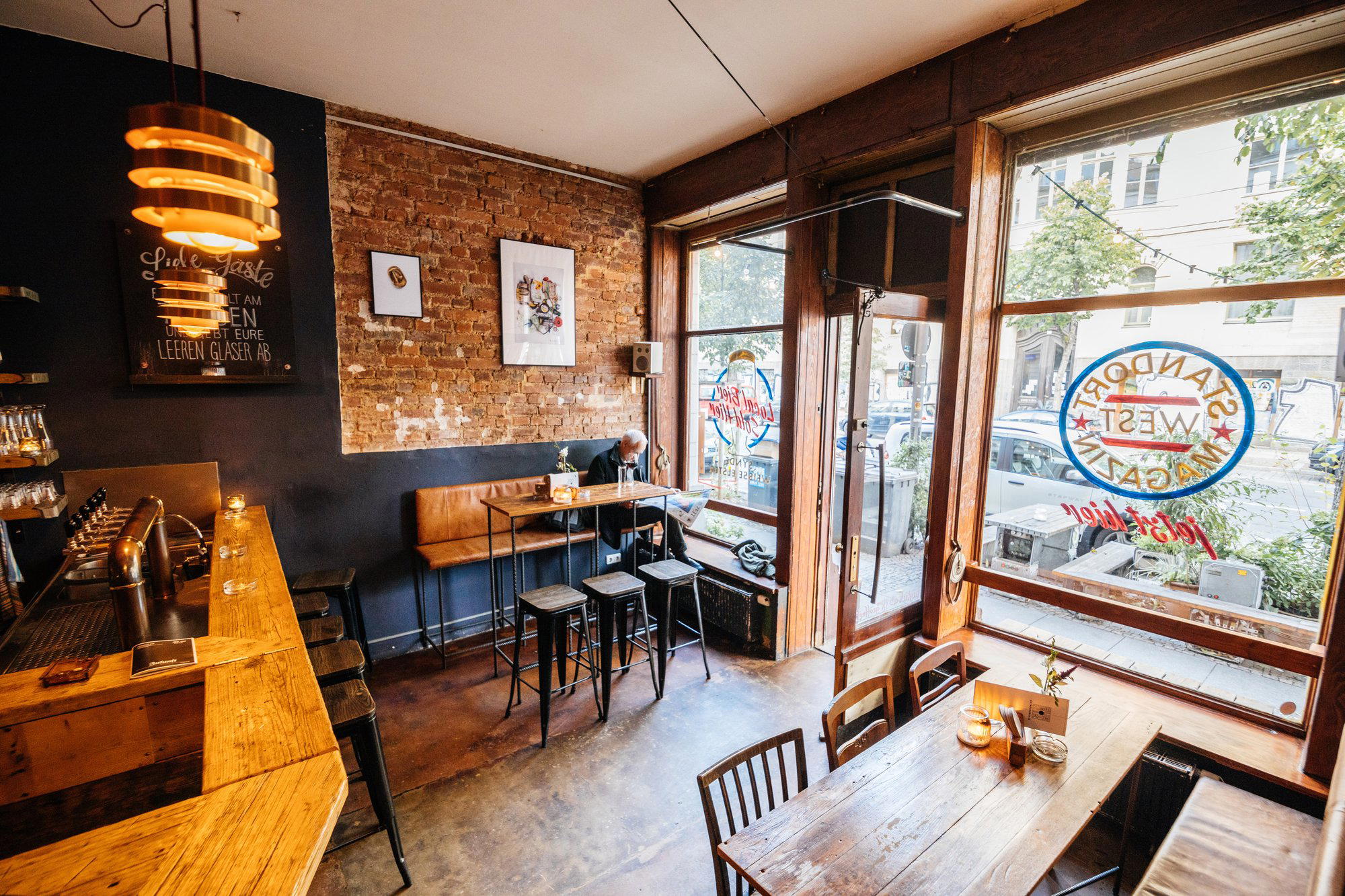
West Leipzig's Bar Culture and Where Subbotnik Fits
Leipzig's bar scene has developed along two distinct axes over the past decade. The city center and Plagwitz attract the visible, photogenic end of the market, while a quieter, more local-facing circuit runs through the streets west of the Elster. Könneritzstraße sits inside that second axis. It is a working street rather than a destination strip, and bars that open here tend to draw regulars rather than tourists checking off lists. Subbotnik, at number 32, operates within that context: a neighborhood bar with a specific cultural disposition that has earned it a loyal following without needing to perform for a wider audience.
The name is not decorative. Subbotnik derives from the Soviet-era practice of unpaid communal Saturday labor, a tradition rooted in post-revolutionary idealism about collective effort. For a bar in Leipzig — a city whose modern identity is inseparable from its East German past and the civic energy of 1989 — the reference carries weight. It positions the bar inside a particular strand of local cultural memory without being nostalgic or ironic about it. This is the kind of place where the name functions as a statement of intent.
Reading the Room on Könneritzstraße
Bars that occupy residential side streets in German cities tend to fall into predictable categories: the corner Kneipe with its fixed regulars and zero ambition to change, or the carefully branded concept bar that happens to be on a quiet street. Subbotnik occupies a more considered middle ground. The address itself, at the edge of the Schleunig district, connects it geographically to bars like edelrausch Leipzig-Schleußig, which has built a following in the same general arc of the city. That cluster matters: it suggests a drinking culture in west Leipzig that is developing its own coherent character rather than simply mirroring what happens in Plagwitz or the Südvorstadt.
The physical approach to the bar matters in establishing expectations. Streets like Könneritzstraße do not offer the commercial density of Karl-Liebknecht-Straße or the design energy of the Plagwitz galleries. What they offer instead is proportion: low buildings, unhurried foot traffic, and a sense that whatever is behind a given door is there because someone chose that spot for a reason. That quiet legibility is part of what defines the bar experience before the first drink arrives.
The Cultural Frame Behind the Bar
Leipzig has a particular relationship to the idea of collective social space. The city's tradition of civic gathering, from its Gewandhaus concert culture to the Monday demonstrations of 1989, has always involved people assembling around a shared purpose rather than a shared consumer identity. The leading bars in the city carry that tradition in how they are run, even when it is never made explicit. A bar named after communal Saturday labor is making a point about that inheritance.
Across Germany, the most interesting independent bars in second cities have tended to resist the template-led approach that dominates in Berlin or Hamburg. Places like Buck & Breck in Berlin or Le Lion Bar de Paris in Hamburg operate at a level of international recognition that pulls them into a different competitive set. The Leipzig equivalent is a bar that serves its neighborhood first and earns wider recognition through consistency rather than exposure. Subbotnik's position on Könneritzstraße aligns it with that model.
Within Leipzig itself, the bar sits alongside a cohort of venues that approach drinking culture with similar seriousness. Espresso Zack Zack addresses the coffee-to-cocktail continuum at the sharper end of the market. Industriestraße 18 occupies a different format altogether. Kune has developed its own distinct identity in the city's bar taxonomy. None of these are interchangeable, which is itself the point: Leipzig's independent bar scene has matured beyond the phase where every new opening copies the last successful template.
What to Drink, and How to Think About It
What the cultural framing does suggest is that a bar with this name and this address is unlikely to be running a formula-led cocktail list. Bars in Leipzig that have developed genuine local followings in the past several years have generally done so through a combination of focused drink programming and consistent hospitality rather than seasonal menu theatrics.
Germany's independent bar scene has shown increasing interest in Central and Eastern European spirits and fermented drinks over the past five years, a trend that aligns naturally with a bar drawing on Soviet-era cultural references. That context is worth holding in mind when approaching the drinks list, though the specifics require a visit to verify.
Planning a Visit
Subbotnik is located at Könneritzstraße 32, in the western part of Leipzig, accessible from the city center by tram along the main Plagwitz corridor. It is the kind of address that rewards combining with other venues in the same arc of the city rather than treating as a standalone destination. Pairing it with edelrausch Leipzig-Schleußig makes geographic sense and gives a useful read on the range of the local scene. Phone and website details are not currently listed.
For visitors building a broader Leipzig itinerary, the full Leipzig restaurants guide covers the city's dining and drinking options with the same depth. Comparisons with bar programs in other German cities, Goldene Bar in Munich, The Parlour in Frankfurt on the Main, Bar Trattoria Celentano in Cologne, or Uerige in Dusseldorf, help calibrate what distinguishes the Leipzig scene from its German peers. For international reference, Bar Leather Apron in Honolulu represents a useful data point on how neighborhood-anchored bar culture translates across very different urban contexts.
Budget Reality Check
Comparable venues nearby, for context on price, style, and recognition.
| Venue | Cuisine | Price | Awards | Notes |
|---|---|---|---|---|
| SubbotnikThis venue — the venue you are viewing | Schleußig, pub | Not listed | Not listed | Not listed |
| edelrausch Leipzig-Schleußig | Not listed | Not listed | Not listed | Schleußig, wine_bar |
| Liqwe | Not listed | Not listed | Falstaff Bar - 91 Falstaff Points | Plagwitz, cocktail_bar |
| Schreberbad | Zentrum-West, Bar | Not listed | Not listed | Not listed |
| Kune | Not listed | $10–20 | Not listed | Volkmarsdorf, cocktail_bar |
| Industriestraße 18 | Schleußig, lounge | Not listed | Not listed | Not listed |
Continue exploring
More in Leipzig
Bars in Leipzig
Browse all →
Restaurants in Leipzig
Browse all →
Hotels in Leipzig
Browse all →

Details
- Cozy
- Casual Hangout
- Gin
- Whiskey
Current opening hours
- Monday
- 6 PM–2 AM
- Tuesday
- 6 PM–2 AM
- Wednesday
- 6 PM–2 AM
- Thursday
- 6 PM–2 AM
- Friday
- 6 PM–2 AM
- Saturday
- 6 PM–2 AM
- Sunday
- 6 PM–2 AM
Hours can change for holidays and private events. Last verified .
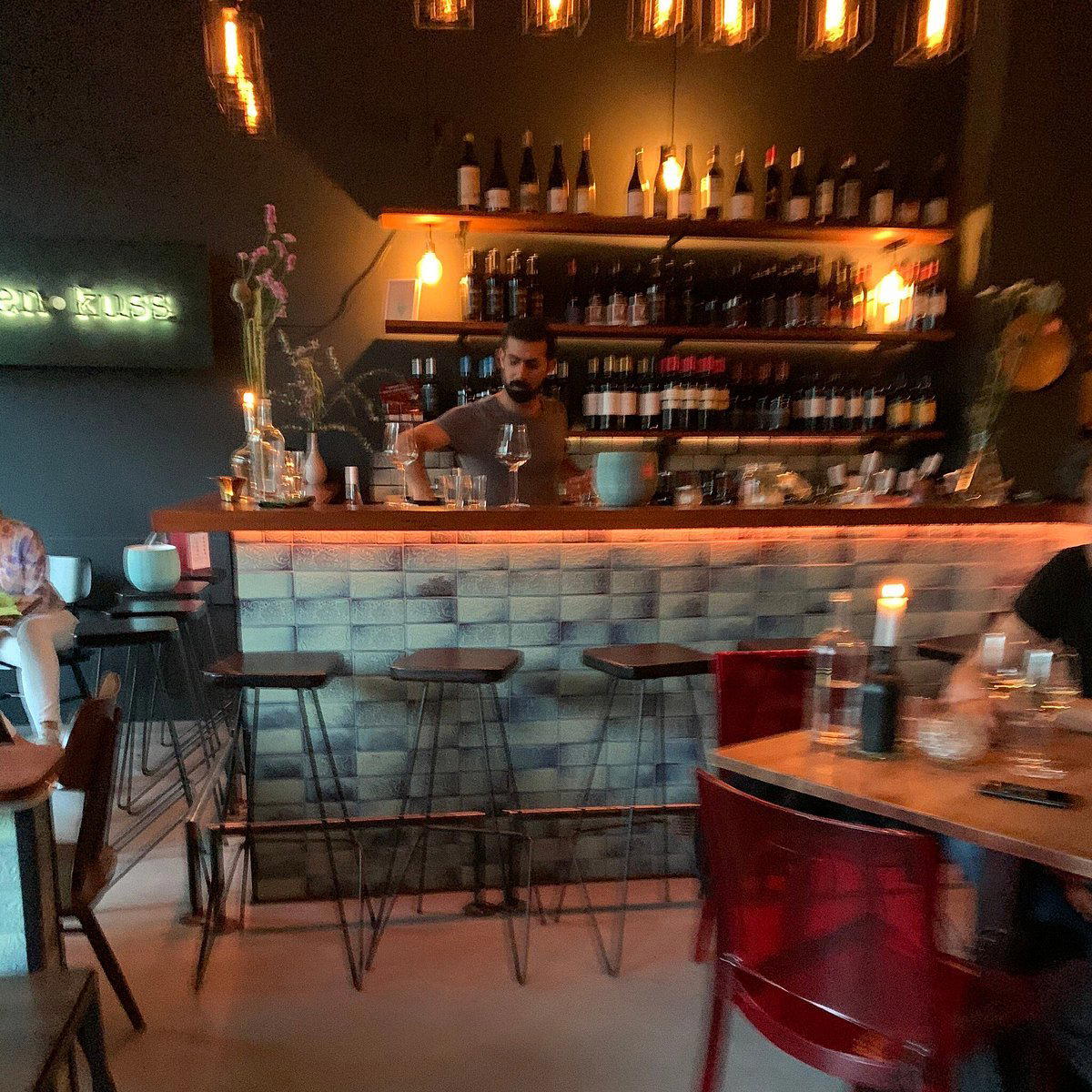
Cozy atmosphere with welcoming feel.