
Carrying a 2025 Michelin Selected distinction, Naturresort & Spa Schindelbruch occupies a forested corner of the Südharz, where the emphasis falls on landscape immersion and spa-led recovery rather than urban amenity. The property sits within a tier of German nature resorts that compete on setting and wellness depth rather than city-centre convenience, making it a reference point for anyone planning a restorative stay in central Germany.
Pearl is the En Primeur Club membership app — saves, bookings, and concierge access live there. Same editors, same standards.
- Address
- Schindelbruch 1, 06536 Südharz, Germany
- Phone
- +49 34654 8080
- Website
- schindelbruch.de
- Directions
- Get directions
 Saves & bookings on Pearl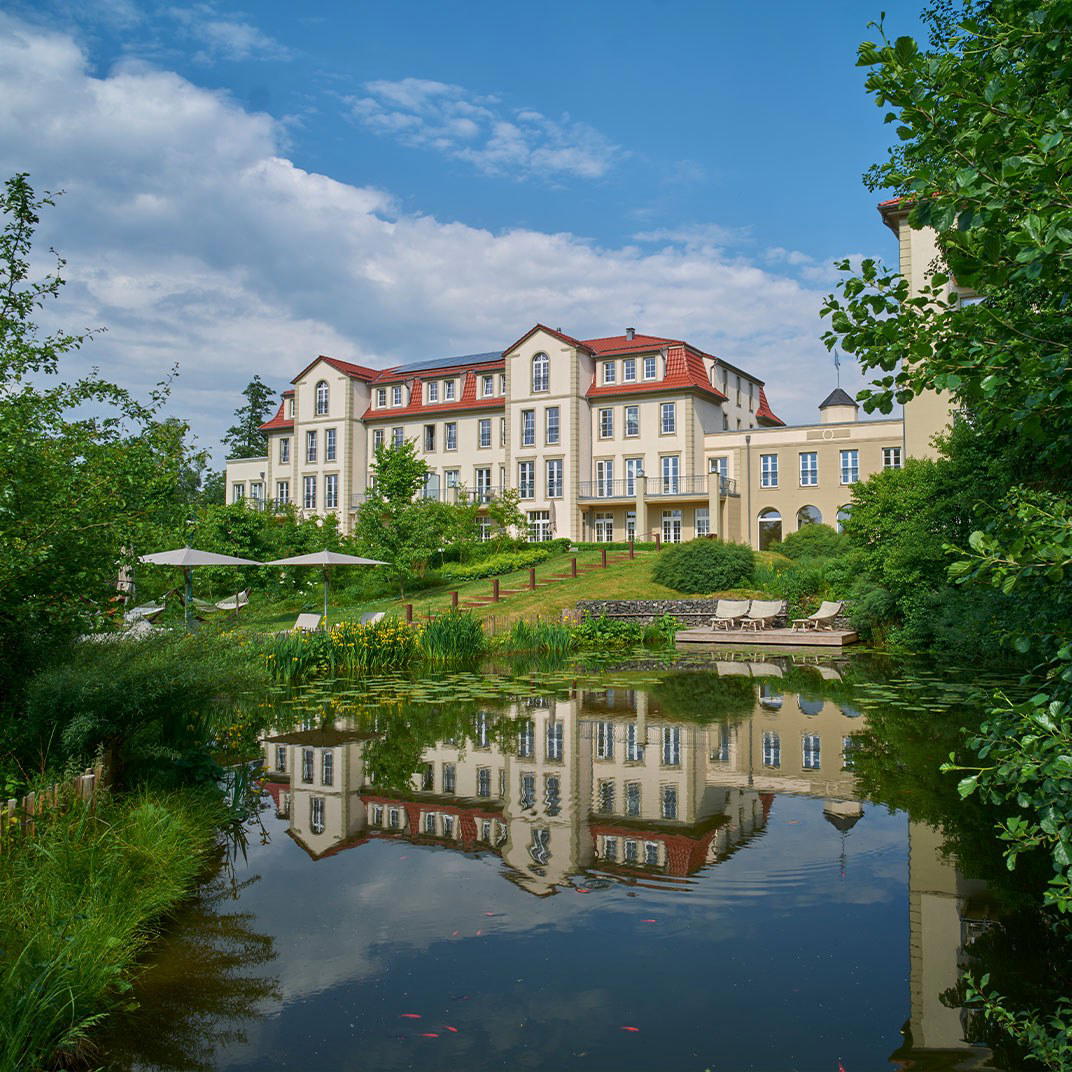
Forest First: What the Südharz Setting Actually Means
The Harz mountain range sits at the geographic centre of Germany, and its southern edge, the Südharz, has historically drawn less attention than the more-marketed Bavarian Alps or the spa towns of Baden-Baden. That relative quietness is part of the calculus for travellers who arrive at Naturresort & Spa Schindelbruch. The address, Schindelbruch 1, places the property at Schindelbruch 1, 06536 Südharz, Germany. This is not incidental to the property's identity; it defines the tier it occupies within German nature-resort hospitality.
Among Germany's selected hotels, a meaningful subset have built their case around proximity to natural environments rather than architectural spectacle or urban access. Schindelbruch belongs to that group. Where hotels like the Fairmont Hotel Vier Jahreszeiten in Hamburg or the Sofitel Frankfurt Opera in Frankfurt trade on city-centre position and grand civic architecture, the Schindelbruch proposition is the inverse: distance from the city is the amenity, not the compromise.
Architecture in a Forest Register
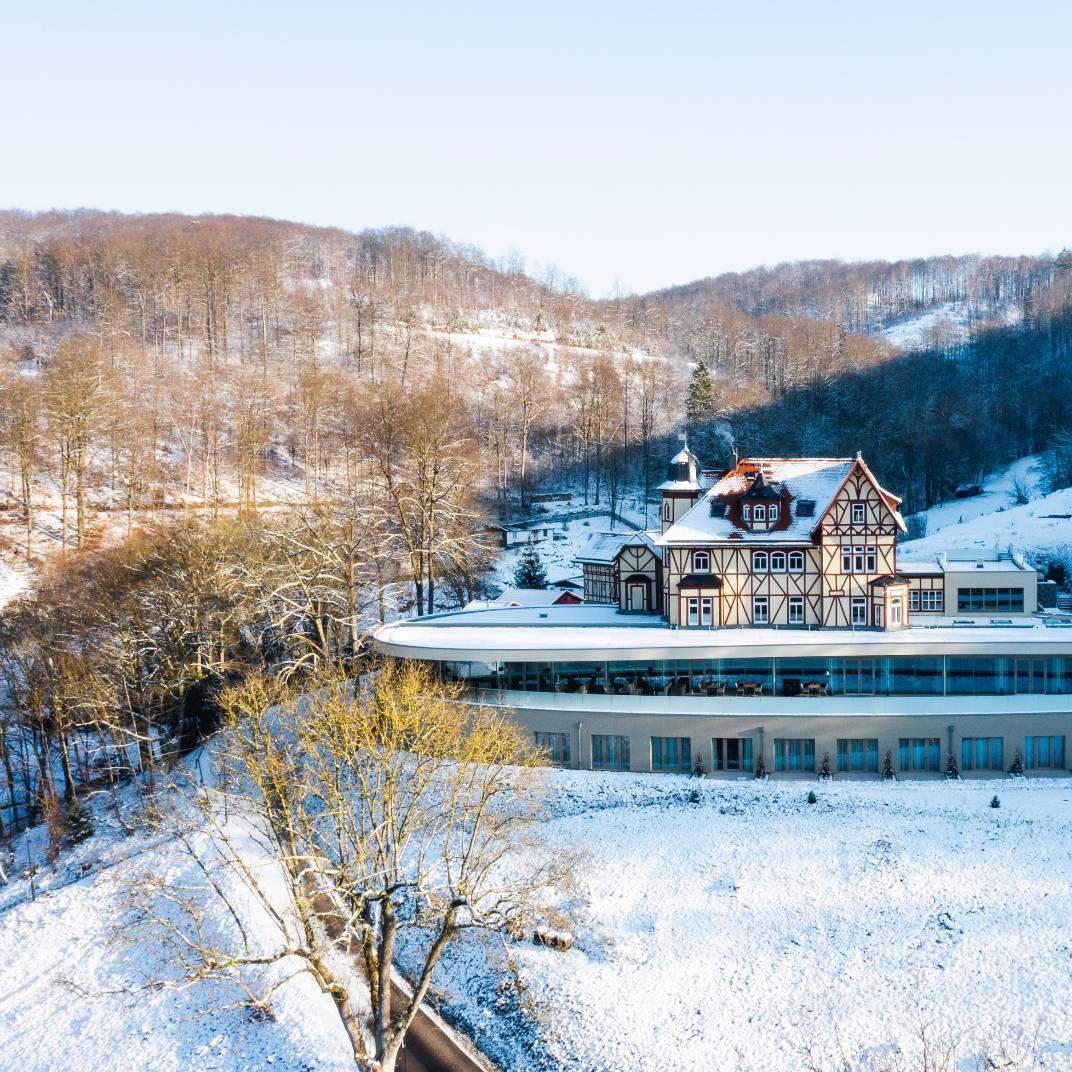
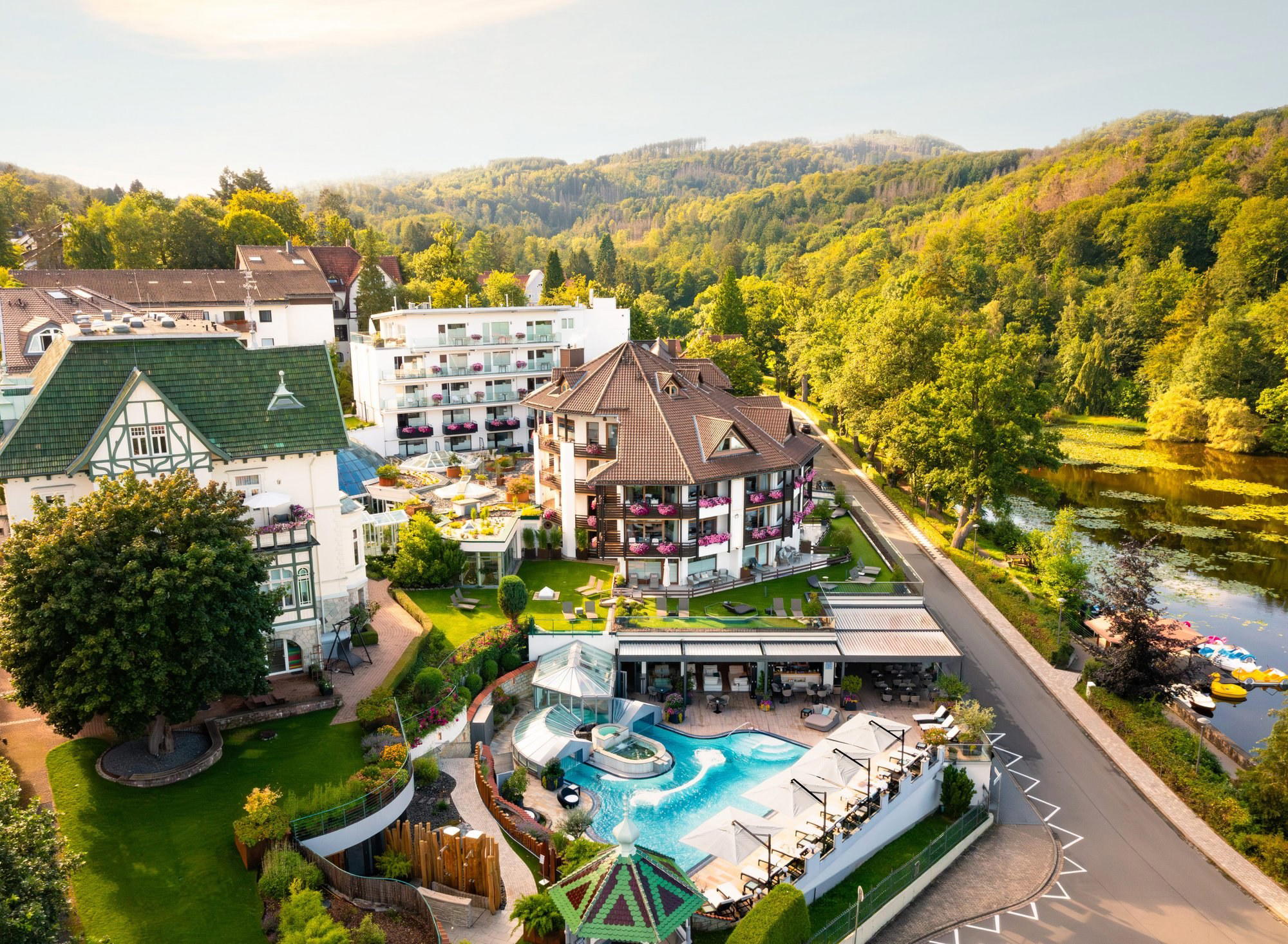
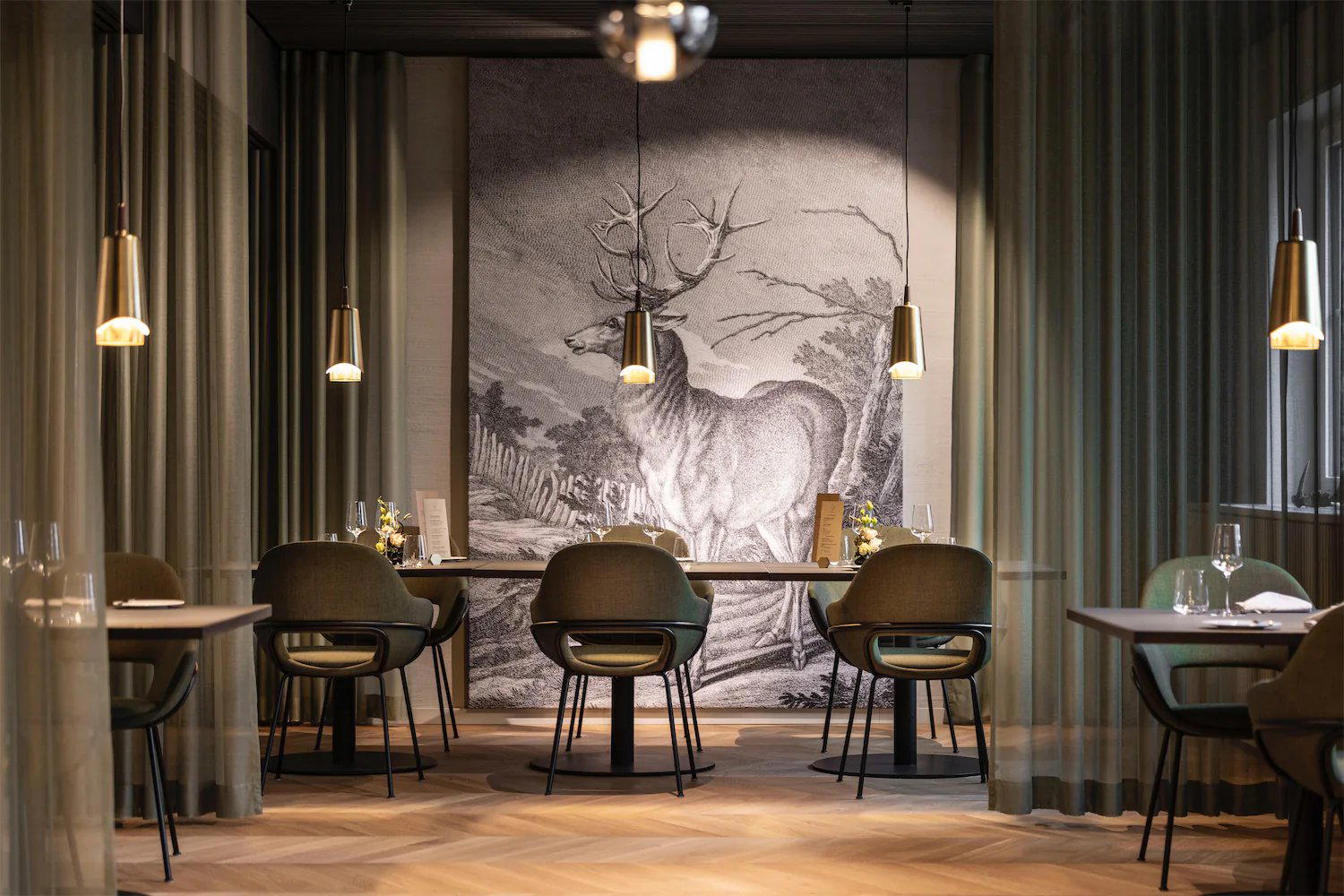
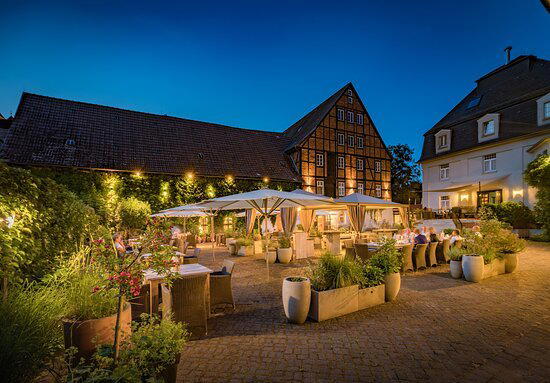
The design logic of nature resorts in central European forested zones tends toward one of two approaches: a rustic vernacular that mimics traditional timber construction, or a more contemporary low-profile language that lets the forest read as the dominant visual. Properties that blend these modes, using local materials and pitched rooflines without leaning into cliché Alpine pastiche, occupy a credible middle ground.
This contrasts with the grand Alpine hotel idiom found at properties like Schloss Elmau Luxury Spa Retreat & Cultural Hideaway in Elmau or the Gut Steinbach Hotel Chalets & Spa in Reit im Winkl, where heritage scale and mountain drama set the visual register. In the Harz, the architecture works at a different proportion, lower, more embedded, calibrated to a range of spruce forest and moorland rather than dramatic peaks.
The Wellness Tier in German Nature Hospitality
Germany's wellness-resort sector has stratified considerably over the past decade. At one end sit urban spa hotels attached to city properties, a format represented by places like the Breidenbacher Hof in Düsseldorf or the Excelsior Hotel Ernst in Cologne. At the other end, pure nature-retreat properties treat the spa as the primary draw and the surrounding environment as an extension of the wellness program. Schindelbruch sits in that second category, where the spa designation in the property name signals genuine programmatic depth rather than an add-on amenity pool.
The comparison set for this kind of property includes the Das Kranzbach Hotel & Wellness Retreat in Kranzbach and Luisenhöhe in Horben, both of which have built reputations around forested settings and serious wellness programming. What distinguishes the Südharz as a location is its accessibility from a wide band of central German cities, Hannover, Göttingen, Erfurt, and Halle are all within reasonable driving distance, which makes Schindelbruch a viable option for shorter restorative stays as well as longer retreats, without requiring a flight.
For coastal wellness alternatives in the German-speaking region, properties like Seesteg Norderney on Norderney or Söl'ring Hof in Sylt offer a North Sea register that is categorically different in atmosphere, open, wind-exposed, salt-air, versus the enclosed, forest-canopied quality of the Harz. Neither is superior; they address different recovery needs and seasonal preferences.
Placing Schindelbruch in the Michelin Selected Field
Within that field, Schindelbruch's positioning as a nature and spa resort in a secondary German destination (relative to Bavaria or the Rhine corridor) makes it a reference point for a specific travel decision: a guest prioritising forest environment and wellness infrastructure over urban access or grand hotel ceremony.
Other Michelin Selected properties in forested or rural German settings include the Spa & Golf Hotel Weimarer Land in Blankenhain and the Seezeitlodge Hotel & Spa in Gonnesweiler, both of which share the nature-anchored spa format. The Schindelbruch property is distinguished by its Harz location specifically, a region with its own ecological character, the Brocken plateau, mixed spruce and beech forest, and a notably cooler microclimate relative to lowland Germany, that shapes the guest experience in measurable ways.
Planning a Stay: What to Know
The Südharz is most accessible by car; the nearest major rail connection is Nordhausen, which sits on regional rail lines from Erfurt and Göttingen. Guests arriving from Berlin, approximately 250 kilometres to the northeast, typically drive or connect via Halle or Erfurt. The property address at Schindelbruch 1 is specific enough to navigate to directly. For travellers considering this as part of a broader central Germany itinerary, the Telegraphenamt in Berlin or Villa Contessa in Bad Saarow offer urban bookends to a Harz stay without extending the geographic arc too far. For those coming from further afield and combining German properties, the Althoff Seehotel Überfahrt in Rottach-Egern and Weissenhaus Private Nature Luxury Resort represent the northern and southern poles of Germany's nature-luxury offer, with Schindelbruch providing the central Harz alternative. Booking direct through the property is advisable for season-specific programming; the Harz has distinct seasonal rhythms, with late autumn and early winter bringing the quiet, low-light atmosphere that suits the forest-immersion proposition most directly.
Comparable Venues
Comparable venues nearby, for context on price, style, and recognition.
| Venue | Cuisine | Price | Awards | Notes |
|---|---|---|---|---|
| Naturresort & Spa SchindelbruchThis venue — the venue you are viewing | Wellness-focused luxury resort built on old hunting lodge foundations in biosphere reserve | $$$$ | 4-Star | Not listed |
| Schloss Reinach | Historic chateau manor with modern luxury renovations | $$$$ | 4-Star | Munzingen |
| SYTE Mannheim | Boutique design hotel in a historic sandstone building | $$$ | 4-Star | Schwetzingerstadt |
| Speicher 7 | Industrial chic design hotel in renovated 1950s grain silo | $$$ | 4-Star | HafenCity |
| Hotel & Spa Suiten FreiWerk | Contemporary luxury retreat blending historic villa architecture with modern spa amenities in a mountain setting. | $$$$ | 4-Star | Stolberg |
| AMERON Hamburg Speicherstadt | Mid-century modern in historic warehouse building | $$$ | 4-Star | Speicherstadt |
Recognition history
Dated appearances from independent guides and award organizations, with the underlying list record or original source where available.
Michelin Selected
Michelin
At a Glance
- Quiet
- Scenic
- Elegant
- Sophisticated
- Modern
- Cozy
- Wellness Retreat
- Romantic Getaway
- Weekend Escape
- Anniversary
- Destination Spa
- Garden
- Terrace
- Panoramic View
- Pool
- Spa
- Fitness Center
- Restaurant
- Sauna
- Outdoor Pool
- Parking
- Mountain
- Garden
- Pool
- Spa
- Fitness Center
- Restaurant
- Sauna
- Outdoor Pool
- Parking
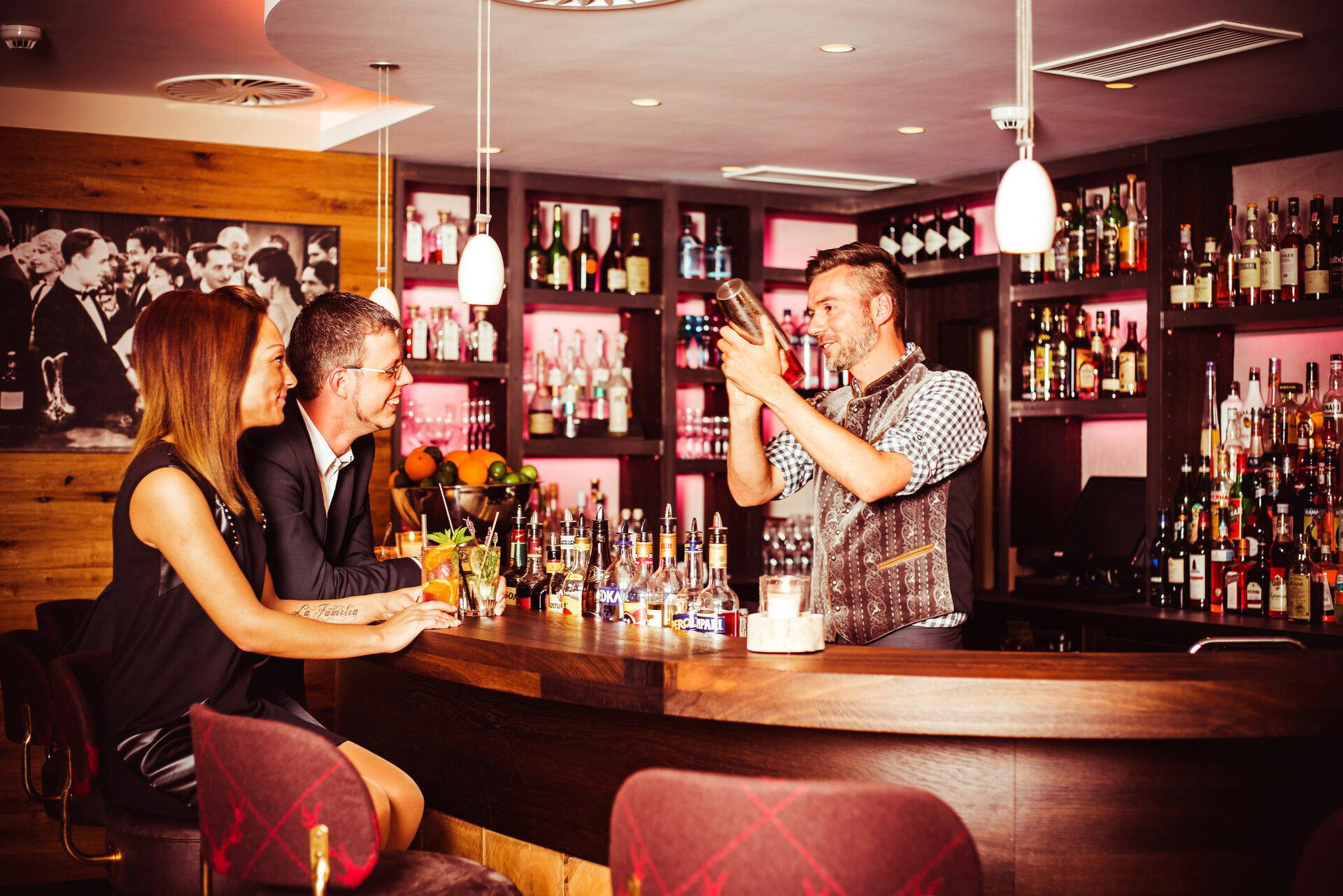
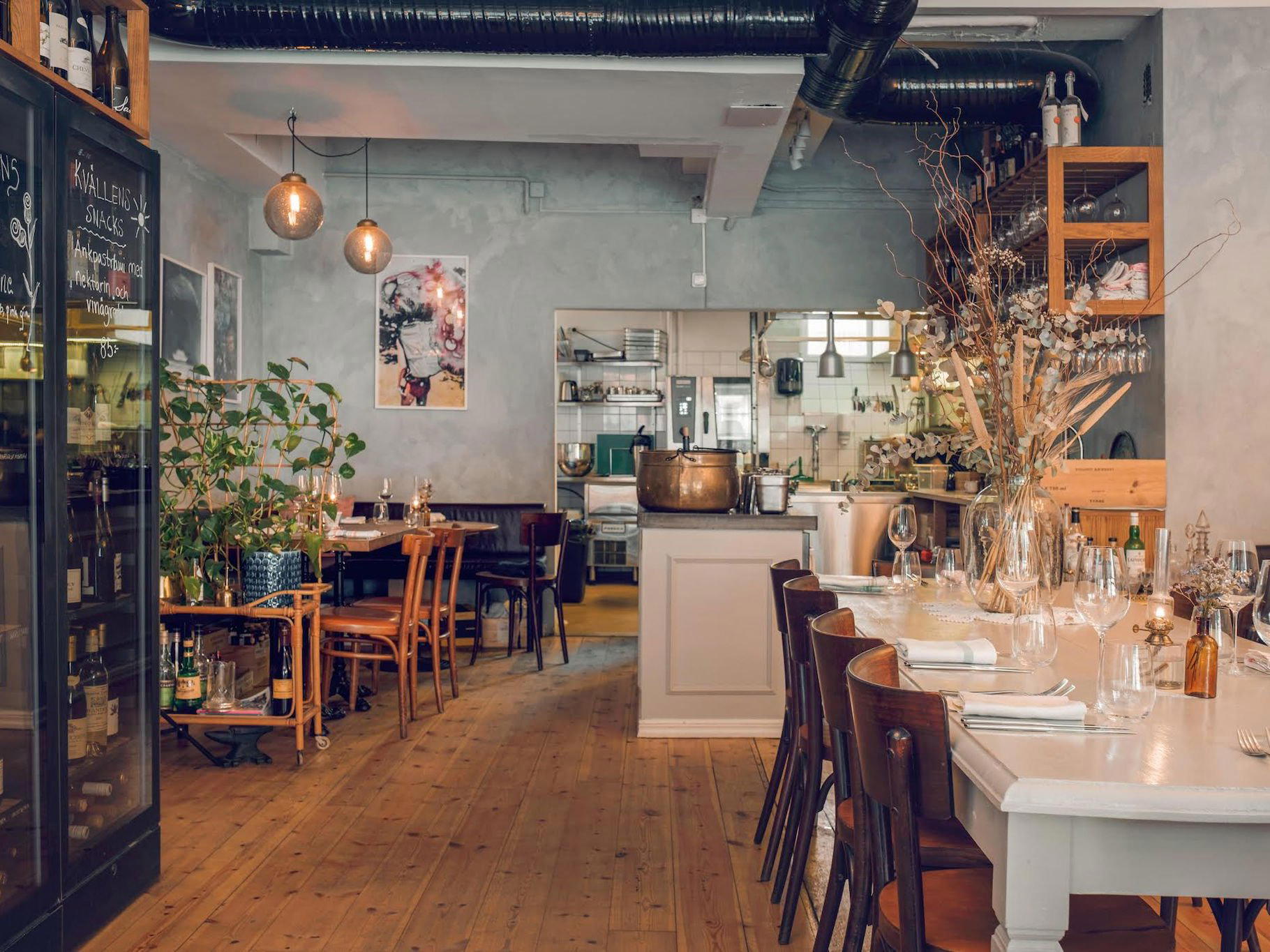
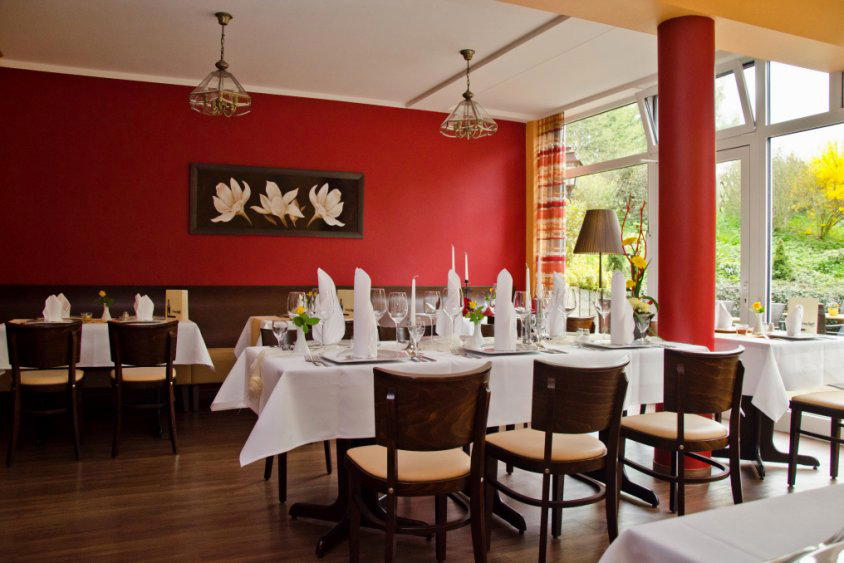
Quiet, nature-immersed, and upscale, with a calm wellness atmosphere, warm natural materials, and a clear, contemporary design language.