
On Weimar's central market square, Hotel Elephant Weimar has hosted writers, composers, and heads of state for over three centuries. Michelin Selected in 2025, the property occupies a position in the city's cultural memory that few German hotels can match, a landmark address where Baroque civic architecture and considered interior design frame one of Thuringia's most storied stays.
Pearl is the En Primeur Club membership app — saves, bookings, and concierge access live there. Same editors, same standards.
- Address
- Markt 19, 99423 Weimar, Germany
- Phone
- +49 3643 8020
- Website
- marriott.com
- Directions
- Get directions
 Saves & bookings on Pearl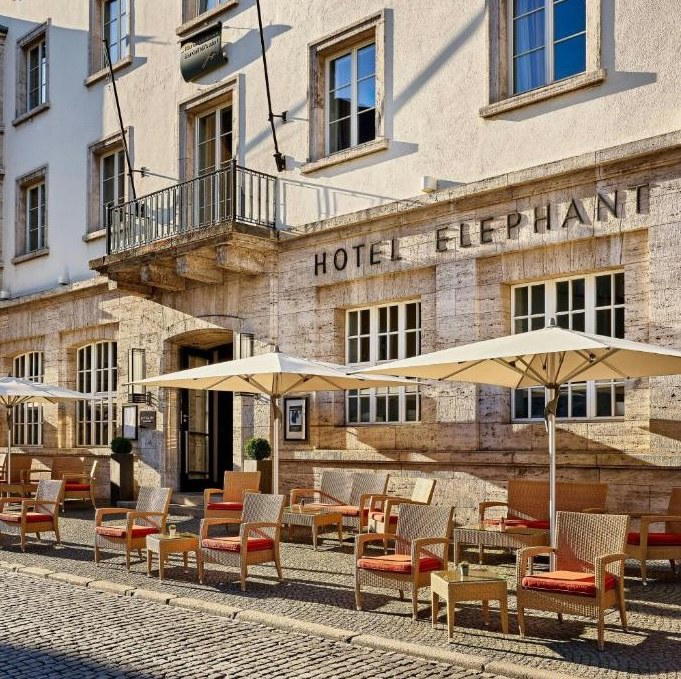
A Market Square Built for Arrival
Weimar's Marktplatz is one of the more compositionally satisfying town squares in central Germany, a ring of gabled facades, fountain, and civic stone that has barely shifted in outline since the eighteenth century. Hotel Elephant sits directly on it, at Markt 19, and the approach matters. You arrive through a square that framed the daily movements of Goethe, Schiller, and Liszt. The hotel's own facade is part of that built continuity, not a modern interruption of it. In a country where many historic-address hotels have been absorbed into international chains and standardised out of character, the Elephant's persistence as a culturally rooted address in this specific city carries weight.
The building's exterior holds to the Weimar classicist register, clean lines, formal symmetry, the kind of civic confidence that Thuringia's court city projected during its cultural peak. Step inside and the interior follows the same logic: measured, reference-laden, calibrated toward the guest who knows what the address means rather than one who needs to be told. That positioning is a deliberate editorial statement in the language of hotel design. It places the Elephant inside a small German cohort of properties that communicate prestige through restraint and historical density rather than through square footage or spa programming.
Where the Elephant Sits in the German Hotel Tier
Michelin's 2025 Selected designation marks the hotel as meeting a threshold of quality and character that the guide considers worth recommending, a signal of consistency and a recognisable standard of hospitality. In the context of German heritage hotels, Selected status places the Elephant in a peer tier that includes properties recognised for atmosphere and physical integrity alongside service delivery.
For comparison, the category of grand German city hotels, properties like Fairmont Hotel Vier Jahreszeiten in Hamburg or the Excelsior Hotel Ernst in Cologne, tend to operate at large scale in major commercial centres, where the business and leisure mix is broad. The Elephant occupies a different position: a smaller city, a specific cultural gravity, a guest profile that skews toward travellers with a reason to be in Weimar specifically. That self-selection shapes the atmosphere in ways that scale and urban volume cannot replicate. Guests here tend to arrive with the Bauhaus museum, the Goethe-Schiller Archive, or the Duchess Anna Amalia Library already in view. The hotel functions as a base with cultural coherence, not as a destination property independent of its location.
Further afield in the German luxury tier, properties like Schloss Elmau Luxury Spa Retreat & Cultural Hideaway in Elmau or Hotel Traube Tonbach in Baiersbronn build their identity around landscape and wellness programming. The Elephant builds its identity around a city. That is a meaningful distinction when choosing between them.
The Architecture as Argument
Weimar's architecture is not incidental background. The city was the site of a self-conscious cultural project, from the Weimar Classicism of the Goethe era through to the Bauhaus school founded there in 1919. These movements shared a conviction that built form could carry ideas, that a facade or an interior could be an argument about how to live. The Hotel Elephant inherits that context whether it courts it or not.
The current hotel structure was substantially rebuilt in the 1930s, and the modernised facade from that period sits in an interesting tension with the older cultural associations the name carries. The interior design choices in a property of this kind, how furnishings reference or depart from the Weimar Classicist palette, how contemporary upgrades are integrated or resisted, become legible to a guest who arrives with the city's design history in mind. The hotel's position on the Marktplatz means the building is always in dialogue with its surroundings, which include the Stadthaus and the Cranach house among other historically loaded neighbours.
For guests oriented toward design travel specifically, Weimar warrants a multi-night stay. The Bauhaus-Museum Weimar, reopened in its purpose-built space in 2019, and the historic Bauhaus building on Geschwister-Scholl-Strasse between them represent among the more concentrated encounters with that movement available anywhere. Staying at the Elephant places all of this within walking distance. The Telegraphenamt in Berlin represents a different kind of design-led German stay, adaptive reuse in a major city, but for the traveller focused on Weimar's specific architectural argument, the Elephant's address is the relevant choice.
Planning Your Stay
Weimar is accessible by rail from Leipzig in under an hour and from Frankfurt in roughly two and a half hours, making it a practical stop on a broader German itinerary rather than a detour. The Marktplatz location means the main cultural sites are on foot. Spring and early autumn tend to draw culturally focused visitor traffic; summer brings the broader tourist season but also the longer days that make the city's parks and garden architecture easier to appreciate.
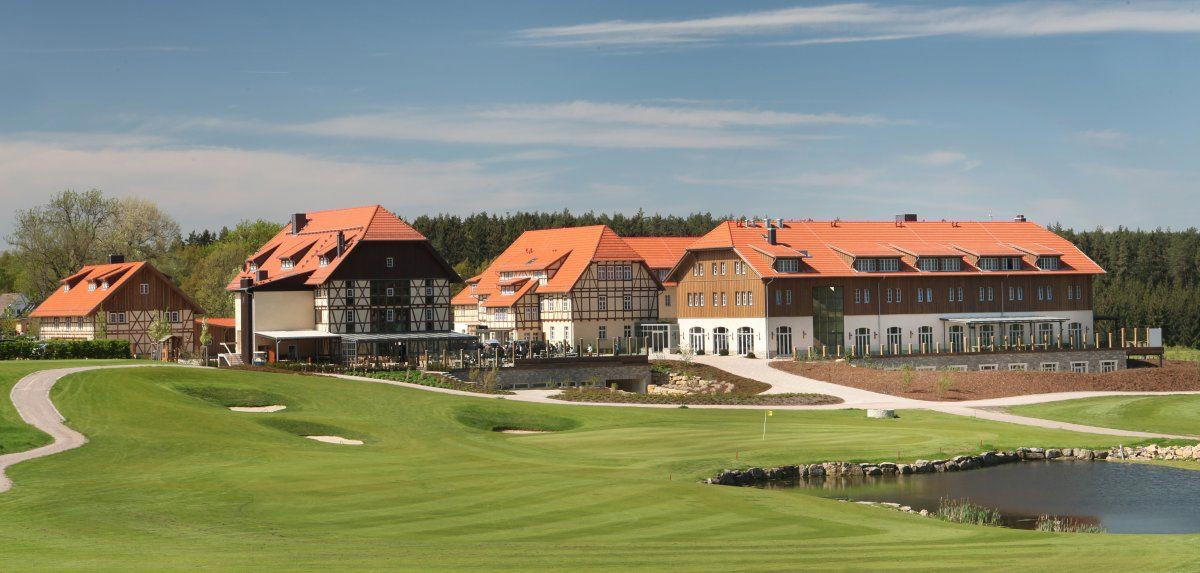
Reservations for the hotel should be made well in advance for the peak May-to-September window, particularly if visiting around major cultural events. The hotel's website is the appropriate booking channel; Room type selection matters at a property of this age and footprint: the Marktplatz-facing rooms carry contextual weight, with direct views onto the square and the civic architecture that defines the hotel's setting. For travellers comparing options in the Thuringian region, the Spa & Golf Hotel Weimarer Land in Blankenhain offers a countryside alternative roughly twenty kilometres south, oriented toward wellness rather than urban cultural access.
For those building a wider German itinerary that combines heritage addresses with natural settings, properties like Althoff Seehotel Überfahrt in Rottach-Egern, Weissenhaus Private Nature Luxury Resort in Weissenhaus, or Söl'ring Hof in Sylt represent entirely different registers of German hospitality, landscape-led, contemporary in feeling, and geographically remote from Weimar's urban density. The right choice depends on what the trip is actually for. If the answer involves Goethe, the Bauhaus, or Thuringian history, the Elephant's position on the Marktplatz is hard to argue against.
Comparable Venues
Comparable venues nearby, for context on price, style, and recognition.
| Venue | Cuisine | Price | Awards | Notes |
|---|---|---|---|---|
| Hotel Elephant WeimarThis venue — the venue you are viewing | Historic boutique hotel blending Art Deco and Bauhaus influences. | $$$ | 4-Star | Not listed |
| Waldhaus Ohlenbach | Family-run wellness hotel in country house style on mountain hillside | $$$ | 4-Star | Ohlenbach |
| Romantik Hotel Landschloss Fasanerie | Contemporary classic country palace with traditional design elements and modern amenities; privately run heritage property emphasizing relaxation and nature harmony. | $$$ | 4-Star | Zweibrücken, Rhineland-Palatinate |
| SYTE Mannheim | Boutique design hotel in a historic sandstone building | $$$ | 4-Star | Schwetzingerstadt |
| Leonardo Mainz | Modern full-service city hotel with business and leisure positioning. | $$ | 4-Star | Oberstadt |
| The Dean Berlin | Contemporary Art Deco boutique hotel with modern luxury positioning in an upscale urban setting. | $$$ | 4-Star | Charlottenburg-Wilmersdorf |
Recognition history
Dated appearances from independent guides and award organizations, with the underlying list record or original source where available.
Michelin Selected
Michelin
Continue exploring
More in Weimar
Bars in Weimar
Browse all →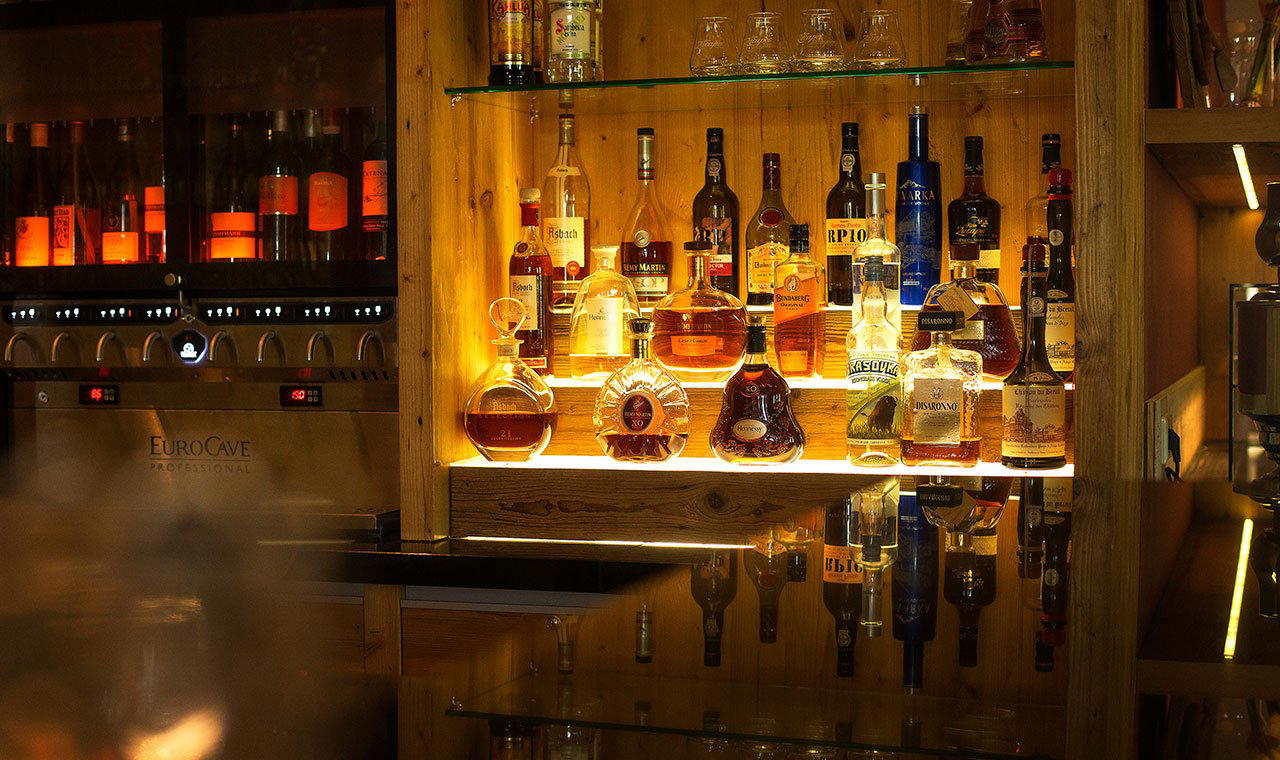
Restaurants in Weimar
Browse all →
Wineries in Weimar
Browse all →
At a Glance
- Elegant
- Classic
- Sophisticated
- Cozy
- Romantic Getaway
- Anniversary
- Business Trip
- Weekend Escape
- Historic Building
- Terrace
- Wi Fi
- Fitness Center
- Sauna
- Room Service
- Concierge
- Street Scene
- Wi Fi
- Fitness Center
- Sauna
- Room Service
- Concierge
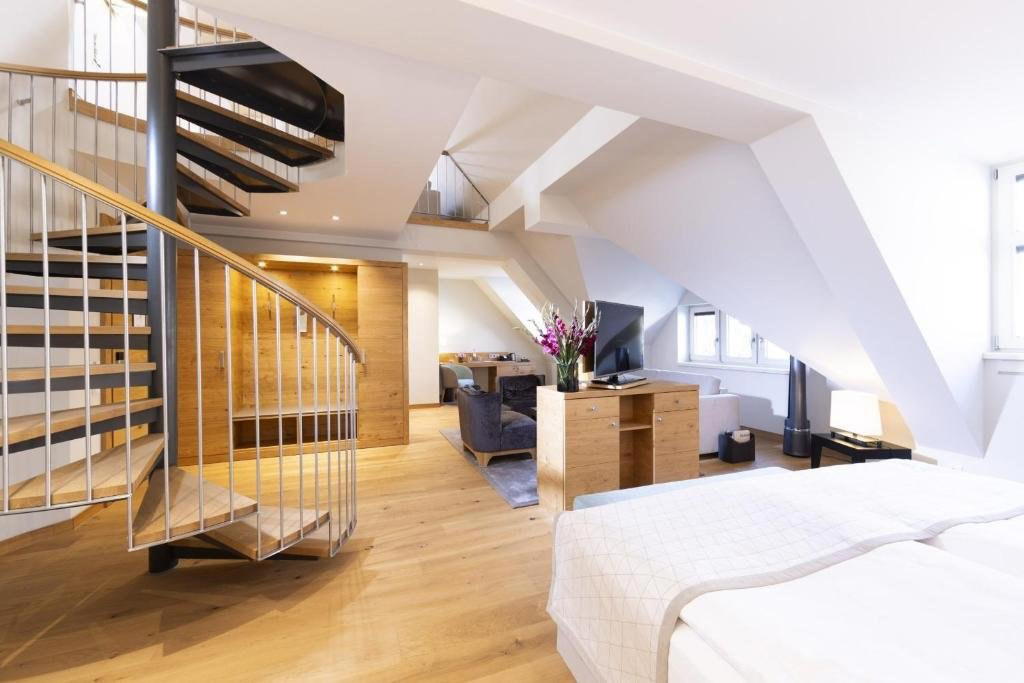
Timelessly elegant atmosphere blending classic Art Deco and Bauhaus elements with modern comfort in a light-filled lobby.