
Falstaff Bar - 91 Falstaff Points
On Rudolph-Sack-Straße in Leipzig's Plagwitz district, Liqwe occupies the kind of address that sustains a neighbourhood rather than performing for visitors. The bar draws a local crowd built around repeat visits rather than reservation windows, placing it in the same community-bar tradition as the district's other quietly embedded drinking spots. Details on format and pricing are best confirmed directly on arrival.

Pearl is the En Primeur Club membership app, where members save venues, book tables and use the concierge.
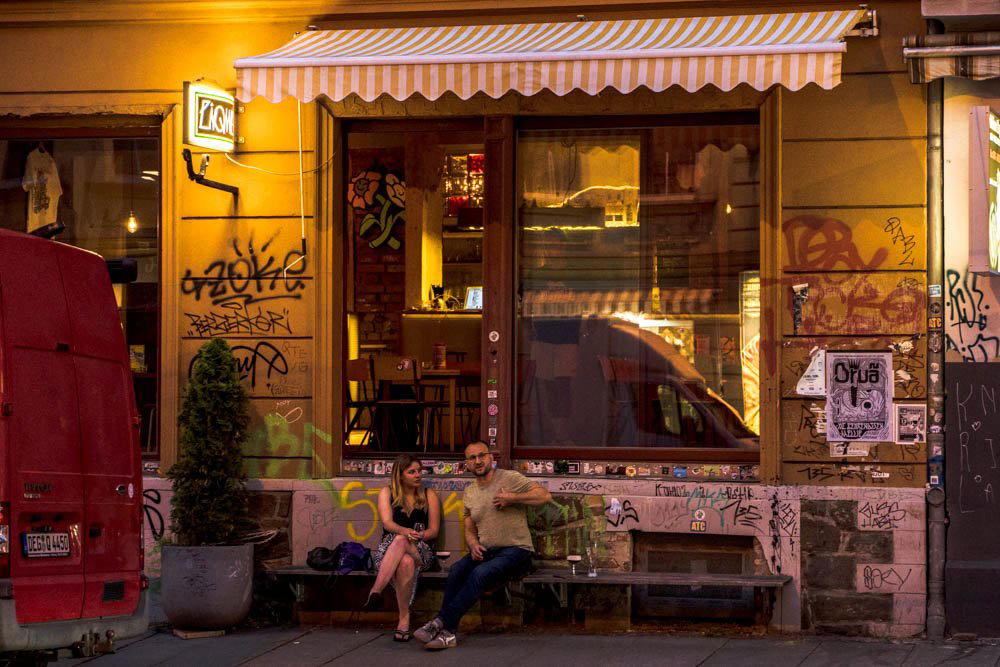
Plagwitz and the Bars That Belong There
Leipzig's bar culture has developed along two distinct tracks over the past decade. The first runs through the city centre and Südvorstadt, where cocktail programs with international ambitions and spirits lists attract visitors seeking something comparable to what Le Lion Bar de Paris in Hamburg or Buck & Breck in Berlin represent in their respective cities: technically refined, press-facing, and built around a defined aesthetic. The second track runs through the western districts, particularly Plagwitz and Schleußig, where bars earn their place not through awards recognition but through the kind of daily attendance that signals genuine neighbourhood belonging. Liqwe, at Rudolph-Sack-Straße 2, sits firmly on that second track.
Plagwitz was Leipzig's industrial heartland through the nineteenth and early twentieth centuries, and the district's current character carries that history forward in the architecture and the general disposition of its residents. The streets around Rudolph-Sack-Straße attract a demographic that is broadly younger, creatively employed, and locally rooted, the kind of crowd that returns to the same bar on a Tuesday with no particular occasion in mind. That pattern of regular, low-stakes attendance defines what neighbourhood bars do that destination bars cannot replicate: they accumulate social meaning over months and years rather than over a single visit.
The West Leipzig Bar Circuit
Understanding Liqwe's position requires some sense of the broader drinking geography of western Leipzig. Edelrausch Leipzig-Schleußig operates a few streets away in Schleußig, the adjacent district, and represents one end of the local spectrum. Industriestraße 18 draws on the area's post-industrial aesthetic in a more deliberate way, while Kune and Espresso Zack Zack cover the coffee-to-evening continuum that keeps neighbourhood locals from needing to travel further into the city for their routine stops.
What this circuit demonstrates is that western Leipzig has developed a self-sufficient social infrastructure. Residents in Plagwitz and Schleußig can move from morning coffee through afternoon work and into evening drinks without crossing the ring road. Liqwe's address on Rudolph-Sack-Straße positions it as a component in that infrastructure rather than as a standalone destination. In German bar culture, that distinction matters: the Stammkneipe model, the bar with its own regular clientele who treat the room as semi-domestic space, remains a durable social institution across cities from Düsseldorf's Uerige to Cologne's Bar Trattoria Celentano, even as cocktail culture and design-led hospitality have reshaped what premium drinking looks like in those cities.
Community Role Over Destination Logic
The neighbourhood watering hole operates on different economics and different social logic than the destination bar. Where a venue like Goldene Bar in Munich or The Parlour in Frankfurt on the Main draws visitors from across the city or further, a Plagwitz bar draws from within walking or cycling distance. That geographic compression changes the stakes of every interaction: the staff and the regulars know each other, the atmosphere is shaped by familiarity rather than performance, and the bar's success is measured by sustained local attendance rather than by peak-night covers.
This is not a lesser model. In many European cities, the bars with the longest operating histories are precisely those that embedded themselves in a specific neighbourhood rather than competing for citywide attention. They survive economic cycles, shifts in nightlife fashion, and the arrival of higher-profile competitors because their regulars regard them as part of the local fabric rather than as an option on a list of places to try. The social function they perform is closer to that of a community room than a commercial premises, even when the commercial side runs in parallel.
For a visitor approaching Liqwe from outside the neighbourhood, that context shapes what to expect. This is not a bar that will announce itself through press recognition or a designed reveal at the door. It is a bar that will make sense progressively, as the dynamic between the space and its regulars becomes visible over the course of an evening. That kind of discovery rewards patience more than prior research. For those accustomed to bars like Bar Leather Apron in Honolulu, where programme and craft are front-loaded into the experience, the Plagwitz model reads differently, though not less confidently.
Getting There and Planning a Visit
Rudolph-Sack-Straße sits in the western section of Plagwitz, accessible from the city centre by tram on the lines that connect Karl-Liebknecht-Straße with the western districts, or by a fifteen-minute cycle from Connewitz. The neighbourhood is most animated from early evening onward, and the bar circuit in this part of the city tends to run later than the dining-led streets further south. Since neither booking details nor operating hours are listed publicly for Liqwe, arriving in the evening on any day from Thursday through Saturday offers the most reliable chance of finding the bar in full operation. Specific pricing, format, and any seasonal variations in the offer are best confirmed on the night.
For a broader view of where Liqwe sits within Leipzig's drinking and dining scene, the EP Club Leipzig guide covers the full range of the city's bars and restaurants, with context on which neighbourhoods suit which kinds of visits.
A Credentials Check
| Venue | Price | Awards |
|---|---|---|
| LiqweThis venue (the venue you are viewing) | Not listed | Falstaff Bar - 91 Falstaff Points |
| Kune | $10–20 | Not listed |
Recognition history
Dated appearances from independent guides and award organizations, with the underlying list record or original source where available.
Falstaff Bar - 91 Falstaff Points
Falstaff
Continue exploring
More in Leipzig
Bars in Leipzig
All bars in Leipzig →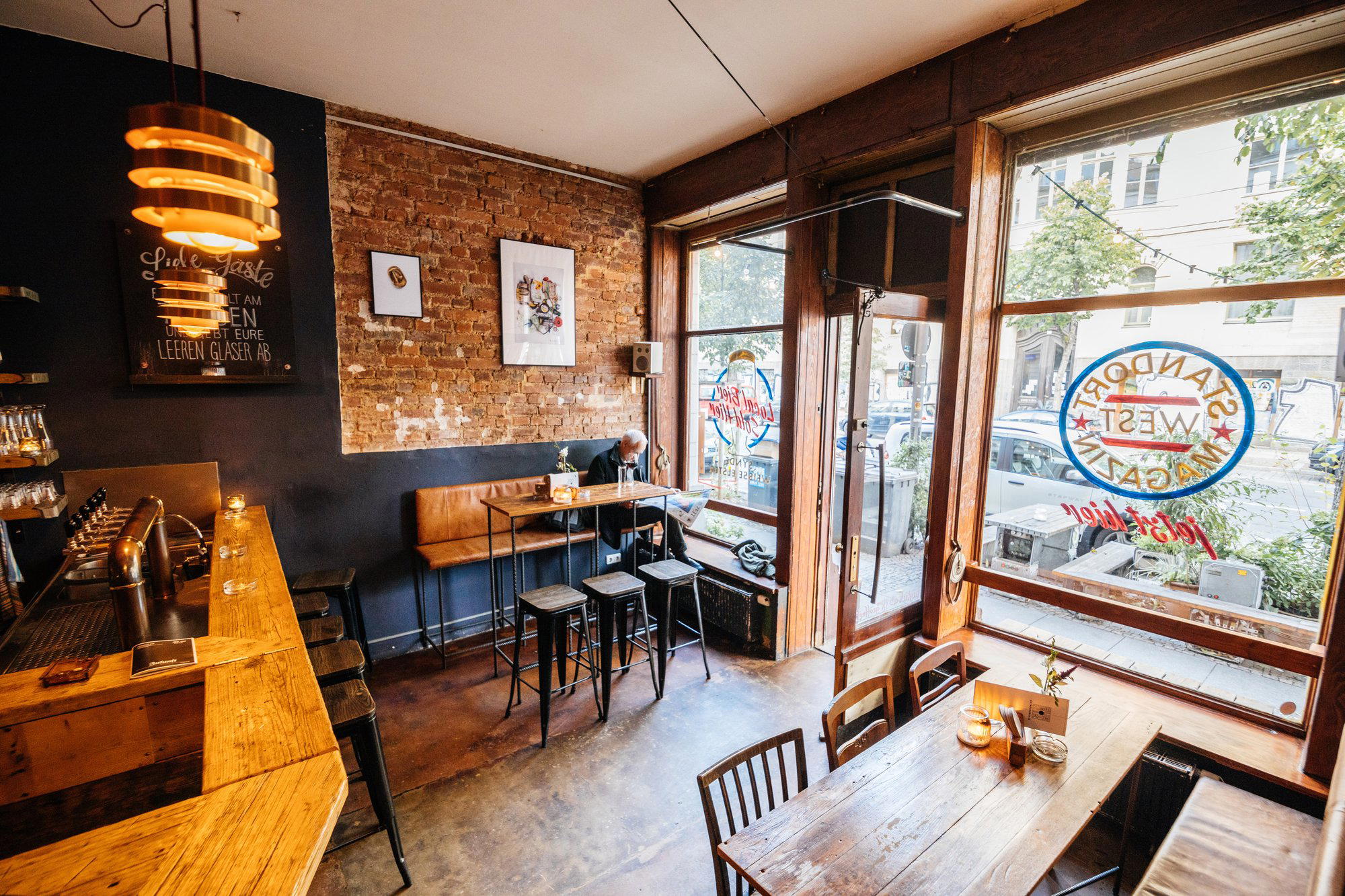
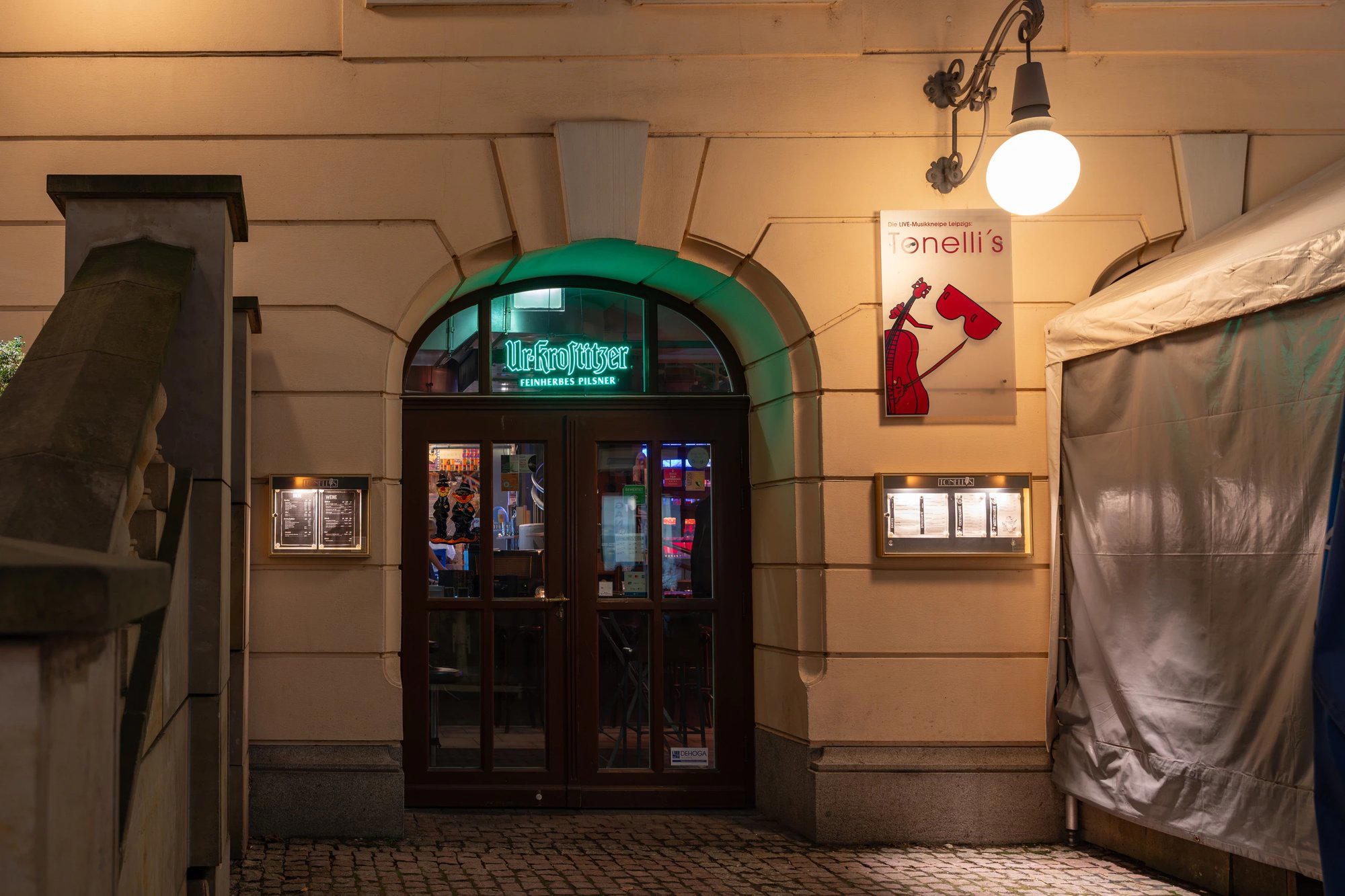
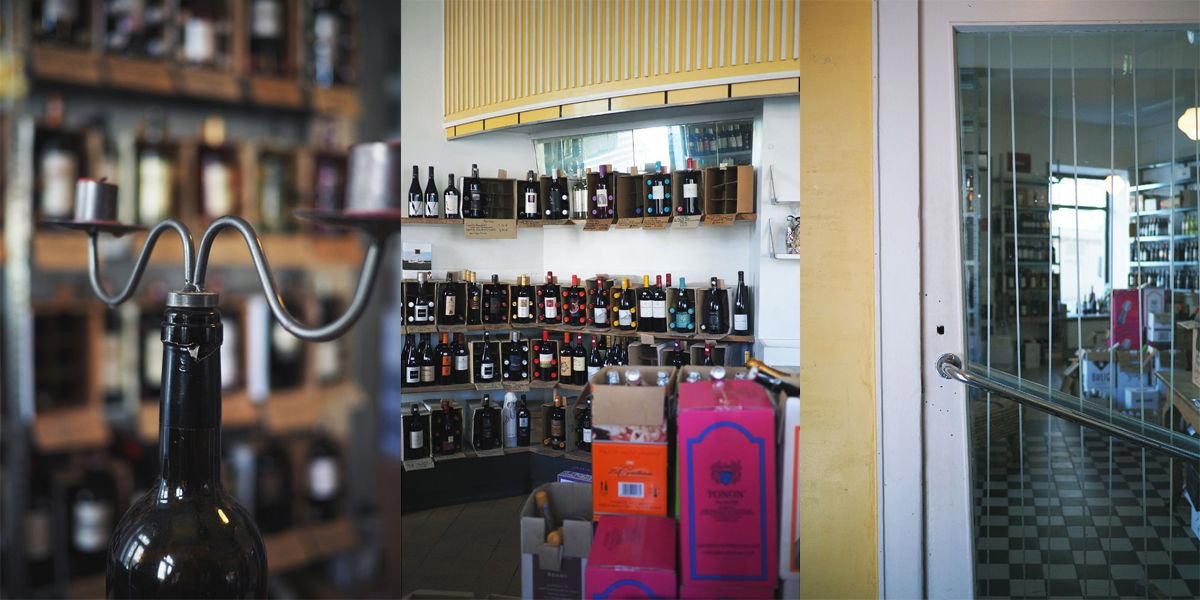
Restaurants in Leipzig
All restaurants in Leipzig →
Hotels in Leipzig
All hotels in Leipzig →

Details
- Lively
- Trendy
- Late Night
- Casual Hangout
- Standalone
- Lounge Seating
- Outdoor Terrace
- Craft Cocktails
Current opening hours
- Monday
- 7 PM–2 AM
- Tuesday
- 7 PM–2 AM
- Wednesday
- 7 PM–2 AM
- Thursday
- 7 PM–2 AM
- Friday
- 7 PM–3 AM
- Saturday
- 7 PM–3 AM
- Sunday
- Closed
Hours can change for holidays and private events. Hours as of .
Laid-back yet lively atmosphere with welcoming vibe and mixture of second-hand and custom-made furniture.