
Speiseberg holds a Michelin star for the second consecutive year (2024–2025), placing it among the small tier of destination restaurants in Saxony-Anhalt. Chef William Shen works in a modern cuisine format at the €€€€ price point, on Kröllwitzer Strasse in northern Halle.
Pearl is the En Primeur Club membership app — saves, bookings, and concierge access live there. Same editors, same standards.
- Address
- Kröllwitzer Str. 45, 06120 Halle (Saale), Germany
- Phone
- +49 1515 6519090
- Website
- bergschenke-halle.com
- Directions
- Get directions
 Saves & bookings on Pearl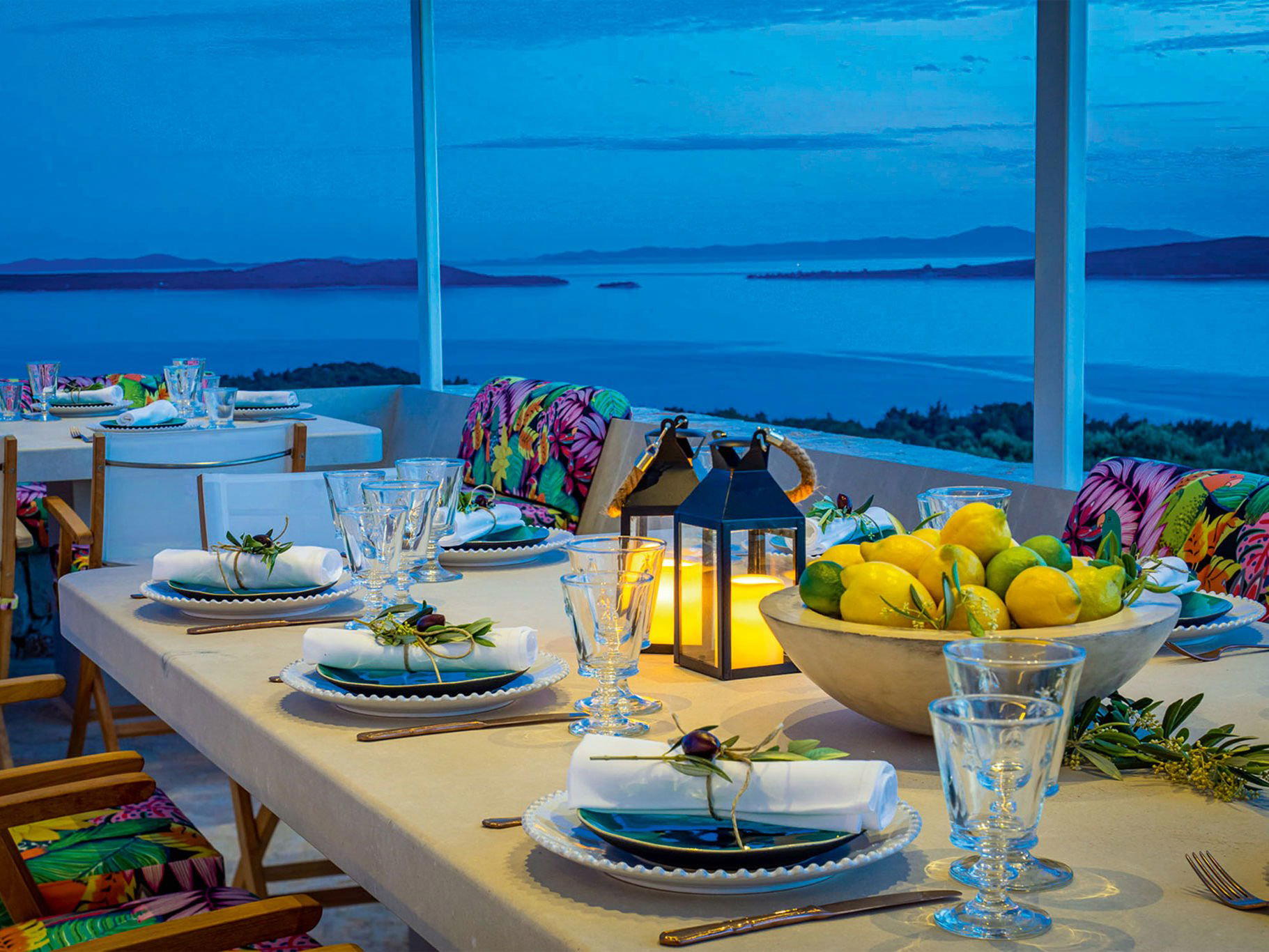
Where Halle's Fine Dining Scene Places Speiseberg
Speiseberg is a one-star restaurant in Halle, Germany, serving modern creative German fine dining at the €€€€ tier. Baden-Württemberg, Bavaria, and North Rhine-Westphalia collectively account for the majority of the country's starred addresses, from Schwarzwaldstube in Baiersbronn and Vendôme in Bergisch Gladbach through to Aqua in Wolfsburg in the north. Speiseberg, on Kröllwitzer Strasse in the northern reaches of Halle, has held its star consecutively in both 2024 and 2025, confirming that the initial award was not a one-cycle anomaly. For Halle's restaurant scene, that consistency matters more than the initial recognition.
The address sits on the edge of the city rather than in its commercial core, a placement common among starred restaurants that need room, quiet, or the freedom to build a self-contained dining experience without competing foot traffic. Getting to Kröllwitzer Strasse requires intent; this is not a walk-in neighbourhood. Visitors staying in central Halle should budget for a short taxi or rideshare, and given the €€€€ price point, that transit cost is a minor line in what will be a considered evening's expenditure.
Modern Cuisine in the Eastern German Context
The category label modern cuisine covers a wide range of approaches in Germany's current fine dining tier. At its most disciplined end, it means a kitchen that has moved past national or regional identity as an organising principle, drawing instead on technique, ingredient sourcing logic, and seasonal structure to shape each menu cycle. This is the model that has proved durable across the country's most sustained addresses: JAN in Munich, CODA Dessert Dining in Berlin, and international modern cuisine references like Frantzén in Stockholm or FZN by Björn Frantzén in Dubai each demonstrate what happens when modern cuisine disciplines itself around a clear sourcing and format logic rather than novelty alone.
The question of where ingredients come from becomes sharper in this context. A kitchen operating in a mid-sized eastern German city without proximity to the established premium supplier networks of Hamburg or Munich has to make deliberate choices about sourcing, and those choices shape the menu more visibly than they might at a restaurant embedded in a larger metropolitan food system. The star, sustained across two consecutive cycles, suggests the kitchen has resolved that supply question to a high standard.
Ingredient Sourcing as the Kitchen's Structural Logic
Across Germany's starred modern cuisine tier, sourcing has become the defining editorial statement a kitchen makes before a single dish arrives. The generation of chefs now holding stars at addresses like ES:SENZ in Grassau or Schanz in Piesport has moved away from the classical French technique-first framework that still organises kitchens like Restaurant Haerlin in Hamburg or Waldhotel Sonnora in Dreis, toward a model where the sourcing decision comes first and the technique serves it. At Victor's Fine Dining by Christian Bau in Perl, the Asian-inflected sourcing logic is explicit and documented. At other addresses, sourcing philosophy operates more quietly but still drives the menu's seasonal rhythm.
Chef William Shen leads the kitchen. What is verifiable is that a kitchen operating at the €€€€ tier in a city of Halle's size and supply infrastructure is making active decisions about where protein, produce, and specialty ingredients originate. At that price point, the sourcing is not incidental. Michelin inspectors across the German-speaking region have consistently rewarded kitchens where sourcing specificity is traceable on the plate, and two consecutive stars at Speiseberg indicate the kitchen is meeting that standard. Les Eleveurs, Halle's other notable address in the classic cuisine category, operates from a different sourcing tradition, making the two restaurants complementary reference points for understanding the range of serious cooking the city now supports.
The Case for Visiting Halle's Starred Tier
Halle is not a city that attracts food-led travel in the way that Hamburg, Berlin, or Düsseldorf do. That fact has a practical upside: the booking window at a starred restaurant in a secondary eastern German city is shorter than its equivalent in a saturated market, and the dining room is less likely to be dominated by the corporate and tourism clientele that fills starred rooms in high-traffic cities. A smaller review sample is harder to sustain at that average than a large one: 105 reviews generating a 4.6 mean indicates a consistent track record rather than a spike of early enthusiasm followed by regression.
The €€€€ price designation places Speiseberg at the ceiling of Halle's market. The location on Kröllwitzer Strasse in the 06120 postcode is not adjacent to Halle's hotel district or central entertainment areas, so planning around the restaurant as the evening's anchor is the practical approach.
For those building a broader Halle visit, the city's food and drink infrastructure extends beyond its starred dining tier. Halle's bar scene, hotel options, regional wine access, and cultural experiences provide context for a longer stay in a city that is often bypassed in favour of Leipzig or Dresden. Speiseberg functions as the clearest argument for taking Halle seriously as a destination rather than a transit point.
Planning a Visit
Speiseberg sits at Kröllwitzer Str. 45, 06120 Halle (Saale). The €€€€ price tier suggests a tasting menu format typical of German starred addresses at this level, where covers run from approximately 100 euros per person upward before wine. Booking ahead is advisable given the limited competition at this tier within the city; unlike starred rooms in Berlin or Munich where demand is managed across multiple comparable venues, Halle's Michelin-starred market is thin enough that Speiseberg absorbs a concentrated share of serious dining demand. Booking is essential. Driving is especially practical transport option given the northern address; central Halle is also served by tram, and the S-Bahn connects the city to Leipzig in under 40 minutes for visitors combining both cities in a single trip.
Price Lens
Comparable venues nearby, for context on price, style, and recognition.
| Venue | Cuisine | Price | Awards | Notes |
|---|---|---|---|---|
| SpeisebergThis venue — the venue you are viewing | Modern Cuisine | $$$$ | Michelin 1 Star | Not listed |
| Balaton | Not listed | $$ | Not listed | Nördliche Innenstadt, Traditional Hungarian |
| Restaurant Mönchshof | Not listed | $$ | Not listed | Altstadt, Traditional German with Bavarian Influences |
| Restaurant Alchimistenklause | Not listed | $$ | Not listed | Halle (Saale), Traditional German with Italian influences |
| Pizzeria Luna | Not listed | $$ | Not listed | Halle (Saale), Italian Pizza |
| Clara - Restaurant im Kaisersaal | Altstadt, Modern German Fine Dining | $$$$ | Michelin 1 Star | Not listed |
Recognition history
Dated appearances from independent guides and award organizations, with the underlying list record or original source where available.
Michelin 1 Star
Michelin
Michelin 1 Star
Michelin
Michelin 1 Star
Michelin
Continue exploring
More in Halle
Restaurants in Halle
Browse all →

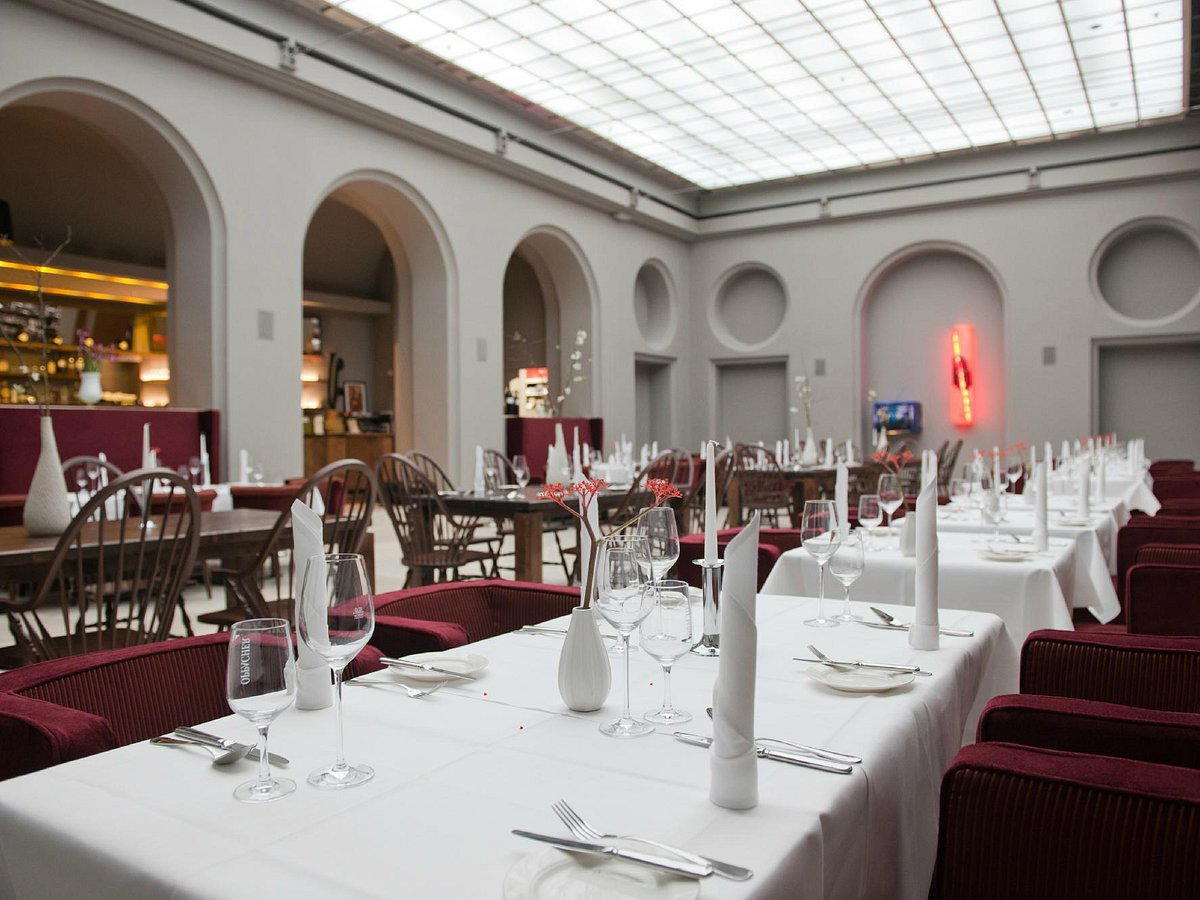
Bars in Halle
Browse all →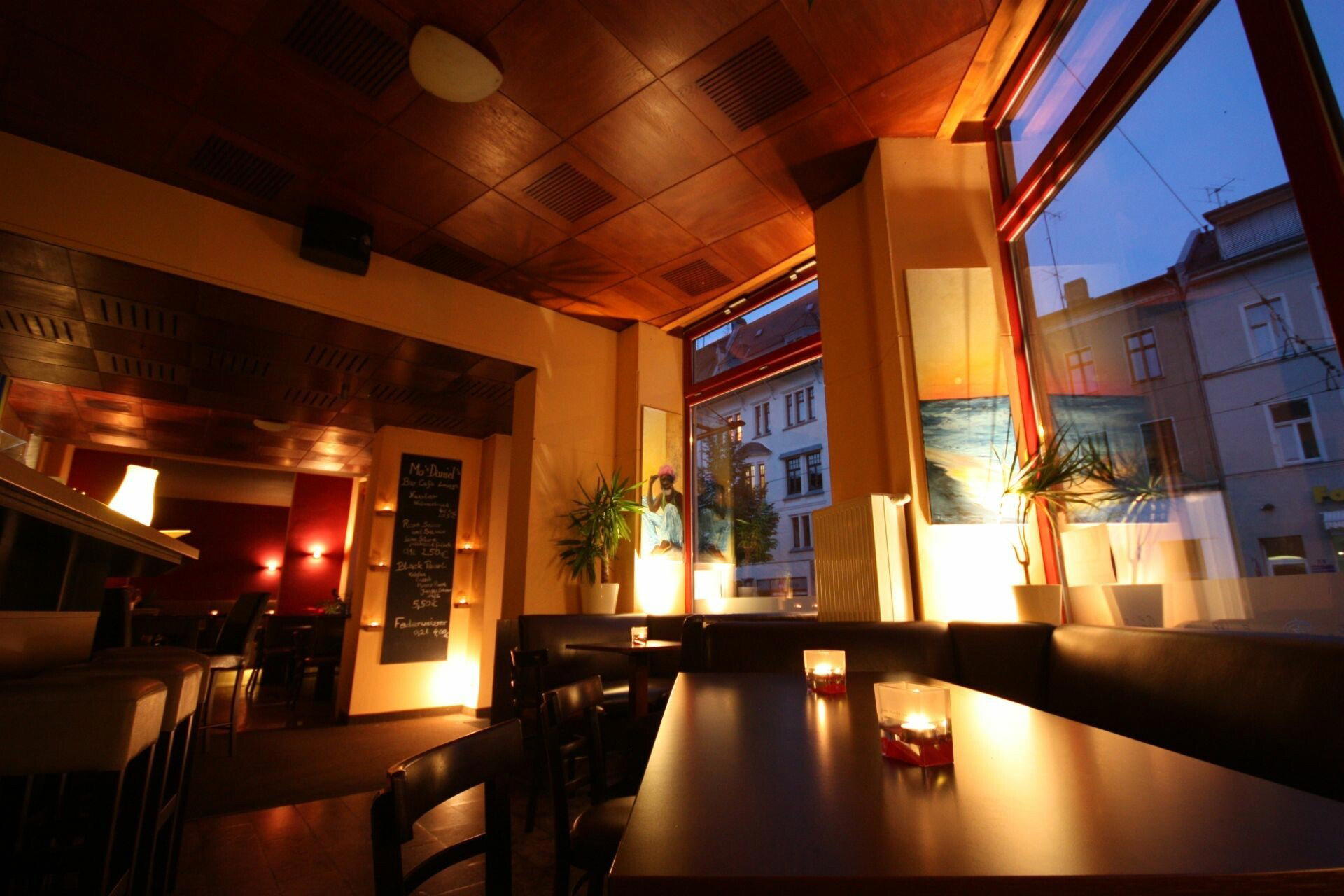
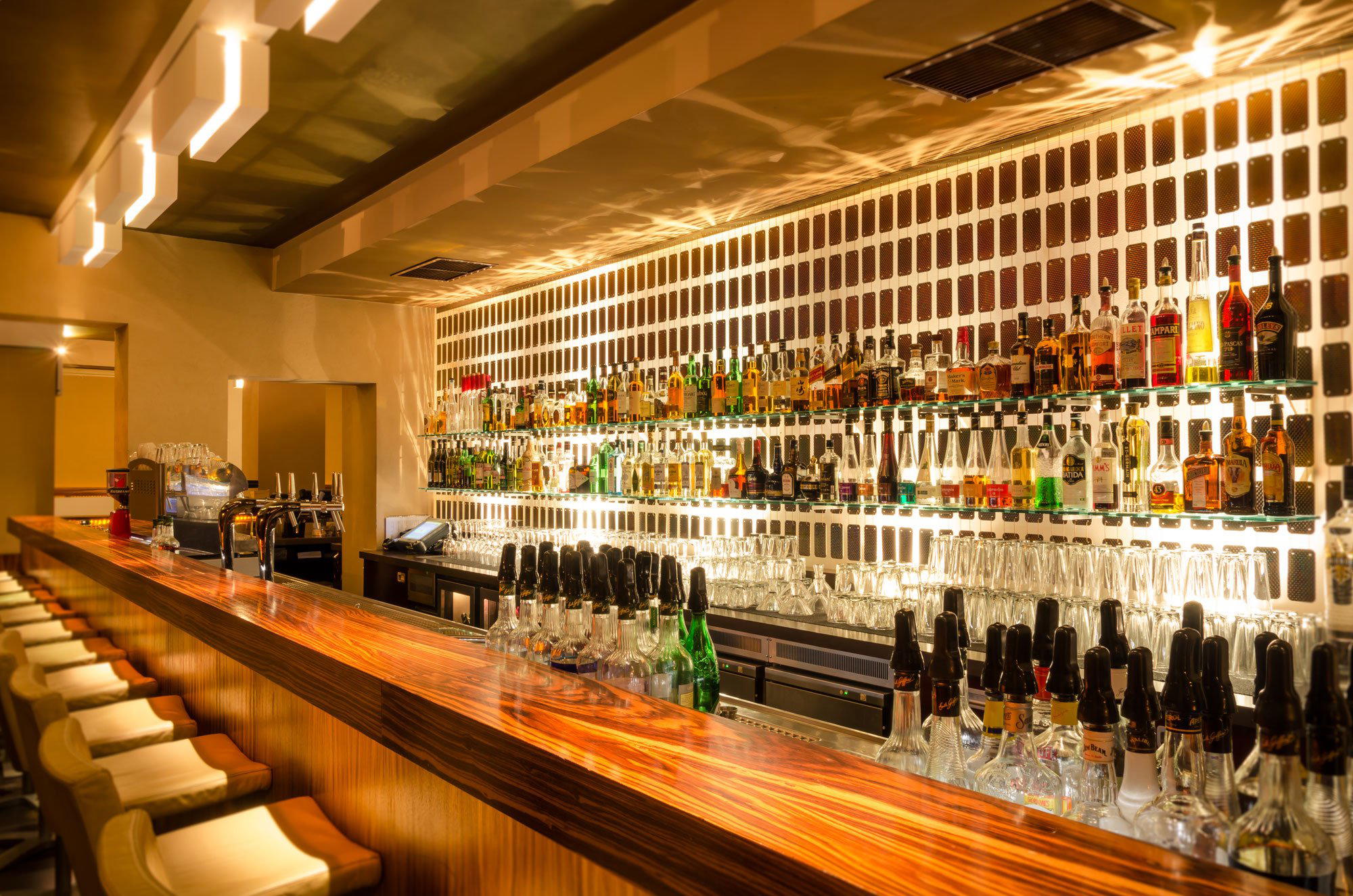
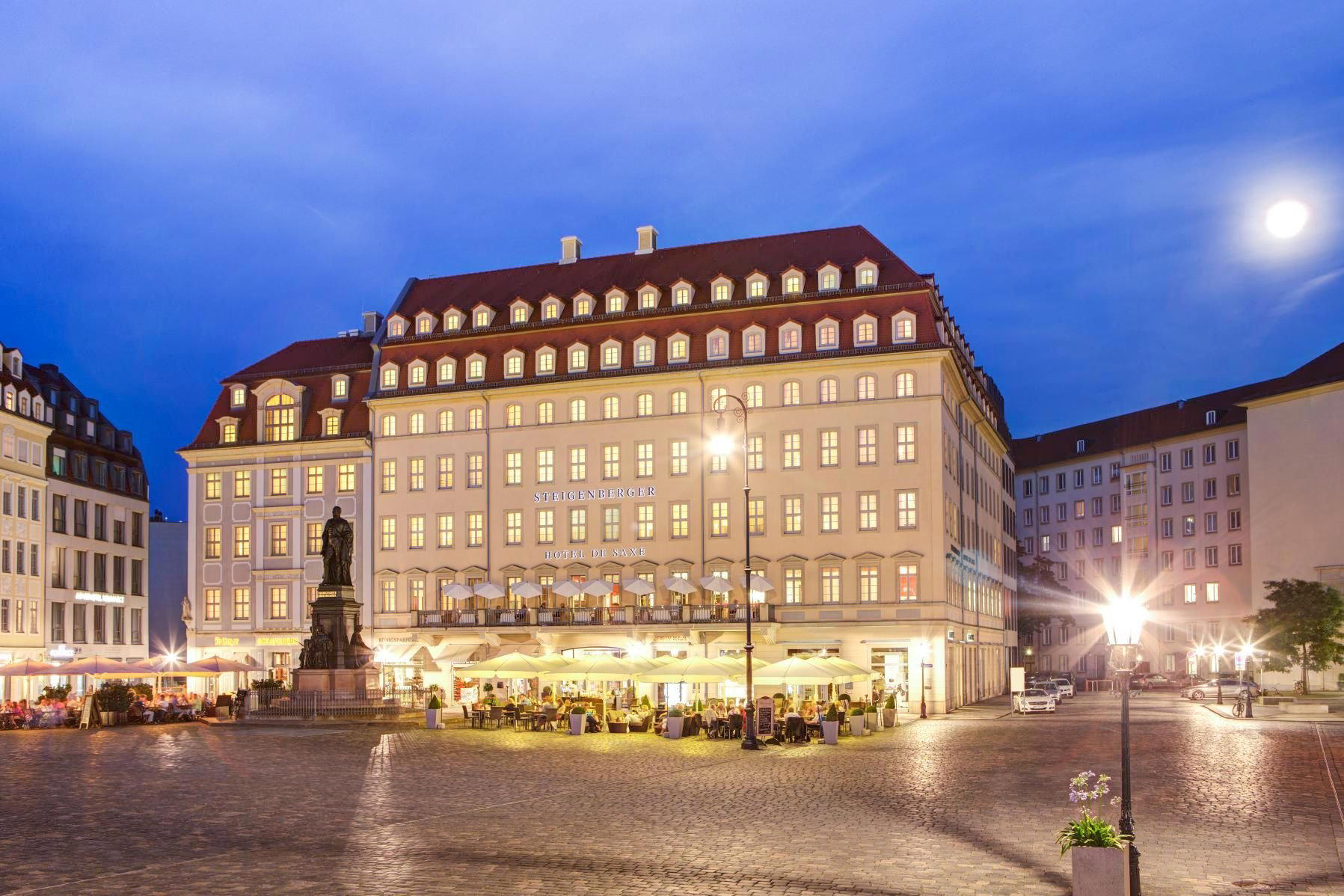
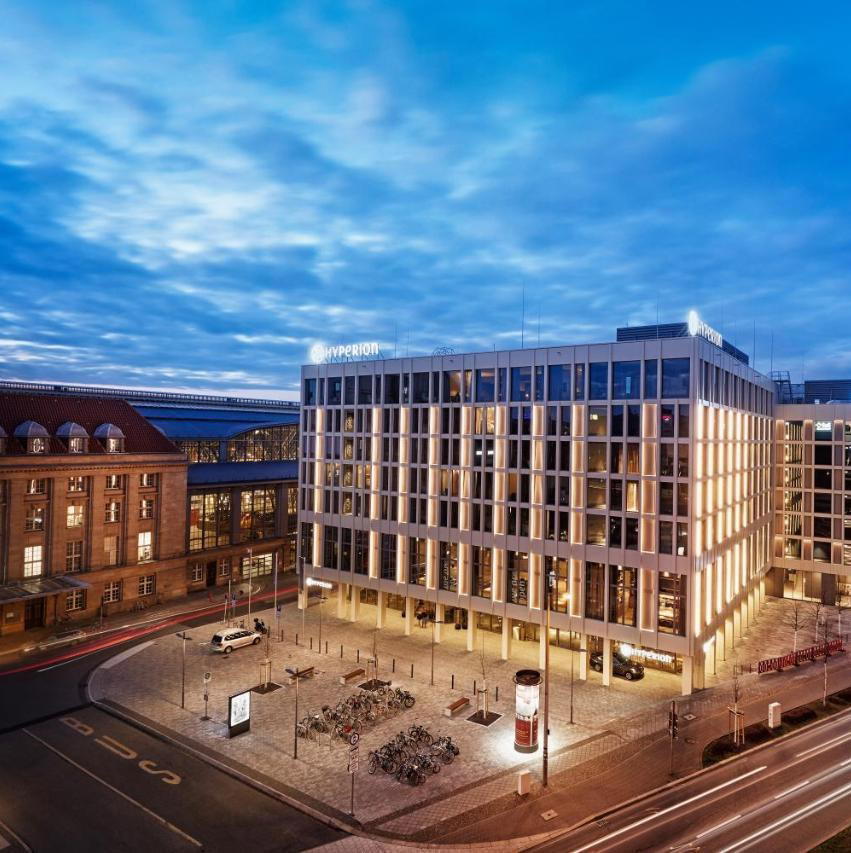
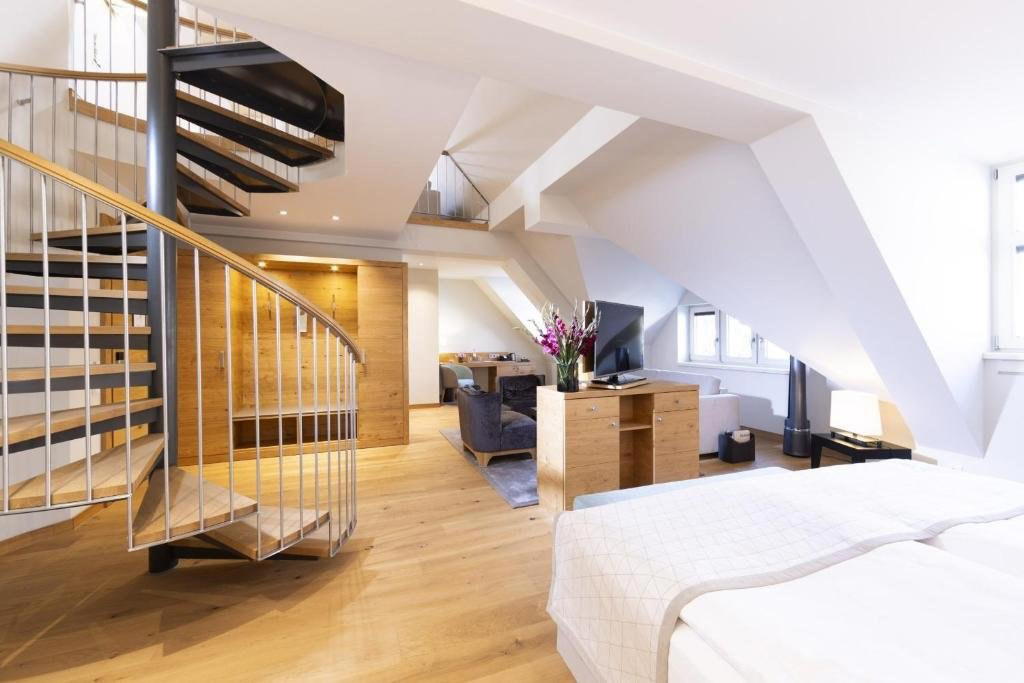
Hotels in Halle
Browse all →
Wineries in Halle
Browse all →
At a Glance
- Elegant
- Intimate
- Sophisticated
- Modern
- Cozy
- Date Night
- Special Occasion
- Open Kitchen
- Terrace
- Historic Building
- Extensive Wine List
- Local Sourcing
- Street Scene
Current opening hours
- Monday
- Closed
- Tuesday
- Closed
- Wednesday
- 6:30–11 PM
- Thursday
- 6:30–11 PM
- Friday
- 6:30–11 PM
- Saturday
- 6:30–11 PM
- Sunday
- Closed
Hours can change for holidays and private events. Last verified .
Modern minimalist interior with warm inviting atmosphere, terrace for aperitifs, and scenic hilltop views.