Shun

Michelin Plate
Our verdict
Shun occupies a harbour-side address on Oosterhaven in Medemblik, a small Zuiderzee town where the culinary scene punches well above its population size. The restaurant sits within a broader Dutch regional dining tradition that prizes local ingredient provenance and seasonal discipline. For visitors to West Friesland, it represents a credible reason to route through a town most travellers overlook.

Pearl is the En Primeur Club membership app, where members save venues, book tables and use the concierge.
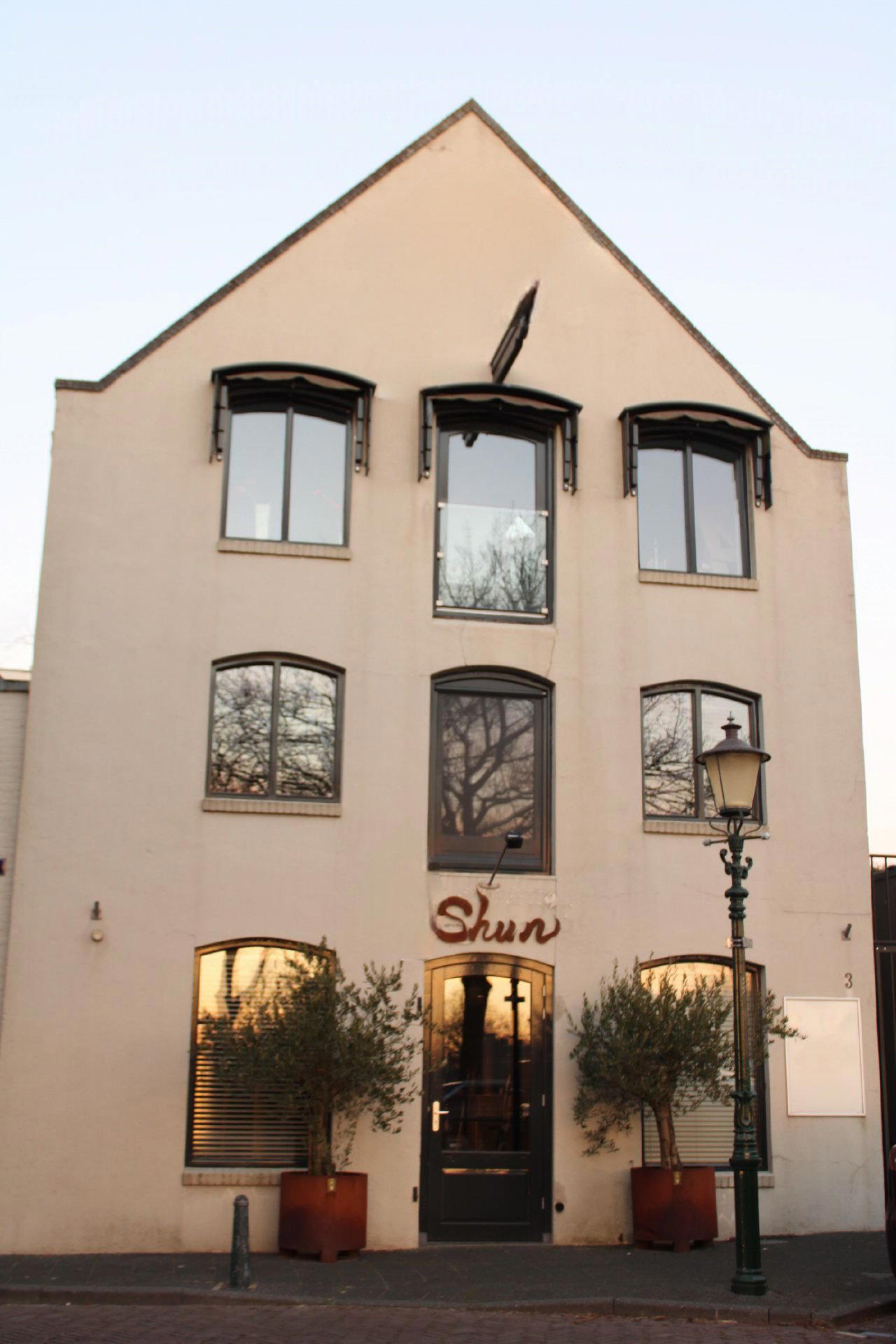
Dining on the Zuiderzee Shore: What Medemblik's Harbour Scene Tells You
Medemblik arrives quietly. The medieval harbour at Oosterhaven holds a line of moored sailing boats, the water flat and grey-green in the way of the former Zuiderzee, and the buildings along the quay are the kind of brick-and-timber structures that have watched fishing fleets come and go for centuries. It is not a city that announces itself as a dining destination. That, in the Dutch regional context, is often a reliable sign that something worth finding is operating here without the noise of a metropolitan food press behind it.
The restaurant at Oosterhaven 3, trading as Shun, sits directly on this harbour edge. Approaching from the old town centre, the address positions the dining room where harbour light and waterfront proximity are the primary environmental facts. In Dutch regional dining, that geography carries a specific implication: proximity to the IJsselmeer means access to freshwater and brackish-water produce that does not reach the wholesale markets of Amsterdam or Rotterdam in the same condition. Distance from the source is the first variable in ingredient quality, and Medemblik compresses that distance considerably.
Where Shun Fits in the Dutch Regional Restaurant Pattern
The Netherlands has developed an identifiable tier of serious restaurants operating outside the four major cities. Places like De Librije in Zwolle, 't Nonnetje in Harderwijk, De Lindenhof in Giethoorn, and De Bokkedoorns in Overveen have each demonstrated that Michelin-level ambition is not confined to Amsterdam's canal ring. These kitchens share a common characteristic: they cook from what surrounds them rather than from what the import market makes fashionable, and they attract guests willing to travel specifically for the table rather than combining dinner with urban tourism.
Shun's address in Medemblik places it in this regional tradition. West Friesland, the agricultural hinterland immediately inland from the IJsselmeer coast, produces vegetables, dairy, and poultry that appear on menus across North Holland. The waterways themselves yield eel, perch, and bream that disappear from menus sixty kilometres south simply because they cannot hold condition across the journey. A kitchen positioned on the Oosterhaven quay has structural advantages over urban peers when sourcing from this particular geography, in the same way that Inter Scaldes in Kruiningen operates with a different pantry from its Zeeland coastal position than any inland equivalent could access.
The Provenance Argument: Why Location Defines the Menu
Dutch fine dining has moved steadily toward an ingredient-first argument over the past decade. Kitchens that once organised menus around French technique applied to imported product have largely shifted toward a model where regional sourcing provides the editorial spine. De Nieuwe Winkel in Nijmegen, operating on an organic and plant-forward framework, represents one version of this shift. De Lindehof in Nuenen and De Treeswijkhoeve in Waalre represent another, grounded in the produce culture of the southern provinces.
Medemblik sits within the North Holland agricultural belt, where polders, glass-house cultivation, and direct IJsselmeer access create a sourcing environment that is distinct from both the Zeeland coast and the Brabant south. The name Shun is itself a Japanese concept referring to the peak seasonal moment of an ingredient, the point at which it is most itself and least in need of supplementation. That framing, applied to a West Frisian harbour address, suggests a kitchen organised around timing and provenance rather than around technique as spectacle. It is an editorial position that aligns Shun with a broader European movement in which the sourcing story precedes the cooking story, and the cooking exists to honour rather than to transform.
For comparison, Aan de Poel in Amstelveen operates on the water's edge just outside Amsterdam and achieves a similarly waterside register. Ciel Bleu in Amsterdam represents the urban pole of that same North Holland dining conversation, bringing metropolitan polish and international sourcing to its two-Michelin-star position. Shun's Medemblik address implicitly offers a different trade: less urban infrastructure, more direct connection to the region's raw material.
The Wider Dutch Table: Reference Points Abroad and at Home
The appetite for ingredient-led tasting menus is not a Dutch invention. The conversation at Le Bernardin in New York City has always been about sourcing discipline applied to seafood, and Atomix in New York City demonstrates how a kitchen rooted in a specific culinary tradition can operate at the highest competitive tier far from its source geography. Both examples show that rigour around provenance, rather than address or scale, is what defines the upper tier of contemporary dining internationally.
Within the Netherlands, kitchens like FG - François Geurds in Rotterdam, Brut172 in Reijmerstok, and Tribeca in Heeze each operate with distinct regional ingredient identities rather than a homogenised national pantry. 't Amsterdammertje in Loenen aan de Vecht and De Groene Lantaarn in Staphorst demonstrate that the smallest Dutch towns can support genuinely serious cooking when a kitchen commits to its immediate geography. Shun's Medemblik position belongs to this pattern.
Planning a Visit: Practical Notes
Medemblik sits approximately 65 kilometres north of Amsterdam by road, making it a viable day-trip destination for visitors based in the capital, though the harbour-side setting argues for arriving with enough time to walk the old town before sitting down to eat. The address at Oosterhaven 3 places Shun on the working quayside rather than in a converted inland building, which means the arrival experience is tied to the harbour's ambient character: weather, season, and light all factor into the approach. Our full Medemblik restaurants guide covers the broader dining picture for the town and can help frame a wider itinerary.
Frequently asked questions
Can I bring kids to Shun?
Nothing in the available record for Shun rules out younger guests, but the Oosterhaven address places the restaurant in a setting that skews toward adult diners seeking a focused meal.
What's the vibe at Shun?
Shun occupies a harbourside address at Oosterhaven 3 in Medemblik, a small medieval port town roughly 65 kilometres north of Amsterdam. The setting suggests an unhurried pace suited to long lunches or evening meals, with the flat waterway and moored sailing boats providing the backdrop. It sits within a Dutch regional tier that tends toward composed, ingredient-focused cooking rather than high-volume urban energy.
Is Shun worth a dedicated trip from Amsterdam to Medemblik?
Medemblik sits approximately 65 kilometres north of Amsterdam by road, making the journey around an hour by car. The town's medieval harbour at Oosterhaven 3, where Shun is located, offers a context that Amsterdam restaurants cannot replicate: a working waterfront with direct ties to Noord-Holland's agricultural and fishing heritage. For diners already travelling through the IJsselmeer region, Shun represents a specific reason to stop in Medemblik rather than passing through.
What do regulars order at Shun?
Given Medemblik's position on the former Zuiderzee shore and the direction Dutch regional kitchens have taken over the past decade, local seafood and seasonal produce from Noord-Holland are likely to feature prominently. Visiting the venue directly will give the clearest picture of current offerings.
What's the address for Shun?
Shun is located at Oosterhaven 3, 1671 AA Medemblik, Netherlands, Medemblik.
Do they take walk-ins at Shun?
Restaurants at this level in smaller Dutch towns often operate on reservations, particularly at weekends when Medemblik draws visitors from Amsterdam and the broader Randstad. Contacting the venue at Oosterhaven 3 before travelling is the safest approach.
What do critics highlight about Shun?
The restaurant's location in Medemblik places it within a tier of serious Dutch regional venues operating outside the major cities, a category that has drawn increasing editorial attention as Amsterdam-centric coverage has broadened.
At-a-Glance Comparison
Comparable venues nearby, for context on price, style, and recognition.
| Venue | Cuisine | Price | Awards | Notes |
|---|---|---|---|---|
| ShunThis venue (the venue you are viewing) | French-Asian Fusion | Not listed | Michelin Plate | Not listed |
| Librije's Zusje | Modern Dutch Fine Dining | $200–300 | 2 Michelin Stars · La Liste Top Restaurants | Amstelveldbuurt |
| Reguliersdwarsstraat 38 | Nikkei (Japanese-Peruvian Fusion) | $100–150 | Not listed | Gouden Bocht |
| Jus en Pepper | Thai-French Fusion | $30–50 | Not listed | centrum |
| Red Chilli | Modern Asian Fusion | $50–100 | Michelin Plate | Nieuwe-Niedorp |
| Dekxels | Asian-Mediterranean Fusion Small Plates | $50–100 | Not listed | Voorhout |
Recognition history
Dated appearances from independent guides and award organizations, with the underlying list record or original source where available.
Michelin Plate
Michelin
Continue exploring
More in Medemblik
Restaurants in Medemblik
All restaurants in Medemblik →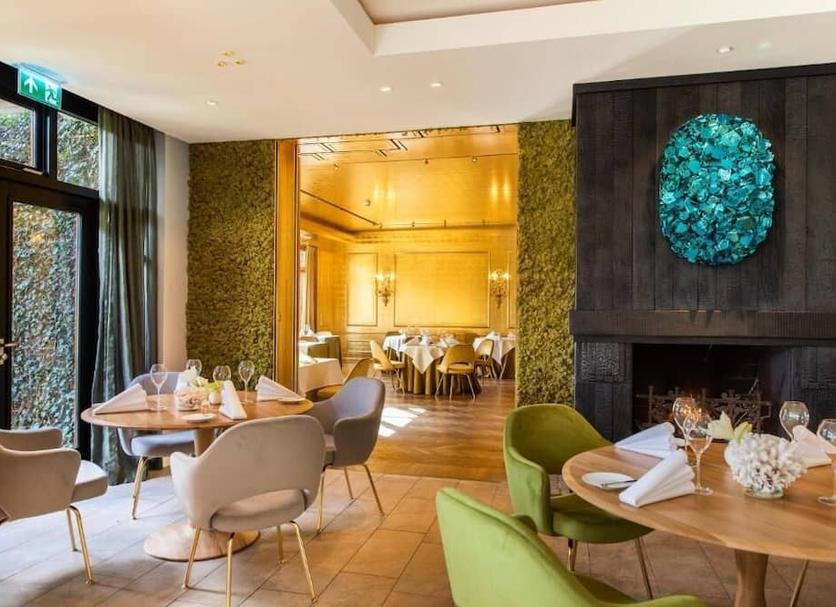
Bars in Medemblik
Browse all →
Hotels in Medemblik
Browse all →
Wineries in Medemblik
Browse all →
Details
- Elegant
- Sophisticated
- Modern
- Intimate
- Date Night
- Special Occasion
- Open Kitchen
- Waterfront
- Extensive Wine List
- Local Sourcing
- Waterfront
- Tasting Menu
- A La Carte
- Vegetarian Friendly
Current opening hours
- Monday
- 6–10 PM
- Tuesday
- Closed
- Wednesday
- Closed
- Thursday
- 6–11 PM
- Friday
- 6–11 PM
- Saturday
- 12–1:30 PM, 6–11 PM
- Sunday
- 12–1:30 PM, 6–10 PM
Hours can change for holidays and private events. Hours as of .
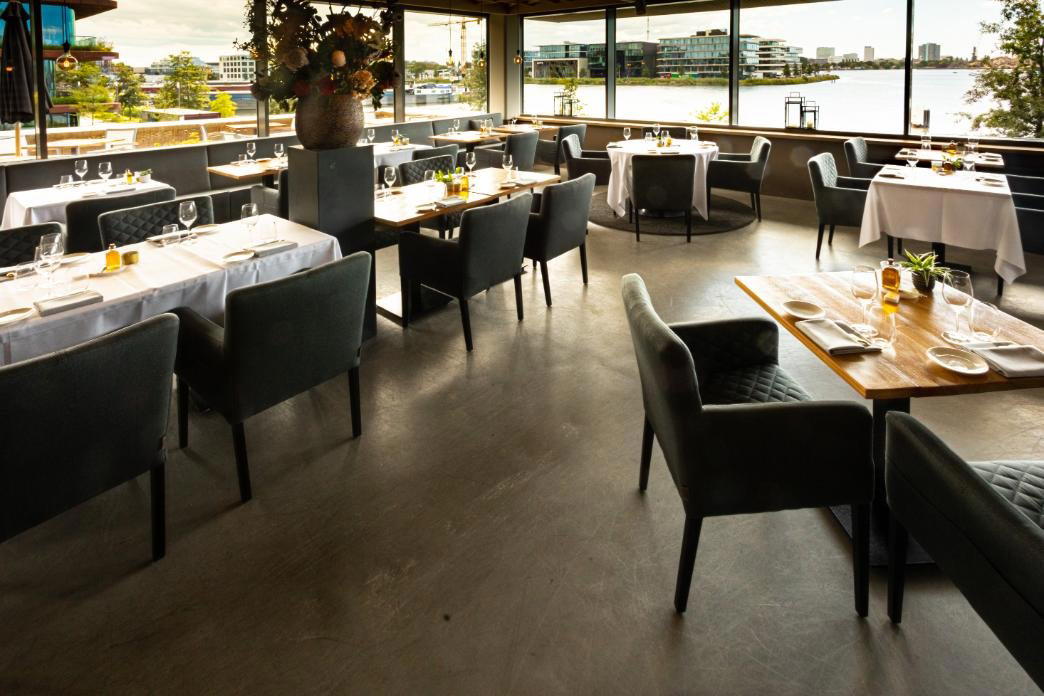
Sleek but atmospheric interior in earthy colors with an open kitchen, creating a sophisticated and welcoming atmosphere.