Apicius

Apicius has held at least one Michelin star every year since 2003, making it among the more consistent fine-dining addresses in the Netherlands. Run by brothers Thorvald and Gaylord de Winter, it sits at the €€€ tier of modern cuisine in Castricum, where classical technique and ingredient discipline define the kitchen's approach. The dining room pairs art and floral arrangements with a kitchen-facing table option for those who want to watch the work unfold.
Pearl is the En Primeur Club membership app — saves, bookings, and concierge access live there. Same editors, same standards.
- Address
- Van der Mijleweg 16, 1901 KD Castricum, Netherlands
- Phone
- +31 251 676 760
- Website
- apicius.nl
- Directions
- Get directions
 Saves & bookings on Pearl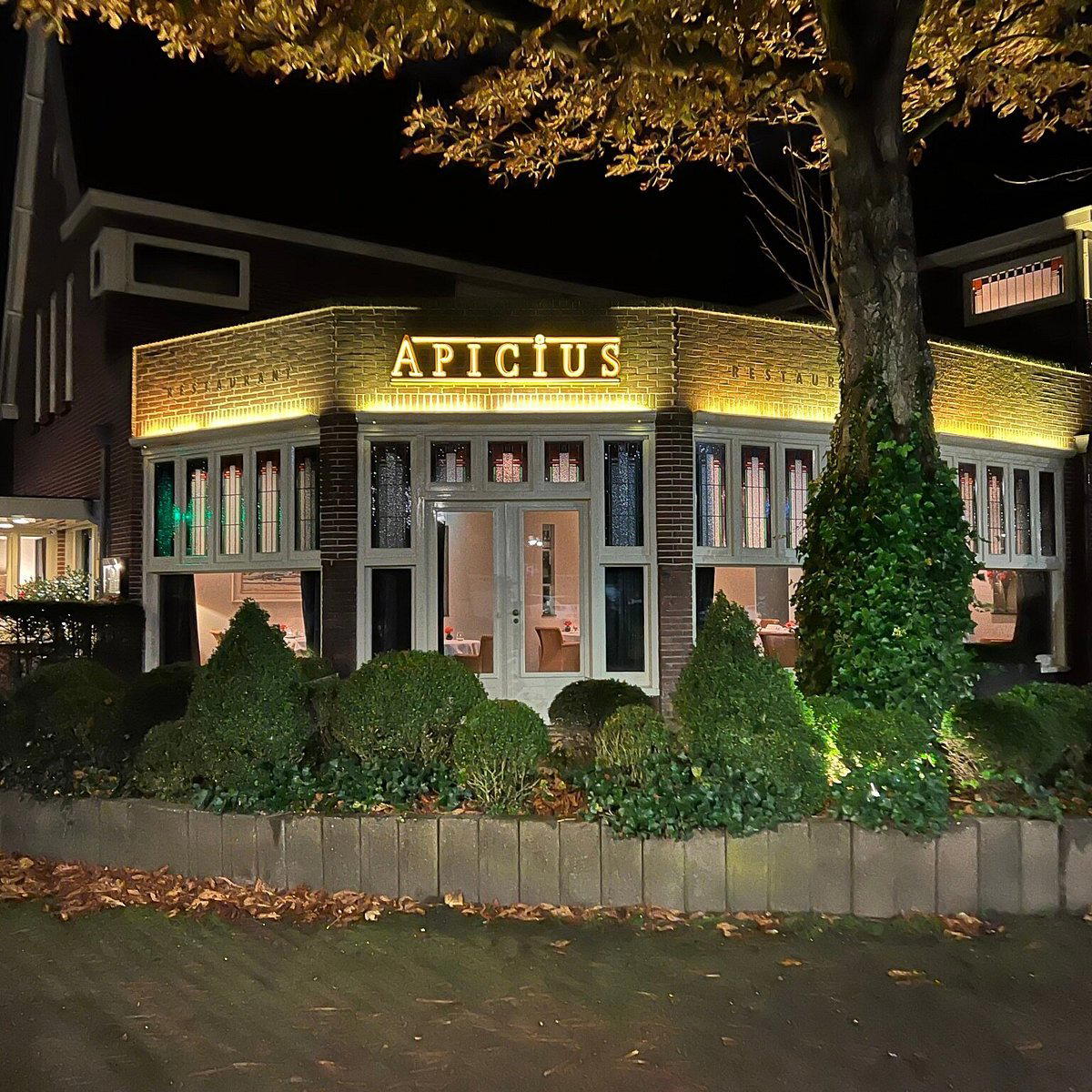
Castricum's Long Game in Fine Dining
Apicius is a one-Michelin-star restaurant in Castricum, Netherlands, at the €€€ price tier. Apicius operates in a different register from most of it, the kitchen at Van der Mijleweg 16 has held at least one Michelin star in every year since 2003, a run that now exceeds two decades. In Dutch fine dining, that kind of consistency places a restaurant in a narrow peer group. Ciel Bleu in Amsterdam and De Bokkedoorns in Overveen represent the coastal and urban poles of that cohort; Apicius sits between them geographically and operates at the €€€ tier rather than the €€€€ level of peers like De Librije in Zwolle or 't Nonnetje in Harderwijk.
The Room Before the Plate
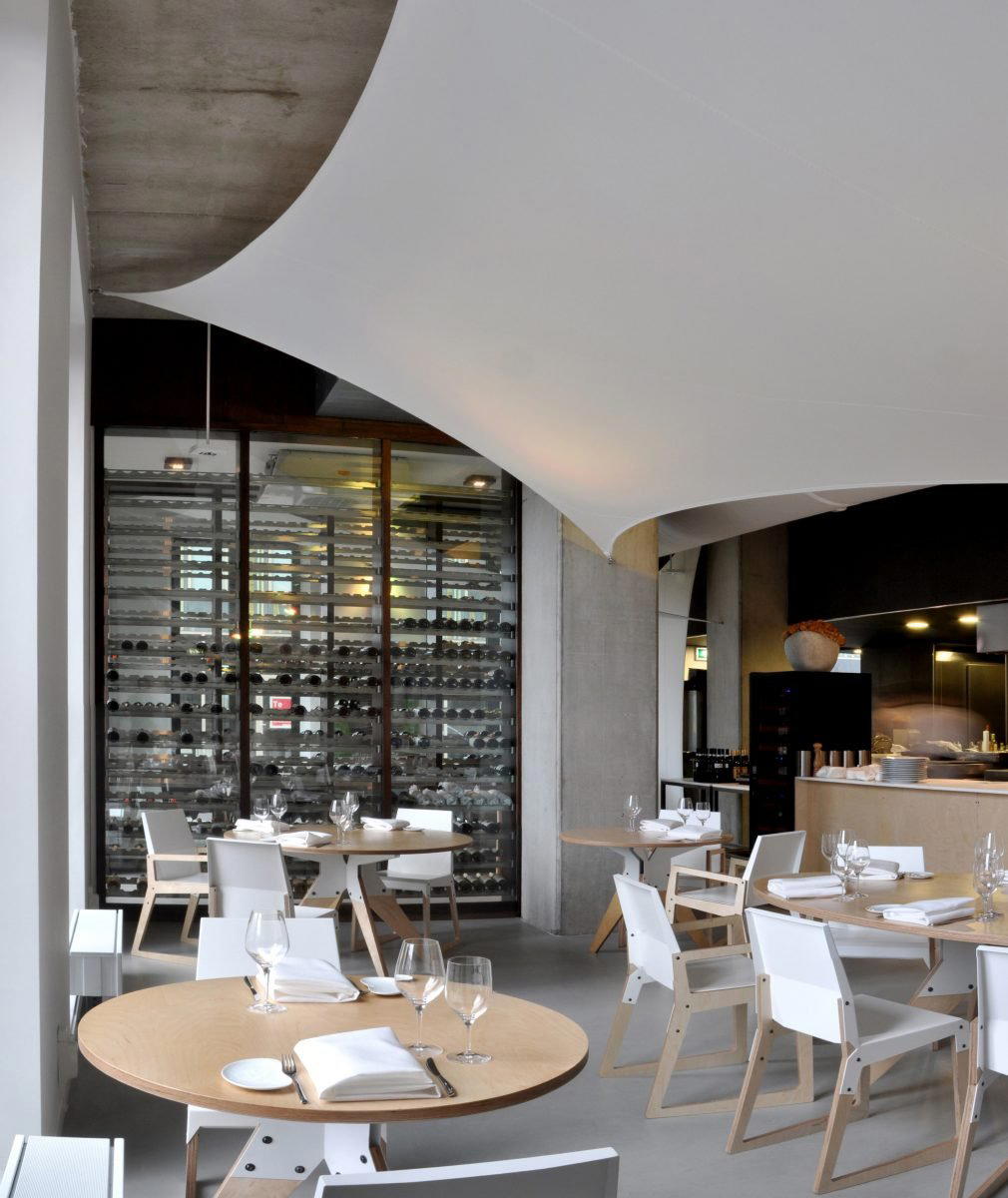
Walking into Apicius, the first thing that registers is the deliberate layering of the space. Art hangs with the same intention that a sommelier brings to a wine list, nothing decorative for its own sake. Floral arrangements shift the room from stiff formality toward something more considered, a setting where the visual environment is treated as part of the overall composition rather than background noise. For guests who want to read the kitchen directly, a table positioned near the pass gives sightlines into the cooking. This is a quieter version of transparency, with a table near the pass available on request.
Ingredient as Argument
The dominant conversation in Dutch fine dining has moved in two directions simultaneously: toward hyper-regional ingredient sourcing at places like De Nieuwe Winkel in Nijmegen, with its organic focus, and toward ingredient-led classical technique where the sourcing supports the method rather than becoming the message itself. Apicius belongs firmly in the second camp. The cooking approach is organised around not obscuring the ingredients. Fish preparation is the clearest illustration: skin-side searing, timed precisely, followed by refined finishing and a sauce built for depth rather than complexity. The acidity in a sea bass preparation comes from a foam made with house-made pickles, a specific technical choice that points to where the kitchen invests its attention. The pickle itself implies a commitment to in-house production at the detail level, not just at the headline ingredient level.
That same precision carries into the sweet courses. A pistachio ice cream described in terms of texture, velvety, not merely flavoured, signals that the kitchen treats the pastry programme with the same seriousness as the savoury work. These are not afterthoughts. In rooms where wine pairings are chosen with the care that a Burgundy-with-fish match requires, the dessert course is expected to meet the same standard.
Classical Technique in a Modern Dutch Context
The kitchen's orientation toward the classics matters here as a contextual signal, not simply a biographical note. The French classical tradition has influenced Dutch fine dining for generations, but the current generation of starred kitchens in the Netherlands has split between those working within that tradition and those departing from it aggressively. Aan de Poel in Amstelveen and Basiliek in Harderwijk represent different points on that spectrum. Apicius is not trying to reinvent the frame; it is trying to execute within it at the highest level, and the unbroken Michelin recognition since 2003 suggests that approach continues to hold its authority with the guide's inspectors.
The wine programme reinforces this positioning. Pairing a Burgundy with a fish course is a choice that reflects both classical training and a willingness to follow flavour logic rather than convention for its own sake. White Burgundy alongside a rich fish dish is orthodox; choosing it deliberately, and being noted for it, suggests the service here operates with the same ingredient-level intentionality as the kitchen. For context on how wine-focused pairings function across modern European formats, Borkonyha Winekitchen in Budapest offers a useful comparative reference in the wine-kitchen integration model.
Where Apicius Sits in the comparable set
At the €€€ tier, Apicius prices below the two- and three-star Dutch tables. De Lindehof in Nuenen, De Lindenhof in Giethoorn, and De Groene Lantaarn in Staphorst each operate in their own regional contexts with distinct ingredient philosophies. Brut172 in Reijmerstok represents the creative-rural end of that spectrum. Apicius shares the single-star bracket and the classical-foundation approach with a subset of these, though its specific location, in a coastal town between the dunes and Alkmaar's agricultural plain, gives the kitchen access to both North Sea fish and regional produce without requiring the sourcing narratives that define restaurants further from their ingredient base.
For guests who are exploring the wider Castricum area, Le Moulin operates at the €€ tier and represents the town's traditional end of the dining spectrum, useful context for understanding where Apicius sits within the local range.
Planning a Visit
Apicius is located at Van der Mijleweg 16, 1901 KD Castricum. Castricum is accessible by train from Amsterdam Centraal on the Alkmaar line, with the journey running approximately 35 minutes; the restaurant is a short distance from the station by taxi. Advance booking is essential, particularly for weekend service. The kitchen runs at the €€€ price point, which positions dinner comfortably below the €€€€ tier of multi-star Dutch tables without stepping down into informal territory. Request the kitchen-facing table when booking if watching the pass is part of what you are after.
Comparable Venues
Comparable venues nearby, for context on price, style, and recognition.
| Venue | Cuisine | Price | Awards | Notes |
|---|---|---|---|---|
| ApiciusThis venue — the venue you are viewing | French Fine Dining | $$$$ | Michelin 1 Star | Not listed |
| Le Moulin | Classic French-Flemish | $$$ | Michelin Plate | Castricum |
| Flicka | Modern French Fine Dining | $$$$ | Michelin 1 Star | Kerkdriel |
| Ratatouille Food & Wine | Modern French Fine Dining | $$$$ | Michelin 1 Star | Centrum |
| Central Park | Modern French Fine Dining | $$$$ | Michelin 1 Star | Vreugd & Rust |
| De Nederlanden | French-Dutch Fine Dining | $$$$ | Michelin 1 Star | Vreeland |
Recognition history
Dated appearances from independent guides and award organizations, with the underlying list record or original source where available.
Michelin 1 Star
Michelin
Continue exploring
More in Castricum
Restaurants in Castricum
Browse all →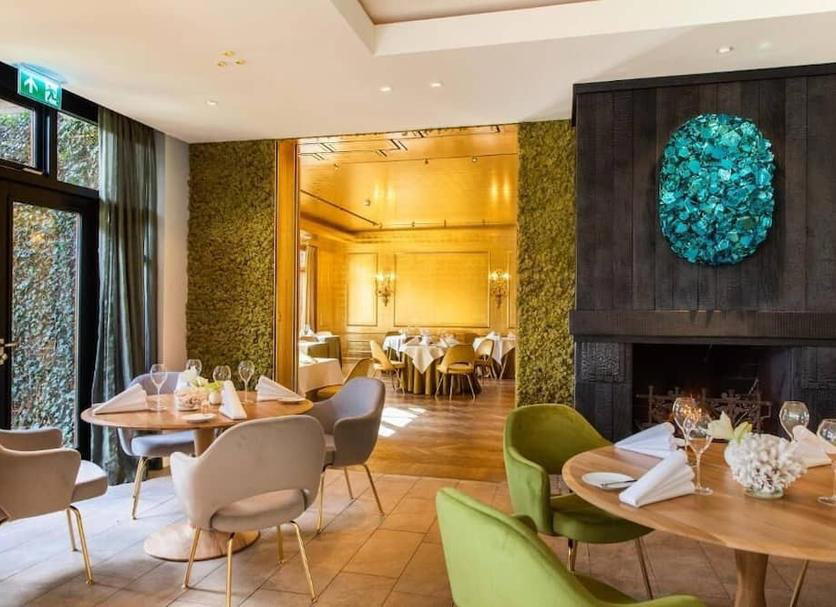
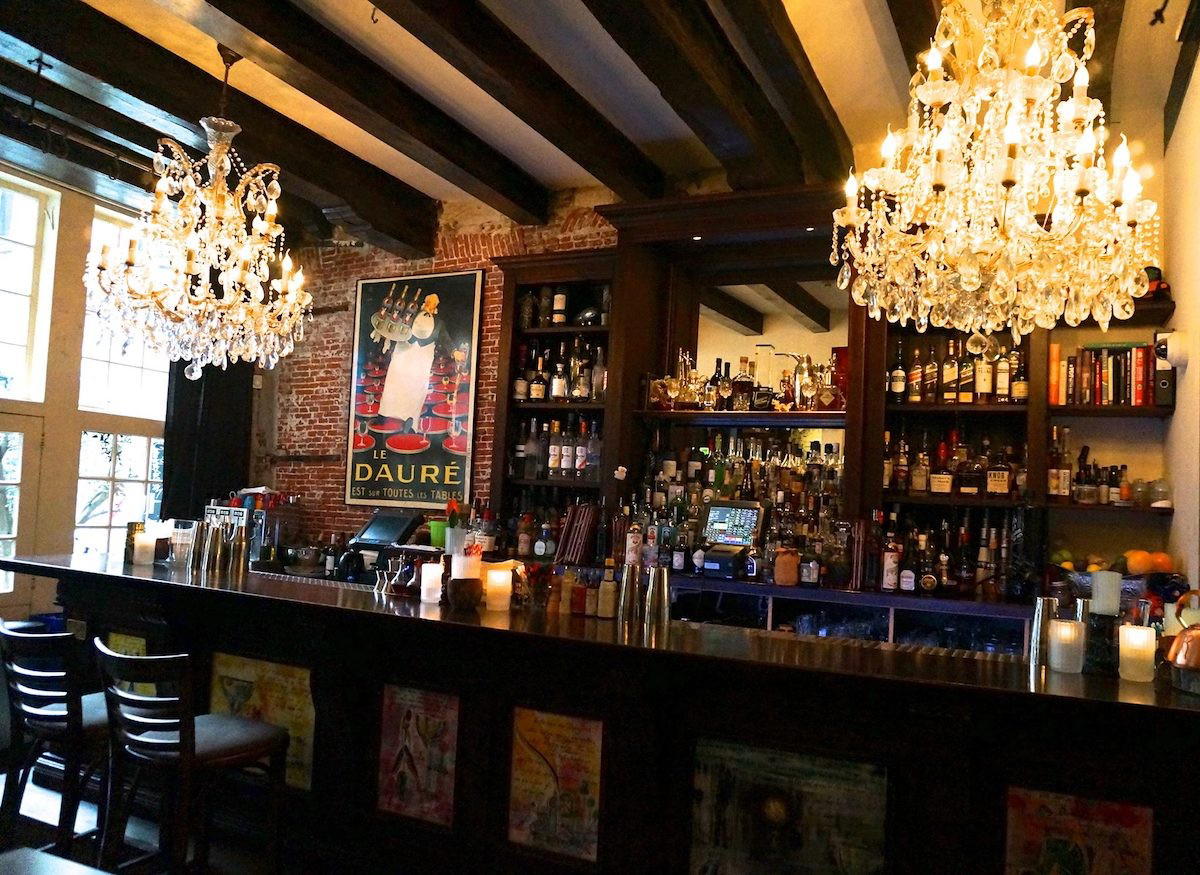
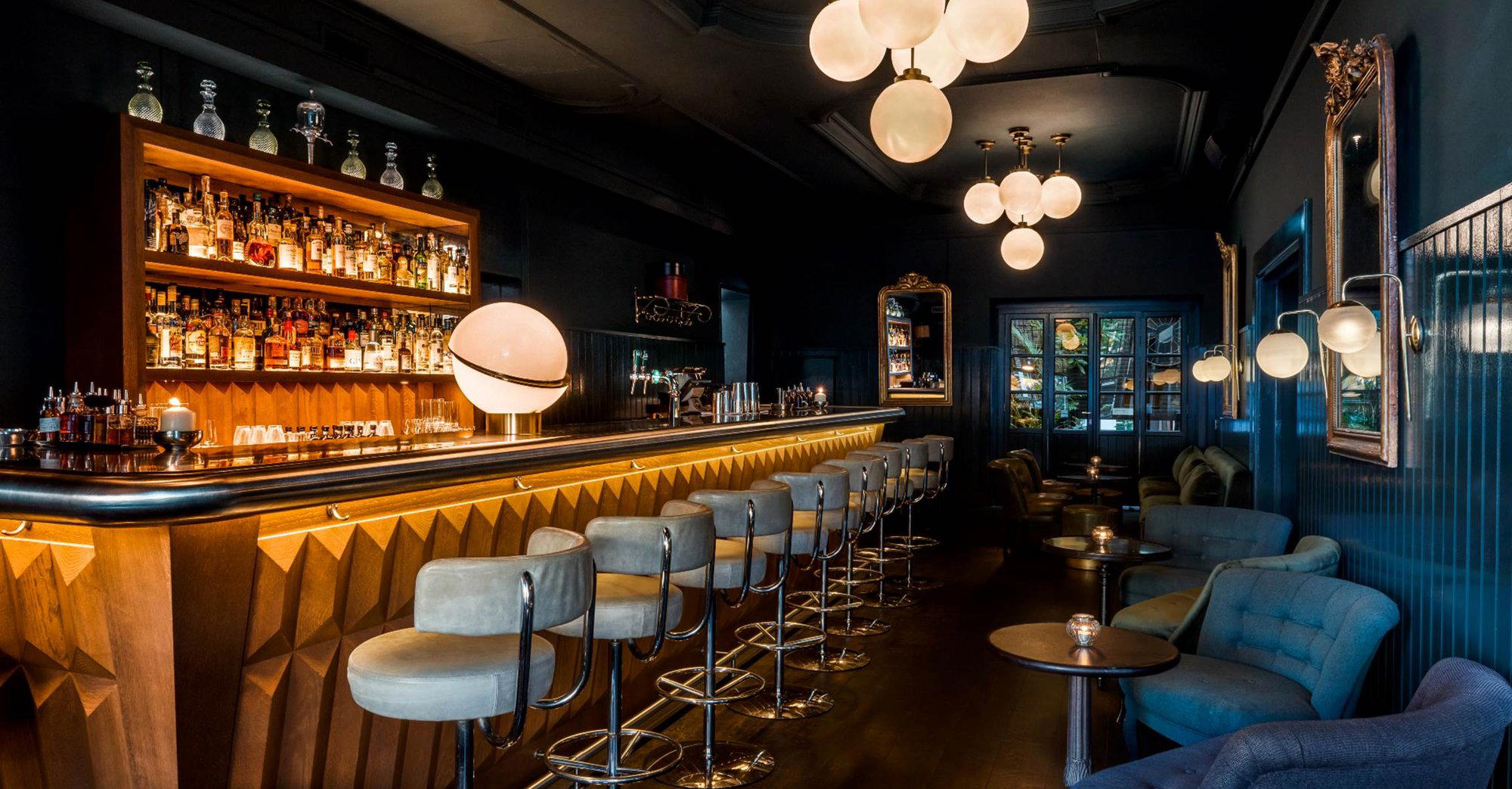
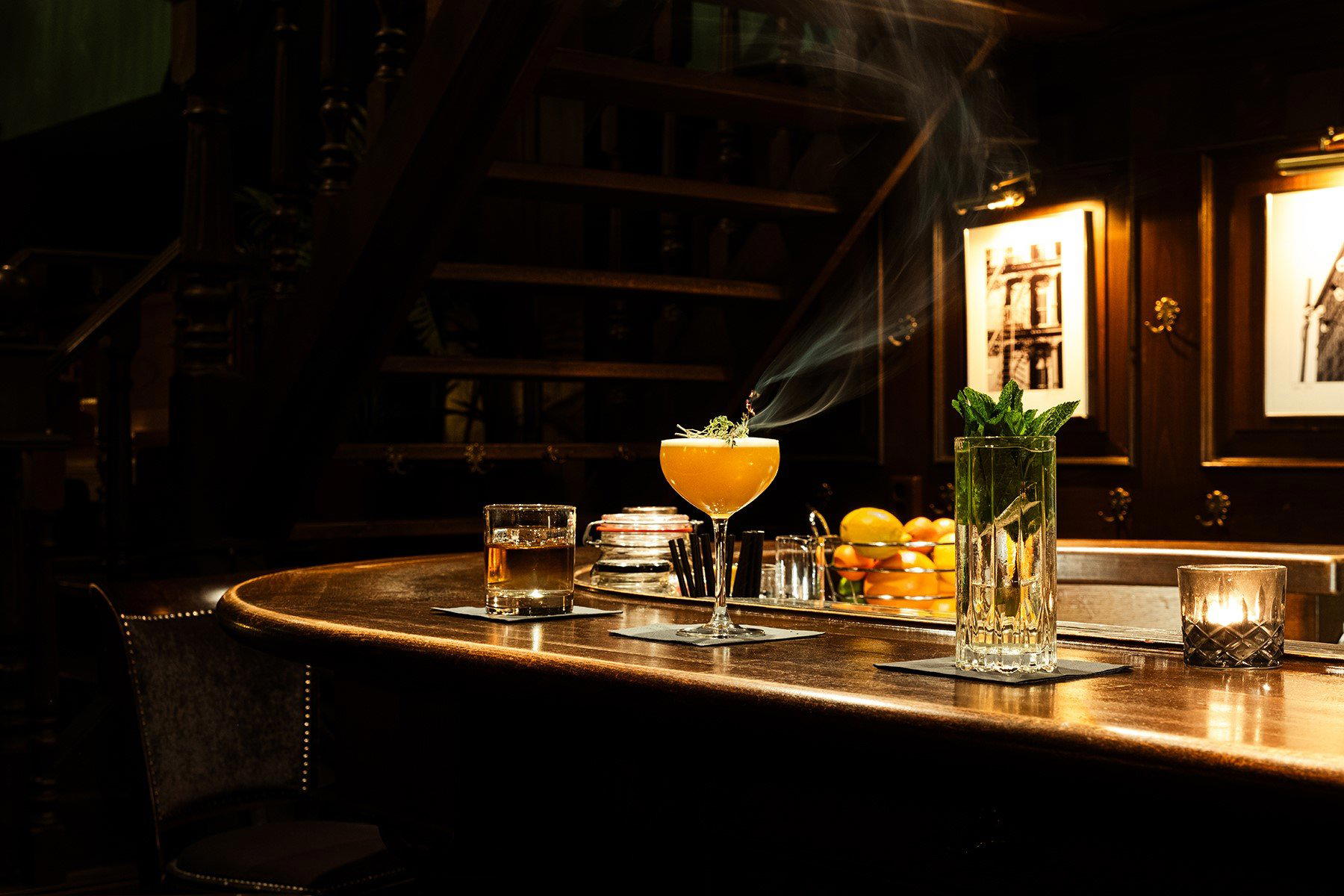
Bars in Castricum
Browse all →
Hotels in Castricum
Browse all →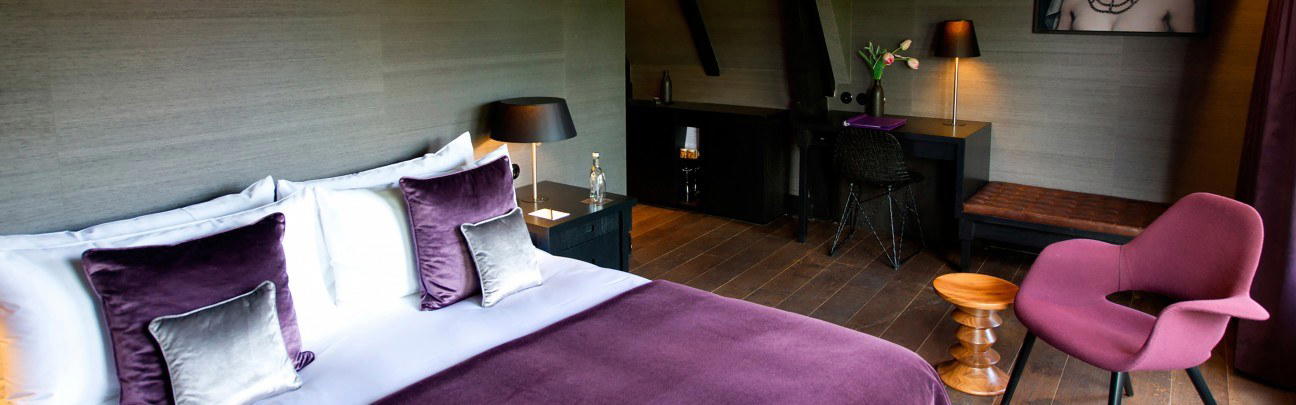
Wineries in Castricum
Browse all →
At a Glance
- Elegant
- Sophisticated
- Intimate
- Classic
- Date Night
- Special Occasion
- Business Dinner
- Open Kitchen
- Extensive Wine List
- Local Sourcing
Current opening hours
- Monday
- Closed
- Tuesday
- 12–2 PM, 6–9 PM
- Wednesday
- 12–2 PM, 6–9 PM
- Thursday
- 12–2 PM, 6–9 PM
- Friday
- 12–2 PM, 6–9 PM
- Saturday
- 12–2 PM, 6–9 PM
- Sunday
- Closed
Hours can change for holidays and private events. Last verified .
Elegant setting surrounded by art and floral decorations with a relaxed yet refined atmosphere.