BBar TwentySeven
BBar TwentySeven occupies a third-floor address on Dam 27, placing it in the ceremonial centre of Amsterdam rather than the canal-ring speakeasy circuit. With no published awards, price range, chef, or drinks list in the available record, it is better read through location and format: a central bar to assess against Amsterdam’s broader cocktail culture, not a venue to approach on reputation alone.
Pearl is the En Primeur Club membership app — saves, bookings, and concierge access live there. Same editors, same standards.
- Address
- Dam 27, 1012 JS Amsterdam (Third Floor)
- Directions
- Get directions
 Saves & bookings on Pearl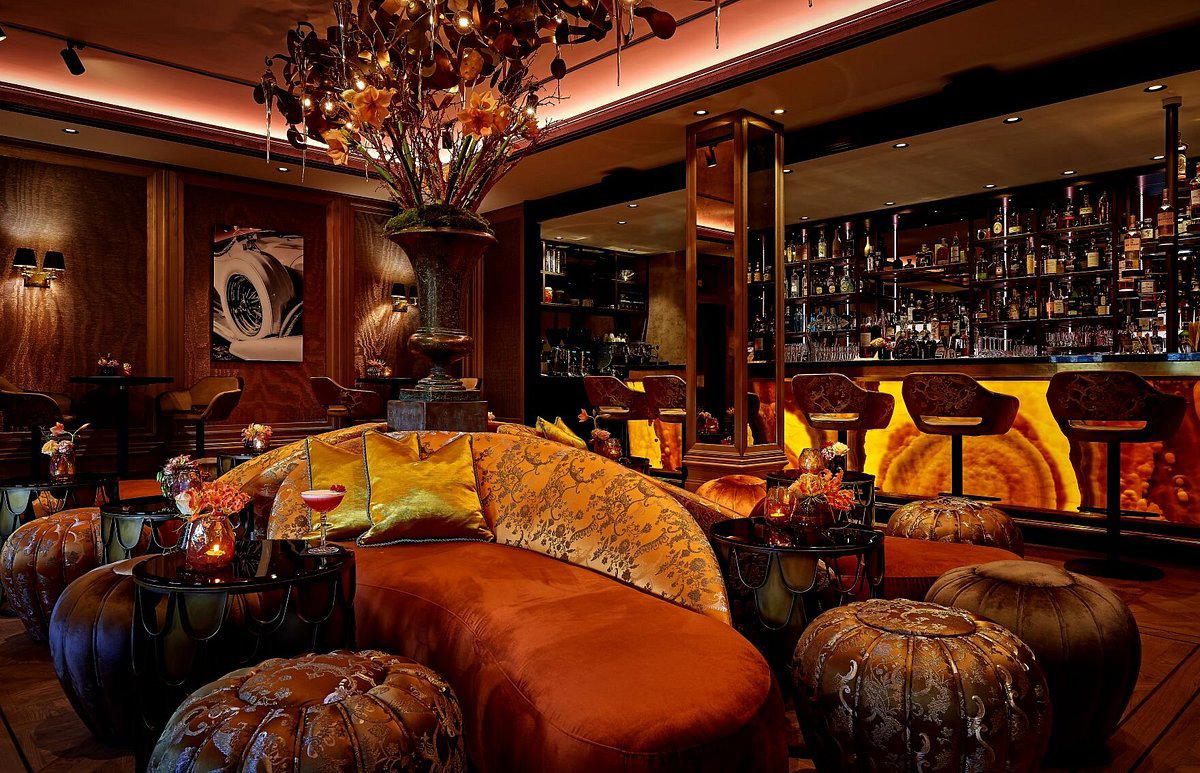
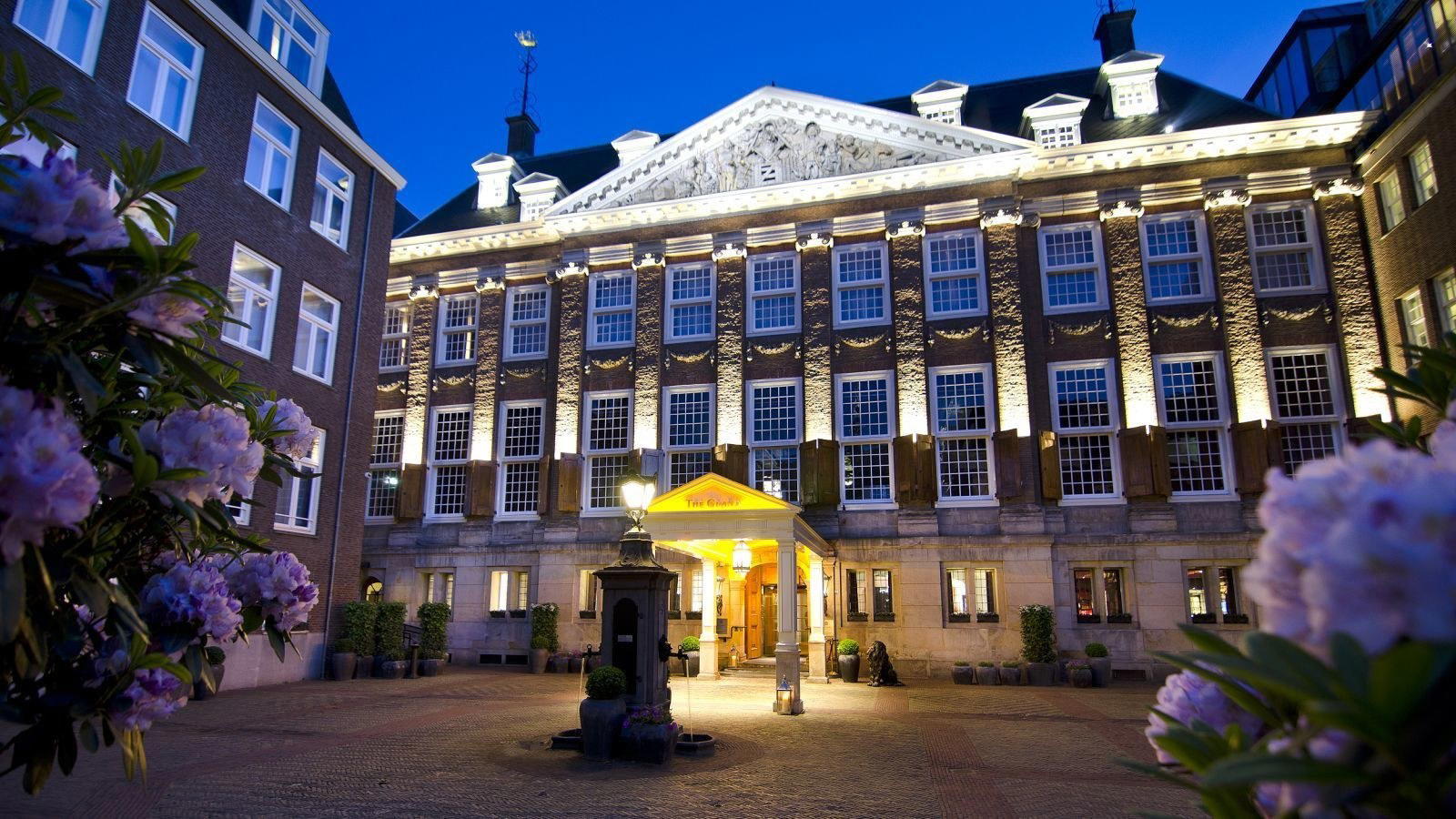
Dam Square does not let a bar arrive quietly. Trams grind past, hotel doors open onto camera straps and shopping bags, and the city’s civic theatre sits in plain view before the address rises above it: Dam 27, third floor. That vertical move matters. Amsterdam’s bar culture often trades on concealment, canal-house intimacy, or neighbourhood looseness, but a third-floor central address changes the rhythm. The approach is less backstreet discovery than urban compression, with the bar positioned above one of the city’s busiest public stages.
For a cocktail-led night in Amsterdam, that setting creates a particular expectation. The city now supports several drinking modes at once: appointment-style cocktail rooms, brown cafés with centuries of social muscle, hotel bars built for international guests, and hybrid venues where food, music, and drinks share the same billing. That absence is not a flaw to decorate with guesswork. It is the central planning fact: this is a bar to verify directly before relying on it for a tightly scheduled evening.
Dam Square changes the cocktail brief
Amsterdam’s drinking geography is not neutral. A bar near Dam Square enters a field shaped by hotel traffic, late shopping, theatre-adjacent movement, and visitors who may only have one evening in the city. That is different from the Jordaan, where the pleasure often lies in a slower walk between small rooms, or De Pijp, where casual dining and late drinks blur together. In the centre, a bar has to work against noise, footfall, and the assumption that prime location can substitute for a serious programme.
The more interesting central bars do the opposite. They use visibility and access as pressure, not protection. A strong cocktail programme in this part of Amsterdam needs clarity: a list that can handle mixed levels of guest knowledge, staff who can translate technique without turning service into a lecture, and pacing that suits both a first drink before dinner and a later, longer stay. Its location gives the bar a demanding competitive test; its publicly available record, at least here, does not yet provide enough evidence to rank its drinks against the city’s specialist rooms.
That distinction matters for travellers comparing options. Door 74 speaks to Amsterdam’s reservation-era cocktail culture, where controlled entry and bartender theatre became part of the night. Tales & Spirits represents the city’s more playful, technique-aware style, with cocktails treated as a full evening rather than a prelude. Advocatuur points to a more Dutch-specific drinking conversation, built around advocaat and local reference points rather than imported speakeasy language. Against those peers, a Dam 27 third-floor bar has to be assessed less by address glamour than by the precision of what lands in the glass.
The Amsterdam cocktail scene has moved past secret doors
Amsterdam once imported much of its modern cocktail vocabulary from London and New York: dim rooms, pre-Prohibition templates, bar spoons treated as stage props. That phase mattered because it professionalised the city’s mixed-drink culture, but it no longer defines the whole scene. The stronger current now is broader and more local in practice. Bars can be serious without hiding. Menus can use Dutch flavours without becoming folkloric. Technical drinks can sit beside low-intervention wine, beer, and food without losing authority.
This is where BBar TwentySeven’s lack of published category data becomes useful rather than merely limiting. No cuisine type is listed. No chef is attached. No awards are recorded. No price range is provided. The bar therefore should not be sold as a trophy stop, a chef-driven venue, or an award-backed cocktail destination on the basis of the available record. It should be read as a central Amsterdam drinking address whose value depends on current execution: what the list looks like, how the team balances classics and house drinks, and whether the room can sustain attention beyond its location.
Amsterdam has enough cocktail credibility that location alone is a weak argument. The city’s serious drinkers have learned to compare format. Is the bar built for a two-drink stop or a longer session? Does the menu foreground technique, provenance, or theatrical presentation? Are non-alcoholic drinks treated as a parallel programme or an afterthought? Does the room suit conversation, or is it better for a louder group? Those questions are more useful than asking whether a central bar is fashionable. In a market with established cocktail rooms and a growing all-day dining culture, the more disciplined traveller asks what role a bar plays in the evening.
What the available record does and does not prove
It is not a place to anchor a night solely on the basis of awards, because none are recorded here. The practical response is simple: confirm current operating details through a reliable live source before placing it between dinner and a late train, theatre curtain, or airport transfer.
The upside is location. Dam 27 sits in the city centre, so the bar can fit naturally into a day that includes the historic core, major hotels, shopping streets, and canal-ring dining. The risk is the same as the advantage: central Amsterdam produces heavy pedestrian pressure, especially around weekends, holidays, and peak travel months. Without a published seat count or booking method in the record, planning should assume that availability may vary by night and that arrival timing matters more than it would at a larger, less central venue.
How to place it within an Amsterdam night
A useful Amsterdam itinerary starts with geography rather than a list of names. If dinner sits in the centre, a third-floor bar on Dam Square can work as the first or last drink without adding a cross-town transfer. If the evening is built around canal-ring cocktails, then it makes sense to compare the address with specialist rooms before committing. Our full Amsterdam bars guide is the better planning tool for that comparison, because the city’s bar scene ranges from polished cocktail counters to industrial waterside venues and neighbourhood drinking rooms.
Food plans matter too. Amsterdam’s restaurant scene has become more segmented: tasting-menu rooms, Indonesian rijsttafel institutions, Nordic-leaning kitchens, natural-wine bistros, and hotel dining all pull different drinking needs behind them. A central bar before a formal dinner asks for precision and speed; after a casual meal, it needs enough atmosphere to hold the night. Our full Amsterdam restaurants guide helps match those rhythms, while Our full Amsterdam hotels guide is useful for travellers keeping the evening close to their room rather than turning drinks into a logistics project.
The wider Dutch context is worth remembering. Amsterdam dominates international attention, but the country’s drinking and dining culture is not confined to the capital. Restobar Fiftyeight in Nijmegen and Boode Foodbar in Bathmen point to a broader national pattern, where bars increasingly overlap with restaurants, casual food, and social drinking rather than sitting in a separate cocktail-only lane. For an international comparison, Café La Trova in Miami shows the opposite model: a bar whose identity is inseparable from music, Cuban-American drinking culture, and a named city tradition. Amsterdam’s centre is less singular than that, which makes format and evidence more important.
The cocktail programme: what to look for
The better approach is to arrive with a critical framework. A credible cocktail programme in Amsterdam should be able to make classics cleanly, explain house drinks without vagueness, and offer a non-alcoholic option with the same care as the alcoholic list. If the menu leans on clarified drinks, fat washing, ferments, or infusions, those techniques should make the drink clearer, drier, brighter, or more structured, not merely longer to describe.
In the current European cocktail conversation, technique has lost some of its novelty. Guests have seen milk punches, pre-batched highballs, seasonal shrubs, and low-ABV aperitif builds across multiple cities. The stronger bars now use those tools selectively. Amsterdam’s mature cocktail rooms understand that a drink has to survive the second sip, not just the menu description. At a central address, that discipline is even more valuable because mixed audiences can push menus toward broad sweetness and visual shortcuts.
This is the key test for BBar TwentySeven: whether the bar behaves like a serious cocktail room that happens to sit on Dam Square, or a central venue that treats cocktails as part of a general hospitality offer. Both can be useful, but they serve different nights. Travellers seeking bartender-led conversation and a deep list should compare it carefully with established cocktail specialists. Travellers needing a central, above-the-square drink may value convenience more than technical ambition, provided current hours and access align.
Planning notes before going
The verified address is Dam 27, 1012 JS Amsterdam, third floor. That means planning should be conservative. Check current opening status through a reliable live listing or direct channel before setting out, especially on Sundays, Mondays, public holidays, and during major city events. If the evening depends on a guaranteed table, confirm availability rather than assuming walk-in access.
Budgeting also requires caution. Amsterdam cocktail pricing varies sharply between neighbourhood bars, hotel bars, and specialist rooms, and the record does not place this venue in a published price tier. The safest editorial assumption is not that it is cheap or expensive, but that the Dam Square location may carry central-city pricing. Build flexibility into the evening, particularly if the bar is one stop in a longer route.
For travellers building a fuller Amsterdam trip, drinks should not be planned in isolation. Our full Amsterdam experiences guide helps structure the day around museums, canals, and cultural programming before the evening begins. Our full Amsterdam wineries guide is relevant for readers tracking wine-led stops and tastings, even in a city better known for bars than vineyards. Amsterdam Roest offers a contrasting, more industrial social-drinking reference point, useful for understanding how far the city’s bar formats stretch beyond the historic centre.
Continue exploring
More in Amsterdam
Bars in Amsterdam
Browse all →
Restaurants in Amsterdam
Browse all →
Hotels in Amsterdam
Browse all →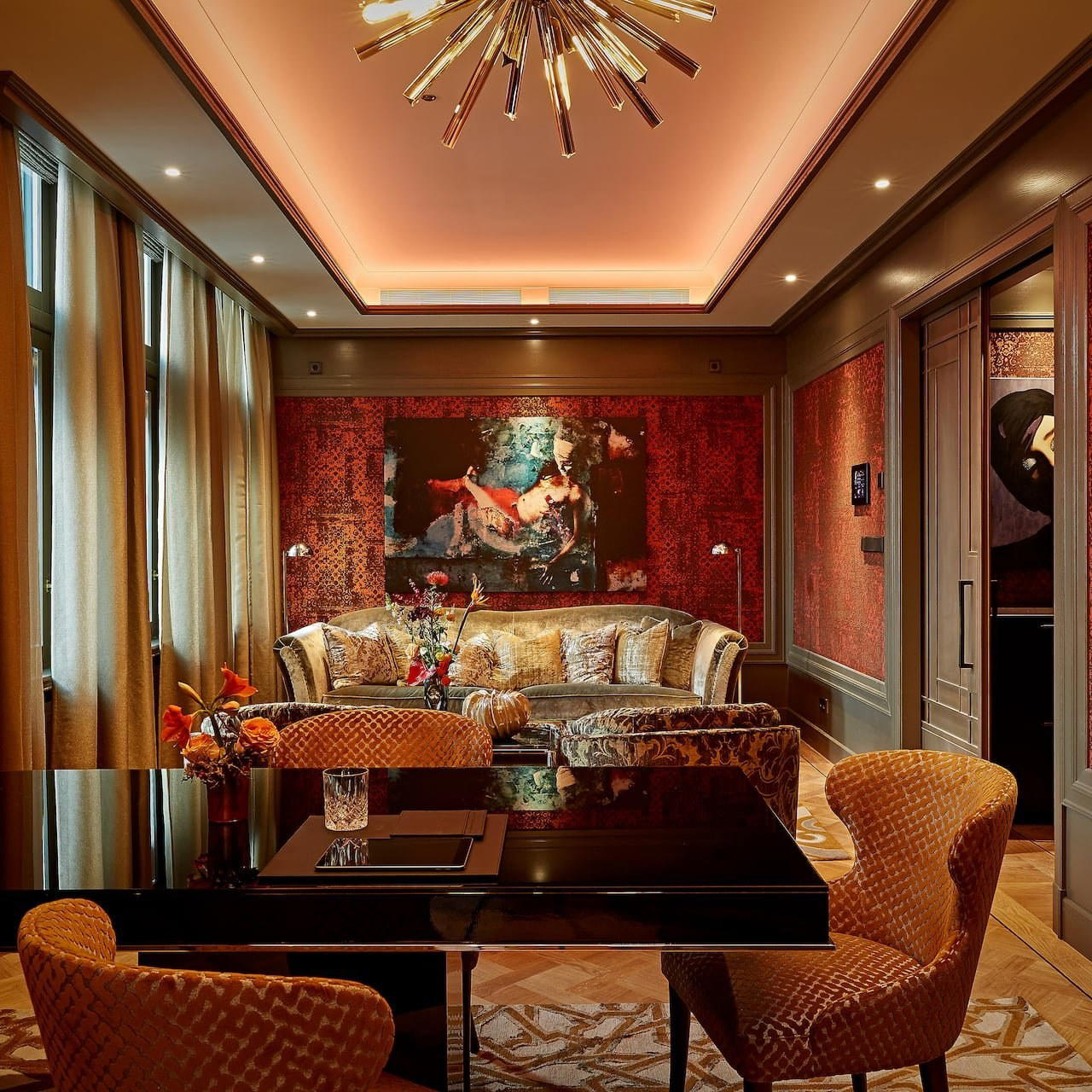
Wineries in Amsterdam
Browse all →
At a Glance
- Elegant
- Sophisticated
- Ornate
- Romantic
- Trendy
- Date Night
- After Work
- Special Occasion
- Celebration
- Solo
- Group Outing
- Panoramic View
- Design Destination
- Hotel Bar
- Historic Building
- Seated Bar
- Lounge Seating
- Booth Seating
- Craft Cocktails
- Classic Cocktails
- Whiskey
- Conventional Wine
- Zero Proof
- Street Scene
- Skyline
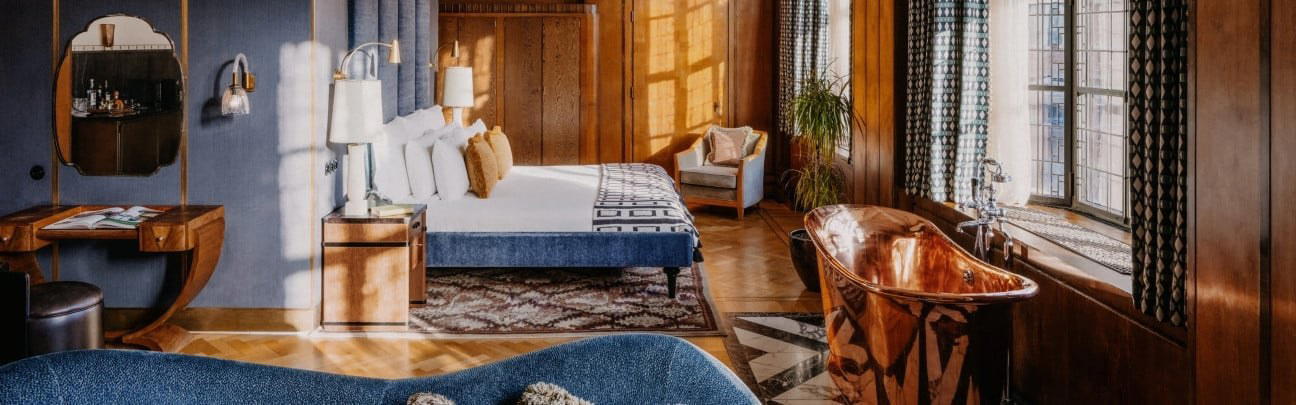
Luxurious and design‑driven with notable art, rich materials and an intimate, elegant atmosphere that still feels relaxed; lighting is warm and subdued, framing views over Dam Square for a sophisticated yet comfortable drinking experience.
Know Before You Go
- Getting there
- Dam 27, 1012 JS Amsterdam (Third Floor)