Shui Kee is a Hong Kong dining address that sits within the city's deeply competitive Cantonese and Chinese restaurant scene. With sparse public-facing information and no declared awards profile, it occupies a tier that rewards local knowledge over guidebook navigation. Visitors seeking context should read it alongside Hong Kong's broader restaurant landscape before booking.
Pearl is the En Primeur Club membership app — saves, bookings, and concierge access live there. Same editors, same standards.
- Address
- Hong Kong, Hong Kong
- Directions
- Get directions
 Saves & bookings on Pearl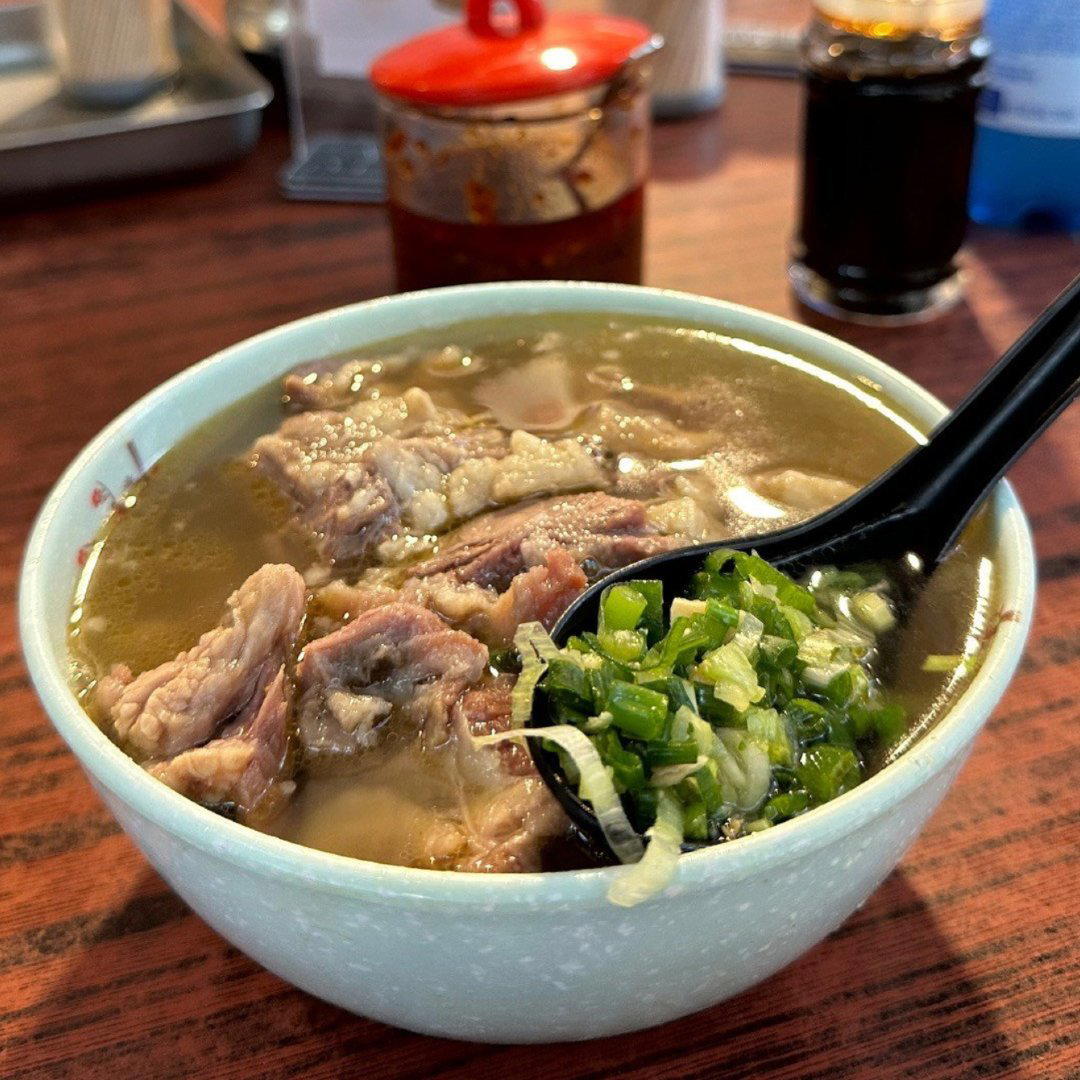
Reading a Room: Shui Kee in Hong Kong's Dining Hierarchy
Shui Kee is a Hong Kong cha chaan teng with a casual dress code, walk-in-friendly service, and an entry-level price point of about US$5 per person. Hong Kong's restaurant culture does not reward passivity. The city operates across dozens of distinct dining registers simultaneously, from Michelin-starred Cantonese rooms where reservations close weeks in advance to neighbourhood dai pai dong counters where the queue is the only reservation system that matters. Shui Kee exists somewhere within that spread, and its verified profile points instead to an everyday local address where word-of-mouth and repeat custom carry more weight than formal recognition.
That is not unusual in Hong Kong. Many local rooms have held a steady clientele for years, sometimes decades, without formal recognition. The ceiling fans still turn, the tea arrives before anyone asks, and the kitchen communicates through dishes rather than press releases. The restaurant belongs to that tradition of direct neighborhood dining, and a visit depends more on the meal than on published credentials.
The City Context That Shapes Every Table
To understand any Hong Kong restaurant without a declared awards profile, it helps to understand the competitive density it operates within. At the formal end, Cantonese dining in the city has produced particularly technically demanding cooking in the world. Forum in Wan Chai has maintained its position as a benchmark for braised and roasted Cantonese traditions across multiple decades. Amber at the Landmark Mandarin Oriental represents the French contemporary approach that Hong Kong's international dining tier has refined over twenty years. At the Italian end, 8 1/2 Otto e Mezzo Bombana and Caprice at the Four Seasons hold positions inside the highest Michelin brackets. Ta Vie operates in the Japanese-French innovative register with equal recognition.
These addresses represent one layer. Below and alongside them, Hong Kong sustains an enormous middle and local tier that functions on entirely different logic. Places like Lei Garden in Sha Tin or Hoi Tin Garden in Tuen Mun demonstrate how Cantonese cooking at a neighbourhood level can hold serious quality over time without ever entering the awards conversation. The restaurant sits within this wider picture of local Hong Kong dining.
Service Structure and Team Architecture in Cantonese Rooms
At a local Hong Kong restaurant like Shui Kee, the relationship between kitchen, floor, and guest is negotiated in real time. In the leading rooms of this type, the dynamic is not hierarchical in the way that Western fine dining structures it. The person taking the order may well know the menu better than any printed description could convey, and the implicit expectation is that the guest will follow rather than lead.
This matters because it shapes the entire experience. A table that arrives without Cantonese fluency and without a clear sense of what they want may find the interaction compressed, efficient to the point of feeling abrupt. A table that arrives with some preparation, a clear ask, and a willingness to be directed toward what is fresh or available that day, tends to get a materially different meal. In Hong Kong's local Chinese restaurant tier, that negotiation between floor staff and kitchen constitutes the real service architecture, not the Western model of a sommelier-led sequence.
Venues across the city that do this well demonstrate that kitchen-to-floor communication is the axis on which the meal turns. For those visiting from abroad, the useful comparison point is less Le Bernardin in New York and more Atomix in its commitment to a single coherent vision, even if the format and price bracket sit far apart.
The practical reality of visiting the restaurant is simple: it is a casual, walk-in-friendly Hong Kong cha chaan teng with weekday lunch and afternoon opening hours. For a visitor planning around this venue specifically, local verification is the necessary first step.
For those building a broader Hong Kong itinerary, the city's dining geography rewards neighbourhood-level thinking. The restaurant character of Yau Tsim Mong differs substantially from the Aberdeen waterfront or the density of options across Kwun Tong, where Habib's Indian and Middle Eastern Food points to how international the city's mid-market dining has become. Further out, One-ThirtyOne in Tai Po and King of Soybeans in Wong Tai Sin represent the kind of specialist, locality-specific dining that Hong Kong's outer districts sustain at a level that surprises visitors expecting only urban density. Even Gangstas in the Islands district and I Love Istanbul in Tsuen Wan illustrate the range of what the city's non-central dining corridors produce.
Quick Comparison
Comparable venues nearby, for context on price, style, and recognition.
| Venue | Cuisine | Price | Notes |
|---|---|---|---|
| Shui KeeThis venue — the venue you are viewing | Hong Kong Cha Chaan Teng | $ | Not listed |
| Bee Cheng Hiang (美珍香) | Singaporean Bakkwa Specialist | $ | Tsim Sha Tsui |
| Chee Kei (池記) | Hong Kong Wonton Noodles & Dim Sum | $ | Tsim Sha Tsui |
| On Lee Noodle Soup | Hong Kong Beef Brisket Noodle Soup | $ | Hong Wan |
| Kam Wah Cafe | Hong Kong Cha Chaan Teng | $ | Mong Kok |
| Sun Hing Restaurant | Traditional Cantonese Dim Sum | $ | Western |
Continue exploring
More in Hong Kong
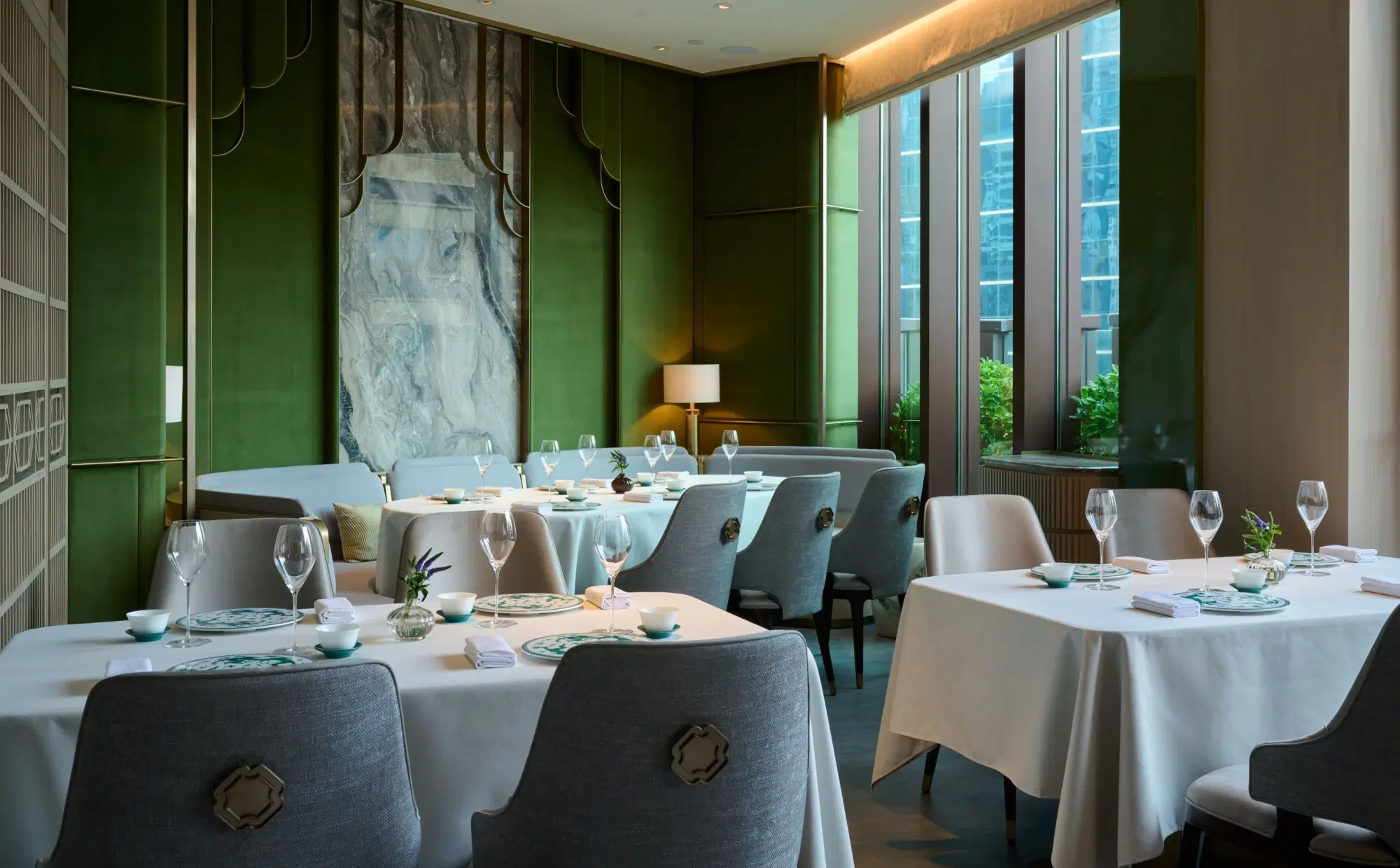
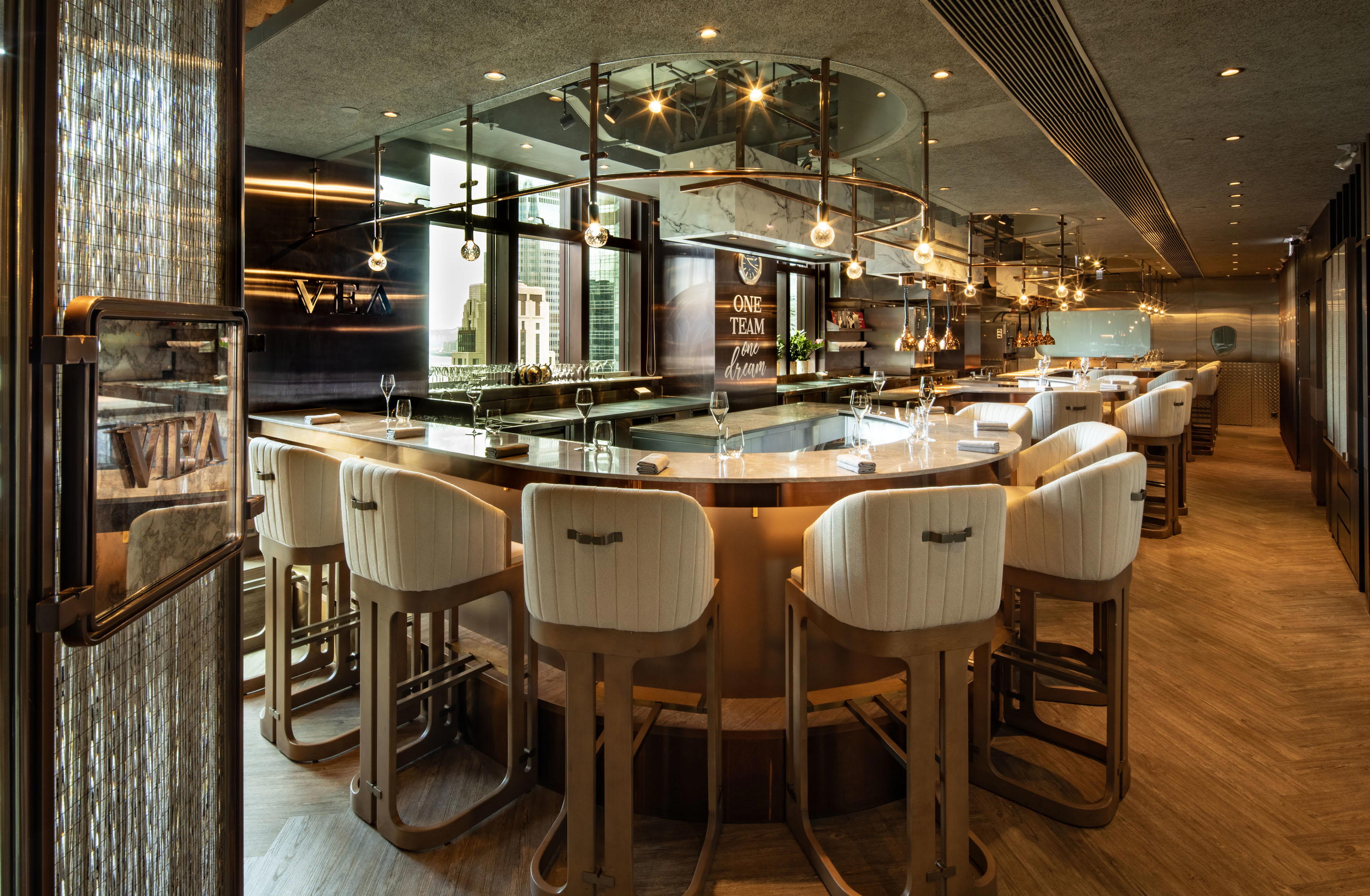
Restaurants in Hong Kong
Browse all →
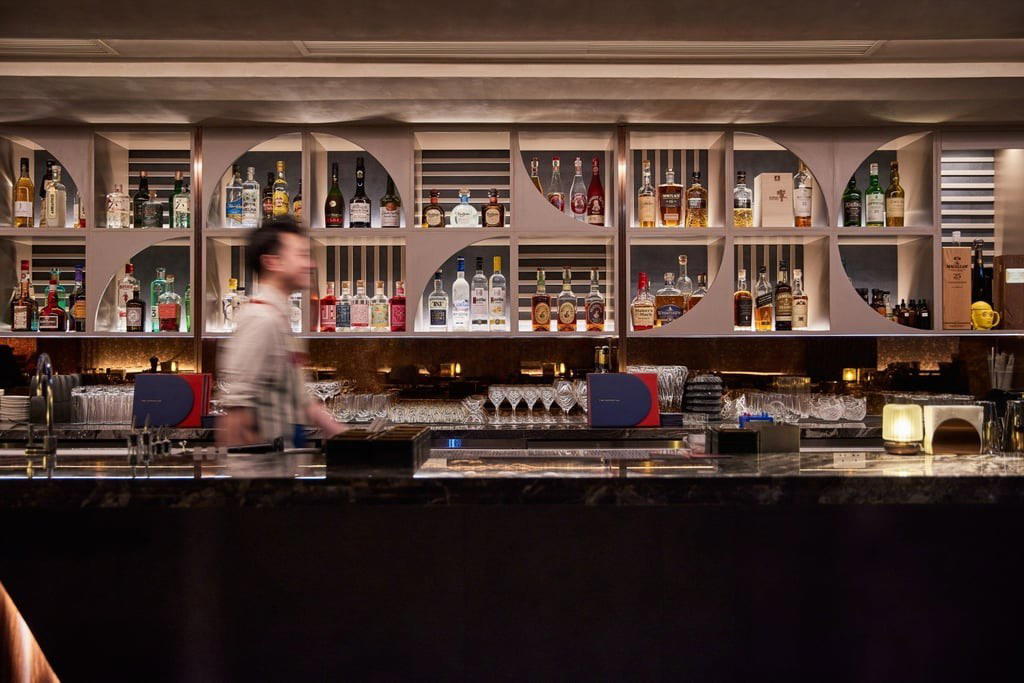
Bars in Hong Kong
Browse all →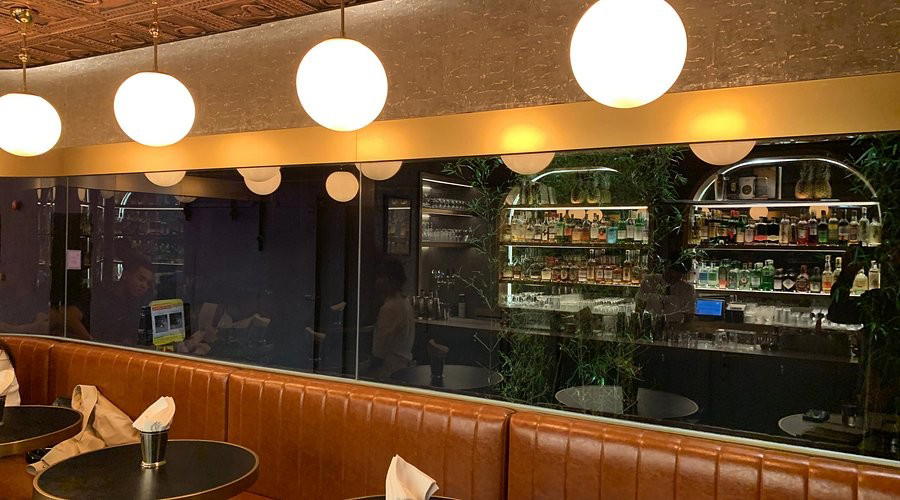
At a Glance
- Classic
- Cozy
- Casual Hangout
- Historic Building
Current opening hours
- Monday
- 11:30 AM–5:30 PM
- Tuesday
- 11:30 AM–5:30 PM
- Wednesday
- 11:30 AM–5:30 PM
- Thursday
- 11:30 AM–5:30 PM
- Friday
- 11:30 AM–5:30 PM
- Saturday
- Closed
- Sunday
- Closed
Hours can change for holidays and private events. Last verified .
No-frills bustling market atmosphere with shared picnic-style tables and counter service.