Chee Kei (池記) serves Hong Kong Wonton Noodles & Dim Sum in Departures West Hall at Hong Kong International Airport, with Wonton Noodles, Crab Congee, and Bamboo Noodles for a quick bite.
Pearl is the En Primeur Club membership app — saves, bookings, and concierge access live there. Same editors, same standards.
- Address
- (Restricted Area) East to West Food Market, Departures West Hall, 6/F, Terminal 1, Hong Kong International Airport
- Directions
- Get directions
 Saves & bookings on Pearl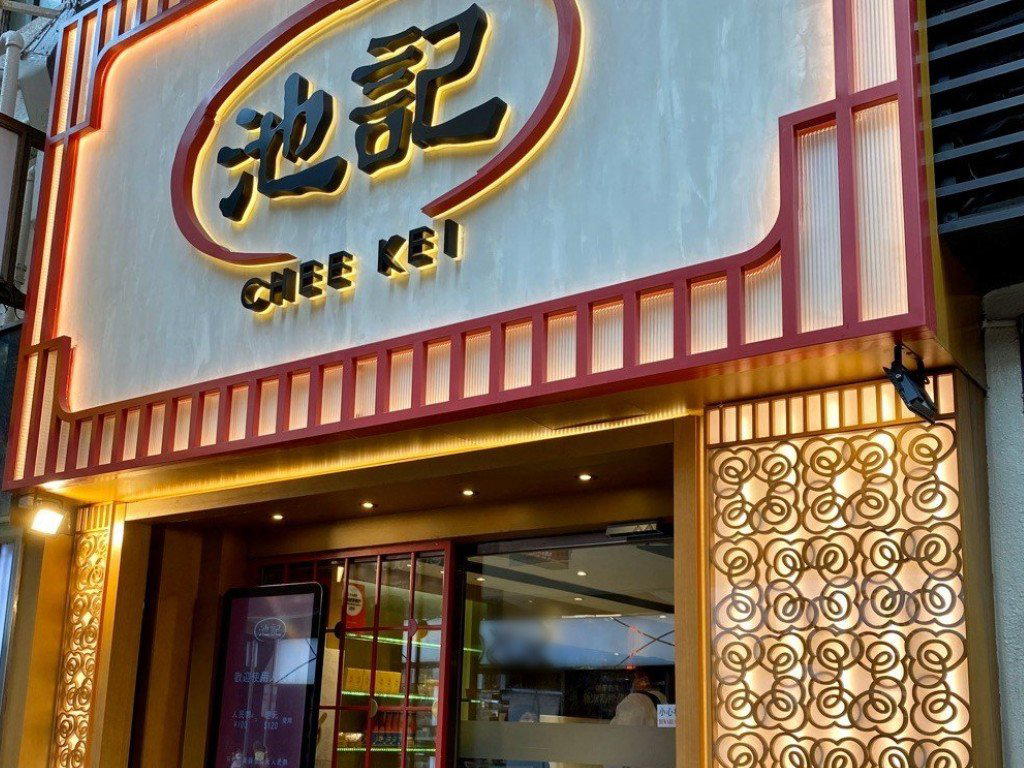
Eating at the Gate: Airport Dining as Ritual
Most airport restaurants ask little of the traveller beyond proximity and patience. Chee Kei (池記), positioned inside the restricted departures zone of Terminal 1 at Hong Kong International Airport, operates differently. The kitchen here brings a Hong Kong wonton noodle institution into the airport, with broth clarity, hand-folded dumplings, and the particular pace of a Cantonese noodle house. The setting is functional, as airport dining spaces invariably are, but the food tradition behind the brand is not.
The Wonton Noodle Tradition It Carries
Cantonese wonton noodle soup occupies a specific and disciplined corner of Hong Kong's food culture. The standard is exacting: broth built from shrimp roe and dried flounder, wonton skins thin enough to show the prawn filling through the wrapper, and noodles with enough alkaline bite to hold their texture through the soup without going soft. This is not a style that tolerates approximation. Chee Kei built its reputation in the city on adherence to those standards, and the airport location carries that same lineage into one of the world's busiest transit hubs. Hong Kong International Airport handles tens of millions of passengers annually, and the concentration of food options it offers spans everything from Michelin-starred rooms, such as Amber and Caprice on the city side, to fast-casual formats that fill seat counts quickly and move passengers through. Chee Kei operates in neither extreme. It holds a middle position as a recognised Hong Kong name brought into the departure experience.
Finding the Venue and Settling In
The location is specific enough to reward planning: East to West Food Market in the Departures West Hall on the sixth floor of Terminal 1, accessible only after clearing immigration. That restriction cuts out a significant portion of casual foot traffic and means the room skews toward departing travellers who have already committed to the terminal. Arriving with time to eat rather than graze is the operative approach. The airport context compresses the unhurried quality that a neighbourhood noodle house in Sham Shui Po or Sheung Wan would offer, but the ordering and eating rhythm of a wonton noodle meal, soup first, chopsticks deployed immediately, broth sipped between bites, is portable enough to survive the setting. For those connecting through Hong Kong rather than originating there, this is one of the few places in the airport that delivers a specifically local eating experience rather than an internationally neutral one.
Where It Sits in Hong Kong's Eating Hierarchy
Hong Kong's food culture divides sharply between high-investment dining rooms and the kind of category-defining dai pai dong or noodle house that draws serious attention from locals and food writers. The city's Michelin coverage has historically acknowledged both ends, with the Guide including cha chaan teng and noodle specialists alongside fine dining operations. Chee Kei's presence in the airport places it in a curated tier of Hong Kong brands that have extended beyond their original format while maintaining product identity. That is a different category from the fine dining rooms worth seeking out on the Kowloon side or in Central, including 8 1/2 Otto e Mezzo Bombana, Ta Vie, or Forum, but it occupies its own place in the city's eating logic. It is also a world away from the set-piece novelty of venues like the Former Jumbo Floating Restaurant in Aberdeen, where spectacle historically did more work than the kitchen. Chee Kei's value proposition is simpler and more honest: a bowl of soup done correctly before a flight.
The Eating Pace and What to Expect
The ritual of a wonton noodle meal has its own internal logic. You order simply: a soup base, a noodle type, a quantity of wontons or dumplings, occasionally a side of pig's knuckle or braised items if the menu runs to them. The food arrives quickly, which is appropriate to both the format and the location. The correct pace is not slow, but it is not rushed either. Noodles in broth have a window, roughly five to eight minutes before texture degrades, and eating within that window is part of the discipline the format demands. At an airport location, that window aligns reasonably well with the practical reality of a meal between check-in and boarding. For reference, a Cantonese noodle meal of this type in the city proper would typically run between HK$50 and HK$120 at quality operations, and the airport location sits in a low price tier.
The Broader Airport Dining Context
Hong Kong International Airport has become one of the more considered airports in Asia for food programming, with a range of recognisable local and regional names supplementing international chains. Passengers spending time at Terminal 1 can find options ranging from quick bites to sit-down meals with full service. Chee Kei fits the sit-down, recognisable-brand tier. It is worth comparing the experience to what is available at other airports in the region: the concentration of genuinely local, quality names at HKIA is unusually high by global standards. Places like Le Salon de Thé de Joël Robuchon in the IFC Mall on the city side and operations like AMMO in Central indicate the breadth of what Hong Kong's dining environment can do; Chee Kei represents the local comfort end of that spectrum rather than the fine-dining or design-led end. For anyone who has eaten seriously in Hong Kong, the noodle at Chee Kei reads as familiar. For first-time visitors departing, it functions as a compressed introduction to one of the city's defining food forms.
Planning Your Visit
Access requires a valid boarding pass for a departing flight from Terminal 1 and clearance through immigration. The venue is positioned in the East to West Food Market in the Departures West Hall, sixth floor. Walk-in is the expected format, consistent with airport food hall operations generally. Factor in the time it takes to clear security and reach the departures level before deciding how much time you have. A focused noodle meal here runs approximately twenty to thirty minutes at a measured pace. Confirm with airport information before building a tight itinerary around it.
Side-by-Side Snapshot
Comparable venues nearby, for context on price, style, and recognition.
| Venue | Cuisine | Price | Notes |
|---|---|---|---|
| Chee Kei (池記)This venue — the venue you are viewing | Hong Kong Wonton Noodles & Dim Sum | $ | Not listed |
| Man Man Kee Noodle Shop | Cantonese Wonton Noodle Shop | $ | Jordan |
| Kung Wo Dou Ban Chong | Traditional Hong Kong Tofu Specialty | $ | Sham Shui Po |
| On Lee Noodle Soup | Hong Kong Beef Brisket Noodle Soup | $ | Hong Wan |
| Wing Kee Noodle | Hong Kong Cart Noodles | $ | Wan Chai |
| Shui Kee | Hong Kong Cha Chaan Teng | $ | Sheung Wan |
Continue exploring
More in Hong Kong
Restaurants in Hong Kong
Browse all →
Bars in Hong Kong
Browse all →
At a Glance
- Lively
- Classic
- Casual Hangout
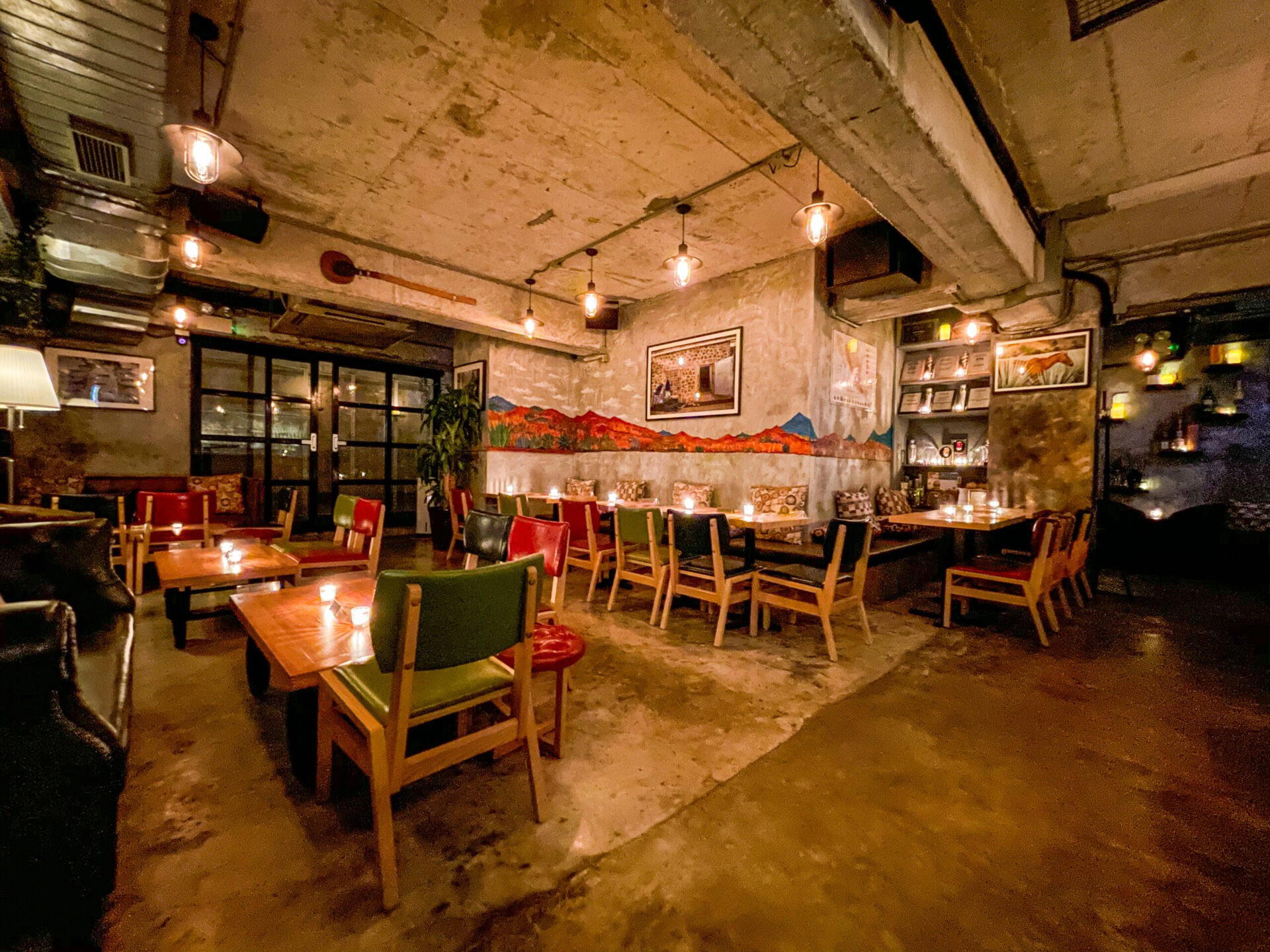
Cramped and bustling atmosphere typical of a busy local noodle shop.