
Yangzhou Lion Pavilion Hotel (Hanjiang branch) holds consecutive La Liste recognitions — 78 points in 2025 and 79 in 2026 — placing it among a small group of Yangzhou restaurants with international critical visibility.
Pearl is the En Primeur Club membership app — saves, bookings, and concierge access live there. Same editors, same standards.
- Address
- 338 Hanjiang Middle Rd, Hanjiang District, Yangzhou, Yangzhou, Jiangsu, China, 225012
- Phone
- +86 514 8082 5777
- Website
- laliste.com
- Directions
- Get directions
 Saves & bookings on Pearl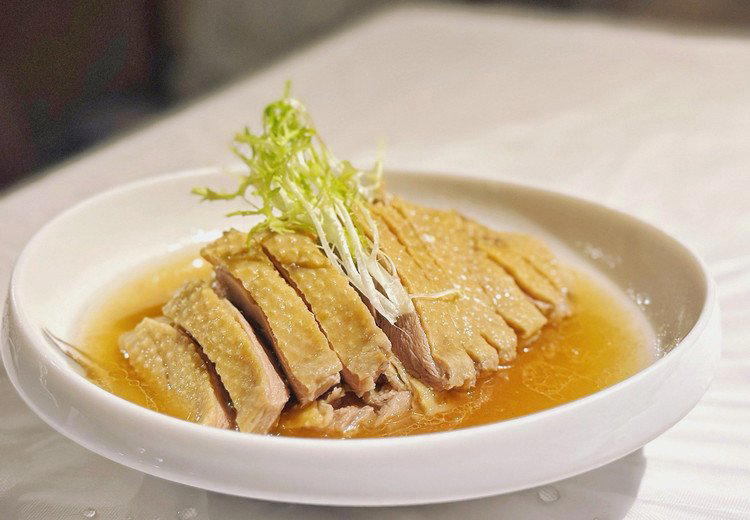
Where Huaiyang Tradition Meets Critical Recognition in Hanjiang
Yangzhou's dining reputation rests on a cuisine that predates the city's modern borders. Huaiyang cooking — the northern branch of the Jiangnan culinary tradition, centered on the Huai and Yangtze river corridors — has been synonymous with this city for well over a thousand years. Imperial kitchens drew from it. Grand Canal merchants built banquet culture around it. Today, a distinct tier of Yangzhou restaurants carries that inheritance forward with enough consistency to attract international critical attention, and 扬州狮子楼大酒店 (Yangzhou Lion Pavilion Hotel, Hanjiang branch) at 338 Hanjiang Middle Road sits in that upper bracket.
Reading the Menu as a Document of Huaiyang Principles
In Huaiyang cooking, the menu is not a list of dishes so much as a structured argument about what ingredients deserve attention and how heat, knife work, and timing can express that. The tradition prizes freshness over fermentation, clarity of flavour over complexity of spice, and technical knife skill as a form of culinary literacy visible to any attentive diner. A classical Huaiyang banquet menu moves from cold appetisers through braised and steamed courses toward sweeter, lighter finishes, a sequence that reflects the cuisine's historical debt to both court cooking and literati taste.
Lion's Head meatballs, the dish from which the Lion Pavilion name derives, represent among the more instructive examples of how Huaiyang technique works. The dish demands that pork be hand-minced to a specific coarse texture, machine mincing produces a paste that cooks incorrectly, then shaped, braised slowly in stock, and served with a clarity of sauce that shows exactly how the fat has rendered. Getting it right requires patience and proportion, not embellishment. A restaurant that carries this dish in its name is making a claim about technical standards that diners can evaluate directly.
Braised fish dishes, tofu preparations, and river vegetable courses form another axis of a Huaiyang menu at this level. The Yangtze river system supplies ingredients, mandarin fish, hairy crab in season, water bamboo, that define what the cuisine is capable of when sourcing is taken seriously. At a La Liste-recognised address, the expectation is that seasonal sourcing is treated as infrastructure, not marketing. For those tracing Huaiyang restaurant tiers across the city, Shang Palace (Huaiyang) and Cai Gen Xiang Xiao Guan (Huaiyang) represent different price positions within the same tradition, while Cheng Yuan (Chinese Contemporary) approaches the canon from a more contemporary editorial angle.
Where Lion Pavilion Sits in Yangzhou's Critical Tier
Yangzhou is not a city with a large internationally recognised restaurant pool. Its culinary reputation is deep but its global critical footprint is narrow compared with Shanghai, Hangzhou, or Chengdu. That makes La Liste placement here carry different weight than it would in a city with dozens of reviewed addresses. The 2025–2026 consecutive scores position Lion Pavilion (Hanjiang) as part of a small cohort of Yangzhou restaurants with documented international critical visibility, alongside a handful of peers that have attracted similar external attention.
For context, the broader La Liste-tracked universe in China includes addresses as varied as Xin Rong Ji (Xinyuan South Road) in Beijing, 102 House in Shanghai, Ru Yuan in Hangzhou, and Xin Rong Ji in Chengdu. Further afield, the list encompasses Chef Tam's Seasons in Macau, Imperial Treasure Fine Chinese Cuisine in Guangzhou, Chaoshan Taste Zhuhai in Shantou Shi, and Oyster Talks in Beijing. Within that field, a Yangzhou Huaiyang address scoring 79 points in 2026 occupies a niche but clearly defined position: it is not competing on scale or spectacle but on fidelity to a specific regional tradition that the international critical community has chosen to track.
The Hanjiang District location places this branch in the city's broader urban spread rather than the historic core around Slender West Lake. Diners arriving from the old city or from out of town via Yangzhou-Taizhou Airport or Yangzhou East high-speed rail station will find the address on Hanjiang Middle Road accessible by taxi or ride-hailing, though the journey from the historic centre takes around fifteen to twenty minutes depending on traffic.
How This Address Compares Within Yangzhou's Dining Map
Yangzhou's food culture extends well beyond formal banquet dining. 趣园茶社 - Qu Yuan Cha She anchors the city's breakfast and tea-house tradition, while Fan Shui Chang Yu Mian (North Jiefang Road) represents the noodle culture that runs parallel to formal Huaiyang cooking and is equally central to how locals eat daily. Lion Pavilion (Hanjiang) occupies the formal banquet end of that spectrum, the address where the full architectural logic of a Huaiyang menu is most likely to be on display rather than a curated subset of it.
That combination, strong local sentiment and consecutive international list placement, is the pattern that typically distinguishes a restaurant worth a deliberate visit from one that simply exists within a strong culinary tradition.
Cuisine and Awards Snapshot
Comparable venues nearby, for context on price, style, and recognition.
| Venue | Cuisine | Price | Awards | Notes |
|---|---|---|---|---|
| 扬州狮子楼大酒店(邗江店) - Yangzhou Lion Pavilion HotelThis venue — the venue you are viewing | Traditional Huaiyang Cuisine | $$ | Not listed | Not listed |
| æ¬å·ç®å楼大é åº(éæ±åº) | Chinese Restaurant | Not listed | Not listed | Slender West Lake |
| Cai Gen Xiang Xiao Guan | Huaiyang | $$ | Bib Gourmand | Guangling |
| Cheng Yuan | Chinese Contemporary Fusion | $$$ | Michelin Plate | Hanjiang |
| Quyuan Plus | Modern Huaiyang Cuisine | $$$ | Michelin Plate | Slender West Lake |
| shan restaurant | Huaiyang Cuisine | $$ | Not listed | Slender West Lake Tourist District |
Recognition history
Dated appearances from independent guides and award organizations, with the underlying list record or original source where available.
La Liste Top Restaurants
La Liste
La Liste Top Restaurants
La Liste
Continue exploring
More in Yangzhou
Restaurants in Yangzhou
Browse all →
At a Glance
- Elegant
- Classic
- Group Dining
- Family
- Celebration
- Hotel Restaurant
- Private Dining
- Historic Building
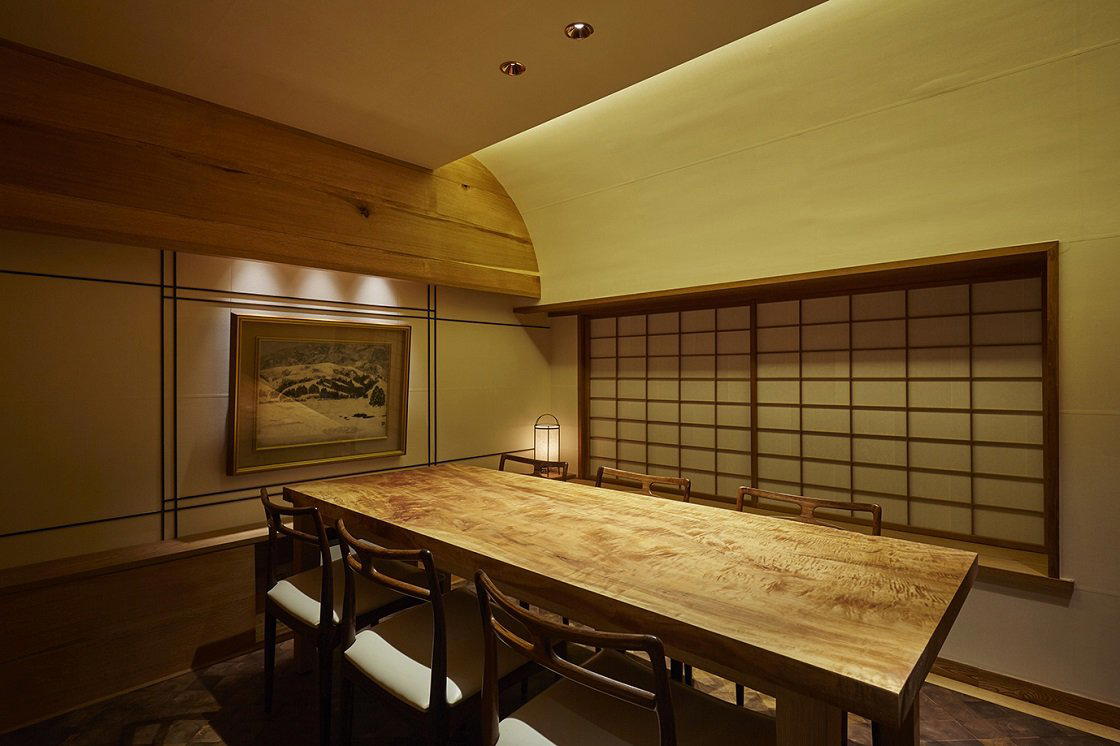
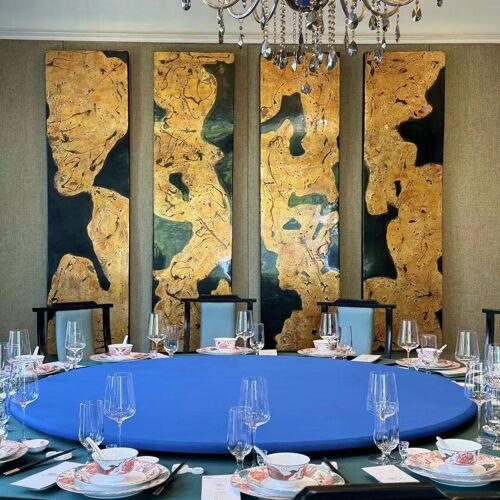
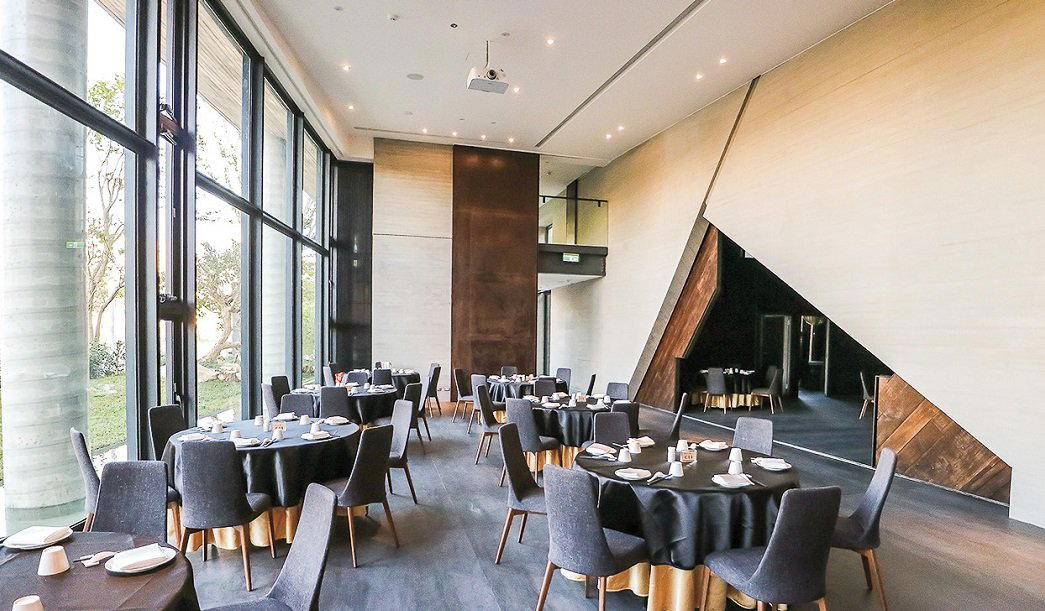
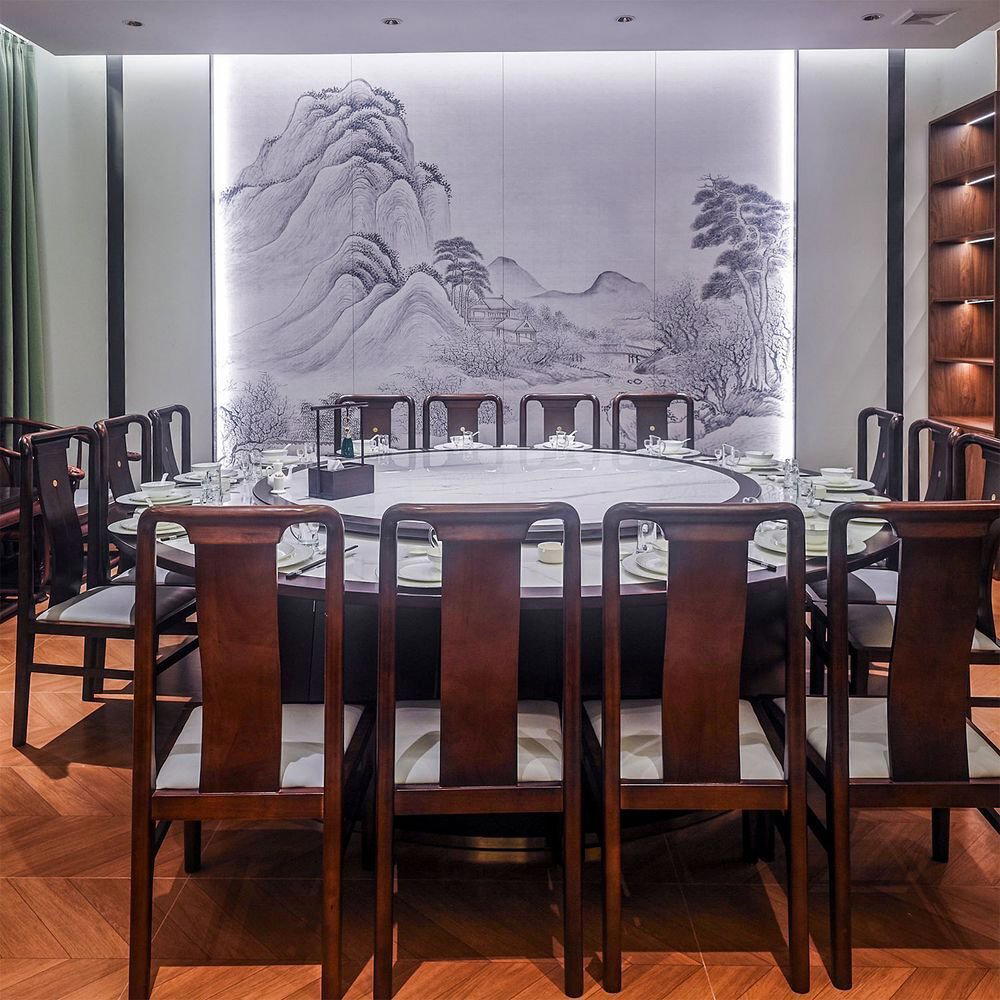
High-end elegant and fashionable environment with VIP private rooms and banquet halls.