
Shokudo Todaka puts Gotanda’s izakaya culture into a compact counter format, with fish-led cooking, Japanese cuisine, and creative tavern instincts compressed into nine seats. Its Tabelog 100 Izakaya EAST 2025 selection and repeat appearances in 2021, 2022, and 2024 place it in the serious end of Tokyo’s casual-dining conversation rather than the city’s luxury tasting-menu lane.
Pearl is the En Primeur Club membership app — saves, bookings, and concierge access live there. Same editors, same standards.
- Address
- 東京都品川区西五反田1-9-3 リバーライトビル B1F
- Phone
- +81364203734
- Website
- tabelog.com
 Saves & bookings on Pearl
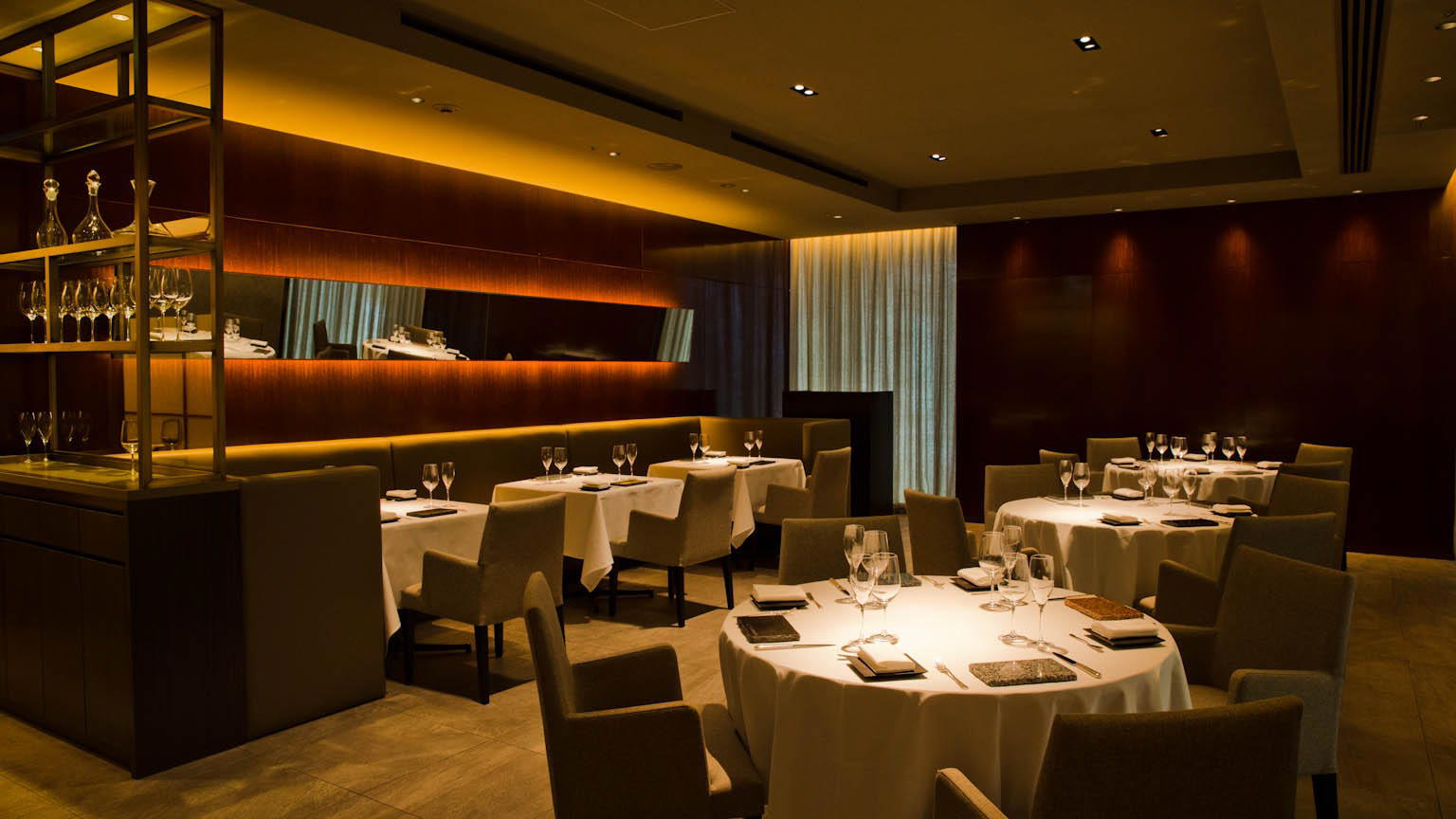
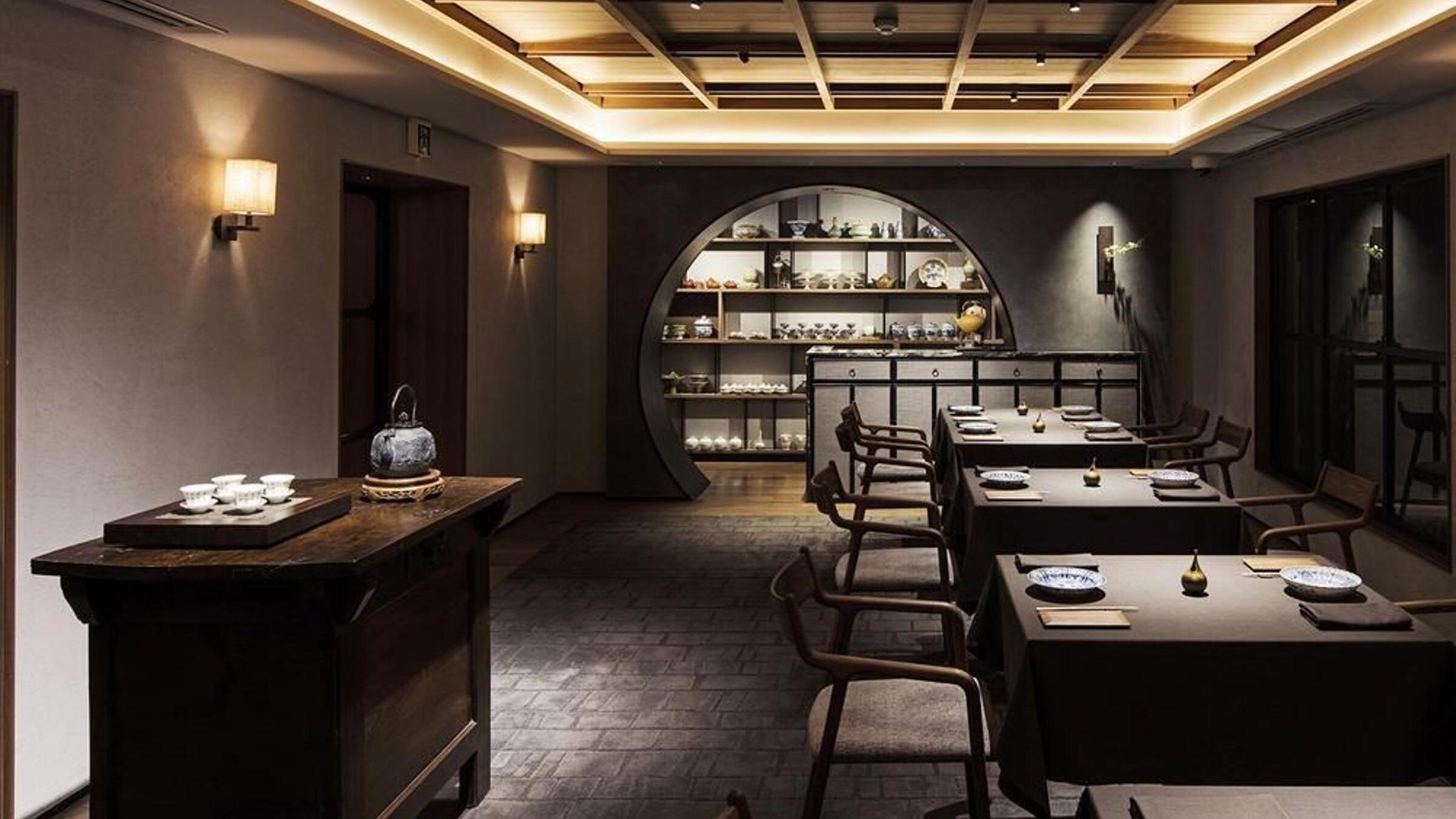
Below street level in Nishigotanda, the mood is closer to a tight Tokyo counter than a freewheeling tavern: nine seats, no private rooms, and proximity as part of the format. Gotanda has long served diners who value access to strong cooking over postcard glamour. Around the station, everyday Tokyo sits beside specialist counters, curry shops, standing bars, and late-night drinking rooms. That mix matters because izakaya in Tokyo is not one thing: quick beer and fried food, a sake-led meal around seasonal fish, or a counter course that borrows kappo pacing without its formality.
Shokudo Todaka belongs to that last bracket. Public category tags are izakaya, creative, and Japanese cuisine, with an emphasis on fish and drinks spanning sake, shochu, wine, and cocktails. Those labels reflect a modern Tokyo pattern: izakaya as a serious meal, not a casual afterthought. The value case is compression. Instead of paying for ceremony, a large dining room, or a luxury address, the spend goes into a small counter, course format, and cooking repeatedly recognized in a fiercely competitive Tokyo category.
Gotanda's serious izakaya tier is built on compression, not spectacle
Tokyo’s dining hierarchy often overweights sushi counters and French-influenced tasting rooms. Izakaya culture is harder to rank from outside Japan because its strengths are less theatrical: drinking-food timing, fish handling, and the ability to move from comfort to precision without changing the room’s social contract. Tabelog’s Hyakumeiten lists help because they isolate high-performing venues by category rather than folding everything into one fine-dining conversation. Shokudo Todaka was selected for Tabelog 100 Izakaya EAST in 2025, after earlier selections in 2021, 2022, and 2024. The continuity, not a single-year badge, is the signal.
The nine-seat counter changes the value equation. At this scale, the restaurant sits far from high-volume izakaya and closer to a controlled dining format. A Tokyo counter seat can justify a higher tariff when cooking is close-range, pacing is managed, and the meal has a clear point of view. Here, the fish emphasis and Japanese-cuisine frame separate it from station-area drinking rooms built on speed, volume, or price alone. Nearby comparisons show Gotanda’s spread: Oniyanma Gotanda honten and Hot Spoon Gotanda ten sit in a lower everyday price tier, while Tachinomi Todaka occupies a similar spend bracket. That is the neighbourhood in miniature: quick meals at one end, appointment-style counters at the other.
For readers mapping the wider city, this Tokyo restaurant makes more sense beside a category guide than a luxury checklist. The broader field includes izakaya, yakitori, curry, café, and specialist Japanese formats, from . 鮪と炭火焼き うお炭 秋葉原店 and 124. KAGURAZAKA (Yakitori) to 3 Chome no Curry Ya San, 12/10 Shinjuku ten, and 2D Cafe. The useful question is not which venue is grander, but which format delivers the clearest meal for the spend.
The value is in the counter discipline and repeat recognition
Japan’s izakaya tradition rewards range: a meal can move through fish, cooked dishes, rice, and drinks without the rigid architecture of a Western tasting menu. In a small counter setting, that range becomes focused. The diner pays for edited choice rather than abundance. Shokudo Todaka’s course reference and fish-led identity place it among contemporary restaurants that keep izakaya sociability while asking diners to treat the meal as the evening’s main event.
That distinction matters in Tokyo, where the gap between a casual tavern and a counter-course izakaya can exceed the gap between two formal restaurants. A lower-priced neighbourhood room may deliver speed and satisfaction; a high-end counter must deliver control. The Tabelog score of 3.92 and Hyakumeiten selection support the idea that this is not merely a lively local address. It operates in a recognized competitive set for eastern Japan’s izakaya category, and repeat appearances suggest consistency across several selection cycles.
Drink breadth shapes the proposition. Sake and shochu are expected, but wine and cocktails signal a room for diners wanting a broader pairing rhythm than the classic beer-to-nihonshu arc. That does not make it a Western tasting room; it keeps izakaya grammar while widening how a table can read the food. For travelers, that flexibility helps in a city where drink programs often define the night’s tone as much as cooking.
How to place it in a Tokyo itinerary
Gotanda is not the Tokyo many first-time visitors imagine for high-end dining, which is part of its usefulness. The area sits on practical rail lines and has a workaday density that supports serious small restaurants without destination-neighbourhood theatrics. A meal here pairs more naturally with an evening around the Yamanote side than with a hotel-bar circuit in Ginza or Roppongi. For a broader plan, use Our full Tokyo restaurants guide to balance counter dining with other formats, and cross-check lodging through Our full Tokyo hotels guide.
The surrounding decision is cultural. Tokyo rewards diners who separate category from prestige. A serious izakaya can express the city more strongly than a formal room with a longer bill and less local texture. If the night needs drinks before or after, Our full Tokyo bars guide gives the better frame; if the trip extends beyond restaurants, Our full Tokyo experiences guide and Our full Tokyo wineries guide widen the itinerary without turning dinner into a checklist exercise.
For comparison outside Tokyo, Japan’s dining map shows how differently value reads by city and format: -Grilled beef Sukiyaki- KAMAKURA TANUKIAN 鎌倉 たぬき庵 in Kamakura.cafe in Osaka.know in Kumamoto, (Shoku) Vietnam in Kawasaki, [Curry Senmon Ten] Maruyama Kyoju. in Sapporo, and [ki:] in Kyoto all sit in different local economies of taste. Abroad, sake-led Japanese formats such as Jōdo Saké Bar in Los Angeles and casual Japanese specialists like Onigiri Time in Pasadena show how the category changes once it leaves Japan. In Tokyo, the sharper play is to stay close to the source: a small counter, fish-led meal, and recognized izakaya format that spends its budget on the plate rather than the theatre around it.
In Context: Similar Options
Comparable venues by category and price.
| Venue | Cuisine | Price | Notes |
|---|---|---|---|
| Shokudo TodakaThis venue — the venue you are viewing | Creative Izakaya-style Japanese | $$$ | Not listed |
| Ranma | Teppanyaki Japanese | $$$ | Minato |
| Kasumitei Matsubara | Kaiseki | $$$ | Minato |
| Tori Sawa Roppongi | Yakitori | $$$ | Minato |
| Zakuro TBS ten | Traditional Japanese Shabu-shabu & Sukiyaki | $$$ | Minato |
| Toranomon Yakitori Kuniyoshi | Yakitori & Chicken Dishes | $$$ | Minato |
Recognition history
Dated appearances from independent guides and award organizations, with the underlying list record or original source where available.
Tabelog 100 #31 · No. 31
Tabelog · Tabelog 100 - Izakaya - EAST - 2025











At a Glance
- Lively
- Cozy
- Intimate
- Energetic
- After Work
- Group Dining
- Celebration
- Special Occasion
- Date Night
- Solo
- Chefs Counter
- Standalone
- Design Destination
- Sake Program
- Beer Program
A compact basement counter with only nine seats, packed and energetic, where guests sit shoulder to shoulder watching dishes being prepared at close range; the feel is cozy and informal rather than polished, with the charm of a hidden, slightly shabby building and the buzz of a long‑awaited special night out.