Michelin Plate
Our verdict
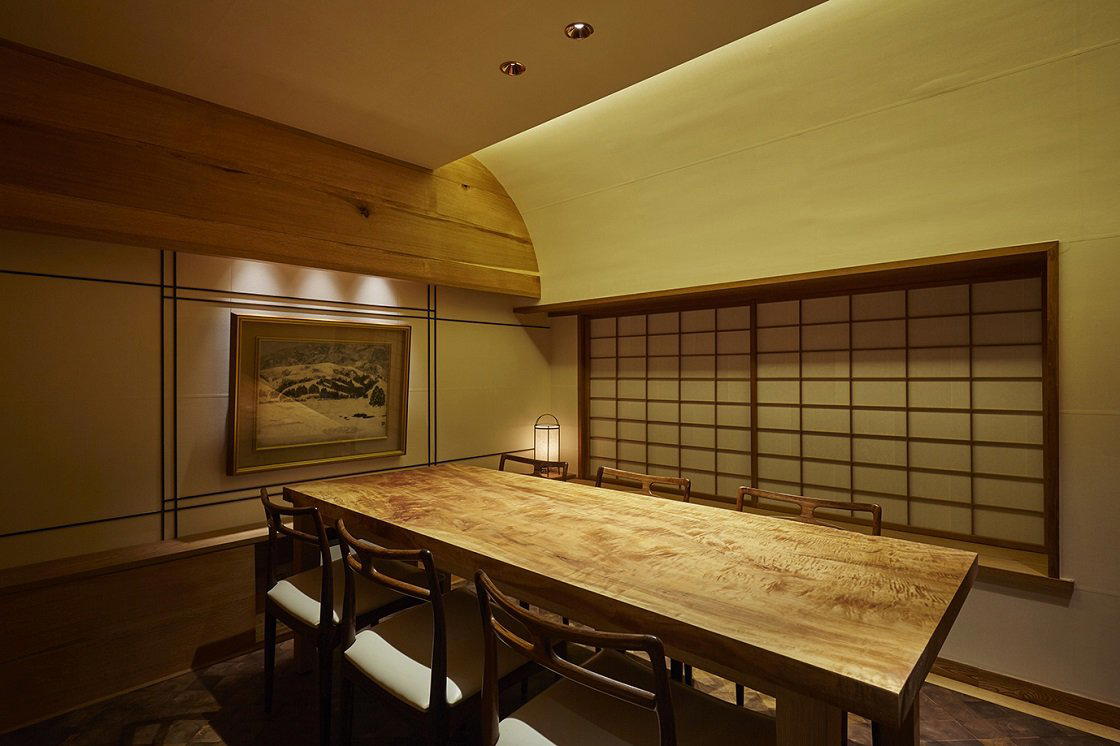
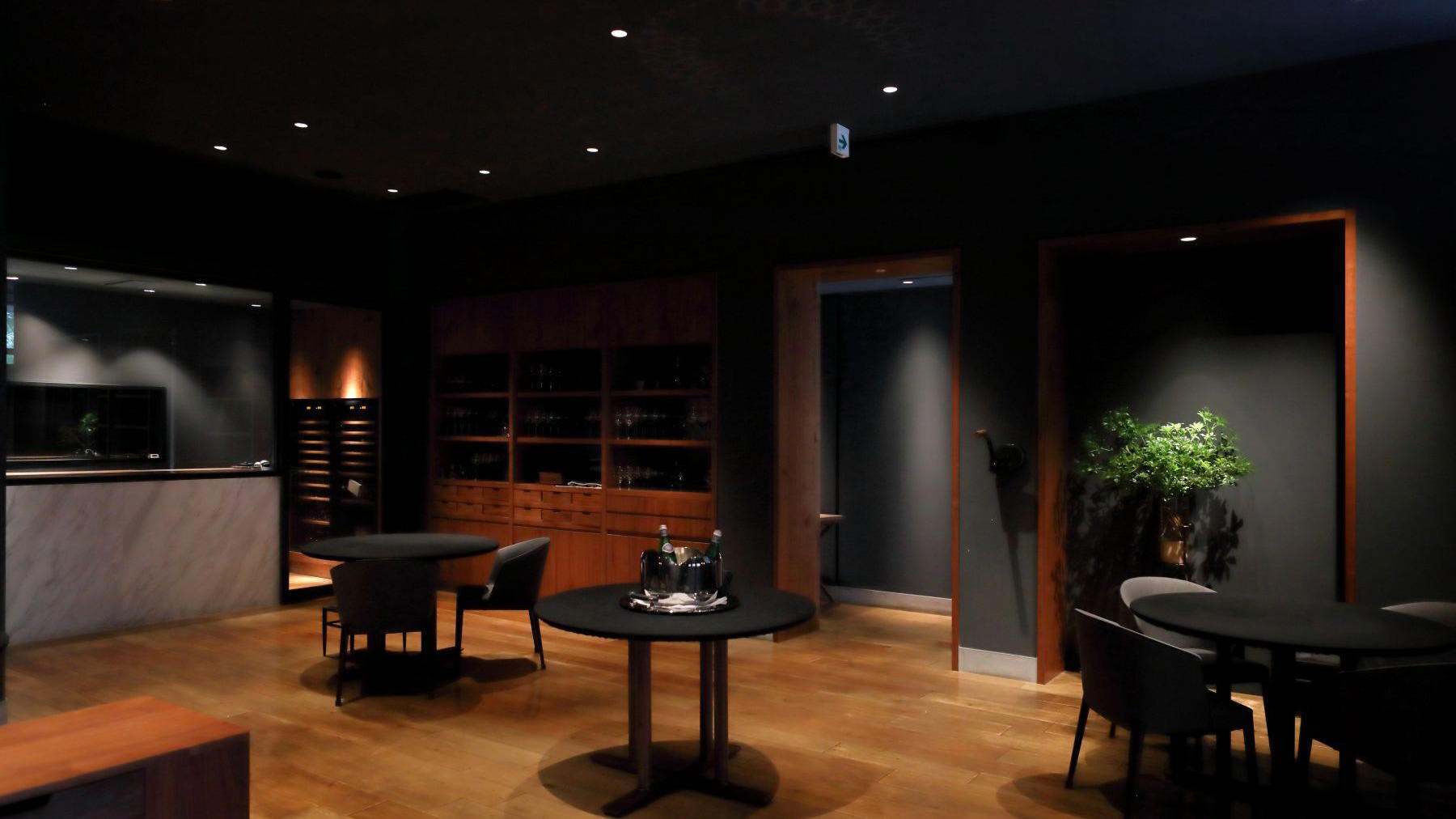
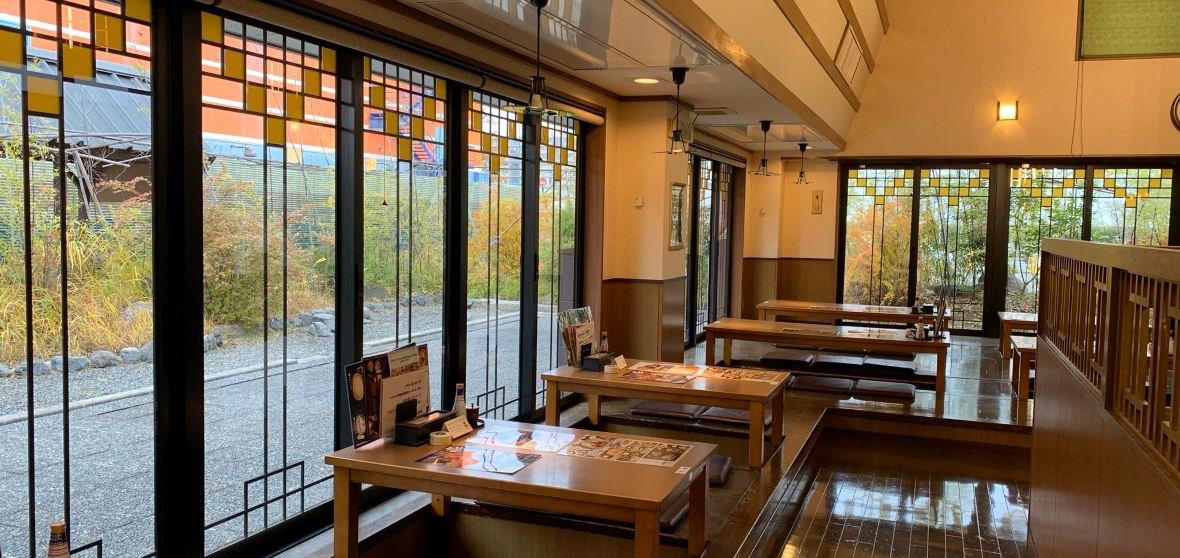
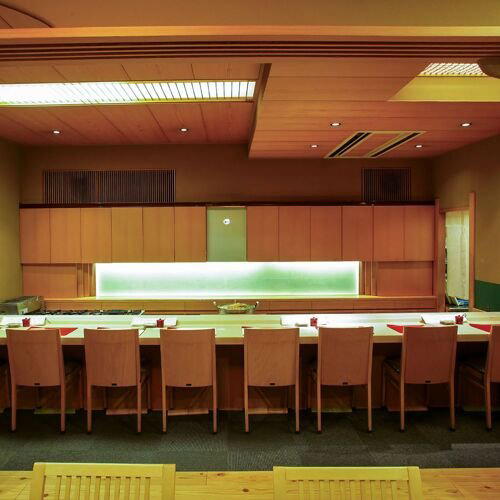
A Michelin Plate izakaya in Osaka's Minamisenba district, Shokudo Tanoshi takes its name from the Japanese words for 'cafeteria' and 'fun', a deliberate signal of approachability over formality. The menu moves across Japanese, Western, and Chinese registers with enough range to reward repeat visits.

Pearl is the En Primeur Club membership app, where members save venues, book tables and use the concierge.
The menu
What to order
- Kuroge Wagyu Beef Cutlet
- Homemade Karasumi Mochi
- Abalone-like Shrimp Croquettes
- Chinese-style Fried Chicken-wing Tips
Where Minamisenba Drops Its Guard
Chuo Ward's Minamisenba district occupies an interesting middle ground in Osaka's dining hierarchy. It sits close enough to the retail density of Shinsaibashi to draw foot traffic, yet far enough from the neon-saturated corridors of Dotonbori that restaurants here tend to skew local rather than tourist-facing. The izakaya format thrives in this kind of neighbourhood, where the expectation is a long evening, shared plates, and a drinks list that keeps pace with the food rather than competing with it.
'Shokudo' translates loosely as 'cafeteria' or 'canteen', a word that carries deliberate anti-pretension in the Japanese dining lexicon. Pairing it with 'Tanoshi' (derived from tanoshii, meaning 'fun') sets an explicit tone before a guest even reads the menu. In a city where izakaya range from bare-bones standing bars to destination-quality counters with three-hour seatings, that framing matters. It positions the room as a place to return to frequently rather than save for occasion dining, which, for regulars, is often the more valuable category.
The Menu as the Point
Osaka's izakaya scene has always been less doctrinaire than Tokyo's about category purity. The city's instinct toward kuiadaore, eating until you drop, produces menus that reach across culinary borders without apology. Shokudo Tanoshi's menu exemplifies this tendency with a cross-cultural range that pulls from Japanese, Western, and Chinese traditions simultaneously. The Michelin Plate recognition it has held across both 2024 and 2025 editions confirms that this breadth reads as considered rather than scattered to inspectors operating in one of the world's most competitive restaurant cities.
The Michelin descriptor singles out two preparations as representative: shrimp croquettes styled after abalone texture and Chinese-style fried chicken-wing tips. Both point toward a kitchen that thinks about technique before nationality, the croquette is a Western format applied with enough textural precision to evoke a Japanese luxury ingredient, and the wing tips use Chinese frying methodology within what is otherwise an izakaya context. That kind of lateral thinking across culinary registers is not uncommon in Osaka, but executing it consistently across an extensive menu is a different challenge.
Drinking at an Izakaya: What to Expect at This Price Point
The ¥¥¥ pricing tier places Shokudo Tanoshi in the same bracket as Osaka kaiseki and Japanese-format restaurants such as Kashiwaya Osaka Senriyama and Taian, though the format is fundamentally different. At a mid-tier izakaya, the drinks program is rarely the primary focus of the editorial conversation, but it should be part of any visitor's planning. Japanese izakaya at this price point typically offer a considered selection of sake by the glass or carafe, draft beer, shochu, and sometimes a short whisky list. The better ones in Osaka's Chuo Ward increasingly stock regional sake from Hyogo or Nara producers, a reflection of how seriously the city takes its proximity to some of Japan's most productive brewing prefectures.
For visitors accustomed to European wine-pairing culture, the izakaya sake relationship offers a different kind of depth: lighter, more food-integrative, and structured around the rhythm of shared plates rather than individual courses. Pairing the cross-cultural menu at Shokudo Tanoshi with a dry junmai or junmai ginjo would follow the path of least resistance; matching the Chinese-inflected fried preparations with shochu highball is equally defensible. The menu's range is, in this sense, a mild challenge to anyone who likes their pairing logic tidy, which is arguably the point.
For a deeper look at Osaka's broader drinking scene, including bars that carry more specialist sake and whisky programs, see our full Osaka bars guide.
Michelin Plate recognition in Osaka's izakaya category is a narrower distinction than it might appear. The city has hundreds of izakaya, and inspectors maintain selectivity even at the Plate level. The venues that earn and retain it tend to demonstrate consistent kitchen standards and a defined point of view, not just a long menu. Within the Minamisenba and broader Chuo Ward area, the izakaya tier that holds Michelin attention includes operators running tighter, more format-disciplined rooms.
Comparable izakaya in the EP Club Osaka record include Benikurage, Daidokoro Kamiya, Izakaya Tokitame, Jizakeya Iwatsuki, and Kannomiho. Each occupies a distinct niche within the format: some lean toward sake-specialist positioning, others toward a tighter kitchen focus. Shokudo Tanoshi's distinguishing characteristic within that set is the explicit cross-cultural menu architecture and the service tone, which the Michelin text credits partly to Hirata, who handles front-of-house.
For those building a broader Kansai itinerary, the izakaya tradition extends meaningfully across the region. Berangkat in Kyoto offers a different register of izakaya-adjacent dining, while the format has even reached Europe in adapted forms, Cube by Mika in Schwerin is a notable example of how the template travels. For the full Osaka restaurant context, see our full Osaka restaurants guide.
Planning Your Visit
Shokudo Tanoshi sits in Chuo Ward's Minamisenba area, within walking distance of Shinsaibashi and Nagahoribashi stations. The ¥¥¥ tier suggests per-person spend in the mid-to-upper range for an izakaya evening, factoring in drinks.
| Venue | Format | Price Tier | Michelin Status | Area |
|---|---|---|---|---|
| Shokudo Tanoshi | Izakaya | ¥¥¥ | Plate (2024, 2025) | Minamisenba, Chuo |
| Izakaya Tokitame | Izakaya | Osaka | ||
| Jizakeya Iwatsuki | Izakaya | Osaka | ||
| Berangkat (Kyoto) | Izakaya-adjacent | Kyoto |
Osaka's position within the Kansai region makes it a natural anchor for multi-city dining trips. Restaurants such as Gion Sasaki in Kyoto, akordu in Nara, and further afield, Harutaka in Tokyo, Goh in Fukuoka, 1000 in Yokohama, and 6 in Okinawa each represent distinct points on the broader Japanese dining map. For accommodation and experiences planning in Osaka, see our full Osaka hotels guide, our full Osaka experiences guide, and our full Osaka wineries guide.
Frequently asked questions
Is Shokudo Tanoshi more mid-range or high-end?
Pricing at Shokudo Tanoshi is listed as ¥¥¥.
What kind of recognition has Shokudo Tanoshi received?
Shokudo Tanoshi has received recognition including: The down-to-earth name, ‘Shokudo’ or ‘cafeteria’, was chosen because the restaurant aims to be one where people can drop in casually, while ‘Tanoshi’ (from tanoshii, ‘fun’) reflects the fun atmosphere created by Hirata, who handles service,….
What's the must-try dish at Shokudo Tanoshi?
Michelin inspectors have specifically called out two preparations: shrimp croquettes engineered for an abalone-like texture, and Chinese-style fried chicken-wing tips. Both dishes signal what the menu does throughout, borrowing technique and flavour logic from Japanese, Western, and Chinese traditions without defaulting to fusion cliché. The Michelin Plate recognition across 2024 and 2025 puts weight behind those recommendations.
What style of cooking does Shokudo Tanoshi do?
Same-City Peers
A quick peer reference to anchor this venue in its category.
| Venue | Cuisine | Price | Awards | Notes |
|---|---|---|---|---|
| Shokudo TanoshiThis venue (the venue you are viewing) | Modern Japanese Izakaya with Fusion Elements | $150–200 | Michelin Plate | Not listed |
| HAJIME | Avant-Garde Japanese Fine Dining | $300–500 | 3 Michelin Stars · World's 50 Best #83 | French, Innovative |
| La Cime | Modern French with Japanese Ingredients | $150–200 | 2 Michelin Stars · World's 50 Best #13 | French |
| Kashiwaya Osaka Senriyama | Seasonal Kaiseki Omakase | $200–300 | 3 Michelin Stars · La Liste Top Restaurants | Japanese |
| Taian | Traditional Japanese Kaiseki Omakase | $150–200 | 3 Michelin Stars · La Liste Top Restaurants | Kaiseki, Japanese |
| Fujiya 1935 | Modern Japanese with European influences | $100–150 | 2 Michelin Stars · La Liste Top Restaurants | Innovative |
Recognition history
Dated appearances from independent guides and award organizations, with the underlying list record or original source where available.
Michelin Plate
Michelin
Full recognition history (3 entries)
Michelin Plate
Michelin
Michelin Plate
Michelin