
Michelin Bib Gourmand
Our verdict
Schwerin's Domhof district is not where you expect to find a Michelin Bib Gourmand izakaya, yet Cube by Mika has held the recognition in both 2024 and 2025. The kitchen follows the Japanese principle of small plates composed around seasonal produce, delivering precise, affordable cooking in a city better known for its Baroque palace than its dining scene..

Pearl is the En Primeur Club membership app — saves, bookings, and concierge access live there. Same editors, same standards.
- Address
- Domhof 6, 19055 Schwerin, Germany
- Phone
- +49 385 77887706
- Hours
- Mon ClosedTue–Sat 5–10 PMSun Closed
- Website
- cube-bymika.de
- Directions
- Get directions
- Booking
- Book on OpenTable
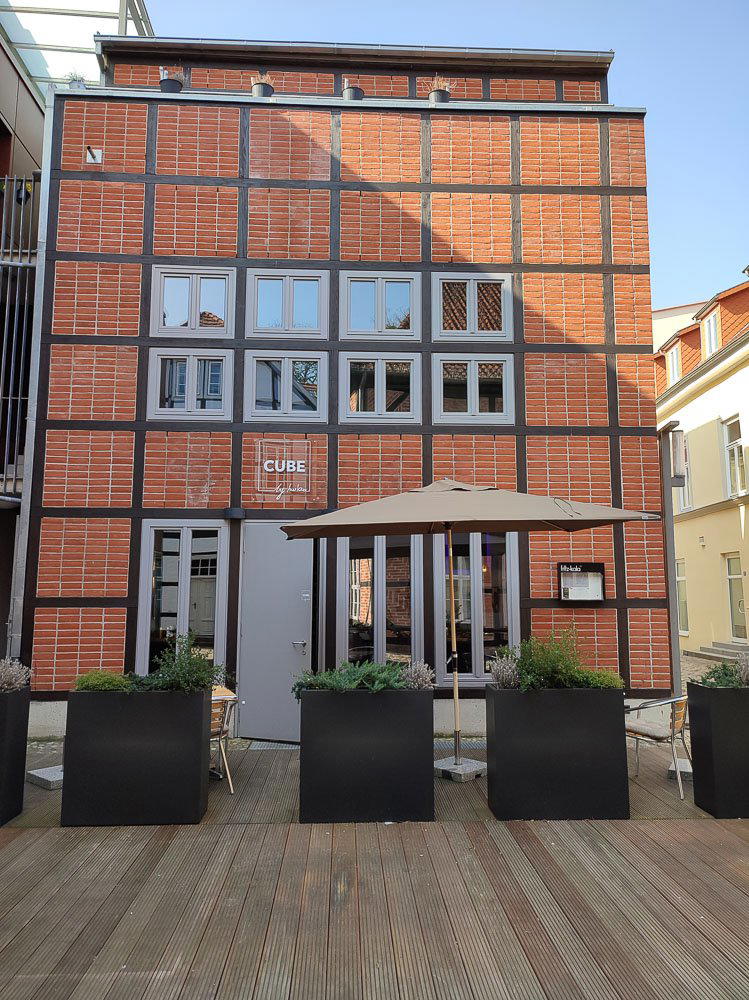
A Japanese Format in an Unlikely German City
Schwerin's dining identity has long been anchored to its civic architecture: the palace, the cathedral, the Domhof square where formal restaurants have traditionally competed on occasion rather than frequency. That context makes the presence of an izakaya format on Domhof 6 worth examining. Izakaya dining, as practised in Japan, is the antithesis of ceremony. It prizes repetition over occasion, small shared plates over sequential courses, and a kitchen that rewards returning customers who understand the rhythm of the menu. Transplanted to northern Germany, that format creates an interesting editorial question: does the philosophy survive the geography?
At Cube by Mika, the evidence from two consecutive Michelin Bib Gourmand recognitions (2024 and 2025) suggests the format is not merely surviving but producing cooking that the Guide's inspectors consider worth a specific detour at a price accessible enough to trigger the Bib rather than a star. The Bib Gourmand designation, for those unfamiliar with its criteria, signals quality cooking at a moderate outlay, placing Cube by Mika in a different competitive conversation than the city's higher-ticket options like Gourmetrestaurant 1751, which operates at the €€€€ tier.
The Kaiseki Undercurrent in an Izakaya Frame
There is a tension, worth naming, between izakaya and kaiseki as Japanese dining traditions. Kaiseki is architecture: multi-course, seasonal, composed according to aesthetic principles that govern colour, texture, vessel choice, and the passage of time across a meal. Izakaya is more improvisational, a social format where the kitchen responds to the table rather than leading it through a fixed arc. The most accomplished izakaya kitchens, particularly in Osaka and Kyoto, borrow kaiseki's seasonal discipline while keeping the izakaya's informality intact. The result is small plates that carry the precision of high-end cooking without the formality of a tasting menu. For reference points in that Japanese tradition, Benikurage in Osaka and Berangkat in Kyoto represent how the izakaya form holds up under scrutiny in its home cities.
What the awards record does confirm is that the cooking meets a measurable standard, and that standard sits at the €€ price tier. For a city where the alternative mid-range options include the internationally-focused Gourmetfabrik and the farm-to-table Weinbistro George, both also operating in the €€ range, the izakaya format at Cube by Mika occupies a distinct position in the city's mid-market.
Where Domhof Fits in the Broader German Dining Picture
Germany's Michelin-recognised dining has historically concentrated in metropolitan centres and wealthy spa towns: Hamburg, Munich, Berlin, the Black Forest corridor. Cities in the former East, including Schwerin as the capital of Mecklenburg-Vorpommern, have taken longer to accumulate Guide recognition. That makes a dual Bib Gourmand at a specialist Japanese format in Schwerin a more pointed signal than the same recognition would be in, say, Hamburg, where Restaurant Haerlin operates at the full-star tier within a much denser competitive field.
The comparison also holds across restaurant type. At the higher end of Germany's Japanese-influenced or technically precise cooking, venues like Aqua in Wolfsburg, JAN in Munich, or Schwarzwaldstube in Baiersbronn operate at multiple-star levels with corresponding price points and booking windows. CODA Dessert Dining in Berlin demonstrates that unconventional format concepts can generate serious Guide recognition. Cube by Mika sits well below those in price and scope, but the izakaya model is deliberately scaled for accessibility, and the Bib confirms the kitchen is delivering on that register consistently.
The Address and What the Room Suggests
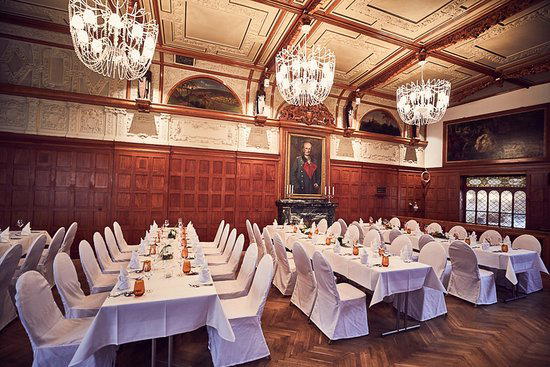
Domhof 6 places the restaurant directly adjacent to Schwerin Cathedral, in one of the city's most trafficked tourist zones. That location cuts two ways. Foot traffic from visitors to the cathedral and palace complex means the restaurant has a consistent audience of travellers alongside local regulars. But Domhof's formal character, all cobblestones and civic stone facades, does not naturally suggest the kind of low-lit, counter-service informality that izakaya dining implies at its most atmospheric.
The consistency implied by that figure across that sample size indicates repeat custom and reliable execution rather than a single run of exceptional evenings.
Planning a Visit
Cube by Mika is located at Domhof 6, 19055 Schwerin, placing it within walking distance of the city's main cultural sites and the central train station. The €€ price tier puts it within easy reach for most visitors, and the Bib Gourmand recognition means it will attract readers travelling specifically to eat rather than stumbling in from the square.
For a fuller picture of what Schwerin offers beyond this address, the EP Club guides cover the city's restaurant scene in full, alongside separate edits for hotels, bars, wineries, and experiences. Within the city's dining options, the contrast between Cube by Mika's izakaya format and the more conventional international positioning of La Bouche et El Pato at the lower price tier illustrates how much range the mid-market here actually contains.
Frequently asked questions
What's the price range at Cube by Mika?
Pricing at Cube by Mika is listed as €€.
How do I find Cube by Mika?
Cube by Mika is located at Domhof 6, 19055 Schwerin, Germany, Schwerin.
Do I need a reservation for Cube by Mika?
Cube by Mika sits at Domhof 6, one of Schwerin's busiest tourist corridors, directly beside the cathedral. A Bib Gourmand listing in consecutive years draws consistent attention to a city without a deep bench of Michelin-recognised addresses, which tightens availability. Booking ahead is the practical approach, particularly for evening visits or weekends.
At-a-Glance Comparison
| Venue | Cuisine | Price | Awards |
|---|---|---|---|
| Cube by MikaThis venue — the venue you are viewing | Modern Euro-Asian Izakaya | $50–100 | Michelin Bib Gourmand |
| Gourmetfabrik | Modern German Bistro | $20–30 | Michelin Plate |
| Gourmetrestaurant 1751 | Modern German Fine Dining | Not listed | 1 Michelin Star |
| La Bouche et El Pato | French-Mediterranean Bistro | $30–50 | Michelin Plate |
| Weinbistro "George" | Modern German Bistro with Wine Focus | $30–50 | Michelin Plate |
Recognition history
Dated appearances from independent guides and award organizations, with the underlying list record or original source where available.
Michelin Bib Gourmand
Michelin
Full recognition history (3 entries)
Michelin Bib Gourmand
Michelin
Michelin Bib Gourmand
Michelin
Details
- Modern
- Minimalist
- Trendy
- Lively
- Date Night
- Special Occasion
- Open Kitchen
- A La Carte
- Tasting Menu
- Small Plates
- Vegetarian Friendly
Current opening hours
- Monday
- Closed
- Tuesday
- 5–10 PM
- Wednesday
- 5–10 PM
- Thursday
- 5–10 PM
- Friday
- 5–10 PM
- Saturday
- 5–10 PM
- Sunday
- Closed
Hours can change for holidays and private events. Last verified .
Laid-back and casual maisonette-style space with minimalist Asian-inspired interior, peaceful atmosphere, high tables, and counter seats with kitchen views.