
Michelin Plate
Our verdict
Bangkok's Sukhumvit corridor has absorbed plenty of Japanese restaurant concepts over the years, but Shirokane Tori-Tama makes a specific case for yakitori done with Tokyo-trained seriousness. The fourth Asian branch of an established group, it holds a Michelin Plate for 2024 and 2025, with an open-kitchen counter format that puts the charcoal grill at the centre of the meal. Beak-to-tail chicken cookery and a standout chicken liver pâté round out a focused, purposeful menu.

Pearl is the En Primeur Club membership app, where members save venues, book tables and use the concierge.
Coal, Counter, Chicken: The Architecture of a Yakitori Meal on Sukhumvit
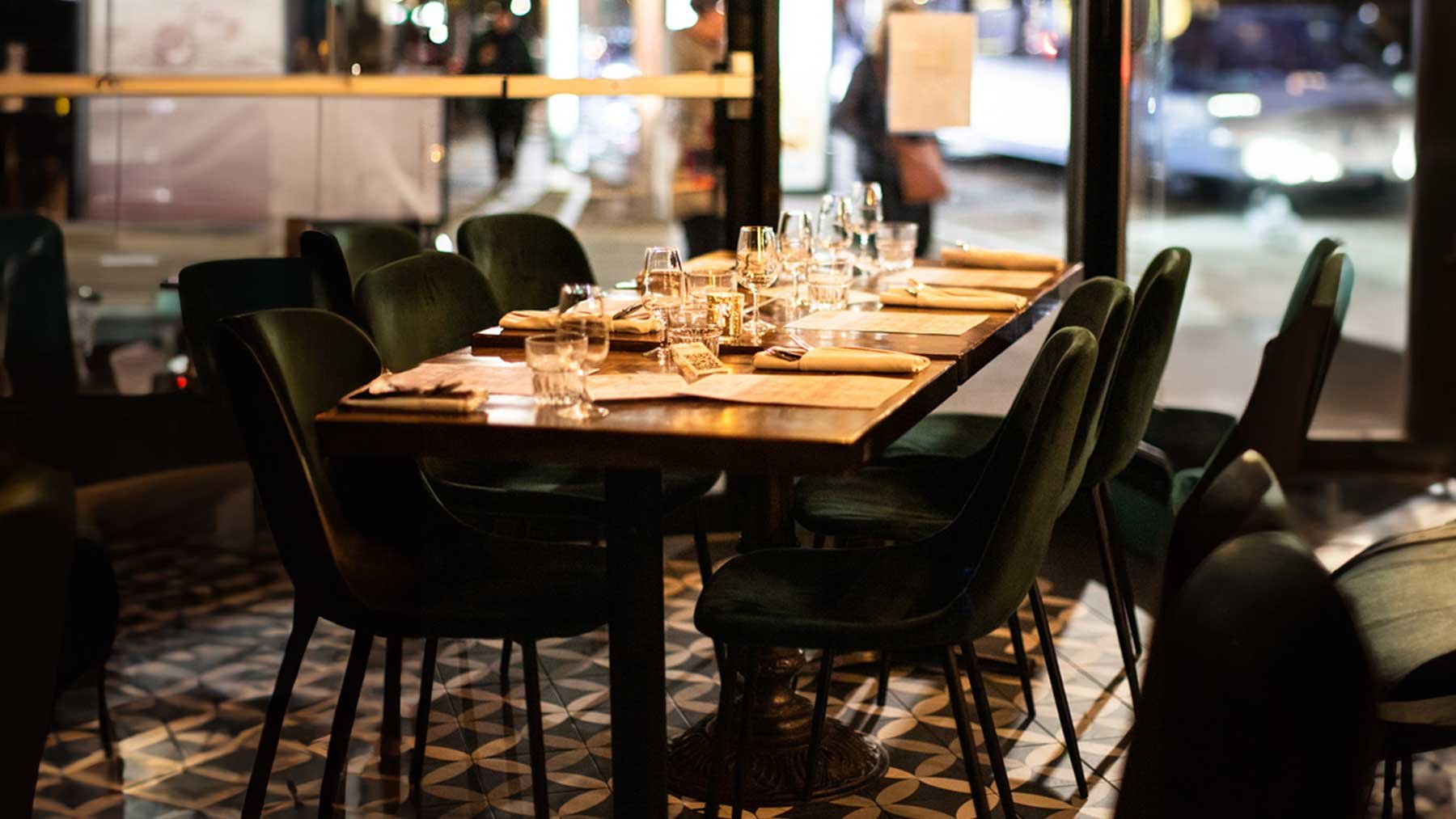
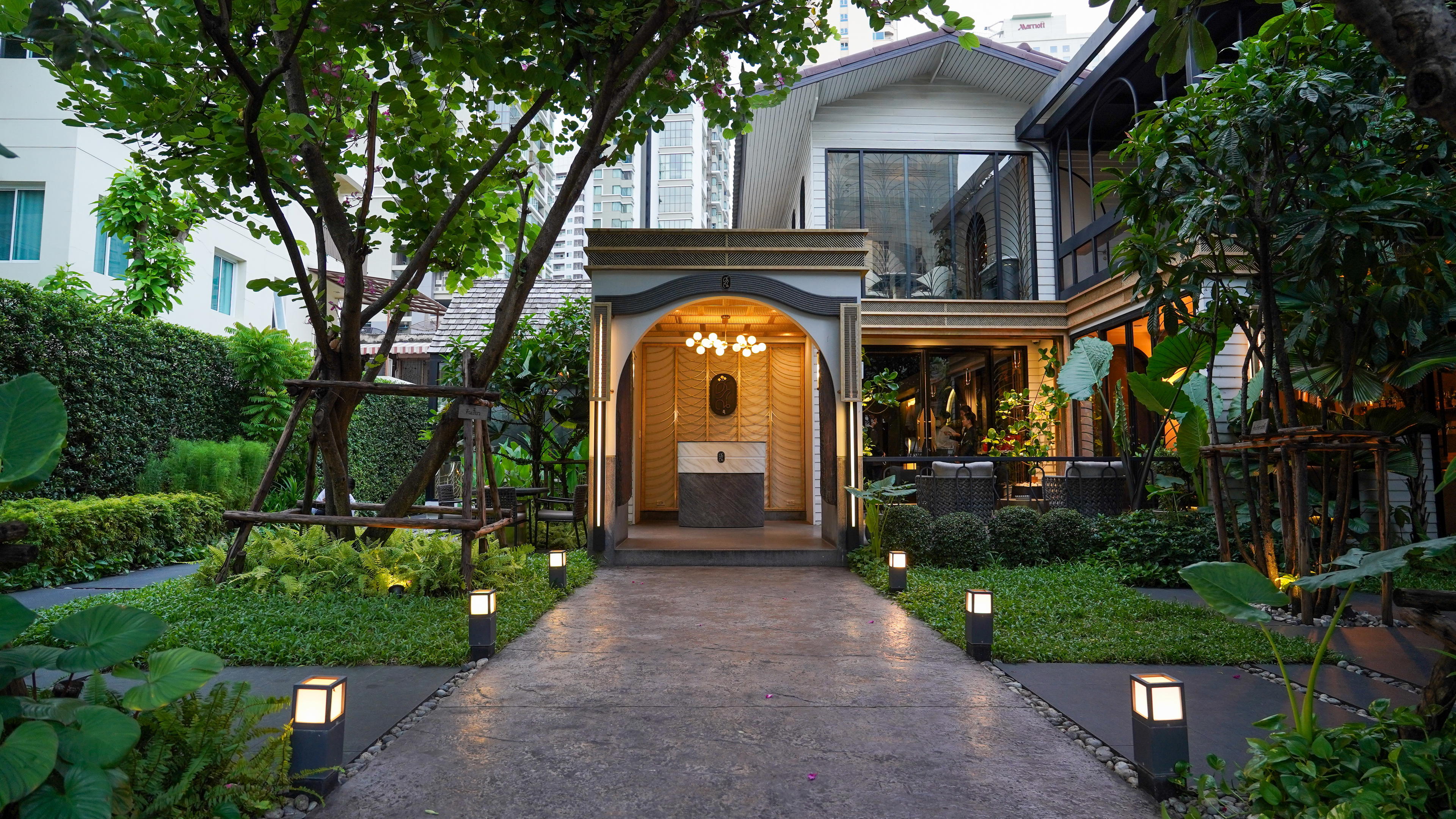
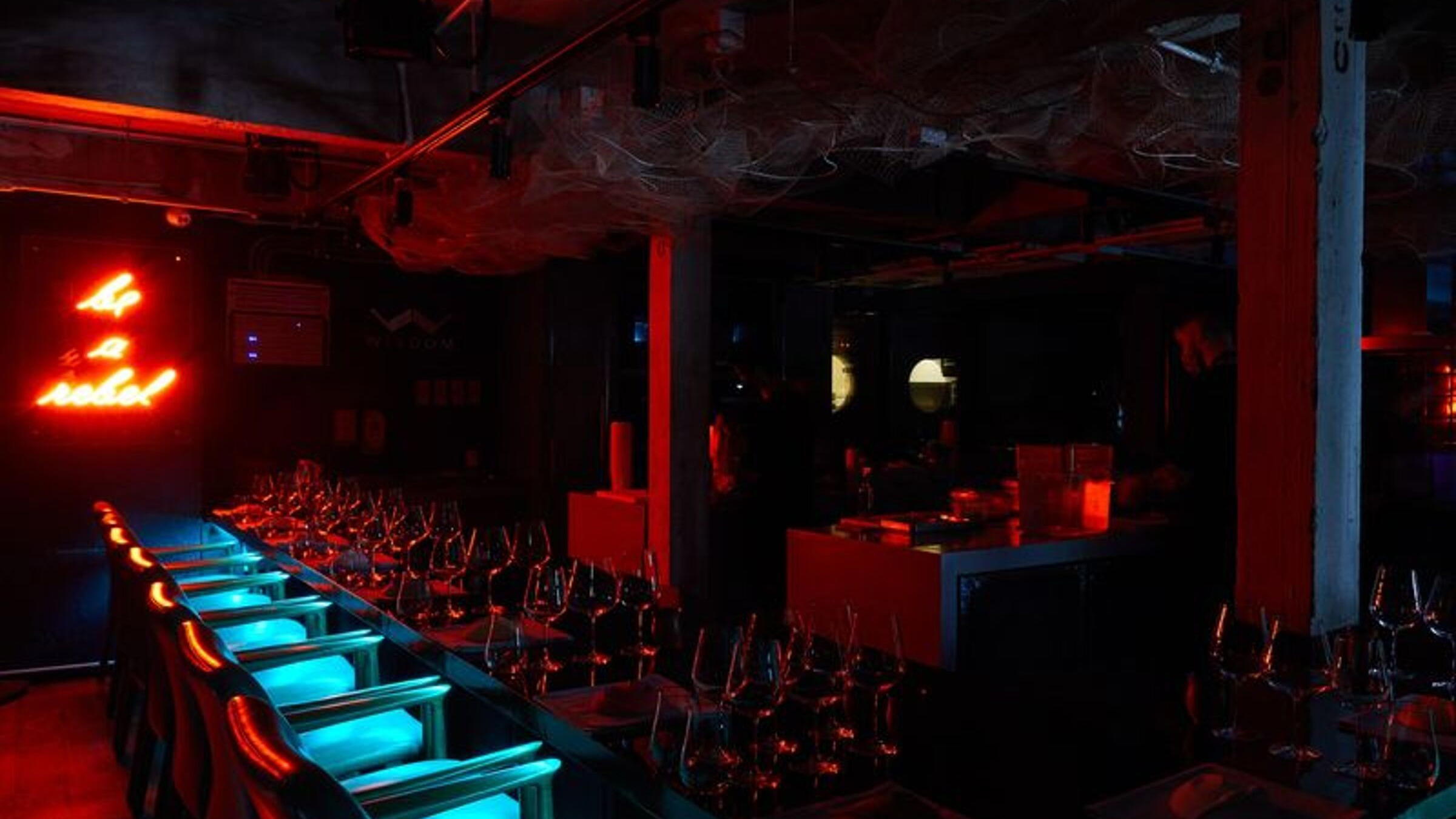
Walk into the dining room at 18 Park Lane off Sukhumvit 63 and the kitchen announces itself before the menu does. The open grill sits at the centre of the room, and diners arranged around it watch skewers rotate over hot coals while the smell of rendered fat and woodsmoke settles into the air. This is the format yakitori was built around in Tokyo: close proximity to the cook, audible sizzle, and no barrier between the preparation and the person eating. Bangkok has plenty of Japanese restaurants across multiple price points, but the open yakitori counter is a more specific format, and Shirokane Tori-Tama operates it with the discipline the form requires.
The restaurant is the fourth Asian branch of a group that originated in Tokyo, and the kitchen is staffed by chefs who brought that training with them. That lineage matters in ways that go beyond credentialism. Yakitori technique at this level is repetitive, exacting, and unforgiving: there is nowhere to hide on a skewer. The Michelin Plate recognition in both 2024 and 2025 places it in the tier of Bangkok's Japanese restaurants worth planning around, though it sits at a different price point than the city's leading omakase and kaiseki counters.
The Progression: How the Meal Builds
A yakitori meal at this standard is less a series of individual dishes than a sequence with internal logic. The beak-to-tail philosophy that defines the kitchen's approach means the progression moves through different parts of the bird, each demanding a different preparation and carrying a different weight on the palate. Lighter, leaner cuts arrive early. Richer, fattier sections come later. Salt and tare alternate as seasoning choices, and the cook's decision about which to use on which cut is part of what separates a considered yakitori counter from one that treats the two options as interchangeable.
That sequencing is worth understanding before you order. At counters like this, the temptation is to over-order early, which disrupts the arc. The better approach is to move through the lighter skewers, let the kitchen pace the mid-section, and arrive at the richer cuts without the table already crowded with plates. This is how the meal was designed to be eaten, and the open kitchen makes the reasoning visible: you can see which skewers are coming off the coals and track the progression in real time.
The chicken liver pâté served with a warm baguette deserves specific mention, not as a curiosity or an aside, but as evidence of range. Offal appears throughout serious yakitori menus, and a kitchen confident enough to translate liver into a pâté format alongside baguette is demonstrating fluency across technique rather than adherence to a single register. It also works as a palate moment between skewer sequences, a pause that resets before the meal continues.
Where Tori-Tama Sits in Bangkok's Japanese Dining Map
Bangkok's Japanese restaurant scene has expanded and stratified considerably over the past decade. At the higher end, multi-course omakase and kaiseki formats sit alongside one-star and two-star Michelin addresses. Kinu by Takagi and Yamazato operate in that upper tier, with kaiseki formats and pricing to match. Den Kushi Flori represents the creative, cross-cultural end of Japanese influence in the city, while Gen (Vadhana) occupies a different segment altogether.
Authentic yakitori, done at this standard, does not require the outlay of a tasting menu. The Michelin Plate is a signal that the kitchen is performing at a level above casual Japanese dining, without requiring the budget that a star-bearing address demands. For Bangkok visitors already committed to one high-spend Japanese meal, Tori-Tama makes a strong case as the second night's booking, or the first if the appetite runs toward grill cookery over multi-course formality.
By contrast, Bangkok's Thai fine dining flagships like Sorn operate at ฿฿฿฿ and occupy a completely different culinary tradition. The comparison is useful mainly to frame what Tori-Tama is not: it is not a destination for guests who want long, wine-paired tasting menus. It is a destination for guests who want the leading version of a specific, focused thing.
The Sukhumvit 63 Location and Practical Framing
The address at 18 Park Lane off Sukhumvit 63 places the restaurant in the Ekkamai corridor, a stretch of Watthana that has accumulated a dense collection of Japanese-influenced dining and nightlife over the years. The area is accessible by BTS Skytrain with Ekkamai station nearby, and the surrounding streets offer enough other dining options to build an evening around the neighbourhood.
For EP Club members planning a broader Bangkok itinerary, the full picture is available through our Bangkok restaurants guide, alongside resources for hotels, bars, experiences, and wineries. Beyond the capital, the platform covers restaurants across Thailand including AKKEE in Pak Kret, PRU in Phuket, Aeeen in Chiang Mai, Agave in Ubon Ratchathani, Angeum in Phra Nakhon Si Ayutthaya, and The Spa in Lamai Beach. For Tokyo context on the yakitori tradition at its source, Myojaku and Azabu Kadowaki represent the Tokyo Japanese dining scene Tori-Tama draws from.
Planning Comparison: Shirokane Tori-Tama vs. Bangkok Japanese Peers
| Venue | Price Range | Format | Michelin Recognition |
|---|---|---|---|
| Shirokane Tori-Tama | ฿฿ | Open grill counter, yakitori | Plate 2024, 2025 |
| Kinu by Takagi | Higher tier | Kaiseki, multi-course | Starred |
| Yamazato | Higher tier | Japanese, hotel dining | Recognised |
| Den Kushi Flori | Higher tier | Creative Japanese fusion | Starred |
Frequently asked questions
What's the address for Shirokane Tori-Tama?
Shirokane Tori-Tama is located at 18 Park Lane Soi Sukhumvit 63 Road Khwaeng Khlong Tan Nuea, Watthana, Bangkok 10110, Thailand, Bangkok.
Does Shirokane Tori-Tama have a Michelin star or similar recognition?
Shirokane Tori-Tama has received recognition including: Experienced chefs from Tokyo have brought authentic yakitori cuisine to Bangkok, here at the group’s fourth branch in Asia. Beak-to-tail cooking is celebrated, where various chicken parts are prepared in several ways to create countless dis….
What's the best thing to order at Shirokane Tori-Tama?
The kitchen's beak-to-tail philosophy is best understood across a range of skewers rather than a single dish, so ordering broadly through the menu reflects how the chefs intend it. That said, the chicken liver pâté served with warm baguette is specifically noted as a standout, sitting outside the grill rotation and drawing on classical French technique to reframe an ingredient most yakitori menus treat as an afterthought. The open kitchen seating lets diners follow the coal-grilling sequence as it builds, which shapes how the meal reads from start to finish. Tori-Tama has held a Michelin Plate in both 2024 and 2025, recognition that tracks the consistency of the kitchen across the full menu rather than a single preparation.
Reputation First
| Venue | Cuisine | Price | Awards | Notes |
|---|---|---|---|---|
| Shirokane Tori-TamaThis venue (the venue you are viewing) | Authentic Yakitori Izakaya | $30–50 | Michelin Plate | Not listed |
| Sorn | Fine Southern Thai | $200–300 | 3 Michelin Stars · World's 50 Best #12 | Southern Thai, ฿฿฿฿ |
| Côte by Mauro Colagreco | Riviera Mediterranean Fine Dining | $200–300 | 2 Michelin Stars · World's 50 Best #91 | Mediterranean, Modern Cuisine, ฿฿฿฿ |
| Baan Tepa | Creative Thai Fine Dining | $150–200 | 2 Michelin Stars · World's 50 Best #53 | Thai contemporary, ฿฿฿฿ |
| Gaa | Modern Indian Fine Dining with Thai Influences | $150–200 | 2 Michelin Stars · World's 50 Best #95 | Modern Indian, Indian, ฿฿฿฿ |
| Sühring | Modern German Fine Dining | $200–300 | 3 Michelin Stars · World's 50 Best #18 | German, ฿฿฿฿ |
Recognition history
Dated appearances from independent guides and award organizations, with the underlying list record or original source where available.
Michelin Plate
Michelin
Full recognition history (3 entries)
Michelin Plate
Michelin
Michelin Plate
Michelin
Continue exploring
More in Bangkok
Restaurants in Bangkok
All restaurants in Bangkok →
Details
- Trendy
- Intimate
- Modern
- Date Night
- After Work
- Casual Hangout
- Open Kitchen
- Chefs Counter
- Sake Program
- A La Carte
- Small Plates
- Counter Dining
- Sake
Current opening hours
- Monday
- 5–11 PM
- Tuesday
- 5–11 PM
- Wednesday
- 5–11 PM
- Thursday
- 5–11 PM
- Friday
- 5–11 PM
- Saturday
- 5–11 PM
- Sunday
- Closed
Hours can change for holidays and private events. Hours as of .
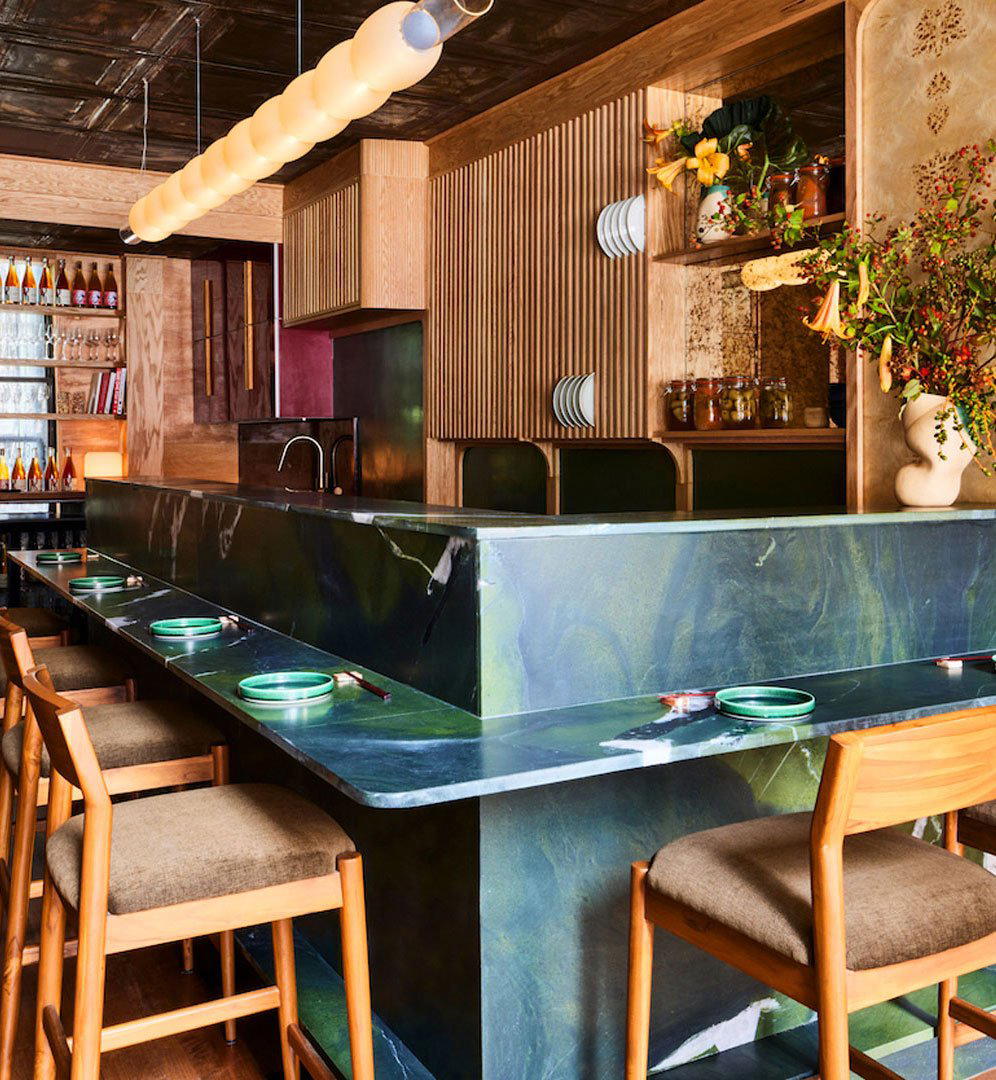
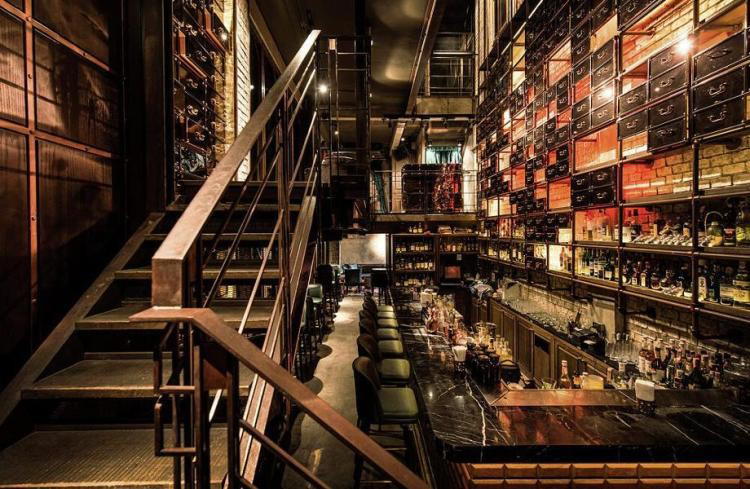
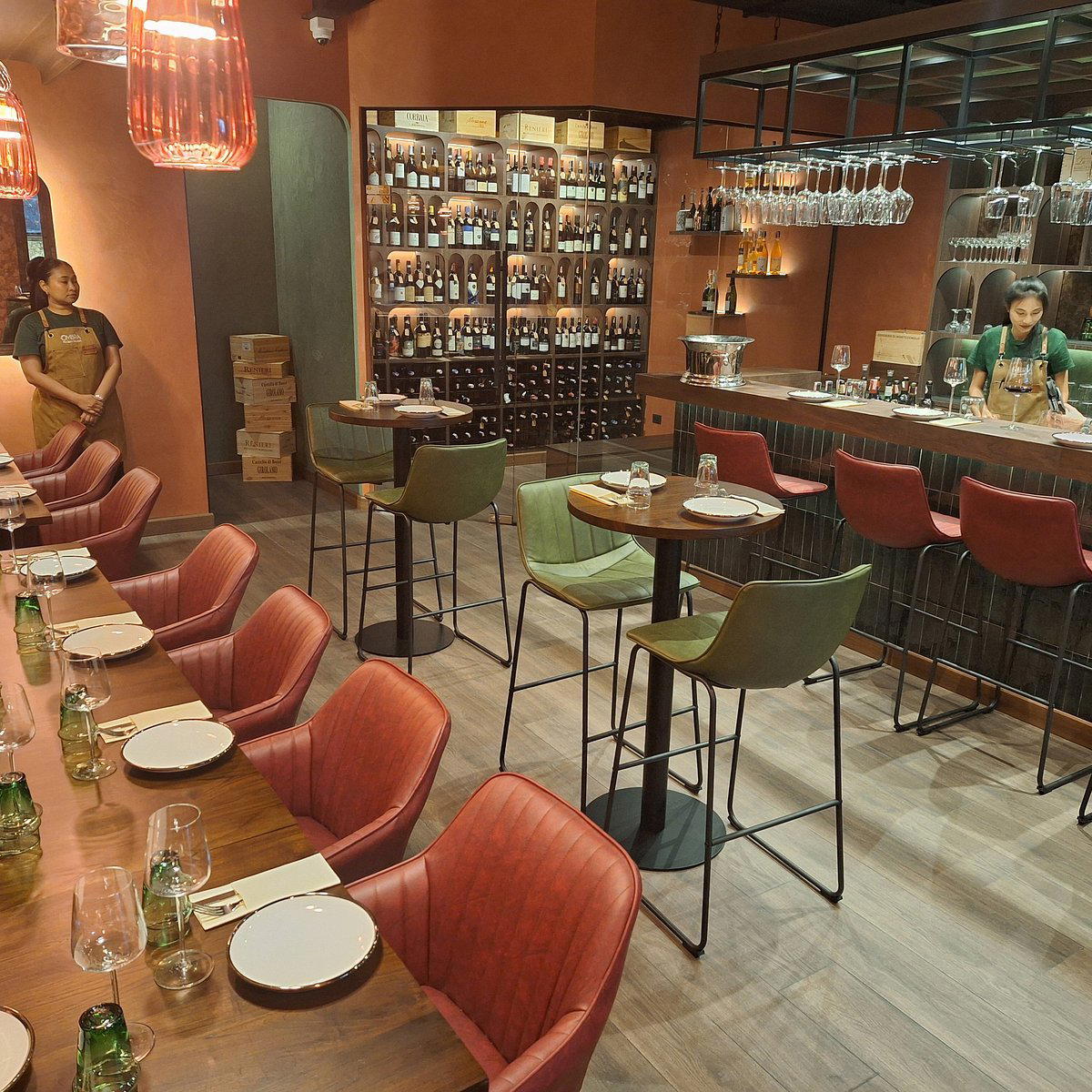
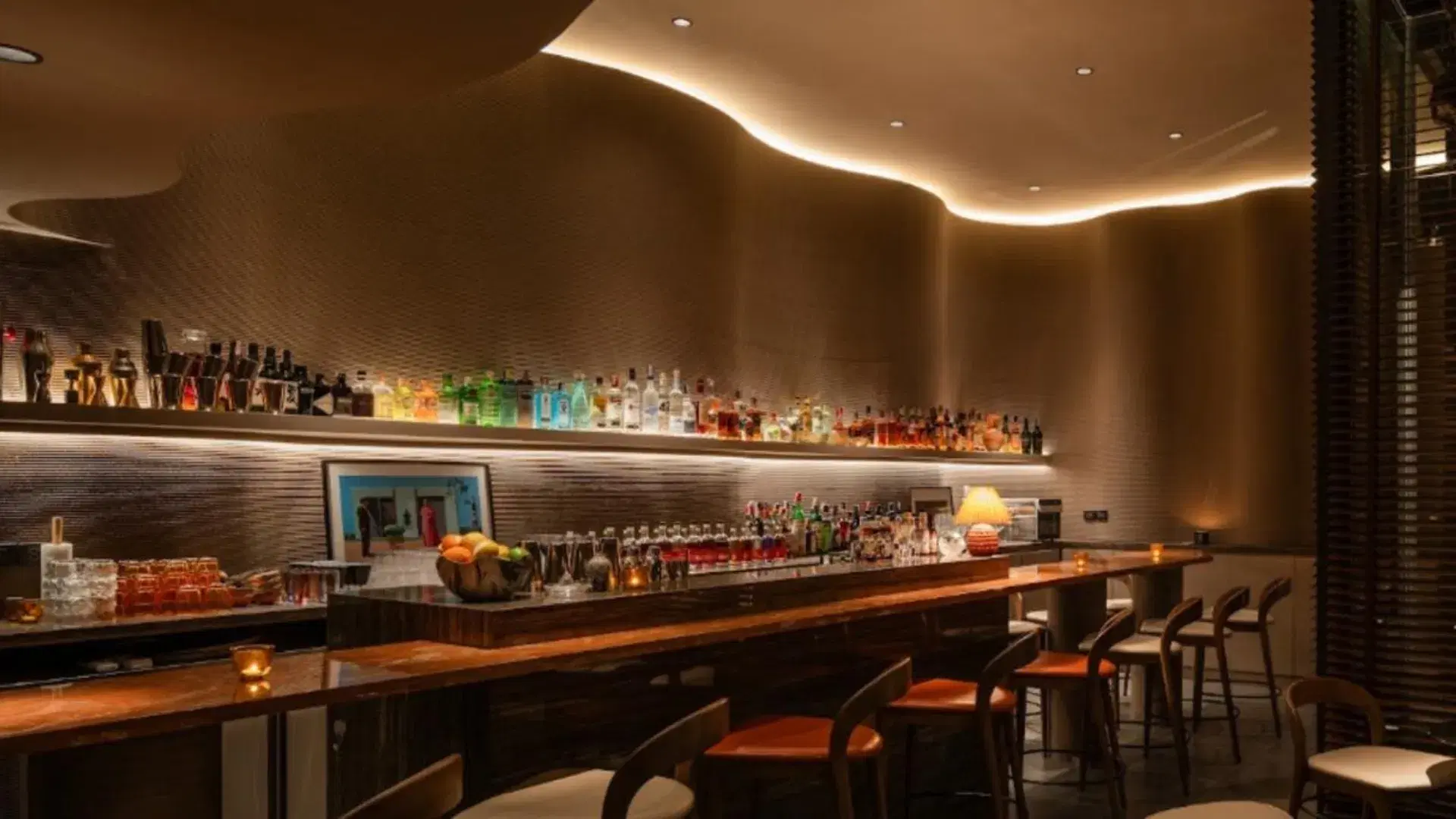
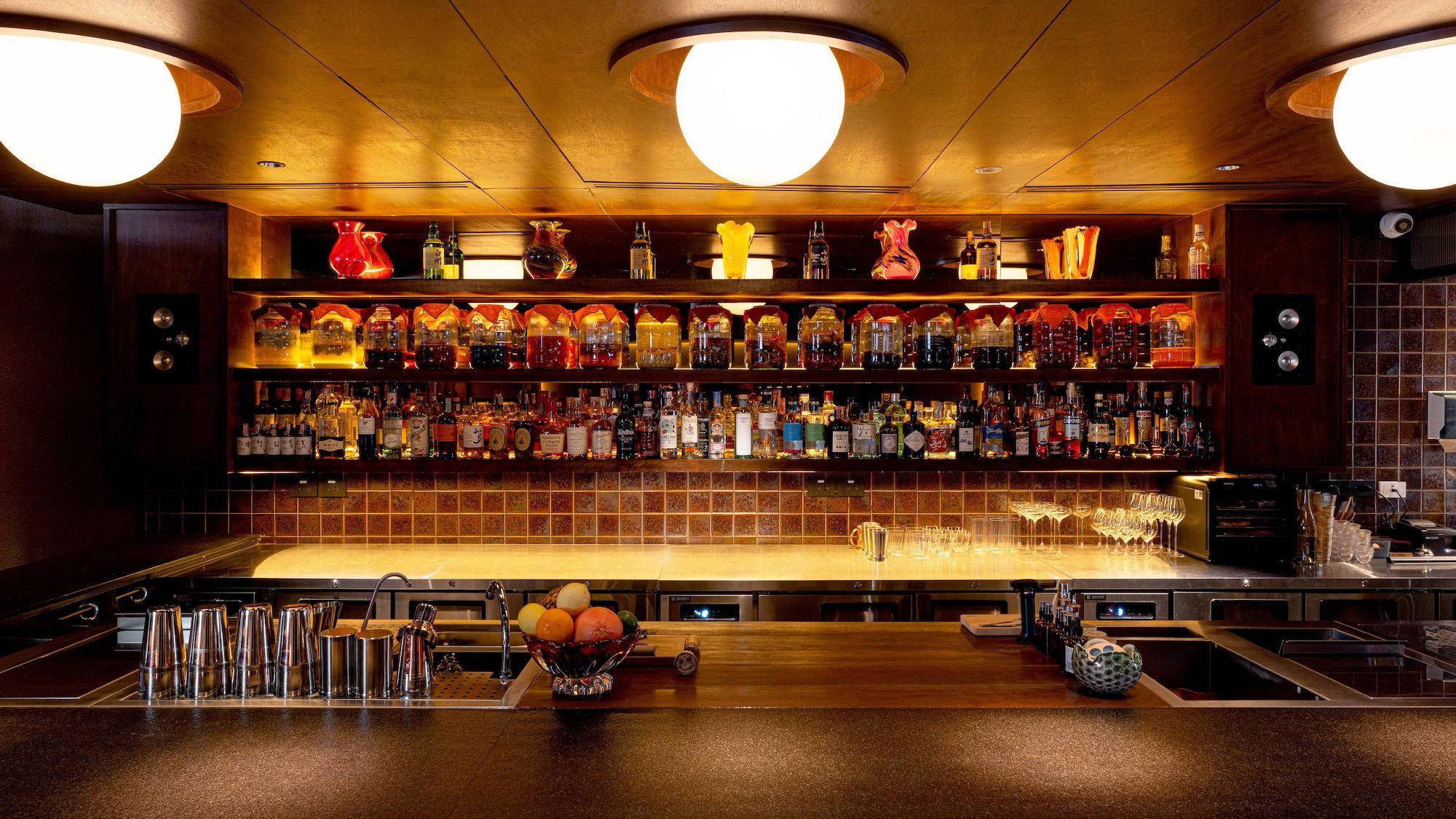
Lively open kitchen counter with sizzling grills and aromatic smoke, creating an energetic yet intimate Tokyo izakaya atmosphere.