
Michelin Plate
Our verdict
A Michelin Plate-recognised yakitori and Japanese grill in Bangkok's Ekkamai corridor, Gen (Vadhana) imports Hitachi wagyu and other ingredients directly from Japan to anchor a menu that extends well beyond skewers into sashimi, noodles, and prized unagi preparations. The room carries a vintage Japanese whisky bar register, and the service follows a traditional Japanese model that sits at a noticeably different register from the neighbourhood's casual dining scene.

Pearl is the En Primeur Club membership app, where members save venues, book tables and use the concierge.
The menu
What to order
- Yakitori
- Fresh sashimi
- Black wagyu
- Chicken grill
Counter Culture and the Live-Fire Tradition in Ekkamai
Bangkok's Japanese dining corridor along Sukhumvit has, over the past decade, stratified into clear tiers. At the formal end sit omakase counters like Kinu by Takagi and kappo formats such as Den Kushi Flori, where the kitchen performance is by design the centrepiece. Below that, a broader mid-tier has developed, Michelin-recognised, ingredient-serious, but built around a more social register. The ฿฿ price positioning makes it one of the more accessible entry points into serious Japanese cooking in the district.
The Atmosphere: Vintage Japan in a Bangkok Side Street
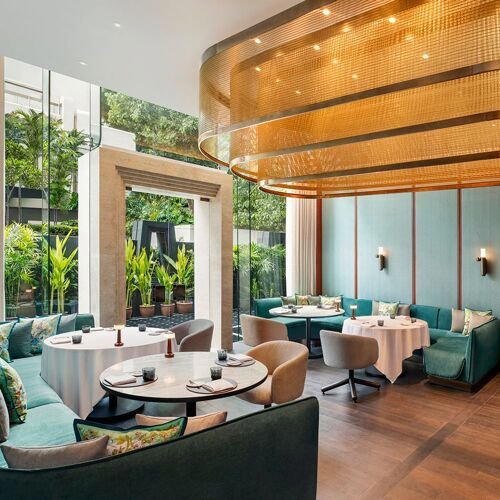
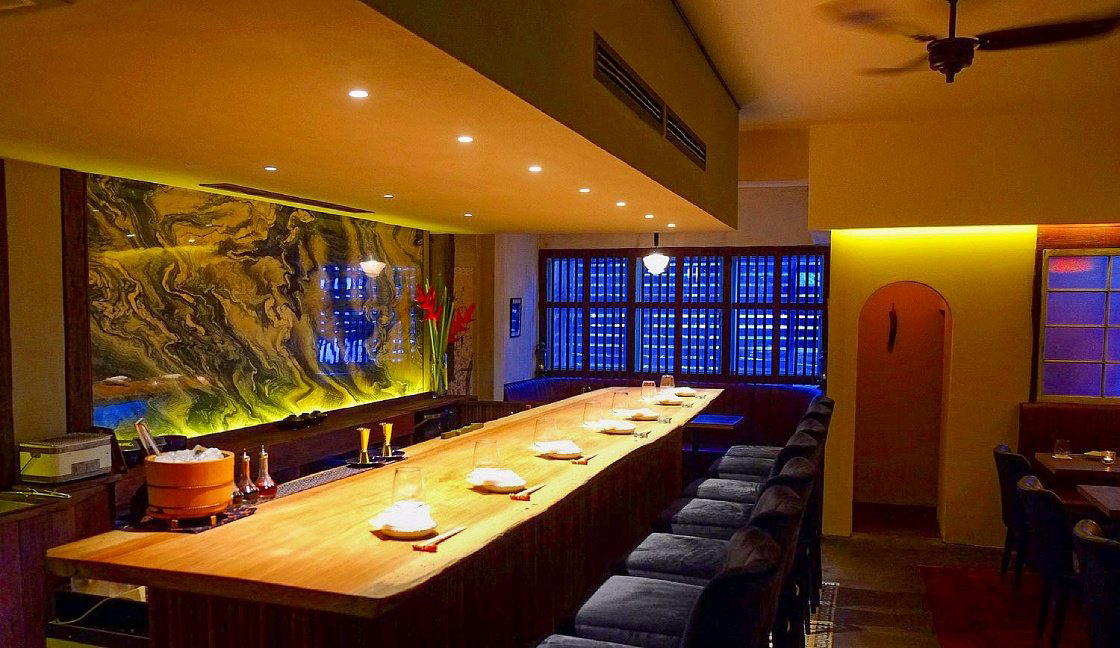
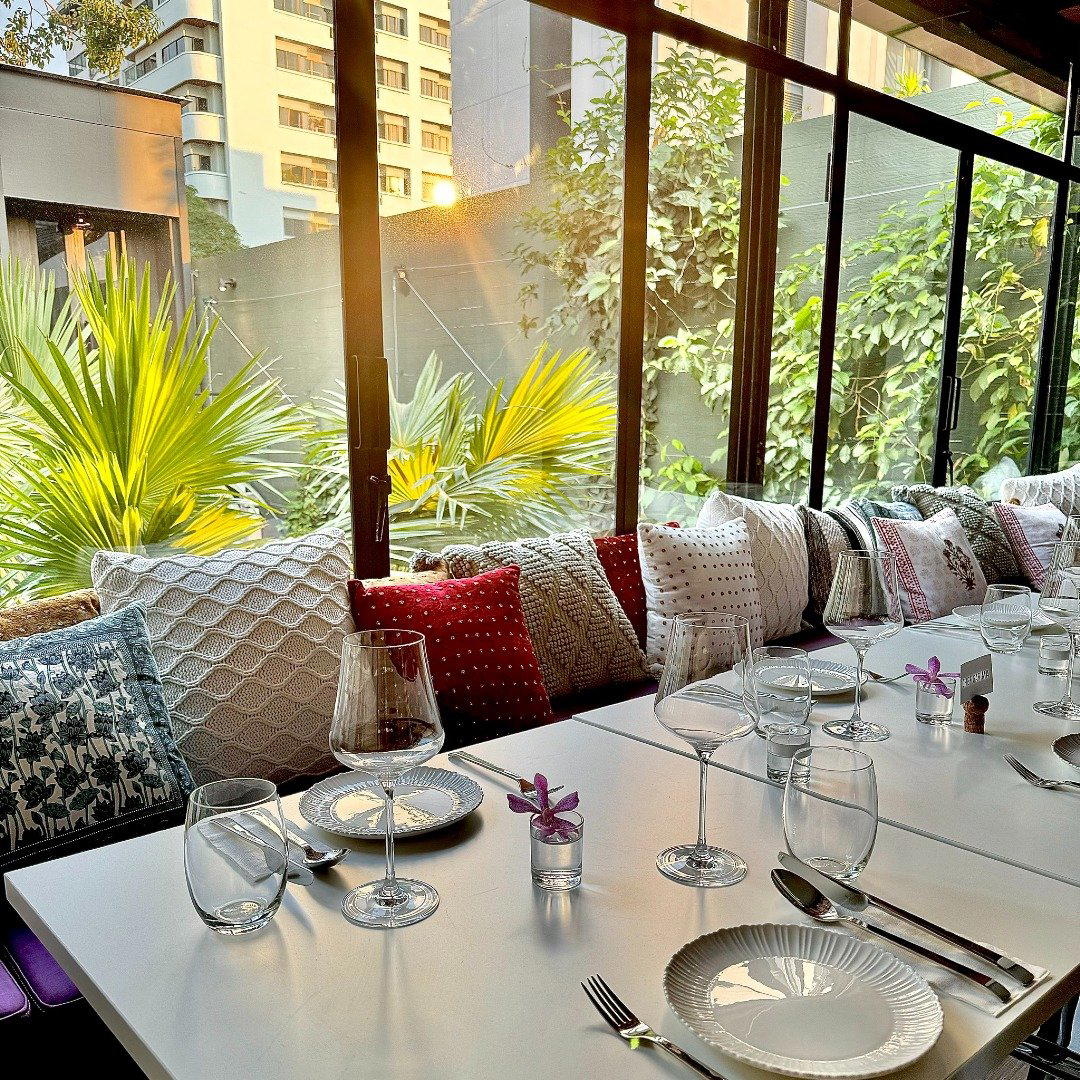
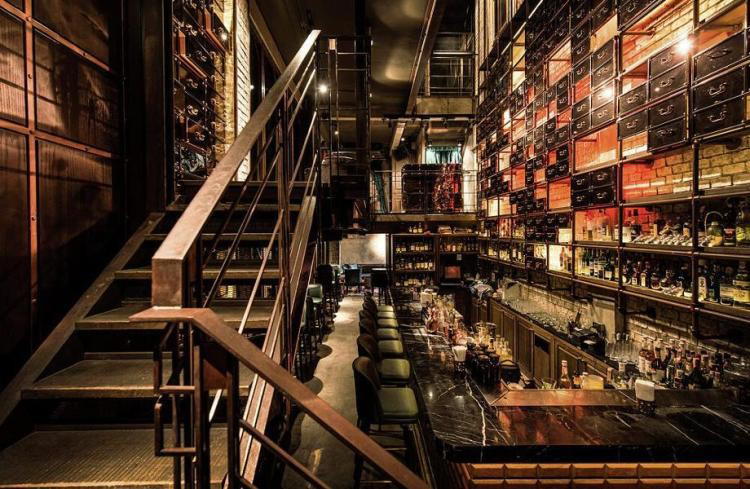
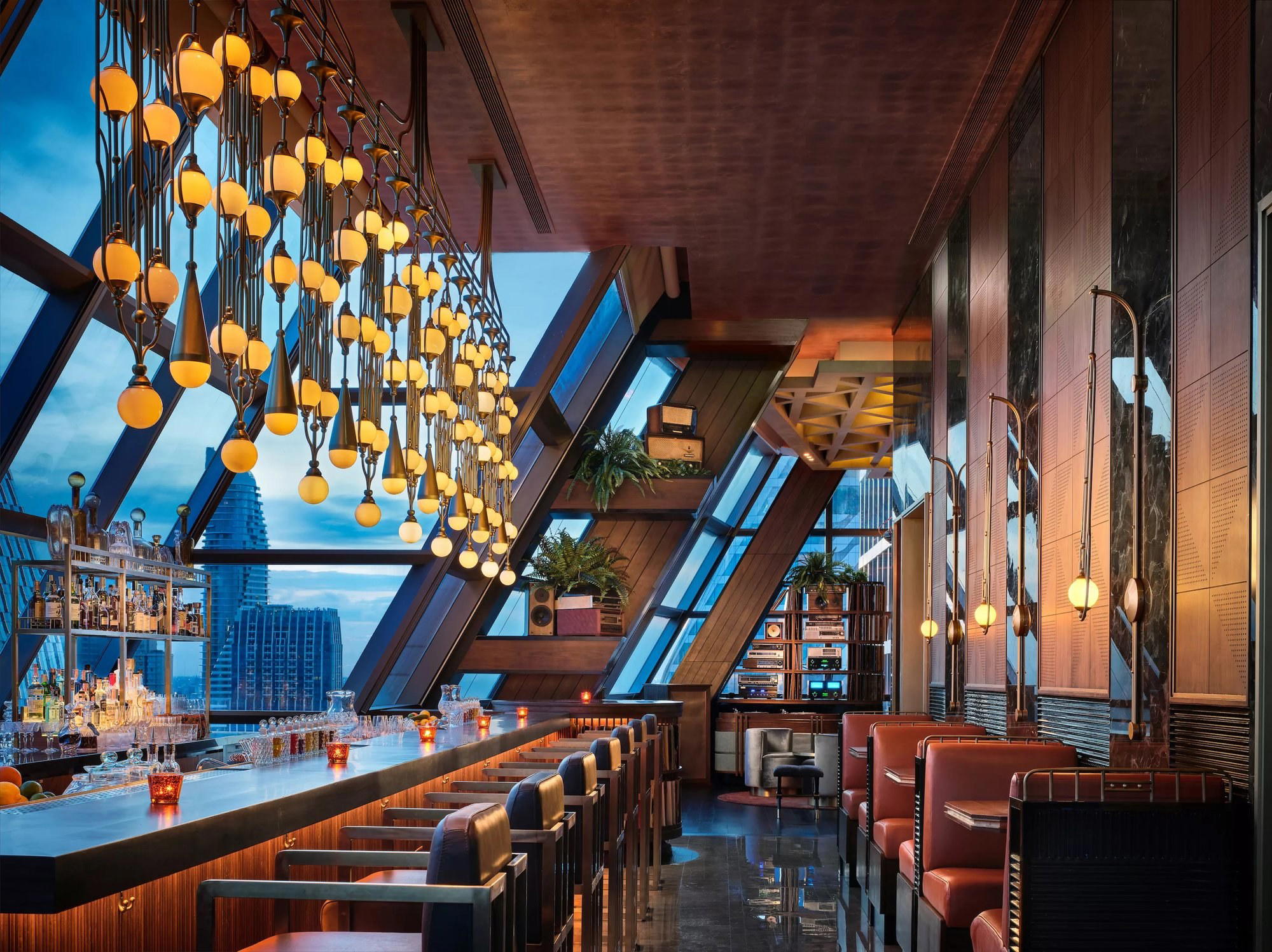
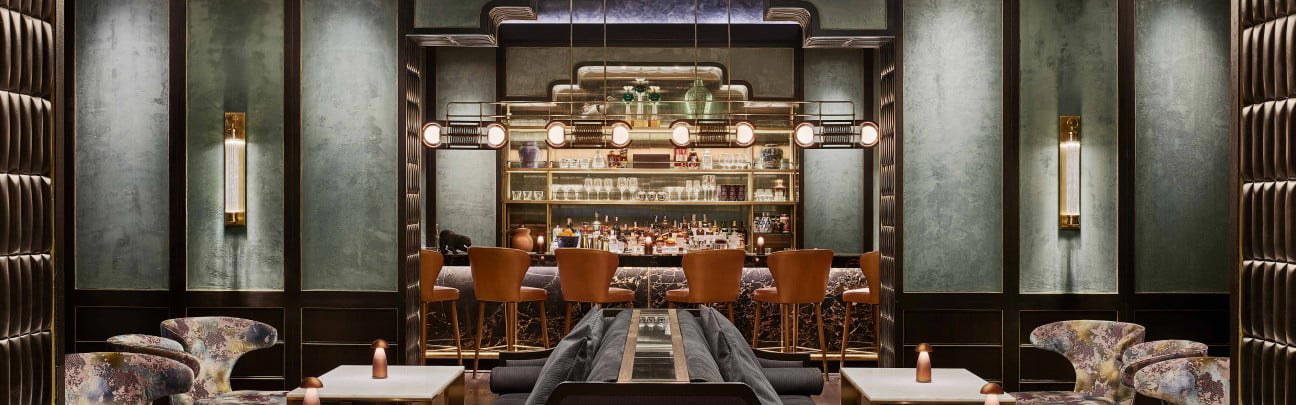
The room carries the visual and atmospheric grammar of a Japanese whisky bar from another era, warm, slightly worn at the edges in a deliberate way, with the kind of patina that newer fit-outs in the area conspicuously lack. This is a dining register that has become harder to find across Bangkok as mid-range Japanese concepts increasingly default to either minimalist contemporary design or loud izakaya aesthetics. The staff operate under a traditional Japanese service model: attentive, precise in explanation, and unhurried. For a price bracket that skews casual, the service formality reads as a genuine differentiator.
The positioning is closer in atmosphere to a Shirokane Tori-Tama register than to the high-ceremony counters further up the Sukhumvit strip. That comparison matters: the yakitori-focused formats that have earned sustained Michelin recognition in Bangkok tend to share a commitment to sourcing and preparation discipline that exceeds what their price points might suggest. Gen fits that pattern.
The Menu: Yakitori as Foundation, Japan as the Supply Chain
Yakitori provides the structural core, but the menu extends meaningfully outward. Sashimi, rice dishes, and noodle preparations give the kitchen range to address a table across multiple formats in a single sitting. The broader Japanese grill and small-plates tradition that the menu references is one with deep roots, the izakaya model of shared preparation and communal ordering, adapted here with sourcing ambition that most venues at this price bracket don't attempt.
The anchor of that sourcing ambition is Hitachi wagyu. Imported from Ibaraki Prefecture in Japan, Hitachi wagyu sits within the upper tier of Japanese beef designations, less internationally discussed than Kobe or Matsusaka, but with a strong domestic reputation and a fat marbling profile that performs well under direct heat. Its presence on a ฿฿ menu in Bangkok is notable and not widely replicated in the neighbourhood. The cooking approach for beef at this quality level matters: too much heat collapses the marbling; too little leaves the texture wrong. The live-fire format of yakitori preparation, with its precise charcoal-distance management, is well-suited to handling high-grade beef cuts with the control they require.
Beyond beef, the Japanese eel (unagi) preparations stand as a further signal of sourcing intent. Unagi is one of the more logistically demanding ingredients in Japanese cooking, seasonality, handling, and preparation technique all significantly affect the result. That the kitchen offers multiple preparations rather than a single token dish suggests a level of commitment to the ingredient that goes beyond its use as a menu decoration.
Live Preparation and the Counter Dynamic
The editorial angle assigned to Gen by its format, and the reason Michelin inspectors return to venues of this type, is the performance dimension of the cooking itself. Yakitori at its technical core is a study in constraint: a skewer, a charcoal grill, precise timing, and the quality of the ingredient. There is nowhere to hide. The theatrics are not dramatic in the teppanyaki showmanship tradition, but they are present in a quieter, more procedural form. Watching charcoal management and the rotation of skewers is, for a certain kind of diner, as absorbing as any plated-course sequence at a formal counter.
This format has earned sustained recognition across the Bangkok Japanese dining scene. At venues like Yamazato and in broader Japanese grill traditions across Thailand, the counter-side or open-kitchen configuration creates a proximity between preparation and consumption that formal dining rooms deliberately avoid. Gen's vintage aesthetic frames that proximity in a particular way, less clinical, more convivial.
Bangkok's Japanese Dining Scene: Where Gen Fits
Bangkok now sustains a Japanese dining ecosystem with genuine depth across all price tiers. At the summit, venues like Sorn (three Michelin stars, Southern Thai) demonstrate that the city can support the most demanding formats. In the Japanese category specifically, the competition is substantial: the city's Japanese restaurant count is among the highest of any Southeast Asian capital, and Michelin has consistently recognised a broad range of formats within it.
Within that field, Gen (Vadhana) occupies a position defined by consistency (two successive Plate awards), accessible pricing (฿฿), and a sourcing programme that punches above that price point. It is not attempting to compete with the formal omakase counters, and it doesn't need to. The izakaya-to-grill format it represents addresses a different kind of evening, longer, more informal, driven by accumulation of small preparations rather than a single narrative arc. That format suits a certain kind of Bangkok dining night very well.
For travellers building a broader picture of Japanese cooking across Thailand, the country offers a surprising range beyond Bangkok. PRU in Phuket demonstrates a different kind of sourcing ambition in the south, while the concentrated dining scenes in Chiang Mai and Pak Kret show how far the country's culinary ambition now extends beyond its capital. And for Japanese dining in its original context, Myojaku and Azabu Kadowaki in Tokyo provide the reference points against which Bangkok's Japanese scene increasingly measures itself.
For a full picture of what Bangkok's dining scene offers across all categories and price tiers, our full Bangkok restaurants guide covers the range. The city's broader hospitality infrastructure, hotels, bars, experiences, and wineries, is documented in the same structure. Further afield, Agave in Ubon Ratchathani, Angeum in Ayutthaya, and The Spa in Lamai Beach fill out the picture of Thailand's wider dining reach.
Planning a Visit
Gen (Vadhana) is located at 267/31 Soi Sukhumvit 63, in the Watthana district, a short distance from the Ekkamai BTS station and well inside the main Japanese dining cluster of the Sukhumvit corridor. The ฿฿ price bracket makes it one of the more accessible Michelin-recognised Japanese venues in the area. The vintage atmosphere and traditional service model suit an unhurried evening rather than a quick dinner; arriving with time to work through the full menu range, including the wagyu and, if the kitchen has them, the eel preparations, is the more rewarding approach.
Frequently asked questions
What do people recommend at Gen (Vadhana)?
Reviews and the venue's Michelin recognition both point toward the yakitori programme as the core draw, with the Hitachi wagyu preparations and the Japanese eel dishes drawing specific attention. The wagyu's provenance, Ibaraki Prefecture, imported directly, gives it a clear reference point within the broader Japanese beef hierarchy. The eel dishes are available in multiple preparations, which is relatively uncommon at this price tier in Bangkok. The sashimi, rice, and noodle options extend the menu for tables that want to move across formats rather than stay exclusively within the grill programme.
Do I need a reservation for Gen (Vadhana)?
At the ฿฿ price tier, Michelin Plate recognition tends to generate demand that exceeds casual walk-in capacity on busier evenings. Weekend evenings in particular are likely to fill early. Booking in advance is the lower-risk approach, particularly if the wagyu or eel preparations are the primary draw, as high-grade imported ingredients are typically available in limited quantities per service.
The Quick Read
| Venue | Cuisine | Price | Awards | Notes |
|---|---|---|---|---|
| Gen (Vadhana)This venue (the venue you are viewing) | Japanese Charcoal Grill and Yakitori | Not listed | Michelin Plate | Not listed |
| Sorn | Fine Southern Thai | $200–300 | 3 Michelin Stars · World's 50 Best #12 | Southern Thai, ฿฿฿฿ |
| Côte by Mauro Colagreco | Riviera Mediterranean Fine Dining | $200–300 | 2 Michelin Stars · World's 50 Best #91 | Mediterranean, Modern Cuisine, ฿฿฿฿ |
| Baan Tepa | Creative Thai Fine Dining | $150–200 | 2 Michelin Stars · World's 50 Best #53 | Thai contemporary, ฿฿฿฿ |
| Gaa | Modern Indian Fine Dining with Thai Influences | $150–200 | 2 Michelin Stars · World's 50 Best #95 | Modern Indian, Indian, ฿฿฿฿ |
| Sühring | Modern German Fine Dining | $200–300 | 3 Michelin Stars · World's 50 Best #18 | German, ฿฿฿฿ |
Recognition history
Dated appearances from independent guides and award organizations, with the underlying list record or original source where available.
Michelin Plate
Michelin
Full recognition history (3 entries)
Michelin Plate
Michelin
Michelin Plate
Michelin
Continue exploring
More in Bangkok
Restaurants in Bangkok
All restaurants in Bangkok →
Bars in Bangkok
All bars in Bangkok →
Details
- Trendy
- Intimate
- Classic
- Cozy
- Date Night
- Casual Hangout
- Group Dining
- After Work
- Standalone
- Private Dining
- A La Carte
- Small Plates
- Whisky
- Drinks
Current opening hours
- Monday
- 5 PM–12 AM
- Tuesday
- Closed
- Wednesday
- 5 PM–12 AM
- Thursday
- 5 PM–12 AM
- Friday
- 5 PM–12 AM
- Saturday
- 5 PM–12 AM
- Sunday
- 5 PM–12 AM
Hours can change for holidays and private events. Hours as of .
An intimate, vintage Japanese whisky-bar-style room with Kyoto machiya and old folk-house inspiration, using aged wood for a warm traditional atmosphere.