
Michelin Plate
Our verdict
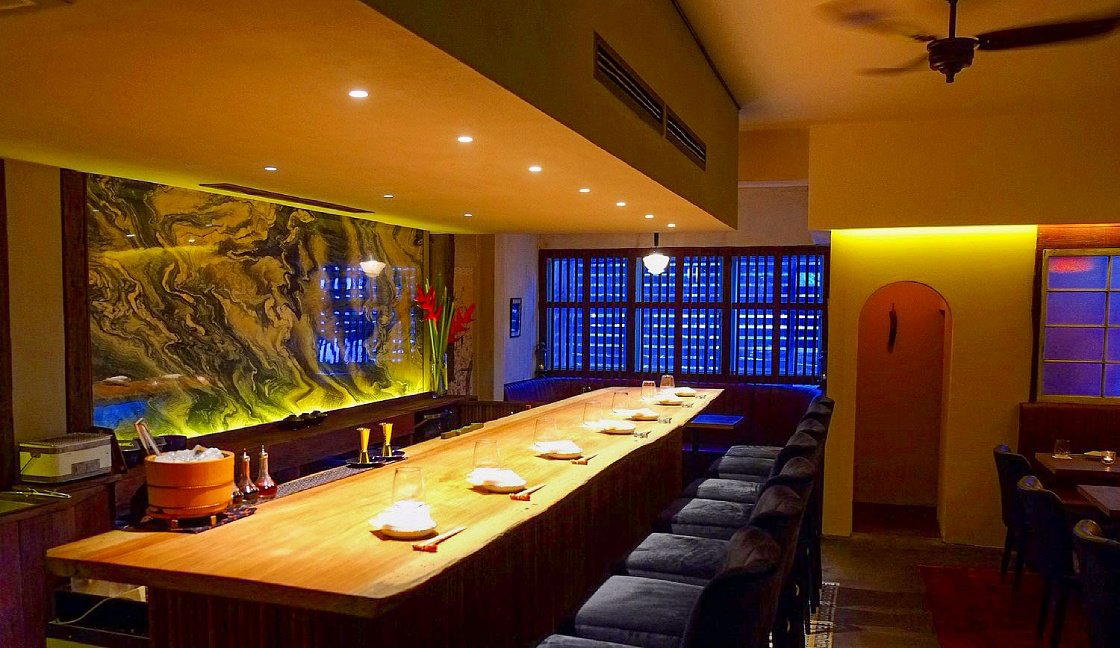
Kinu by Takagi translates Kyoto-style kaiseki into a Bangkok setting framed by teakwood crosshatch flooring and a curated mix of Japanese and northern Thai ceramics. Two consecutive Michelin Plates (2024, 2025) place it among the city's most considered Japanese dining rooms, where the meal closes with a matcha tea ceremony and premium sake anchors the beverage program.

Pearl is the En Primeur Club membership app, where members save venues, book tables and use the concierge.
The menu
What to order
- 10-course kaiseki tasting menu
- Wagyu beef with black truffle
- Tottori crab
- Grilled pomfret
- Miyazaki eel with red miso soup
A Room Built for Restraint
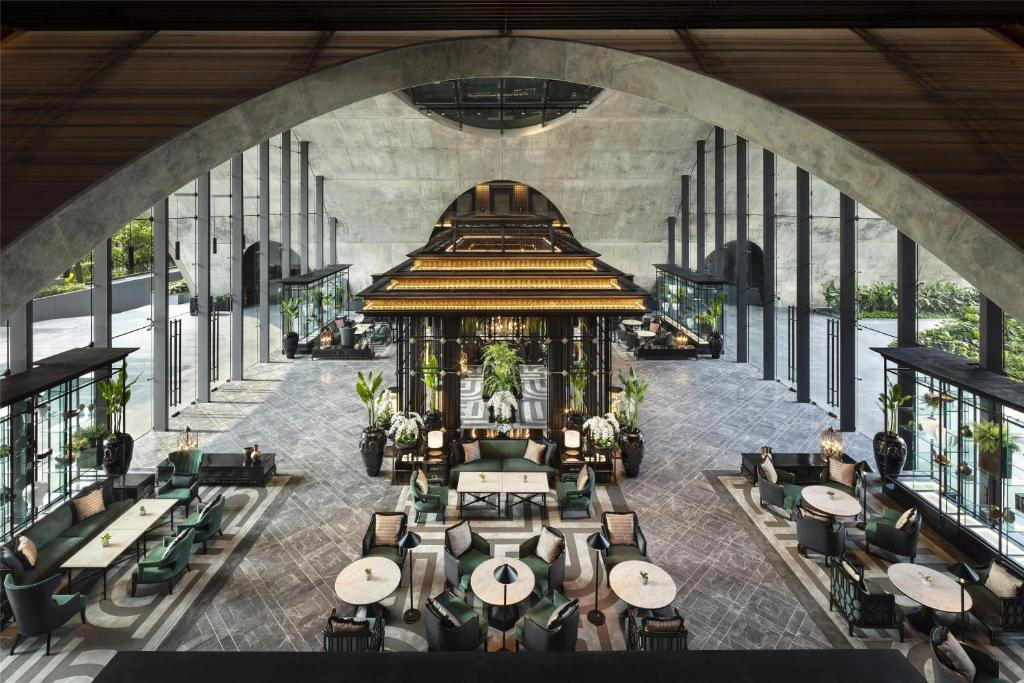
Bangkok has accumulated a dense tier of high-end Japanese restaurants over the past decade, ranging from omakase counters in hotel towers to intimate kaiseki rooms that operate almost invisibly from the street. Kinu by Takagi belongs to the latter category. Entry is through sliding wooden doors, a threshold detail that functions as more than atmosphere: it signals the pacing and register of what follows. The interior combines teakwood crosshatch flooring with a mix of Japanese and northern Thai ceramics, a material pairing that positions the room in a specific cultural conversation. Rather than replicating a Kyoto dining room wholesale, the space borrows from both traditions at the level of craft object and surface texture. That kind of deliberate hybridity is increasingly common in Bangkok's premium Japanese tier, where local designers and chefs collaborate to avoid producing a facsimile of something the guest could experience in Japan.
The welcome sequence begins in a Japanese-style Minka area, where arrival drinks are served before the meal proper. Minka architecture, associated with traditional Japanese farmhouses, brings an informal warmth to what is otherwise a technically precise environment. It is a structurally smart choice: it lowers the formality gradient at the moment of entry, which matters when the meal itself runs through the discipline of kaiseki. By the time the first course arrives, the room has done its work.
Kaiseki in Bangkok: the Format and Its Demands
Kaiseki is one of the most codified dining formats in Japanese cuisine. Rooted in the tea ceremony culture of Kyoto, it organises a meal into a sequence of small courses built around seasonal produce, with each dish calibrated for texture, temperature, and visual composition as much as flavour. Executing it credibly outside Japan requires both sourcing discipline and a kitchen that understands the format's internal logic, not just its surface aesthetics. Bangkok's premium dining scene has attracted several Japanese chefs who bring that training with them, and Kinu by Takagi positions itself specifically within the Kyoto-style kaiseki tradition, emphasising what the kitchen describes as the natural flavours of leading Japanese ingredients.
That emphasis on ingredient quality over technique-for-its-own-sake is consistent with the classical kaiseki approach, in which the chef's role is more editorial than transformative. Within Bangkok's ฿฿฿฿ Japanese tier, that places Kinu in a different register from, say, the yakitori-focused precision of Shirokane Tori-Tama or the more contemporary Japanese framing at Den Kushi Flori. For comparison across the broader Thai fine dining spectrum, Sorn operates at three Michelin Stars with an entirely different southern Thai focus, while Gen (Vadhana) and Yamazato each approach Japanese cooking through different lenses. Kinu's particular commitment to Kyoto kaiseki form gives it a specificity that rewards guests who come with some knowledge of the tradition.
The Bar, the Sake, and the Closing Ceremony
Sake programming at kaiseki restaurants is rarely an afterthought, and the bar at Kinu by Takagi is described as housing an excellent sake collection. The relationship between sake and kaiseki is structural: the beverage is expected to complement the dish sequence without overwhelming the delicacy of the cooking. In Bangkok, building a genuinely considered sake list requires importation effort and storage discipline that most restaurants at this price point do not prioritise. That Kinu has invested in this component is a signal about the seriousness of its kaiseki intent.
The meal closes with a matcha tea ceremony, which returns the experience to its Kyoto origins in a literal sense. The tea ceremony and kaiseki developed in parallel in Kyoto's cultural history, and ending a meal this way is not merely decorative. It reframes the preceding courses as part of a longer cultural practice rather than simply a sequence of dishes. For guests unfamiliar with the ceremony, it also provides a natural point of conversation and deceleration before departure.
Recognition and Peer Context
Kinu by Takagi holds a Michelin Plate in both the 2024 and 2025 Bangkok guides. Within the Michelin framework, the Plate designation marks a restaurant that produces good cooking, positioned below the star tier but above the general mass of listed venues. In Bangkok's Japanese dining segment, which the guide monitors with particular attention given the density and quality of the city's Japanese restaurant population, a sustained Plate across two consecutive years indicates consistent kitchen performance. It places Kinu in the same recognisable tier as other technically sound restaurants that have not yet crossed into the more selective starred category.
For broader context on Tokyo-rooted kaiseki traditions, both Myojaku and Azabu Kadowaki in Tokyo illustrate the range of approaches that fall under Japanese fine dining in their home city, which helps calibrate expectations for what a Kyoto-style practitioner working in Bangkok is working towards.
Bangkok's Broader Fine Dining Geography
Bangkok's fine dining scene extends well beyond the city's central districts. Elsewhere in Thailand, PRU in Phuket operates a farm-to-table model at the southern end of the country, while Aeeen in Chiang Mai represents the northern region's more intimate fine dining offer. AKKEE in Pak Kret and Angeum in Phra Nakhon Si Ayutthaya extend the map further into the Bangkok periphery and central plains. For the full picture of where Kinu sits within the capital's restaurant ecology, see our full Bangkok restaurants guide. Planning a wider trip to the city can also draw on our Bangkok hotels guide, bars guide, and experiences guide.
Know Before You Go
- Cuisine: Kyoto-style kaiseki, Japanese
- Price range: ฿฿฿฿ (premium)
- Awards: Michelin Plate 2024, Michelin Plate 2025
- Beverage focus: Sake collection; matcha tea ceremony to close
- Arrival note: Welcome drinks served in the Minka area before the meal begins
- Booking: Contact the restaurant directly; reservation recommended given the format
Frequently asked questions
Does Kinu by Takagi have a Michelin star or similar recognition?
Kinu by Takagi has received recognition including: Hidden behind sliding wooden doors, Kinu's décor combines Japanese and Thai influences, featuring teakwood crosshatch flooring and a mix of Japanese and northern Thai ceramics. Chef Takagi excels in Kyoto-style Kaiseki, highlighting the nat….
What should I eat at Kinu by Takagi?
Kinu operates on a kaiseki format, meaning the kitchen sets the sequence and there is no à la carte selection. The menu follows Kyoto kaiseki tradition, built around top Japanese ingredients with each course arranged to highlight natural flavour rather than embellishment. The meal closes with a matcha tea ceremony, which is part of the structured experience rather than an optional add-on.
What does dinner at Kinu by Takagi typically cost?
Pricing at Kinu by Takagi is listed as ฿฿฿฿.
Comparison Snapshot
A small set of peers for context, based on recorded venue fields.
| Venue | Cuisine | Price | Awards | Notes |
|---|---|---|---|---|
| Kinu by TakagiThis venue (the venue you are viewing) | Kyoto-Style Kaiseki Omakase | $200–300 | Michelin Plate | Not listed |
| Sorn | Fine Southern Thai | $200–300 | 3 Michelin Stars · World's 50 Best #12 | Southern Thai, ฿฿฿฿ |
| Côte by Mauro Colagreco | Riviera Mediterranean Fine Dining | $200–300 | 2 Michelin Stars · World's 50 Best #91 | Mediterranean, Modern Cuisine, ฿฿฿฿ |
| Baan Tepa | Creative Thai Fine Dining | $150–200 | 2 Michelin Stars · World's 50 Best #53 | Thai contemporary, ฿฿฿฿ |
| Gaa | Modern Indian Fine Dining with Thai Influences | $150–200 | 2 Michelin Stars · World's 50 Best #95 | Modern Indian, Indian, ฿฿฿฿ |
| Sühring | Modern German Fine Dining | $200–300 | 3 Michelin Stars · World's 50 Best #18 | German, ฿฿฿฿ |
Recognition history
Dated appearances from independent guides and award organizations, with the underlying list record or original source where available.
Michelin Plate
Michelin
Full recognition history (3 entries)
Michelin Plate
Michelin
Michelin Plate
Michelin
Continue exploring
More in Bangkok
Restaurants in Bangkok
All restaurants in Bangkok →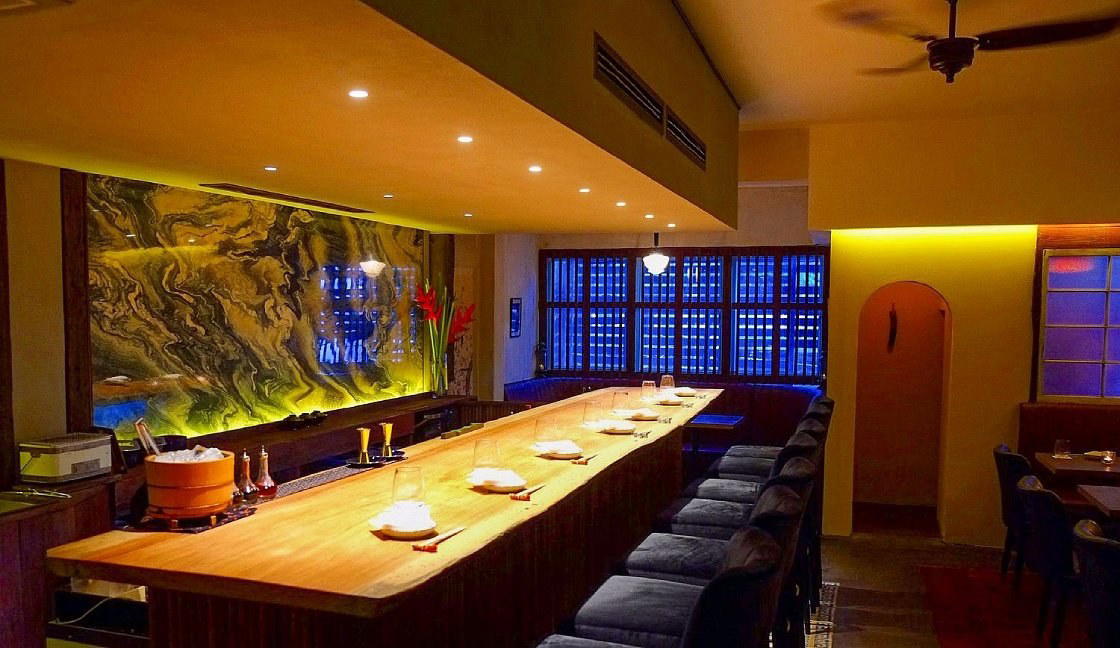
Bars in Bangkok
All bars in Bangkok →


Details
- Elegant
- Intimate
- Sophisticated
- Quiet
- Special Occasion
- Date Night
- Celebration
- Chefs Counter
- Open Kitchen
- Hotel Restaurant
- Sake Program
- Sommelier Led
- Local Sourcing
- Sustainable Seafood
- Omakase
- Tasting Menu
- Counter Dining
- Sake
- Pescatarian Friendly
- Allergy Accommodating
Dim lighting with a polished wooden dining bar, shibori-dyed fabric chairs, and handmade Japanese tableware create an upscale, serene atmosphere that evokes dining in a high-end Kyoto restaurant.