
Shio Soba Jikuu is an eight-seat counter ramen shop in Suginami, Tokyo, with JPY 1,000–1,999 pricing, Tabelog Ramen TOKYO 100 selection in 2024 and 2025, and Michelin Guide Tokyo Bib Gourmand listings for 2025 and 2026. Its compact format suits diners who want Tokyo ramen at a serious specialist counter rather than a long, leisurely restaurant meal.
Pearl is the En Primeur Club membership app — saves, bookings, and concierge access live there. Same editors, same standards.
- Address
- 東京都杉並区高井戸東4-14-7
- Website
- tabelog.com
 Saves & bookings on Pearl
A small Tokyo ramen counter starts working before the bowl arrives: the narrow room, close rhythm of orders, quiet choreography of noodles, broth and payment, all in a space built for turnover rather than ceremony. In Suginami, that format is especially clear. This is not Ginza dining translated into ramen; it is neighbourhood Tokyo, where precision must fit a short service window, a few counter seats and the expectation that the bowl lands quickly.
Shio Soba Jikuu sits in Tokyo’s current ramen tier where lightness, discipline and recognised evaluation matter more than spectacle. Tokyo has long treated ramen as daily food and obsessive craft, but recent recognition systems have sharpened the middle ground: modest shops can be judged against specialist peers across the city. Selection for Tabelog Ramen TOKYO 100 in 2024 and 2025, plus Michelin Guide Tokyo Bib Gourmand listings for 2025 and 2026, places this address where casual pricing meets critical scrutiny.
A small Suginami counter in Tokyo's serious ramen circuit
Ramen in Tokyo is not one scene. The city contains station-front chains, late-night bowls, counter-only specialists and destination shops run with tasting-menu intensity. Suginami matters because it shifts expectations away from central-district theatre. Around Takaido, a ramen counter must work for locals, solo diners and families as much as for cross-town obsessives following award lists. Recognition here is therefore more interesting: the shop is read not as luxury, but as a precise example of a democratic Tokyo format.
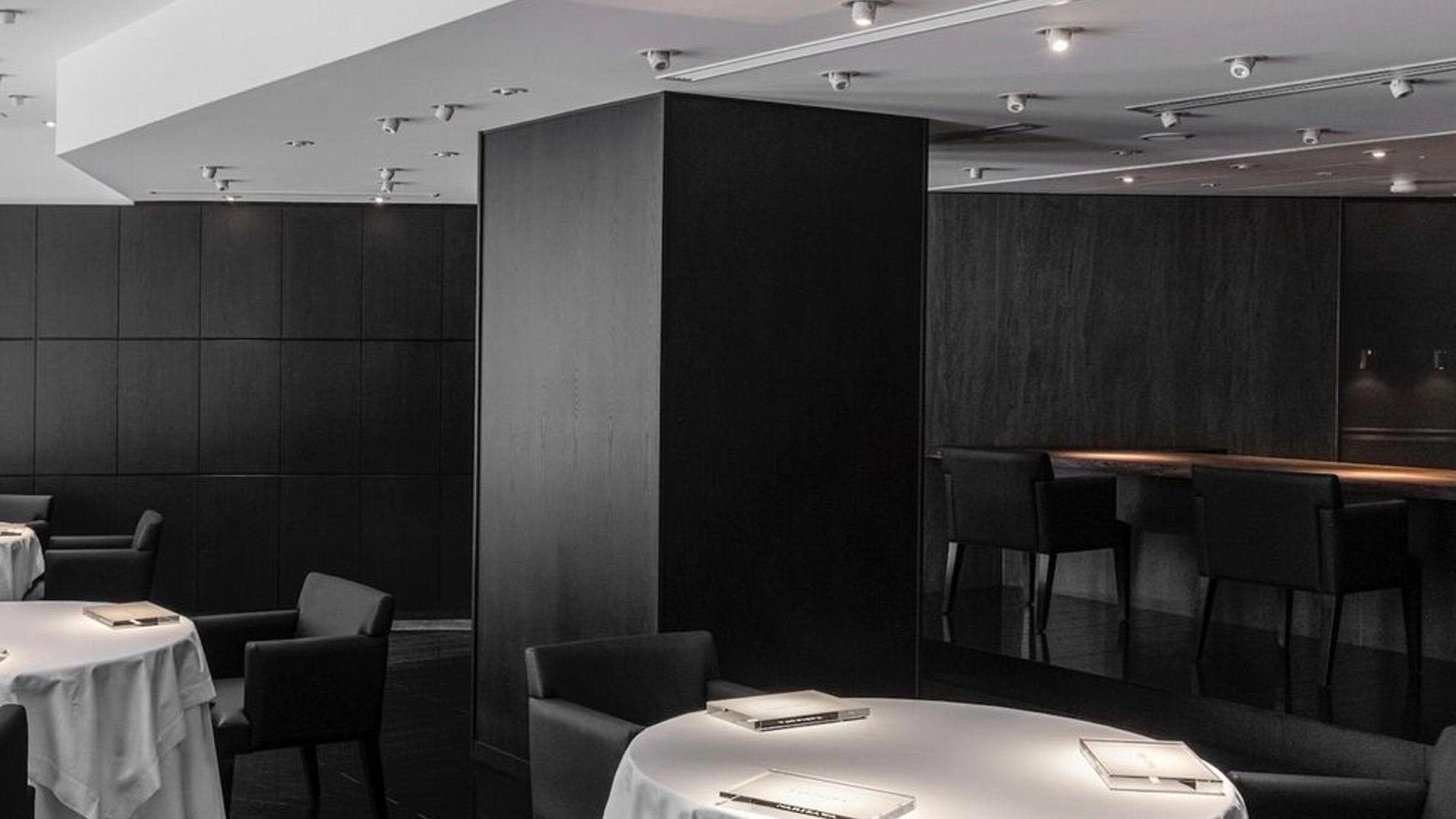
The room’s scale defines the experience. Eight counter seats make the meal close-up: a diner sees the service pace, hears bowls move, and understands that the counter is not for lingering. This is where Tokyo ramen can outperform more elaborate formats. The compact setting compresses attention, leaving little distance between cooking and eating, and little room for distractions that soften larger restaurants.
The name signals shio soba, a style that rewards clarity over weight. In Tokyo ramen vocabulary, shio is judged by balance: salt must season without flattening, broth must carry depth without heaviness, and toppings should support rather than crowd the bowl. The category itself tells experienced diners how to read the meal, asking attention to proportion, temperature and pace.
That also explains why awards matter differently in ramen. A Bib Gourmand is not a luxury badge; it identifies value-led cooking with distinction enough to draw inspectors. Tabelog’s Ramen TOKYO 100 works as a local signal in a crowded field. Together, they suggest a shop operating above routine neighbourhood convenience while staying within the everyday price logic that keeps ramen central to Tokyo dining.
How the atmosphere shapes the bowl
Counter ramen is sensory, but not in the inflated language of fine dining. The details are practical and immediate: steam at arm’s length, noodles being lifted, bowls cleared quickly, and the visible constraint of a room with no spare tables. The diner’s attention narrows, and that narrowing is part of the pleasure. The format gives the bowl urgency.
The appeal is not privacy or polish. It is concentration. Solo dining makes sense because the counter gives every guest the same orientation. Family dining can work because the structure is simple, provided the group understands the pace and limited seating. Comfort comes from predictability rather than spaciousness: sit, eat, clear the seat for the next diner.
The awards place Shio Soba Jikuu beside other Tokyo specialist addresses without making it an occasion restaurant. Shina Soba Tantantei, another Tokyo name in the comparison set, sits in a similar everyday-budget ramen bracket, clarifying the frame: not luxury ingredients or extended service, but how much precision a bowl can deliver within a modest ramen format. Nearby category alternatives, from curry specialists such as 3 Chome no Curry Ya San to casual visual cafés like 2D Cafe, show the breadth of Tokyo’s low-to-mid-price dining field. Ramen’s advantage is compression: less time, fewer choices, higher focus.
For readers mapping Tokyo more broadly, the point is not to treat one ramen counter as a standalone trophy. It belongs inside a larger city habit: travelling across wards for a narrow speciality, then moving on. That habit connects with other focused formats, including yakitori at 124. KAGURAZAKA (Yakitori), seafood and charcoal cooking at . 鮪と炭火焼き うお炭 秋葉原店, and small-format Shinjuku dining at 12/10 Shinjuku ten. The lesson is that Tokyo rewards specificity more than breadth.
Where it fits for a Tokyo dining day
Shio Soba Jikuu suits a day that needs a precise ramen stop rather than a drawn-out reservation meal. Its counter-only scale, family-friendly note and solo-dining fit give it a broader audience than many serious food destinations, but the small room still requires realistic expectations. Diners wanting space, wine service or long conversation should choose another format. Diners wanting a compact, critically recognised ramen experience in western Tokyo are closer to the point.
Planning ramen in Tokyo is often about sequencing. A bowl can anchor a Suginami afternoon, precede an evening bar plan, or replace a formal lunch when the day is built around museums, shopping or train transfers. For wider city planning, use Our full Tokyo restaurants guide alongside Our full Tokyo bars guide, Our full Tokyo hotels guide, Our full Tokyo experiences guide and Our full Tokyo wineries guide. Japan’s broader casual-dining map offers useful contrasts too, from -Grilled beef Sukiyaki- KAMAKURA TANUKIAN 鎌倉 たぬき庵 in Kamakura and.cafe in Osaka to.know in Kumamoto, (Shoku) Vietnam in Kawasaki, [Curry Senmon Ten] Maruyama Kyoju. in Sapporo and [ki:] in Kyoto. Overseas Japanese-leaning formats, including Jōdo Saké Bar in Los Angeles and Onigiri Time in Pasadena, underline the same truth from another angle: the strongest casual Japanese meals often depend on format discipline before decoration.
Booking and Cost Snapshot
Comparable venues by cuisine and price in the same metro.
| Venue | Cuisine | Price | Notes |
|---|---|---|---|
| Shio Soba JikuuThis venue — the venue you are viewing | Suginami, Modern shio ramen counter | $ | Not listed |
| Chonan Hosono Takashi | Nerima, Tsukemen & ramen | $ | Not listed |
| Chuka Soba Chigonoki | Shinjuku, Niboshi-focused Ramen Shop | $ | Not listed |
| Oiwake Dango Honpo Shinjuku honten | Not listed | $ | Shinjuku, Traditional Japanese dango & wagashi cafe |
| Pneuma Curry | Shinjuku, Japanese Curry | $ | Not listed |
| 北島亭 | Shinjuku, Japanese Izakaya | $ | Not listed |
Recognition history
Dated appearances from independent guides and award organizations, with the underlying list record or original source where available.
Tabelog 100 #45 · No. 45
Tabelog · Tabelog 100 - Ramen - TOKYO - 2025













At a Glance
- Cozy
- Quiet
- Minimalist
- Intimate
- Solo
- Family
- Casual Hangout
- After Work
- Standalone
- Design Destination
A small, non‑smoking, counter‑only space with just eight seats in a quiet residential neighborhood; atmosphere is calm and efficient, more like a focused ramen atelier than a bustling shop, making it comfortable for solo diners and families who don’t mind an intimate, minimalist setting.