
Shintsuru Honten belongs to the quieter side of Nagano dining: a takeout wagashi house in Shimosuwa where regional sweet-making matters more than restaurant theatre. Its Tabelog 100 selection for Japanese traditional sweets and cafe sweets in EAST 2023 gives it a clear credential, while the salt yokan points to the Suwa area’s long habit of linking sweets to local conditions rather than imported luxury cues.
Pearl is the En Primeur Club membership app — saves, bookings, and concierge access live there. Same editors, same standards.
- Address
- 長野県諏訪郡下諏訪町横町木の下3501
- Phone
- +81266278620
- Website
- shinturu.com
- Directions
- Get directions
 Saves & bookings on Pearl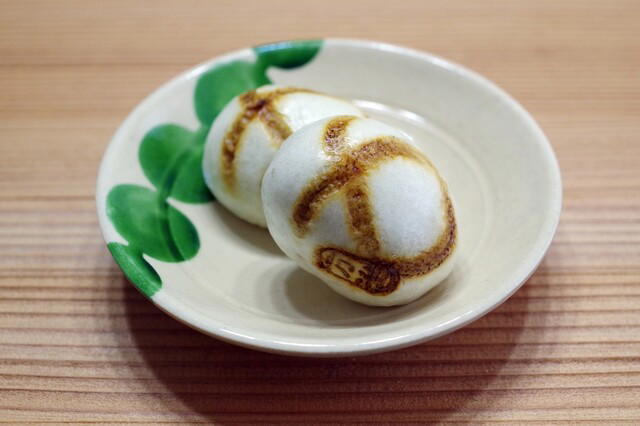
Approaching a traditional sweets shop in Shimosuwa is a different kind of anticipation from entering a dining room. The rhythm is retail rather than table service: glass cases, wrapped boxes, short decisions, and the sense that the serious work happened earlier in the day, before the first customer arrived. Shintsuru Honten sits in that tradition, where wagashi is not treated as dessert after a meal but as a calibrated object of season, texture, sweetness, and local memory.
Nagano’s food identity is often read through soba, mountain vegetables, miso, apples, and onsen-town cooking, yet its sweet culture deserves the same attention. In inland Japan, confectionery historically depended on preservation, tea culture, shrine-town traffic, and gifts carried between households. That matters here because wagashi is rarely about abundance. It is about restraint: bean paste, agar, rice flour, sugar, and small adjustments that expose the maker’s discipline rather than concealing it.
Salt yokan and the inland logic of Nagano wagashi
The key detail is salt yokan. Yokan can read as austere to travellers accustomed to cream-heavy desserts, but that austerity is the point. The form reduces confectionery to concentration: sweetness held in a firm block, balanced by texture and, in this case, salt. In a region shaped by mountains and cold winters, that saline note is not decorative. It gives structure to sweetness and makes the confection feel closer to a preserved food tradition than a patisserie showpiece.
Shintsuru Honten’s recognition on the Tabelog 100 list for Japanese traditional sweets and cafe sweets in EAST 2023 places it in a category that rewards precision over spectacle. This is not the same competitive field as a tasting-menu restaurant or a destination ryokan. The comparison is with specialist wagashi counters where repeat purchase, gifting culture, and regional reputation carry weight. Within that frame, a takeout-only format is a signal rather than a limitation: the product has to travel, hold shape, and make sense away from the counter.
That distinction separates it from broader Suwa-gun dining, where the visitor may be weighing a full meal at Chatora Hanten or Nakano Ya. Those choices answer the question of lunch or dinner. A wagashi stop answers a narrower and more culturally revealing question: what does this area consider worth wrapping, carrying, and giving?
A takeout counter, not a lingering cafe
The format keeps expectations honest. There are no chairs, and the service is takeout. That puts the emphasis on selection, packaging, and timing rather than atmosphere extended over an hour. For travellers moving through the Suwa basin, this kind of stop works particularly well because it does not require the commitment of a full meal. It also demands a different etiquette: decide with purpose, carry cash, and treat popular items as finite rather than guaranteed.
The average spend sits in the JPY 2,000 to JPY 2,999 band, which is meaningful in this category. It suggests gift-box territory rather than a single casual sweet, and that fits the social role of wagashi in Japan. Traditional confectionery often functions as hospitality currency: something brought to a host, shared at home, or paired with tea. In that sense, the purchase is part of the experience, not a souvenir afterthought.
Shimosuwa itself sharpens the appeal. The town is tied to the broader Suwa area’s shrine, lake, and onsen geography, so food here tends to reward travellers who look beyond one meal slot. A sweets counter can say as much about a place as a restaurant, especially when the category depends on ingredients and inherited technique rather than chef branding. For a wider read on the area’s dining map, our full Suwa-gun restaurants guide is the natural companion, while overnight planning sits separately in our full Suwa-gun hotels guide.
How to place it in a Suwa-gun itinerary
The strongest use of Shintsuru Honten is as a focused daytime stop around other Suwa-gun plans. It is not a substitute for a meal, and that is precisely why it earns attention. Pairing wagashi with the area’s temples, lake routes, or hot-spring towns gives the day a local register that a generic cafe break would not. The practical reading is simple: this is a specialist purchase, and the salt yokan is the item to think about in advance.
Compared with higher-spend regional meals such as Yama Botan or Unagi Kobayashi, the value proposition here is narrower and more portable. Compared with lodging-led experiences such as Tobira Onsen Myojinkan, it asks for little time but offers a clear view into local taste. That makes it useful for travellers who want one precise food memory from Shimosuwa without reorganising the day around a reservation-heavy meal.
EP Club readers building a broader Japan route can use this as a reminder that small-format specialists often carry more regional signal than larger dining rooms. For contrast across categories, browse our full Suwa-gun bars guide, our full Suwa-gun wineries guide, and our full Suwa-gun experiences guide. Further afield, the archive ranges from -Grilled beef Sukiyaki- KAMAKURA TANUKIAN 鎌倉 たぬき庵 in Kamakura and . 鮪と炭火焼き うお炭 秋葉原店 in Tokyo to.cafe in Osaka.know in Kumamoto, (Shoku) Vietnam in Kawasaki, [Curry Senmon Ten] Maruyama Kyoju. in Sapporo, [ki:] in Kyoto, #肉といえば松田 奈良本店 in Kashihara, 1/3 HAMBURGER FACTORY in Kanazawa, Jōdo Saké Bar in Los Angeles, and Onigiri Time in Pasadena.
Comparable Spots, Quickly
Comparable venues by cuisine and price in the same metro.
| Venue | Cuisine | Price | Notes |
|---|---|---|---|
| Shintsuru Honten | Traditional Japanese Wagashi & Shio Yokan | $$ | Shimosuwa-machi |
| Nakano Ya | Traditional Edo-style Sushi Omakase | $$$ | Hara Village, Suwa District |
| Chatora Hanten | Casual Chinese restaurant | $$ | Suwa-gun |
| Tanaka Shoten (田中商店) | Hakata Longhama Tonkotsu Ramen | $$ | 花畑 |
| Ginza Kagari (銀座 篝) | Chicken Paitan Ramen | $$ | Ginza |
| DINING | Japanese Kaiseki and Teppanyaki | Not listed | Osaka |
Recognition history
Dated appearances from independent guides and award organizations, with the underlying list record or original source where available.
Tabelog 100 #11 · No. 11
Tabelog · Tabelog 100 - Japanese traditional sweets / Japanese sweets cafe - EAST - 2023
Continue exploring
More in Suwa-gun
Restaurants in Suwa-gun
Browse all →
Bars in Suwa-gun
Browse all →
Hotels in Suwa-gun
Browse all →
Wineries in Suwa-gun
Browse all →

At a Glance
- Classic
- Cozy
- Well Known
- Family
- Casual Hangout
- Special Occasion
- Solo
- Historic Building
- Standalone
- Design Destination
- Local Sourcing
A venerable, house-style Japanese confectionery with a quietly traditional atmosphere, focused on takeaway wagashi rather than dine‑in, reflecting its role as a classic pilgrimage stop by Suwa Taisha shrine.