
Tabelog 100 #1
Our verdict
Yama Botan puts Okaya’s tonkatsu conversation in a precise, ingredient-led register: Iwanaka pork, rice oil, house sauce, and a small-room format built around made-to-order preparation rather than speed. Its Tabelog Tonkatsu 100 selection in 2026 and 2022 gives the address national context, while the experience remains firmly local in scale and tempo.

Pearl is the En Primeur Club membership app — saves, bookings, and concierge access live there. Same editors, same standards.
- Address
- 長野県岡谷市湊5-13-7 ビレッジ2F
- Phone
- +81266245030
- Website
- yakitori.bestshop.jp
- Directions
- Get directions
The menu
What to order
- Tonkatsu (pork cutlet)
- Katsu-don (pork cutlet bowl)
Approaching Okaya, the city feels less like a restaurant district than a working town with food rooms tucked into practical buildings. That setting matters. Tonkatsu in Japan often splits between commuter lunch utility and specialist craft, and Yama Botan belongs to the latter category: a focused room where the rhythm is set by breaded-pork cooking rather than by a kitchen pushing plates through a generic lunch rush.
For a wider read on the city’s dining map, start with Our full Okaya restaurants guide. Okaya is not Tokyo, Osaka, or Nagoya, and that is part of the appeal here. The local dining scene rewards narrow formats done with discipline: eel, soba, sweets, casual counters, and small family-run rooms where a single ingredient can define the meal. In that context, a tonkatsu and katsu-don specialist selected for Tabelog’s 2026 recognition is not just a good address; it is evidence that serious breaded pork culture is not confined to major-city station districts.
Tonkatsu, katsu-don, and the small decisions that shape the meal
The category story is the useful way to understand this table. Yama Botan is listed in the tonkatsu and katsu-don category, which already tells you that the meal is built around cutlet craft rather than a broad, unfocused menu. Those details are not decorative. Tonkatsu depends on the relationship between meat thickness, crumb structure, frying medium, and resting time; small changes alter whether the cutlet reads as heavy, brittle, juicy, or clean-edged.
At a serious tonkatsu room, the appeal comes from a kitchen thinking about coverage, texture, and how the crust grips the meat rather than simply treating panko as bulk. The point is not just pork under breadcrumbs, but the balance between juiciness, crunch, seasoning, and the supporting set that frames the plate. Rice, soup, pickles, cabbage, and sauce can turn a cutlet into a complete Japanese meal when the proportions are handled with care.
That composition places Yama Botan closer to Japan’s specialist tonkatsu tier than to the quick-lunch chain model. Its Tabelog score of 3.69 and 2026 Tabelog recognition give measurable outside validation, but the more telling signal is editorial: this is a restaurant whose identity is narrow enough to be legible. It is best approached as a focused Okaya stop for diners who want the craft of pork cutlet and katsu-don, not as a catch-all restaurant for every mood.
Okaya's value proposition is patience, not spectacle
Price also frames the experience. At JPY 3,000 to JPY 3,999, this sits above routine cutlet territory but still reads as a controlled spend for a specialist meal. Among nearby Okaya reference points, Unagi Kobayashi, GUUUT, Nakano Ya, and Shintsuru Honten help show how varied the city’s dining formats can be, from tightly focused food rooms to more destination-minded stops. Against that spread, Yama Botan reads as a focused mid-tier specialist rather than a broad splurge restaurant.
The format reinforces that reading. This is built for diners who accept the pace of a meal centered on freshly handled cutlets and who are more interested in the plate than in a long social gathering with a broad menu and repeated rounds of drinks. The strongest fit is a meal where the point is the craft of tonkatsu and katsu-don, not a flexible banquet-style plan.
There is also a regional-travel argument here. Okaya sits within Nagano’s broader food culture, where mountain produce, freshwater traditions, soba, fermented flavors, and precise small shops often matter more than restaurant-as-stage design. Tonkatsu may not define Nagano in the way soba often does, but a modest Okaya specialist fits the prefecture’s appetite for directness. The meal’s seriousness comes from category focus and execution, not luxury signaling.
How to fold it into an Okaya trip
Yama Botan suits travelers who build a day around Okaya or a broader Nagano itinerary and want one meal with a specific purpose. The practical stance is simple: treat it as a focused tonkatsu and katsu-don restaurant, not a flexible all-day catch-all. The small-specialist mindset means patience is part of the transaction, and the best match is a diner who is happy to let the cutlet define the stop.
For trip planning beyond the meal, pair the restaurant research with Our full Okaya hotels guide, Our full Okaya bars guide, Our full Okaya wineries guide, and Our full Okaya experiences guide. Readers comparing Japanese dining formats across cities can also browse other Japanese dining rooms generically, from sukiyaki and charcoal-grill addresses to cafes, curry counters, burger specialists, mountain huts, and casual city restaurants. For Japanese food culture outside Japan, overseas sake bars and onigiri counters offer a useful counterpoint without changing the case for Okaya’s quieter specialists.
The editorial case is not that Okaya needs to be rerouted around a single plate of pork. It is that ingredient-led tonkatsu has a serious life outside the large metropolitan dining circuits. Yama Botan’s recognition, category focus, and disciplined specialist identity make it a strong example of that quieter Japanese restaurant category: small, specific, and resistant to hurry.
Frequently asked questions
Would Yama Botan be comfortable with kids?
Yama Botan is best considered as a focused Okaya tonkatsu and katsu-don restaurant. Families should approach it with the same expectations as any small specialist dining room: come for the food, keep the meal simple, and avoid treating it like a flexible linger-all-day stop.
Is Yama Botan better for a quiet night or a lively one?
It reads as a quiet, food-focused address rather than a lively night spot. The appeal is the specificity of tonkatsu and katsu-don in Okaya, not a bar-like atmosphere or a broad entertainment format.
What does dinner at Yama Botan typically cost?
Pricing at Yama Botan is listed as JPY 3,000 - JPY 3,999.
What is Yama Botan known for?
Yama Botan is known in Okaya for tonkatsu and katsu-don, with a Tabelog score of 3.69 and 2026 Tabelog recognition.
Quick Comparison
Comparable venues by cuisine and price in the same metro.
| Venue | Cuisine | Price | Awards | Notes |
|---|---|---|---|---|
| Yama BotanThis venue — the venue you are viewing | Traditional Japanese Tonkatsu & Katsu-don | $20–30 | Tabelog 100 #1 | Not listed |
| 蕎麦処 そばの実 | Togakushi Soba | $20–30 | Tabelog 100 #53 | Togakushi |
| Kumasotei | Traditional Satsuma Cuisine | Not listed | Not listed | Higashi Sengoku-cho |
| Soup Curry & Dining Suage+ (suage+ 本店) | Sapporo soup curry specialty shop | $10–20 | Tabelog 100 #83 | Susukino, Chuo Ward |
| Ginza Kagari (銀座 篝) | Chicken Paitan Ramen | $10–20 | Not listed | Ginza |
| Nagomi (和海) | Specialty Ramen | $10–20 | Tabelog 100 #26 | Mukogawa |
Recognition history
Dated appearances from independent guides and award organizations, with the underlying list record or original source where available.
Tabelog 100 #1 · No. 1
Tabelog · Tabelog 100 - Tonkatsu - 2026
Continue exploring
More in Okaya
Restaurants in Okaya
Browse all →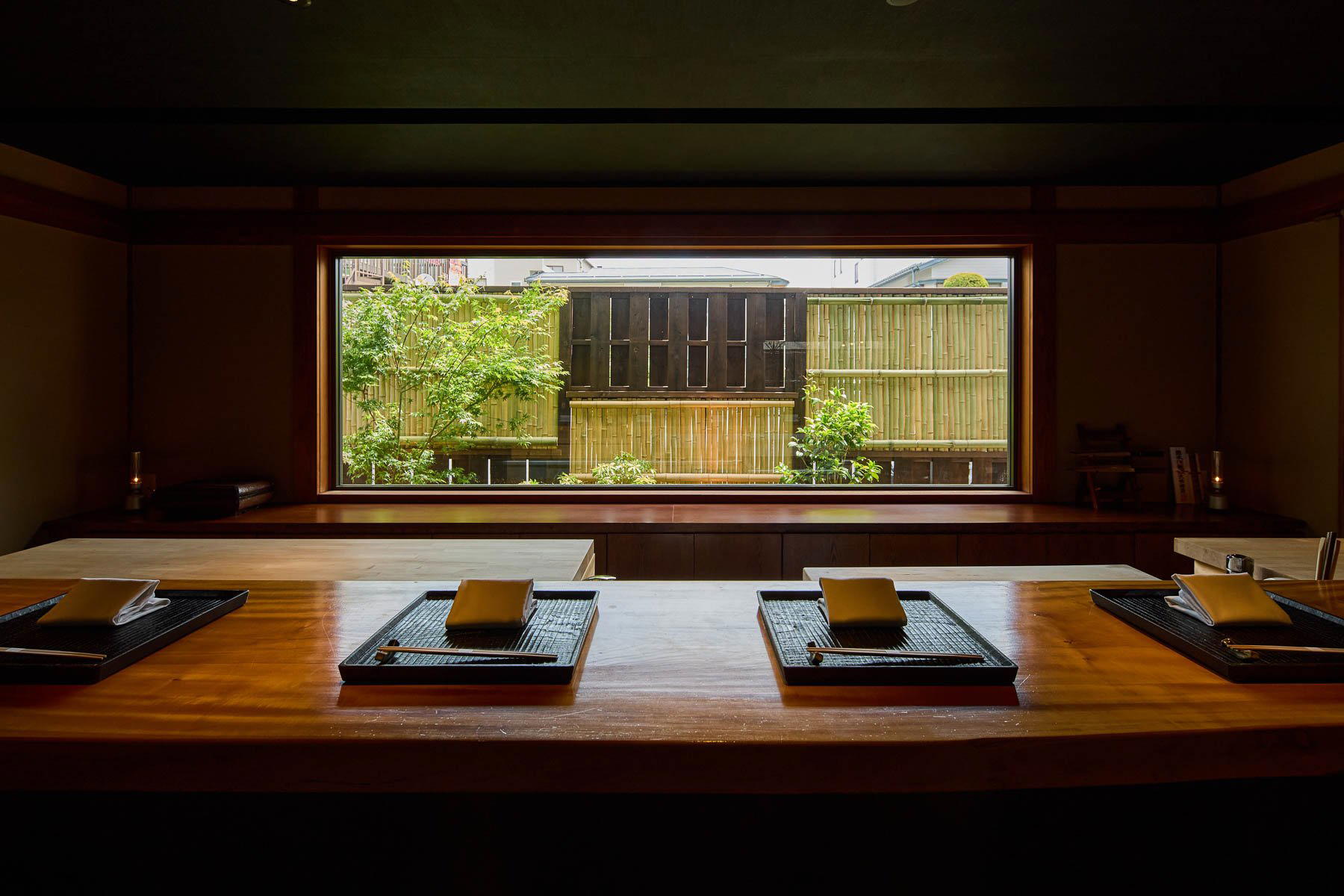

Bars in Okaya
Browse all →
Hotels in Okaya
Browse all →



Details
- Classic
- Cozy
- Casual Hangout
- Family
- Group Dining
- After Work
- Solo
- Standalone
- Local Sourcing
- A La Carte
- Pescatarian Friendly
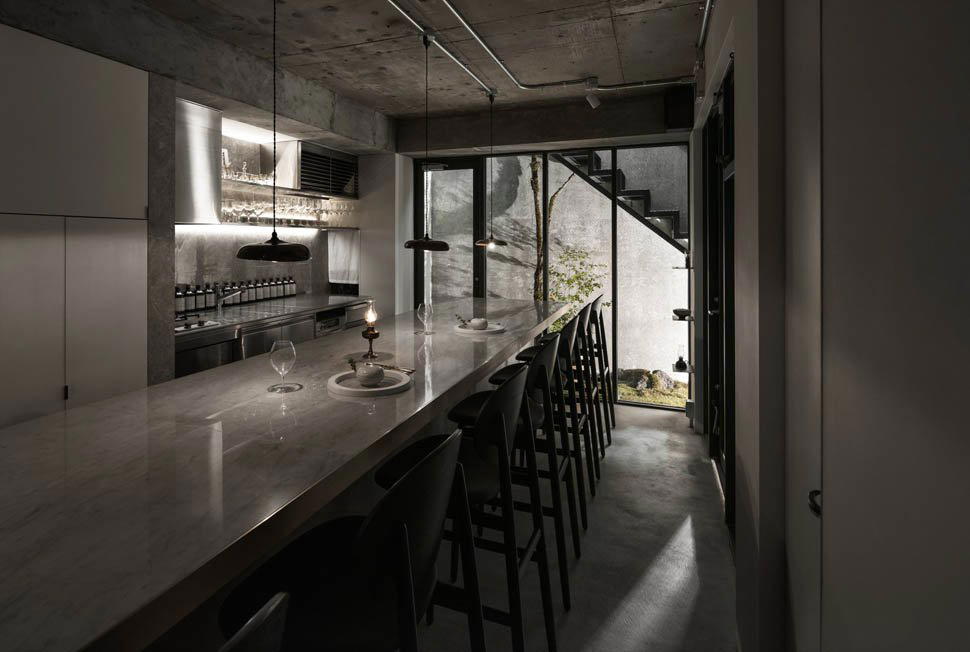
Simple, classic Japanese tonkatsu-ya atmosphere with counter and table seating, bright but unpretentious lighting, and a relaxed, local feel that focuses attention on the food rather than decor.