
Nakano Ya brings serious sushi into rural Nagano rather than the usual big-city counter circuit. Its Tabelog Sushi EAST 100 selection in 2025, fish-led focus, sake offering, private tatami-room option, and house-restaurant setting make it a Suwa-gun address for diners who care about sourcing as much as ceremony.
Pearl is the En Primeur Club membership app — saves, bookings, and concierge access live there. Same editors, same standards.
- Address
- Japan, 〒391-0104 Nagano, Suwa District, Hara, 払沢6651
- Phone
- +81 266-79-5028
- Website
- tabelog.com
 Saves & bookings on Pearl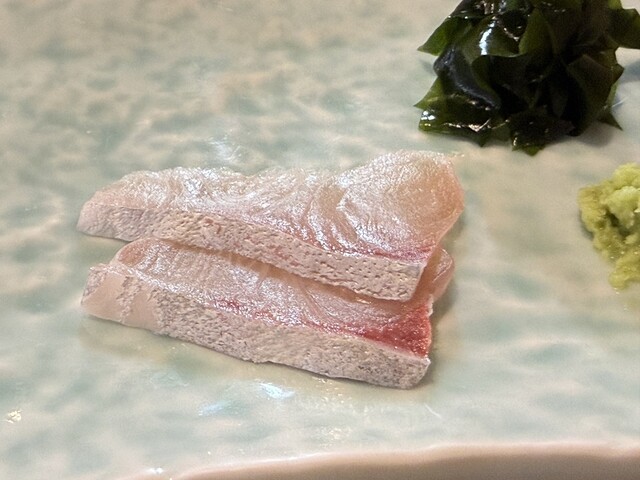
Approaching sushi in Hara, the mood changes before the meal begins: this is not Ginza, a hotel dining room, or a station-front counter for expense-account traffic. Suwa-gun’s appeal is quieter and agrarian, with the Yatsugatake foothills setting dinner’s tempo. Nakano Ya belongs to a smaller Japanese tradition: the serious regional sushi house, shaped less by metropolitan theatre than procurement, rice discipline, and local regulars’ rhythms.
That matters because travelers often misunderstand sushi outside Tokyo. The benchmark is not always a high-gloss omakase room with a global reservation economy. In Nagano, far from the coast, a fish-focused sushi restaurant must earn attention through selection and handling rather than proximity to a famous market. Nakano Ya’s Tabelog Sushi EAST 100 listing in 2025 gives it a credible place in that conversation, especially for diners mapping sushi quality beyond the capital’s familiar hierarchy.
Fish-led sushi in a mountain prefecture changes the stakes
Nagano sushi depends on logistics. An inland village restaurant cannot lean on seaside romance, so the editorial question sharpens: how convincing is the sourcing, and how carefully is the meal framed around fish? Nakano Ya is explicitly categorized around sushi, with a stated emphasis on fish and sake. That combination points to classic Japanese dining logic, where the counter or private-room experience is about matching seafood, rice, and nihonshu with restraint, not just a nigiri sequence.
The price band sits above casual local sushi and below the highest urban omakase tier. That middle-premium bracket is interesting in regional Japan because diners are not mainly paying for a trophy address. They are paying for fish selection, rice consistency, pacing, and the confidence of a restaurant recognized outside a major dining district. The Tabelog 3.77 score reinforces that this is not merely a convenient countryside meal; it has a documented audience of Japanese diners who rate sushi with a hard eye.
Suwa-gun’s dining map also clarifies the address. A meal at Chatora Hanten belongs to a different local register, with lower spend and a more everyday rhythm, while Shintsuru Honten speaks to the area’s confectionery and souvenir culture. The restaurant occupies the deliberate dinner slot: slower, costlier, and built around seafood rather than regional sweets or broad local comfort eating.
A house restaurant, not a performance counter
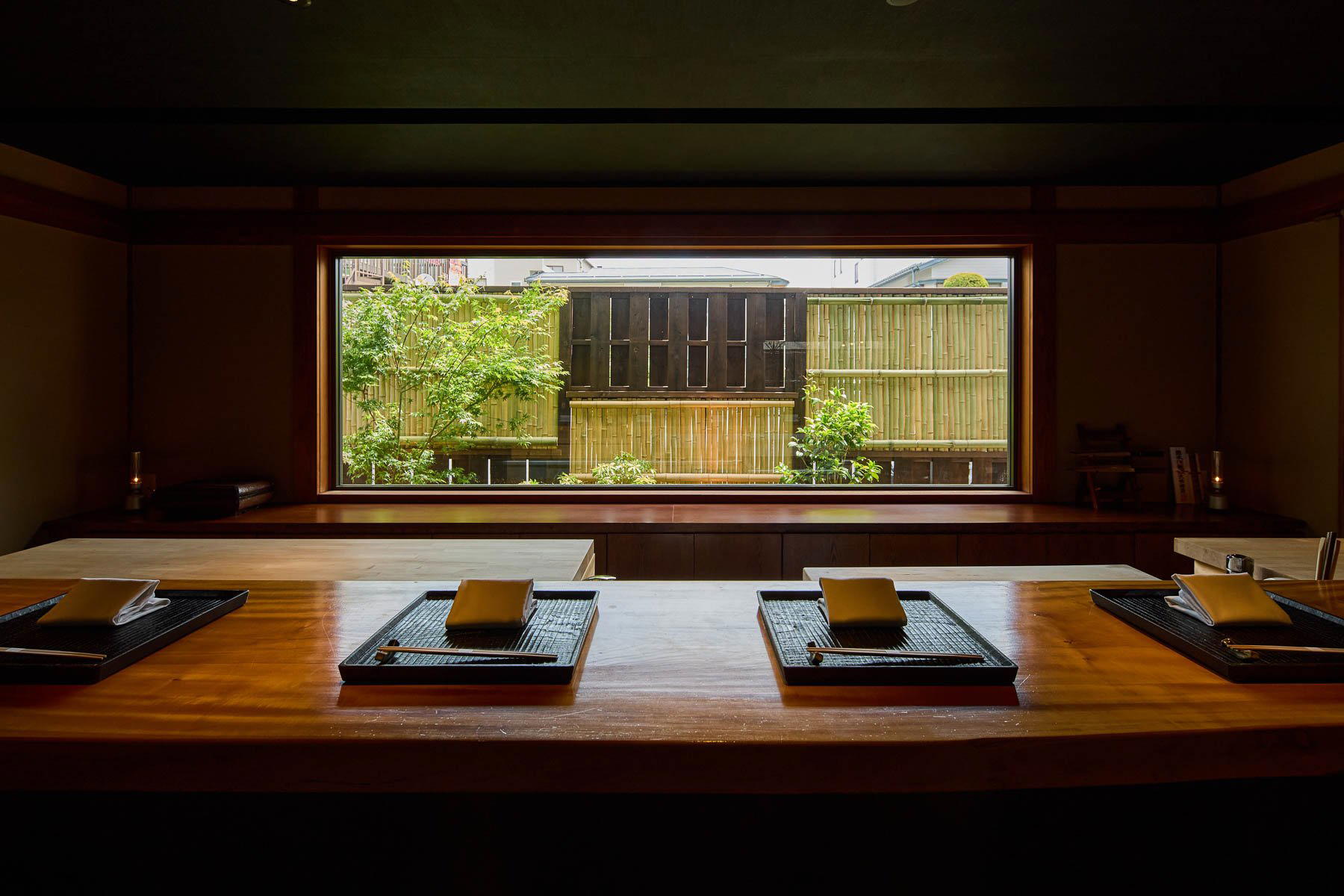
The house-restaurant format matters. In Japan, this setting often feels closer to being received than processed: less spectacle, fewer design cues, more attention to sequence and the room’s social rhythm. Private rooms are available, including tatami-room use, changing the feel for small groups. The atmosphere is better read as composed and domestic rather than theatrical, useful for travelers expecting sharp city-omakase choreography.
The non-smoking policy and sake listing add practical texture without becoming a checklist. Sushi in this tier benefits from a quiet room, especially when temperature, rice texture, and subtle differences between fish cuts matter. Sake also matters in a mountain prefecture: Nagano has serious brewing culture, and although specific labels are not listed here, nihonshu keeps the meal aligned with Japanese rather than international luxury grammar.
For broader planning, our full Suwa-gun restaurants guide explains how sushi, Chinese cooking, sweets, and local dining rooms sit together. Travelers building a wider stay can also compare the area through our full Suwa-gun hotels guide, our full Suwa-gun bars guide, our full Suwa-gun wineries guide, and our full Suwa-gun experiences guide. Dinner should not be treated as an isolated trophy, but placed inside a rural Nagano itinerary where transport, evening timing, and meal pacing matter.
How to read the recognition
Tabelog’s Sushi EAST 100 selection is useful because it pulls attention from the usual Tokyo-only sushi discourse. The EAST list covers a broad region, so inclusion suggests Japanese diners and the platform’s award process see enough consistency for the restaurant to sit within a larger sushi field. It does not make the meal a luxury spectacle; that is the point. The persuasive reading is narrower: a regional sushi address with documented recognition, a defined fish focus, and a price level that asks diners to take the meal seriously.
Reservations are available, and the weekly rhythm is not daily all-day service. Lunch is by appointment, while the regular public cadence is concentrated later in the week. Payment is decisive for travelers: credit cards, electronic money, and QR payments are not accepted, so plan cash as carefully as train timing. The location is rural enough that transport should be settled before dinner; parking is available in front, and public transport requires a bus-and-walk approach rather than a quick urban hop.
For readers comparing Japanese dining formats across cities, the contrast is instructive. A beef sukiyaki room such as -Grilled beef Sukiyaki- KAMAKURA TANUKIAN 鎌倉 たぬき庵 in Kamakura, a Tokyo grill address like . 鮪と炭火焼き うお炭 秋葉原店 in Tokyo, and a sake-led overseas room such as Jōdo Saké Bar in Los Angeles frame Japanese ingredients through different urban lenses. The restaurant is quieter: sushi, sake, regional recognition, and the discipline needed to make fish compelling in inland Nagano.
That makes it strong for diners who understand sushi basics and want to see how the form behaves outside the capital. It is less suited to anyone chasing a lavish room, chef-personality narrative, or long list of named signatures. The interest is specific: a rural house setting, fish-led sushi, Tabelog Sushi EAST 100 recognition in 2025, and a Suwa-gun pace that rewards planning.
For wider Japan comparisons, EP Club also covers casual and specialist formats such as.cafe in Osaka.know in Kumamoto, (Shoku) Vietnam in Kawasaki, [Curry Senmon Ten] Maruyama Kyoju. in Sapporo, [ki:] in Kyoto, #肉といえば松田 奈良本店 in Kashihara, 1/3 HAMBURGER FACTORY in Kanazawa, and Onigiri Time in Pasadena. Those links are useful not because they are direct peers, but because they show how far Japanese dining stretches once the lens moves beyond a single cuisine or city.
Fast Comparison
Comparable venues by cuisine and price in the same metro.
| Venue | Cuisine | Price | Notes |
|---|---|---|---|
| Nakano YaThis venue — the venue you are viewing | Traditional Edo-style Sushi Omakase | $$$ | Not listed |
| Shintsuru Honten | Traditional Japanese Wagashi & Shio Yokan | $$ | Shimosuwa-machi |
| Chatora Hanten | Casual Chinese restaurant | $$ | Suwa-gun |
| Wagyu Sukiyaki Soshiji Karuizawa | Wagyu Sukiyaki | $$$ | Old Karuizawa Ginza |
| Meiji no Yakata | Yoshoku (Japanese-Western Fusion) | $$$ | Nikko Fudoson Park |
| 白露 | Fusion Japanese-French Local Cuisine | $$$ | 安比高原 |
Recognition history
Dated appearances from independent guides and award organizations, with the underlying list record or original source where available.
Tabelog 100 #94 · No. 94
Tabelog · Tabelog 100 - Sushi - EAST - 2025
Continue exploring
More in Suwa-gun
Restaurants in Suwa-gun
Browse all →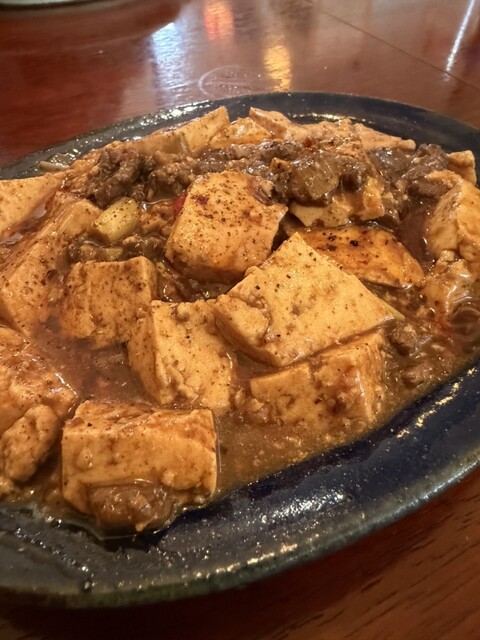
Hotels in Suwa-gun
Browse all →
Wineries in Suwa-gun
Browse all →

At a Glance
- Classic
- Cozy
- Intimate
- Date Night
- Special Occasion
- Celebration
- Business Dinner
- Group Dining
- Solo
- Chefs Counter
- Private Dining
- Standalone
- Sake Program
- Sustainable Seafood
Current opening hours
- Monday
- Closed
- Tuesday
- Closed
- Wednesday
- 6–10 PM
- Thursday
- 6–10 PM
- Friday
- 6–10 PM
- Saturday
- 6–10 PM
- Sunday
- 6–10 PM
Hours can change for holidays and private events. Last verified .
The restaurant operates out of a traditional-style house with a relaxing, non-smoking interior, creating an intimate and classic sushi counter experience that feels like a quiet destination hideaway rather than a city sushi bar.