
Tabelog 100 #86
Our verdict
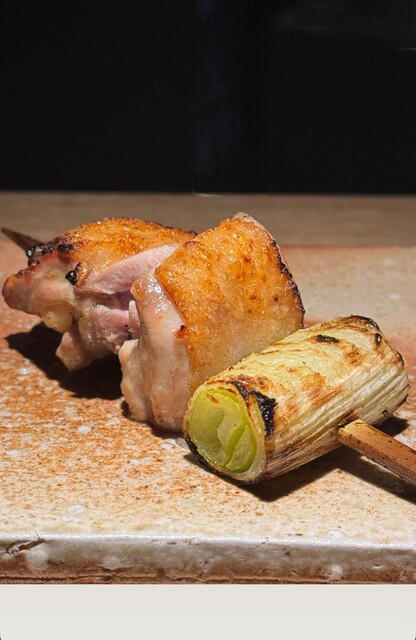
Shintaro gives Wakayama a serious yakitori counter built around Kumano jidori, seasonal vegetables, and Kishu Binchotan rather than casual skewers and beer. Its selection for Tabelog 100 Yakitori WEST 2025 places it in a regional conversation usually dominated by larger dining cities, with a compact course format and sake-wine pairing culture shaping the experience.

Pearl is the En Primeur Club membership app, where members save venues, book tables and use the concierge.
The menu
What to order
- Kumano jidori yakitori course
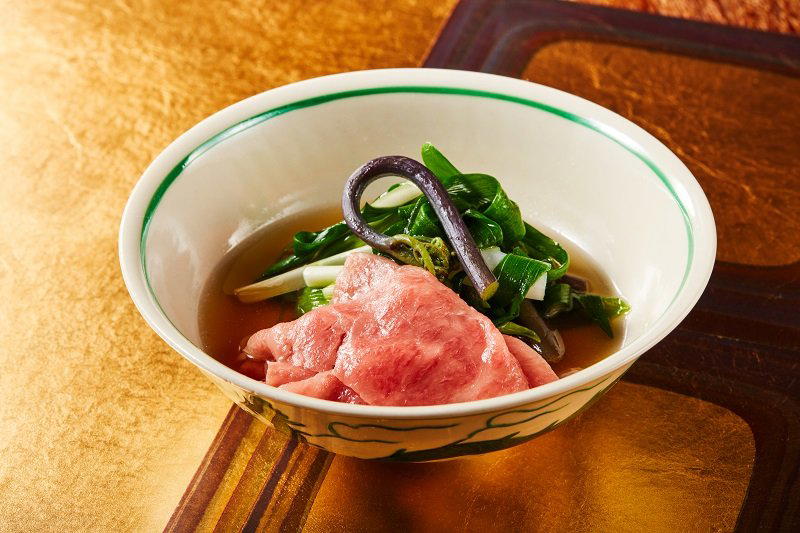
- Charcoal-grilled Kuroge Wagyu
- Seasonal vegetable skewers
- Omakase wine and sake pairing
The approach is restrained: a focused yakitori format and a course-like rhythm that moves grilled chicken skewers beyond after-work informality. In Wakayama, where many visitors expect ramen, seafood, temple cooking, or hotel dining, this chicken-focused format narrows the frame. The room is best considered a place for attention rather than hurry; the performance is timing, with grilled skewers and the meal’s sequence carrying the experience.
That matters because yakitori has become one of Japan’s sharper sourcing tests. A skewer house can rely on sauce, atmosphere, and repetition; a more deliberate restaurant has less camouflage. Bird, cut, seasoning, and pace carry the argument. Shintaro’s identity is built around yakitori in Wakayama, placing local dining focus at the centre rather than treating the city as only a stop between Osaka and the Kii Peninsula.
Yakitori gives Wakayama dining a focused regional spine
Wakayama’s dining identity is often read through chuka soba, coastal produce, and Koyasan’s religious foodways. Yakitori is narrower, but useful here. It brings grilled chicken into the same regional conversation as the prefecture’s forests, pilgrimage routes, citrus culture, and local food traditions. The point is not trivia; the format gives the meal its disciplined foundation and keeps attention on timing, seasoning, and texture.
The focused approach separates this meal from the city’s quicker noodle circuit. Chuka Soba Senmon Ten Ide Shoten remains the reference for Wakayama ramen, while other compact local shops show how the city’s noodle tradition stays alive. Those meals move fast and read as civic appetite. A yakitori dinner asks how much nuance grilled chicken skewers and controlled pacing can deliver.
Selection for Tabelog 100 Yakitori WEST 2025 is a meaningful signal beyond local popularity. The WEST category places it against specialist yakitori rooms across western Japan, not only Wakayama neighbourhood restaurants. For travellers, it gives a category-driven reason to plan around the meal in a city where research can skew toward ramen queues and hotel restaurants.
The drinks side gives yakitori a contemporary reading without needing to overstate the details. Pairings can widen the register: grilled chicken moves through acidity, umami, fat, and savoury depth in ways that reward careful drinking choices. Wakayama need not imitate Tokyo counter culture; the stronger claim is a focused yakitori meal within a regional dining trip.
A focused format in a city better known for noodles and pilgrimage food
The city’s dining map is broader than first impressions suggest. Everyday local restaurants speak to Wakayama’s casual register, while Hotel de Yoshino represents a more formal side of local dining. Other dining in the prefecture sits closer to the temple-stay and shojin-ryori tradition associated with Koyasan. Against that spread, Shintaro occupies tight middle ground: not a quick ramen stop, not grand hotel dining, and not monastic heritage cuisine.
The yakitori format gives the room discipline. This is not yakitori treated only as a loose sequence of extra skewers. The meal is structured around grilled chicken, pacing matters, and selection decisions carry weight because distraction is reduced. For travellers, it can work as a strong dinner anchor after a day in Wakayama or onward movement toward the Kii Peninsula.
Price tier changes expectations. Wakayama offers far cheaper meals, especially ramen, and far higher spend in specialist dining, with Sushi Gishin in a separate luxury bracket. Shintaro is listed at JPY 10,000 - JPY 14,999 for dinner, so the editorial question is category value rather than extravagance. The answer depends on whether the traveller wants Wakayama explained through yakitori and attention to pacing rather than better-known bowls.
There is a parallel with focused Japanese formats beyond obvious headline categories. Some restaurants are not trying to cover every appetite; the appeal is a narrow grammar executed well. The same logic applies here: the narrower the frame, the more selection, seasoning, and timing matter. Shintaro is best understood as a specialist yakitori stop rather than an all-purpose Japanese restaurant.
How to place it within a wider Wakayama itinerary
For a compact city, Wakayama rewards travellers who resist flattening it into one dish. Ramen remains essential, but should not monopolise the schedule. A sharper itinerary might pair casual chuka soba lunch with controlled yakitori dinner, then reserve a separate day for Koyasan or coastal eating. For broader planning, Our full Wakayama restaurants guide is the natural starting point, while Our full Wakayama hotels guide helps with overnight positioning.
The city’s drinking and travel infrastructure matters as much as the meal. A yakitori dinner sits differently from a ramen stop before a train, so keep the evening uncluttered. Our full Wakayama bars guide is useful for extending the night, and Our full Wakayama wineries guide gives context for travellers thinking beyond a single dinner. For cultural sequencing around temples, coast, and local craft, Our full Wakayama experiences guide is the better companion than a restaurant-only search.
Japan’s specialist dining culture is full of small formats that work only on their own terms. A quiet cafe, a compact modern room, or a tightly defined counter can each ask guests to accept focus over breadth. The same principle explains why a Wakayama yakitori meal can feel more revealing than another general Japanese dinner, especially when the meal is planned as part of a wider regional itinerary.
That focus makes the restaurant less suited to compromise dining. Groups should consider pace and format carefully, especially if some diners want a broad menu rather than a yakitori-led meal. Travellers comparing regional specialities might instead pair Wakayama ramen with another city’s narrow-format meal, using Shintaro as the Wakayama example of how single-category restaurants build identity through constraint.
The draw is clear: Wakayama’s dining landscape is broader than ramen alone, and yakitori gives Shintaro a reason to exist as a specialist stop in the city. Shintaro is strongest for travellers who already understand yakitori as a serious format and want a Wakayama version with Tabelog 100 Yakitori WEST 2025 recognition, a focused structure, and a category story that does more work than décor.
Frequently asked questions
Does Shintaro work for a family meal?
Shintaro may work best for diners comfortable with a focused yakitori format. Families should consider the pace and menu style before booking.
What should I expect atmosphere-wise at Shintaro?
Expect a focused yakitori meal in Wakayama rather than a casual all-purpose grill. The appeal is the attention to grilled chicken skewers, pacing, and a specialist format.
What's the price range at Shintaro?
Pricing at Shintaro is listed as JPY 10,000 - JPY 14,999.
What is Shintaro known for?
Shintaro is known for yakitori in Wakayama and was selected for Tabelog 100 Yakitori WEST 2025.
In Context: Similar Options
Comparable venues by cuisine and price in the same metro.
| Venue | Cuisine | Price | Awards | Notes |
|---|---|---|---|---|
| ShintaroThis venue (the venue you are viewing) | Charcoal-Grilled Yakitori Kappo with Wine Pairing | $50–100 | Tabelog 100 #86 | Not listed |
| Takehara | Traditional Tuna Specialist | $10–20 | Not listed | Katsuura |
| Noodles Dining Tsukinoya | Japanese Tsukemen and Ramen | Not listed | Not listed | Aridagawa-cho |
| Sushi Gishin | Sushi Omakase | $150–200 | Tabelog 100 #51 | Hatayashiki Higashinocho |
| Aji Ichi | Yoshoku tonkatsu & curry | $10–20 | Tabelog 100 #13 | Wakayamashi Station area |
| Ichijoin | Shojin Ryori (Buddhist Vegetarian) | $150–200 | Not listed | Koyasan |
Recognition history
Dated appearances from independent guides and award organizations, with the underlying list record or original source where available.
Tabelog 100 #86 · No. 86
Tabelog · Tabelog 100 - Yakitori - WEST - 2025
Continue exploring
More in Wakayama
Restaurants in Wakayama
All restaurants in Wakayama →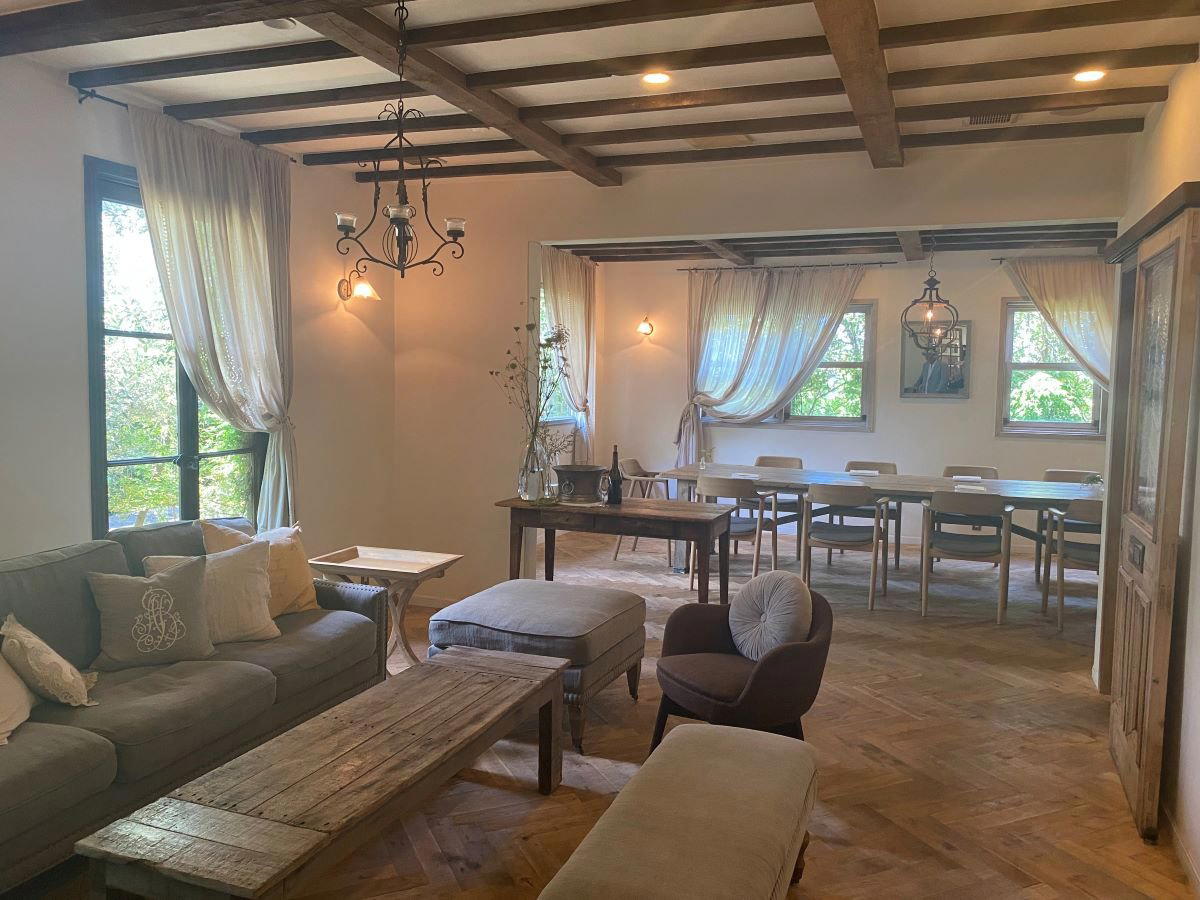

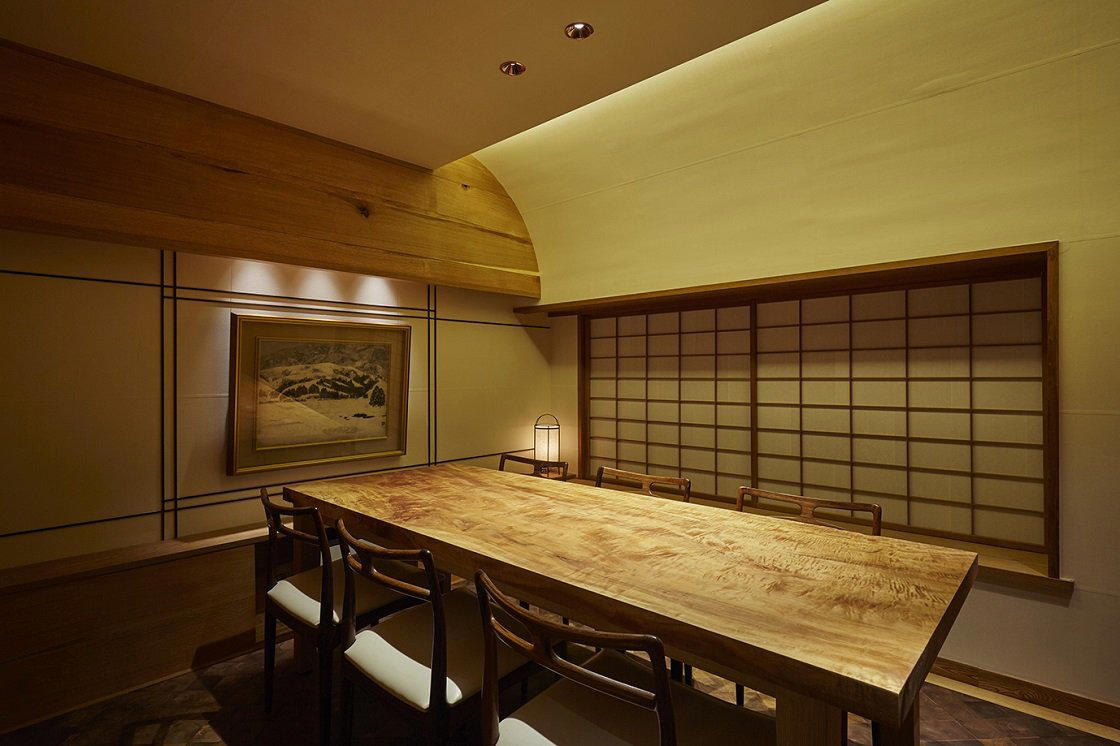
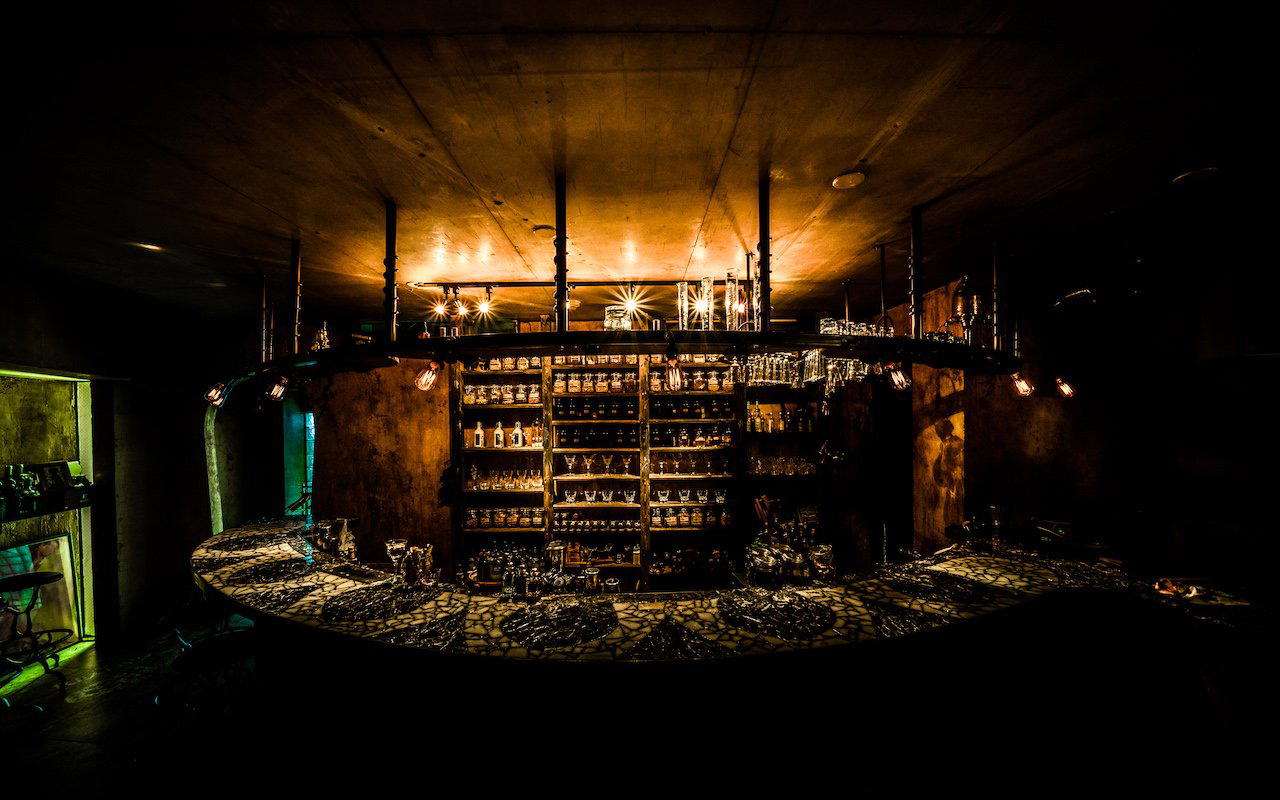
Bars in Wakayama
All bars in Wakayama →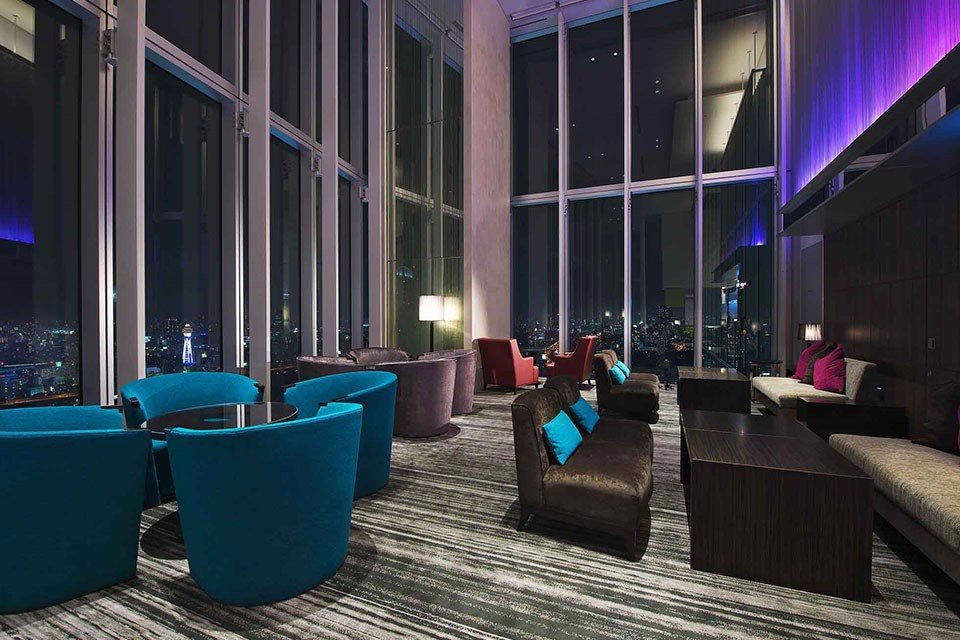
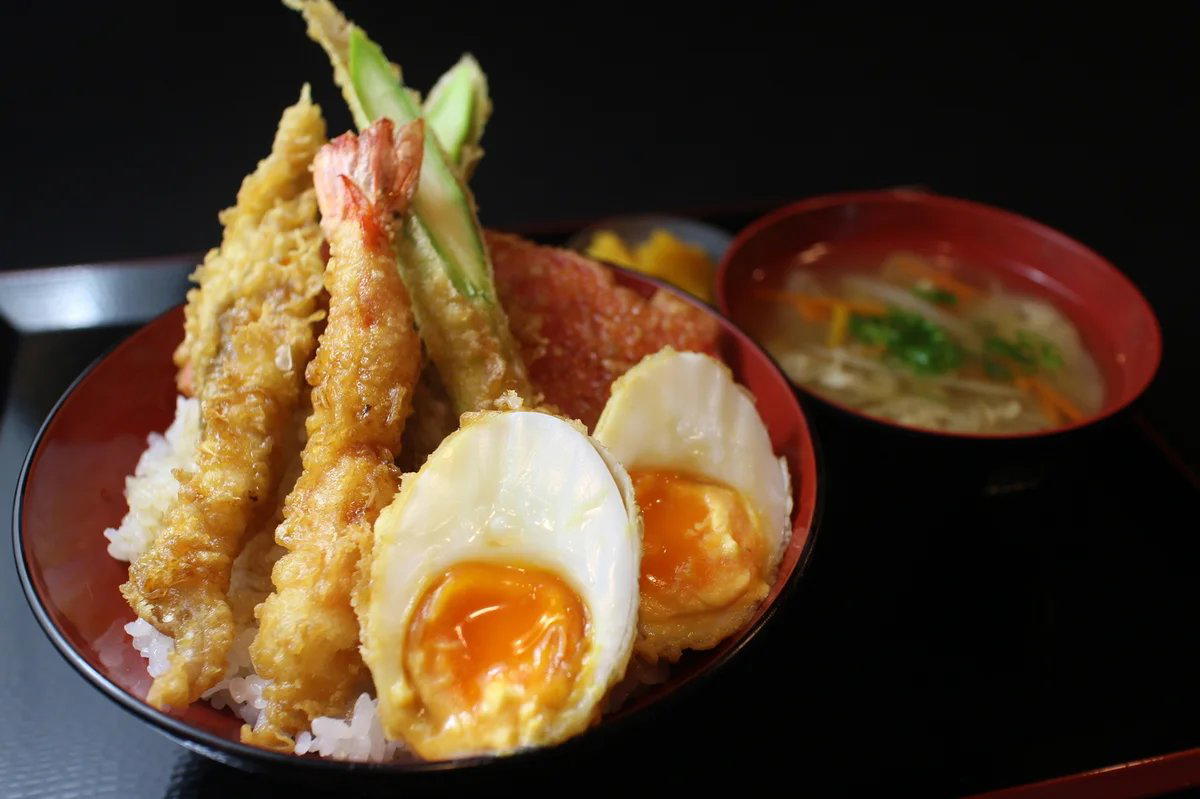
Hotels in Wakayama
All hotels in Wakayama →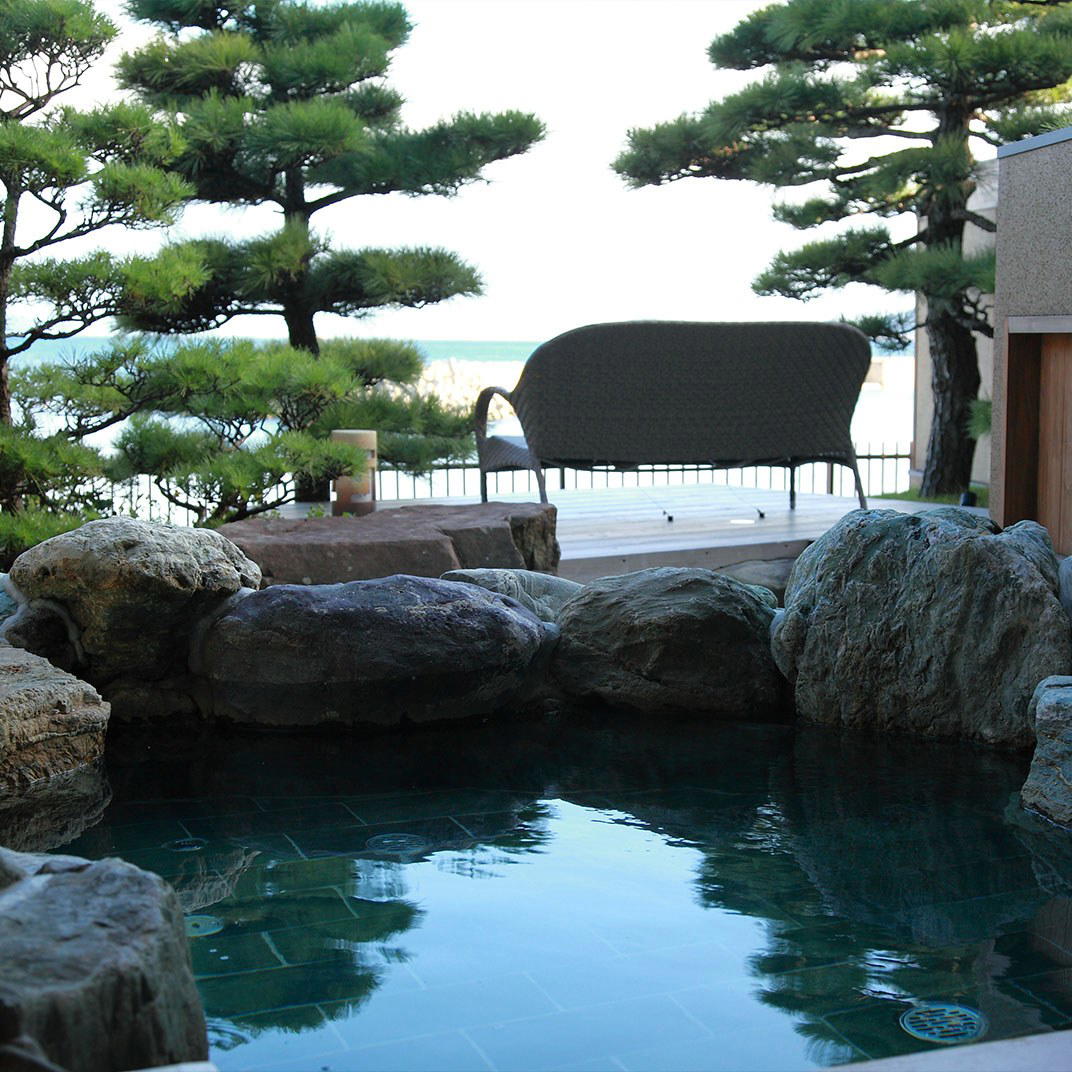
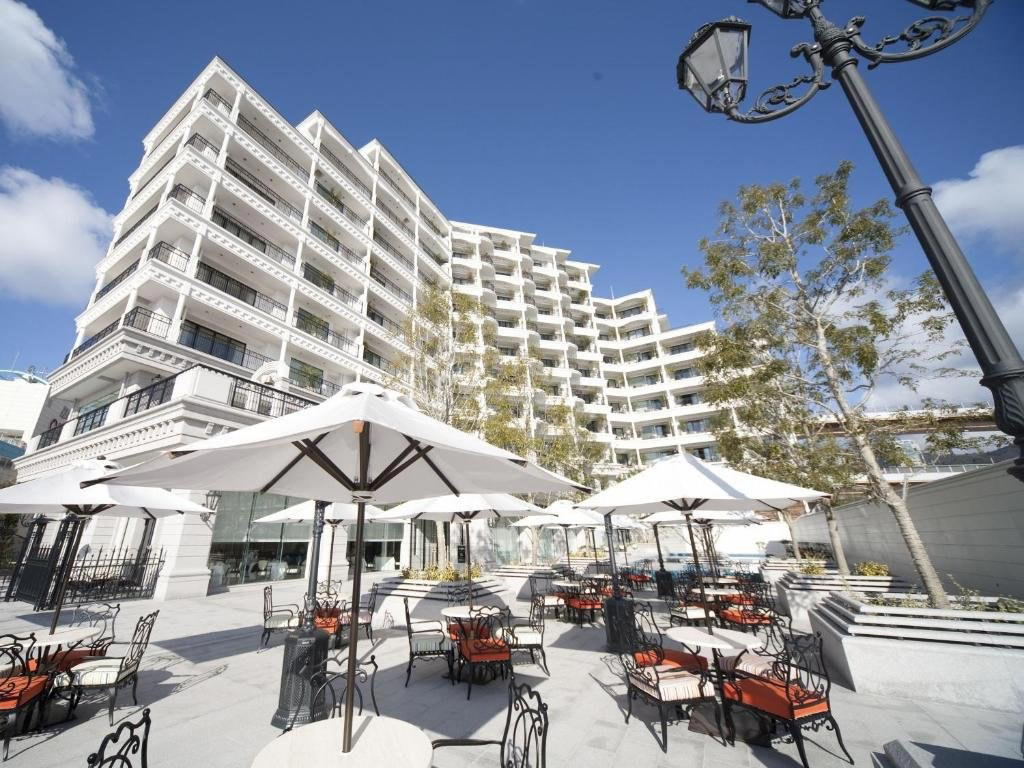

Wineries in Wakayama
Browse all →
Shintaro
The wine
- Wine program
- Deep wine list
- Extensive wine list
- Sommelier-led
- Sake program
Details
- Intimate
- Cozy
- Elegant
- Classic
- Date Night
- Business Dinner
- Special Occasion
- Celebration
- Group Dining
- Solo
- Chefs Counter
- Standalone
- Wine Cellar
- Extensive Wine List
- Sake Program
- Sommelier Led
- Local Sourcing
- Sustainable Seafood
- Farm To Table
- Tasting Menu
- Omakase
- Set Menu
- Counter Dining
- Wine
- Sake
- Beer
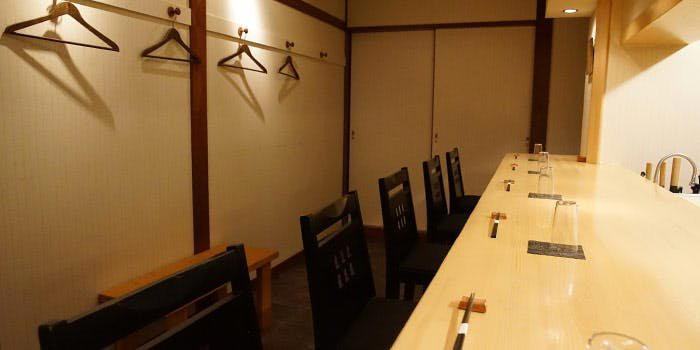
An intimate counter-focused charcoal kappo with a calm, refined atmosphere where the focus is on the theatre of binchotan grilling; lighting appears warm and subdued, with an elegant yet unpretentious feel suited to adults enjoying a leisurely course and drink pairings.