Takehara sits in Wakayama's quieter dining tier, where the city's deep ramen culture and regional seafood traditions shape the table before any single chef does. Planning a visit here means understanding how this prefectural capital operates: smaller crowds than Osaka or Kyoto, but a dining scene with real specificity and fewer concessions to tourist convenience.
Pearl is the En Primeur Club membership app — saves, bookings, and concierge access live there. Same editors, same standards.
- Address
- Wakayama, Japan
- Directions
- Get directions
 Saves & bookings on Pearl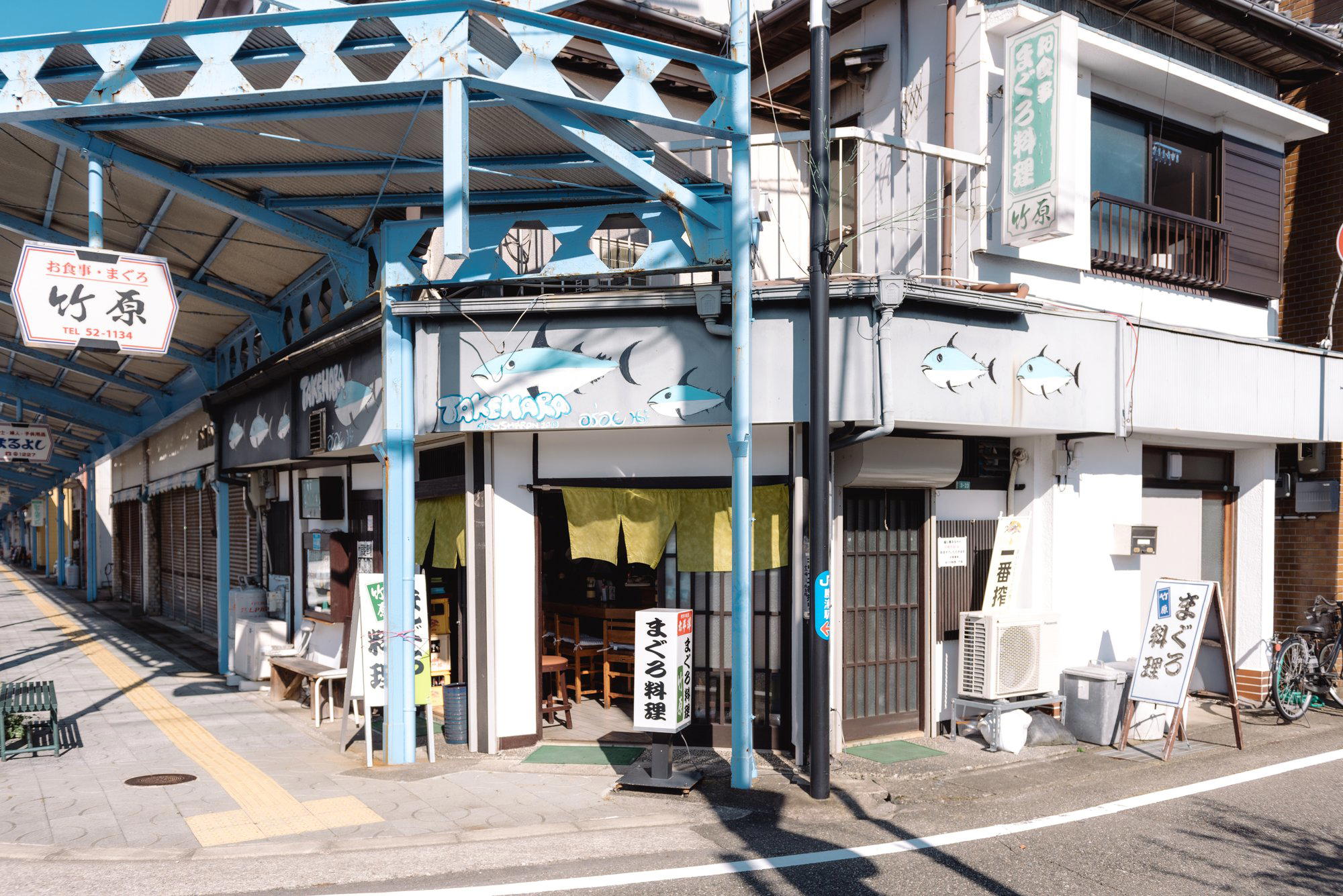
Wakayama Before the Reservation
Wakayama occupies an odd position in the Kansai dining conversation. It sits in Wakayama, a city south of Osaka with its own dining rhythm. The prefectural capital draws visitors for Wakayama Castle, the Kimiidera temple approach, and a coastline that supplies some of the Kii Peninsula's leading seafood, but its restaurant culture is less catalogued than Kyoto or Nara, which means it rewards the kind of research that bypasses the obvious circuits.
That relative obscurity is the operative context for Takehara. The city does not produce the volume of international press coverage that generates waitlists months in advance, but it does sustain a local dining culture with genuine depth: a ramen tradition distinct enough to have its own regional identity (soy-based, with pork bones and mackerel dashi), a kaiseki tier anchored to Kumano seafood, and a growing number of French-influenced rooms that reflect the chef migration patterns common to smaller Japanese cities. Venues like Hotel de Yoshino (French) represent that French current, while Ideshouten Ramen and Chuka Soba Hayami sit in the city's ramen tradition, which locals treat with the same seriousness that Tokyo applies to its own bowl culture.
The Booking Question
Approaching any Wakayama restaurant with the booking habits formed in Tokyo or Kyoto will create friction. The city operates at a different administrative pace. Many of the better rooms here do not maintain English-language online reservation systems, and some rely on phone bookings or walk-in queues that would be unthinkable at a comparable venue in Ginza or Gion. This is not a signal of quality deficit; it is a structural feature of a city that has not yet been forced to build tourist-facing infrastructure around its dining rooms.
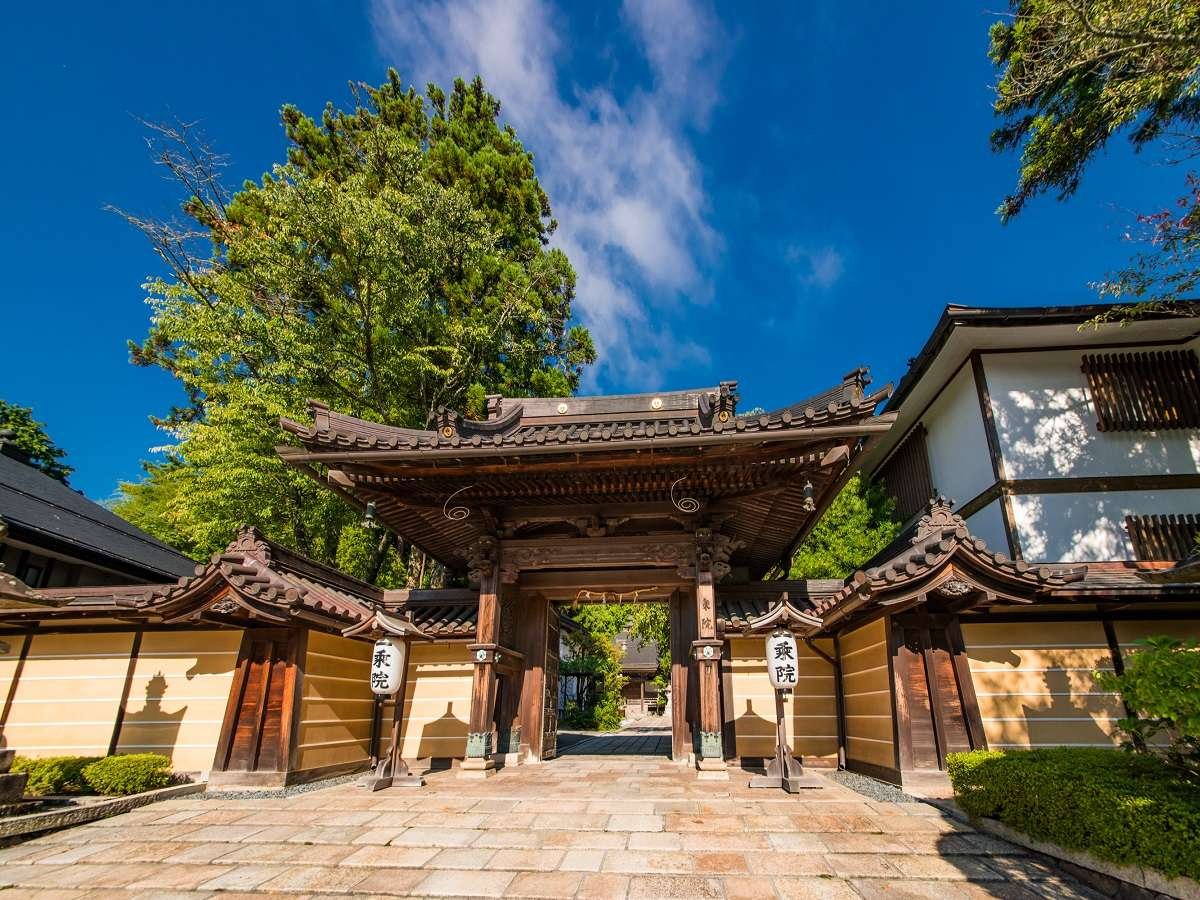
In Wakayama's dining tier, venues without a visible online reservation footprint tend to fall into one of two categories: high-demand rooms that operate by introduction or local network, or neighbourhood establishments where walk-in is the norm. Either way, arrival without a plan increases friction. The approach that works across the city is to contact accommodations in advance, as hotel concierges in Wakayama, particularly those serving domestic business travellers, often hold informal access to local rooms that do not advertise publicly. Travellers staying at ryokan with kaiseki traditions, like Ichijoin, are positioned better for these introductions than those arriving without local accommodation context.
Where Takehara Sits in the City's Dining Pattern
Wakayama's restaurant scene segments more cleanly than its size would suggest. At the street level, ramen shops and izakaya dominate the lunch and early evening trade. The midday kakigori culture, represented by spots like Nakakooriten Kakigori, adds a seasonal dessert dimension that is specific to this part of Kansai. Above that, a smaller tier of more structured dining rooms handles the evening trade for both locals celebrating occasions and the minority of visitors who arrive with dining as a primary purpose.
Takehara is a traditional tuna specialist rather than a ramen or izakaya room. What can be said is that the name itself, the neighbourhood, and the city's overall dining character place it in a comparable set that includes rooms where a booking matters and where the gap between arriving prepared and arriving cold is measurable in the quality of the experience. This is how most of Wakayama's better dining works: the infrastructure is lighter than Osaka's, but the expectation of a considered guest is, if anything, higher.
For comparison, Kansai's most recognised fine-dining addresses, including HAJIME in Osaka and Gion Sasaki in Kyoto, operate with clear booking windows and international-facing systems. Wakayama's equivalents do not, and Takehara is unlikely to be an exception. The contrast with venues like Harutaka in Tokyo or akordu in Nara is instructive: both require planning, but the booking mechanics are published and navigable. Wakayama asks more of the visitor in the research phase.
Takehara is priced at about $15 per person and is walk-in-friendly, so planning can stay simple. Wakayama is most efficiently accessed from Osaka via the Kuroshio limited express from Shin-Osaka or the local JR Hanwa Line from Tennoji, with journey times ranging from roughly 70 to 90 minutes depending on service. Day-trip dining is feasible, but the city's better rooms tend to serve evening meals in seatings that make same-day return manageable only with early trains. Staying overnight shifts the calculus and opens access to the breakfast and lunch trade that reveals more of a local dining culture than any single dinner can.
Japan's regional dining scene is well-documented at the higher award levels, with Michelin's regional guides covering Kyoto, Osaka, and Nara in some detail, and the 50 Best and Asia's 50 Best lists pulling from Tokyo, Osaka, and Fukuoka most heavily. Cities like Wakayama sit outside those primary survey zones, which means award validation is thinner, but it also means the editorial noise-to-signal ratio is lower. A room that has survived and maintained a local reputation in Wakayama without international recognition is making its case through repeat local custom rather than press coverage, which is a different but legitimate credential.
Comparison Snapshot
Comparable venues nearby, for context on price, style, and recognition.
| Venue | Cuisine | Price | Notes |
|---|---|---|---|
| TakeharaThis venue — the venue you are viewing | Traditional Tuna Specialist | $$ | Not listed |
| Yamatame Shokudo | Traditional Wakayama Ramen & Shokudo | $ | central Wakayama |
| Sushi Gishin | Sushi Omakase | $$$ | Hatayashiki Higashinocho |
| Ide Shoten (井出商店) | Traditional Wakayama Ramen | $$ | Tanakamachi |
| Chuka Soba Senmon Ten Ide Shoten | Wakayama-style ramen (chuka soba) | $ | / Tanakaguchi area |
| Marusan | Wakayama Ramen | $ | Shioya |
At a Glance
- Cozy
- Classic
- Intimate
- Solo
- Casual Hangout
- Chefs Counter
- Local Sourcing
- Sustainable Seafood
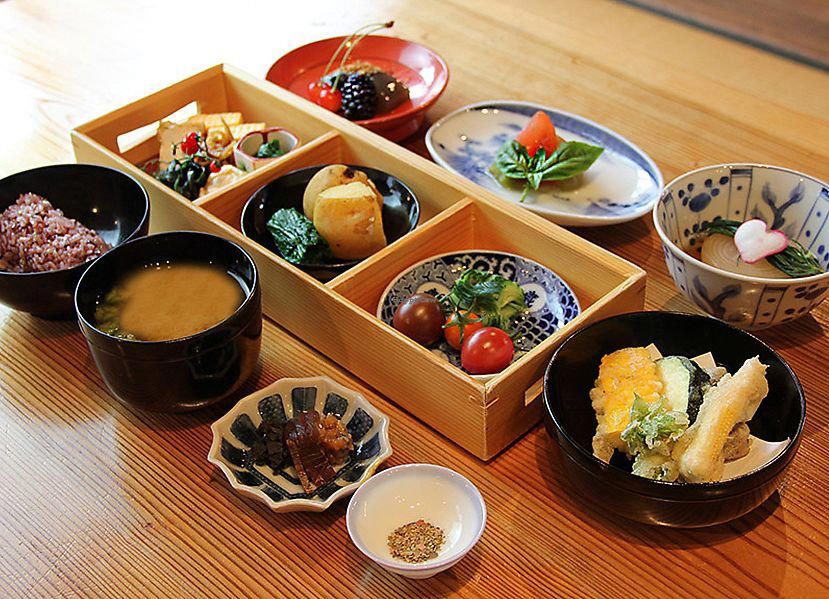
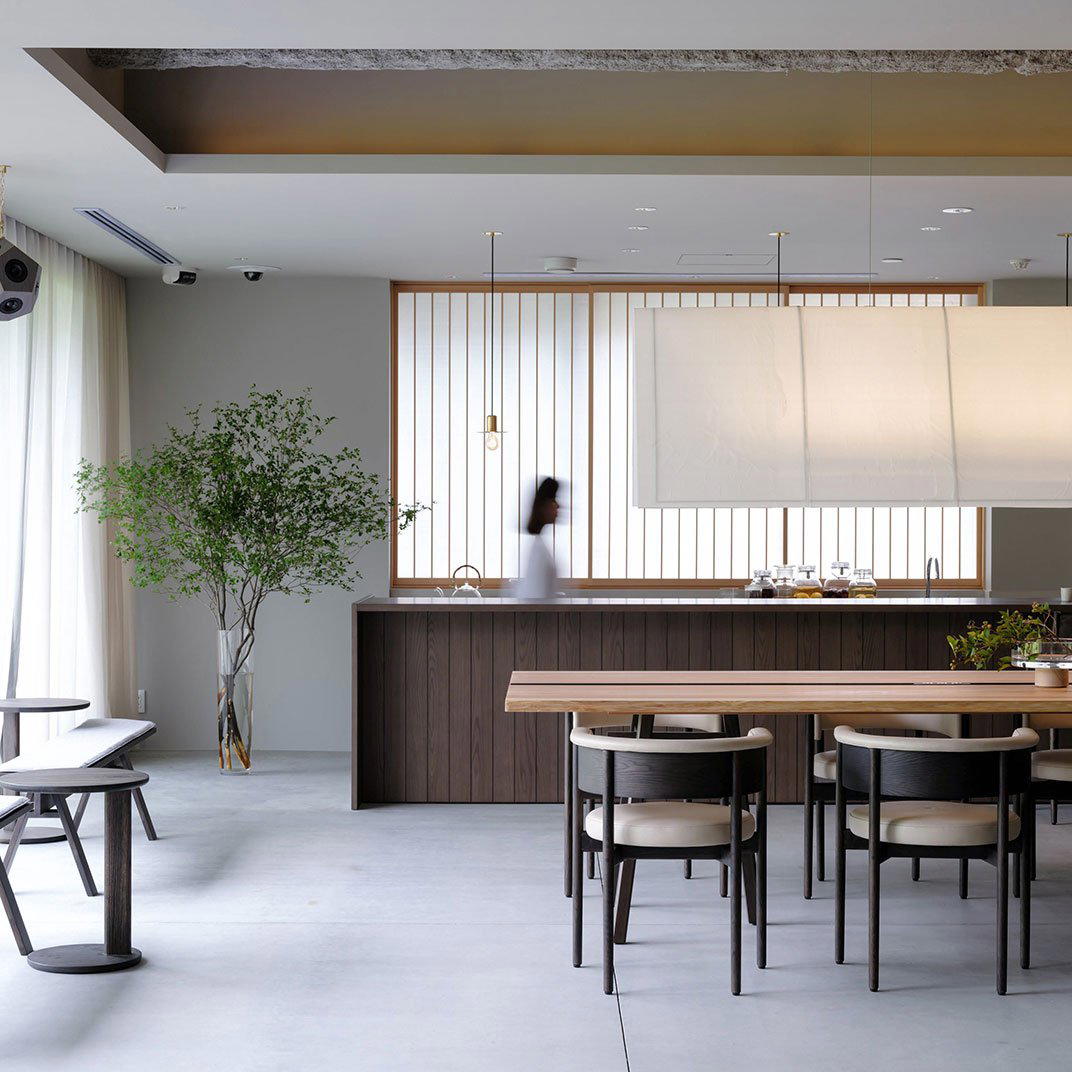
Small, cozy counter-seating restaurant with a warm, intimate atmosphere enhanced by the chef's wonderful personality and direct engagement with diners.